
Original Flower Painting
Searching for an original flower painting brings together centuries of botanical observation, capturing transient blooms on canvas, panel and paper.
Original Flower Painting
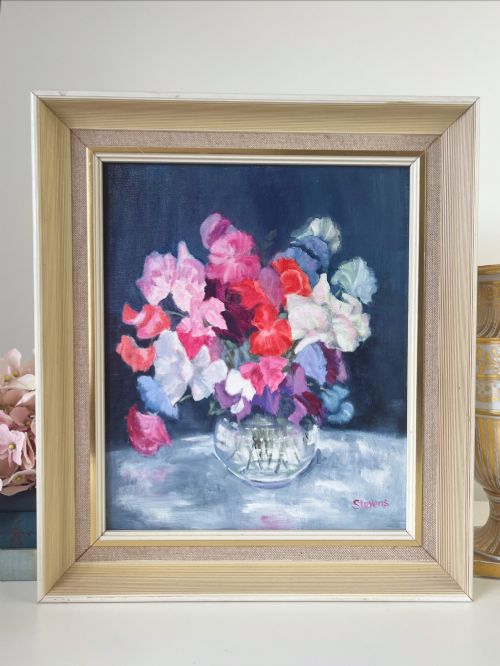
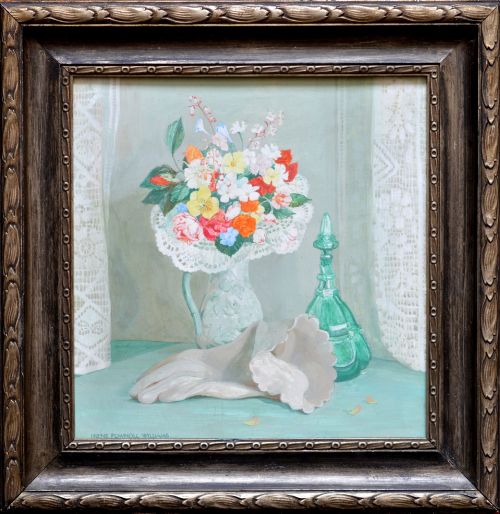
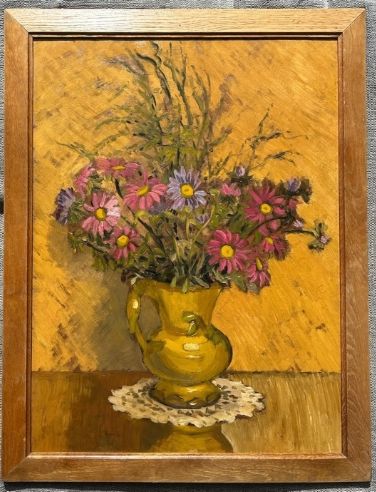
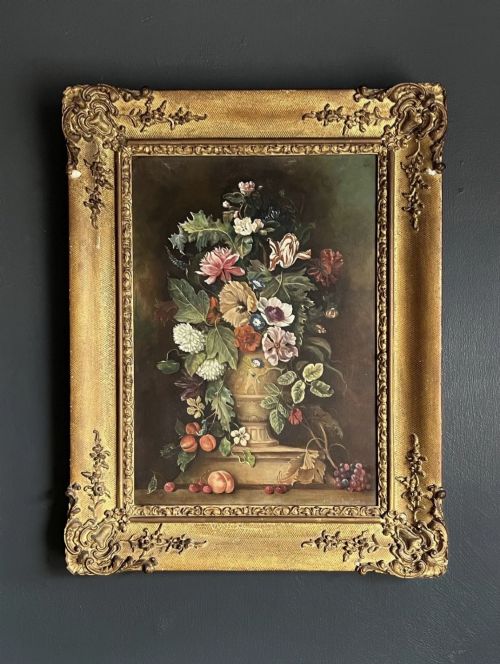
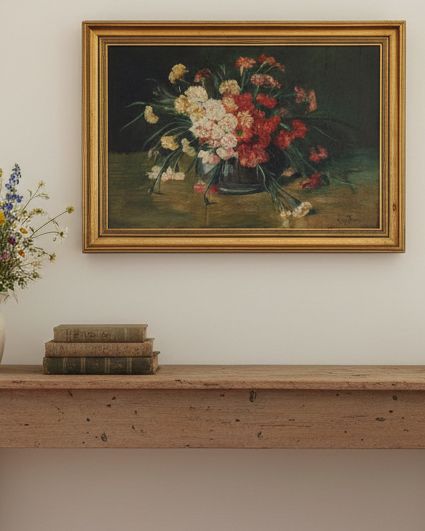
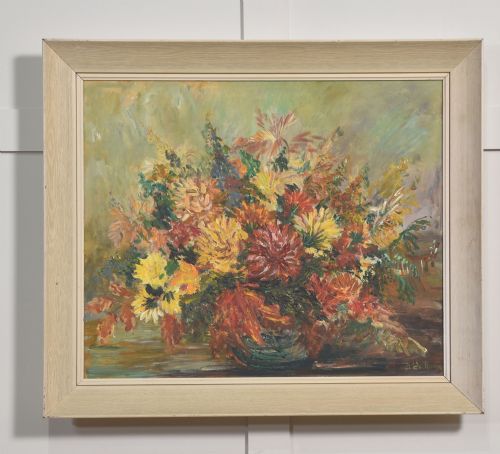
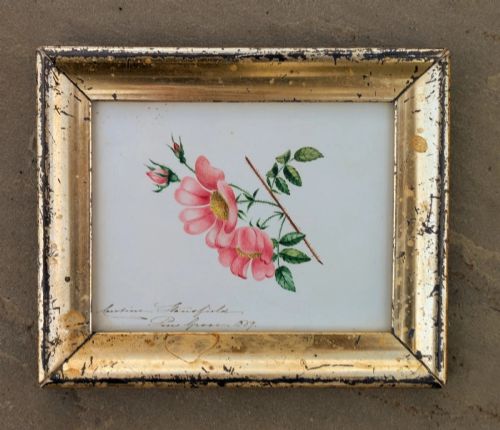
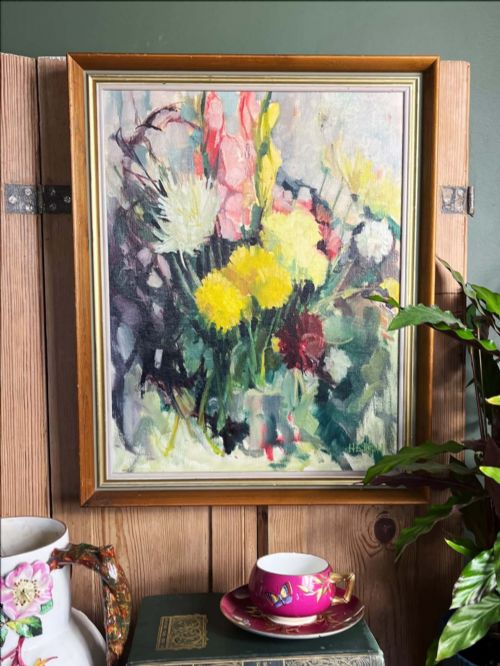
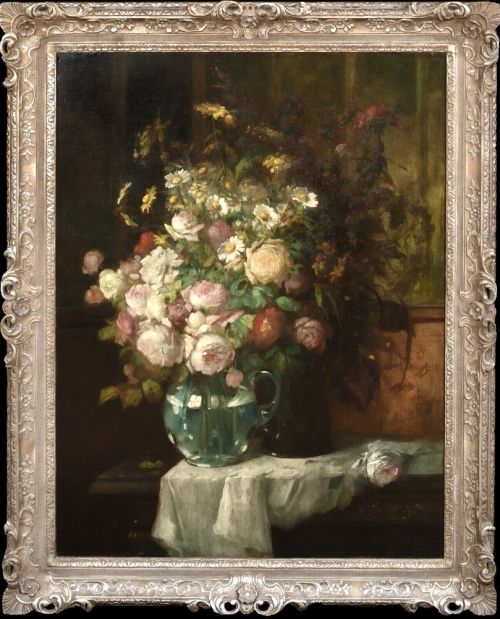
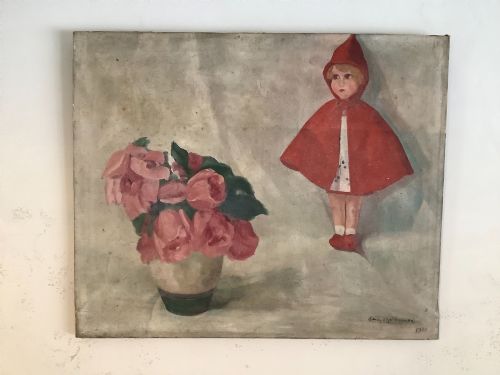
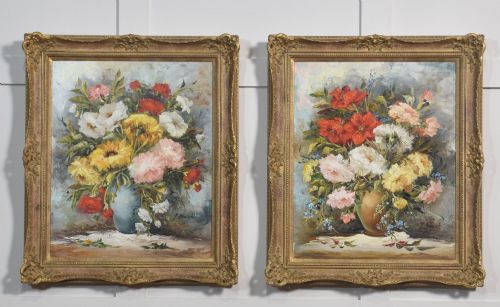
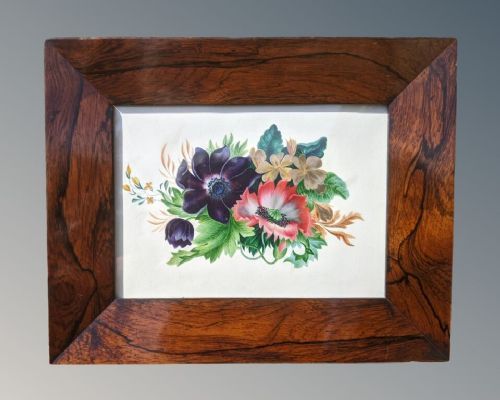
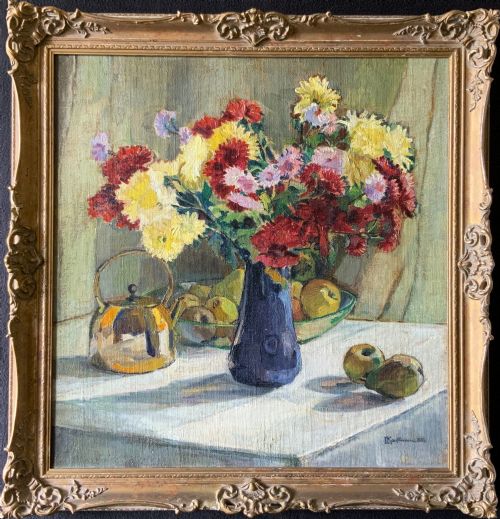
An original flower painting represents a lasting tradition of botanical and still life study across the nineteenth and twentieth centuries. Buyers encounter compositions ranging from detailed nineteenth-century watercolours of wild roses and fuscias to mid-century oil paintings of garden displays and arrangements in jugs.
The works span British Impressionism, Post-Impressionism, and Modern British styles, alongside continental European pieces from Austrian, French, and Dutch hands. These artworks capture blooms arranged in vases, baskets, and interior settings, reflecting changing aesthetic tastes through the decades.
How They Were Made
Artists worked primarily with oil paint or watercolour, applying pigments to stretched canvas, wooden panels, heavy paper, or card. Oil paintings often utilised thick brushwork and impasto, particularly in impressionist and post-impressionist examples, while watercolours relied on transparent washes on paper.
Framing played an integral role in presentation, with many period works housed in original gilt gesso frames or wooden surrounds that complemented the composition.
Listings feature works spanning from the mid-nineteenth century through the 1960s, executed in oil, watercolour, and tempera.
What Varies in Quality
Quality rests upon the artist's command of light, colour harmony, and the structural arrangement of the floral subject within the pictorial space. Finer examples demonstrate confident brushwork and tonal depth that bring vitality to the petals and foliage.
The integrity of the original surface, the preservation of the pigments, and the presence of a compatible period frame further distinguish exceptional works from standard decorative pieces.
Konstantin Stoitzner·Manuela Bonati·William Watt Milne·Owen Bowen·James Tower·Gertrude Hayes·Winifred Turner·Harry Wanless·Henrietta Creswell·Amile Coppieters·Florence Hess·Albert E Jackson·Phyllis I Hibbert·Mary Stevens·Isabelle Cohen·Jessie Wolfe·C Lawrence·William Greaves·Olive Higginbottom·Evelyn Chester·John Burns Robertson·Oliver Clare
The Original Flower Painting Glossary
- Still life
- A painting depicting inanimate subject matter, typically featuring natural objects such as flowers, fruit, and vessels. This genre allows artists to focus on colour, light, and composition.
- Impressionism
- A nineteenth-century painting style characterised by relatively small, thin yet visible brush strokes and an emphasis on accurate depiction of light. Artists sought to capture the transient effects of natural illumination.
- Gesso
- A plaster-like mixture applied to wood or canvas as a base for painting or as a sculptural medium for ornate frames. Gilded gesso frames are common in period artwork presentation.
- Tempera
- A permanent, fast-drying painting medium consisting of coloured pigment mixed with a water-binder agent, often egg yolk. It produces a flat, matte surface prized for its durability.
- Provenance
- The chronology of the ownership, custody, or location of a historical artwork. Clear provenance assists in authenticating the creator and period of a painting.
Original Flower Painting: Frequently Asked Questions
How do I date an antique floral painting?
Dating relies on stylistic clues, framing techniques, and signatures or inscriptions left by the artist on the reverse of the canvas or panel. Examining the materials, such as the type of canvas weave or paper watermark, also helps narrow the period.
Comparative study with known works by recorded artists from the nineteenth and twentieth centuries provides further chronological certainty.
Where should I hang these paintings at home?
These artworks suit spaces with gentle, indirect natural light to protect delicate watercolours and oils from fading over time. They bring warmth and colour to living rooms, hallways, and studies.
Pairing a floral still life with traditional or mid-century interior decor creates a cohesive display that highlights the character of the piece.
Are watercolours different from oil paintings?
Watercolour paintings use water-soluble pigments on paper, creating a luminous and delicate effect that is traditionally displayed behind glass. Oil paintings utilise oil-based binders on canvas or board, offering heavier texture and richer colour saturation.
Both mediums were widely used across the nineteenth and twentieth centuries for botanical and floral subjects.
What is the difference between British and continental works?
Continental pieces often reflect distinct regional movements, such as Austrian or French impressionism, with bolder palettes and expressive brushwork. British works frequently align with domestic traditions like British Impressionism or precise botanical illustration.
Both traditions capture the enduring appeal of floral subjects through varied national artistic lenses.