






Botanical Ceramic Plates
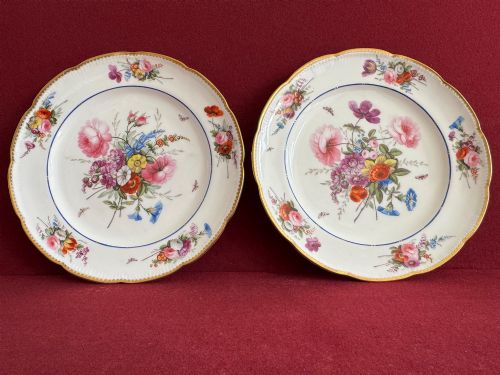
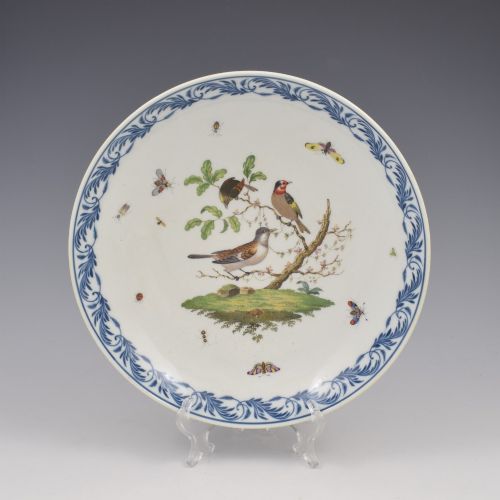
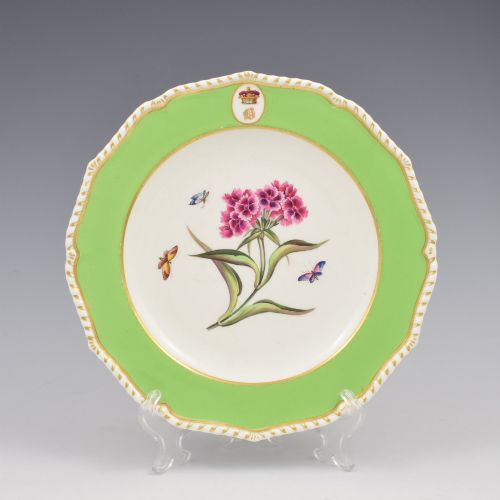
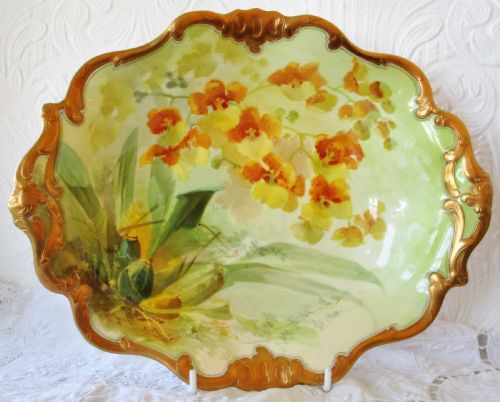
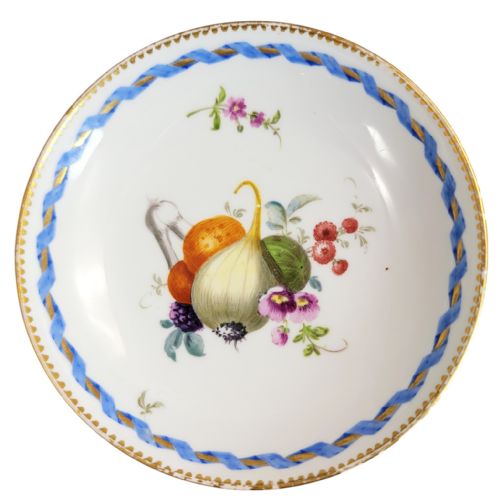
Botanical ceramic plates bring hand-painted flora and fauna directly to the table, offering a tangible connection to historical English and European porcelain artistry.
Botanical Ceramic Plates
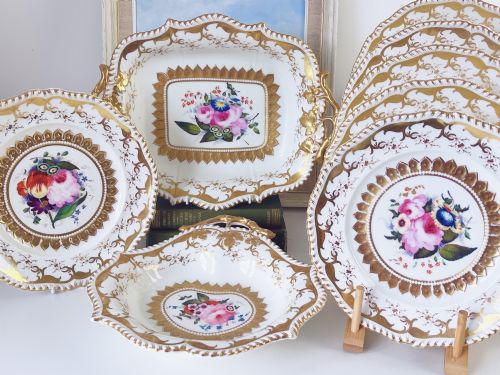
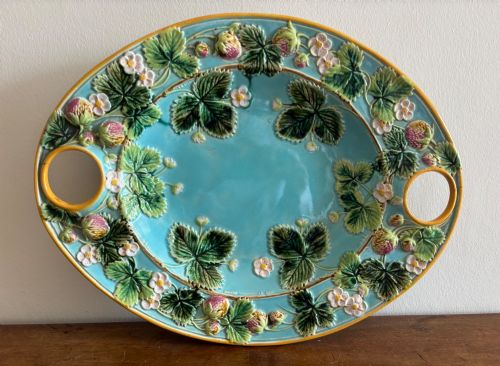
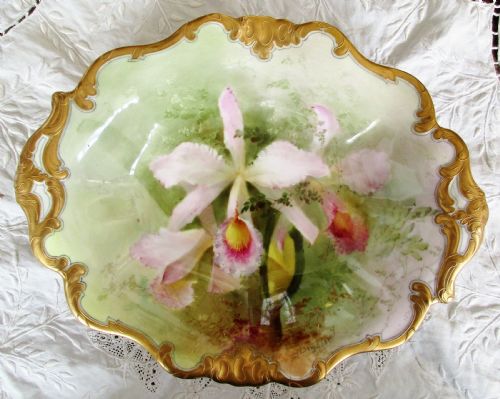
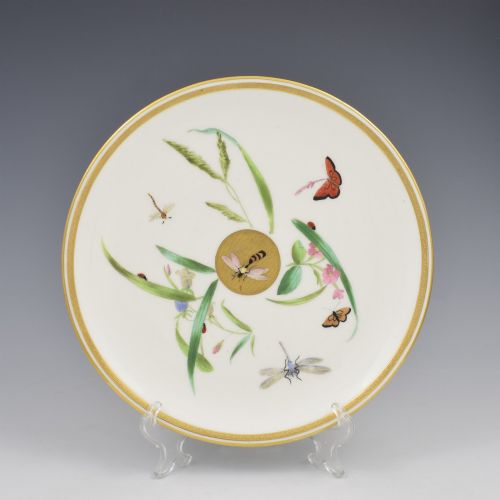
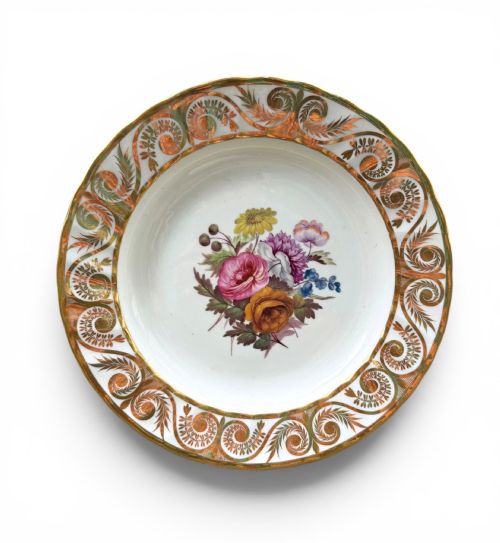
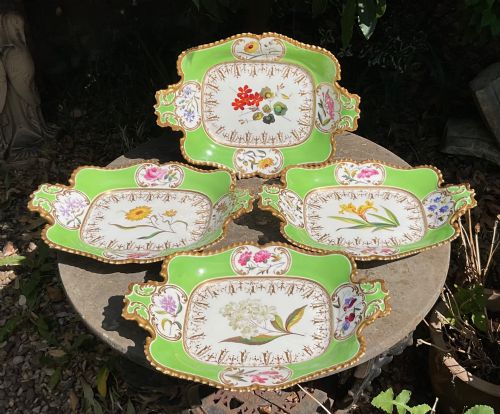
Botanical ceramic plates encompass hand-painted porcelain and earthenware dishes created across the eighteenth and nineteenth centuries, often forming part of larger dessert services or serving as standalone cabinet plates. When searching for botanical ceramic plates, buyers encounter forms ranging from simple plates and saucer dishes to elaborate tazzas and serving dishes.
The most common versions met on this page date from the Georgian, Regency, and Victorian periods, originating from prominent English potteries like Worcester, Derby, and Coalport, alongside continental factories. These pieces display individual floral, fruit, or bird studies, frequently titled on the reverse in script.
Makers often produced these plates for wealthy households to use during dessert courses, employing botanical illustrations from contemporary horticultural publications as direct sources for the painted decoration.
How They Were Made
Potters shaped hard-paste porcelain, bone china, creamware, or earthenware bodies before applying an initial kiln firing to create the biscuit base. Artisans then painted naturalistic floral motifs using enamel colours by hand, often incorporating gold leaf or gilt highlights along the rims.
A subsequent firing fused the enamel and glaze to the ceramic body, securing the colours. Certain workshops utilised transfer printing for underlying outlines before artists hand-coloured the details.
Botanical Ceramic Plates Retail Price Guide 2026
Typical asking prices for botanical ceramic plates among the pieces listed under this phrase on Sellingantiques today, from the lower quarter to the upper quarter. They describe what is for sale here now, not the wider market.
Some nineteenth-century plates feature microscopic botanical inscriptions on the back so the Victorians could name their ferns while eating.
What Varies in Quality
The precision and botanical accuracy of the hand-painted flora dictate the upper tier of quality, with named artists producing more detailed specimens than routine factory decorators. The crispness of the gilt work and the preservation of the enamel colours across the surface also distinguish finer cabinet plates from standard service wares.
Porcelain body selection contributes to overall refinement, as translucent bone china and hard-paste porcelain allow for thinner walls and more delicate moulding than heavier earthenware or drabware.
Nantgarw·Grainger Lee And Co·George Jones·Meissen·Chamberlains Worcester·Derby·Minton·Royal Doulton·Spode·Sevres·Coalport·Royal Worcester·Kornilov Brothers·Ridgway·Barr Flight And Barr·Thomas Moorcroft·Elkin And Newbon·Wedgwood·Fukagawa·Rockingham·Royal Crown Derby
The Botanical Ceramic Plates Glossary
- Cabinet plate
- A decorative plate intended for display in a cabinet rather than for table use. These pieces usually feature elaborate hand-painted scenes and gilt borders.
- Dessert service
- A matched set of plates, dishes, and comports created for the final course of a formal meal. Services often included multiple serving dishes alongside dozen or more plates.
- Hard-paste porcelain
- A durable ceramic material composed of kaolin and petuntse fired at high temperatures. It yields a bright white, vitreous body.
- Drabware
- A type of stoneware or earthenware featuring a dull, brownish-grey body colour. Wedgwood frequently utilised this body for contrast with coloured enamel designs.
- Tazza
- A shallow bowl or plate raised on a central foot or pedestal. These pieces functioned as elevated serving dishes within dessert services.
Botanical Ceramic Plates: Frequently Asked Questions
How were botanical plates used?
These pieces functioned primarily during the dessert course of formal Georgian and Victorian dinners, holding fruit, sweets, or small cakes. Wealthy hosts also displayed finer cabinet plates on sideboards or within glazed furniture.
Over time, many service plates became separated from their original sets, transitioning into individual decorative display items.
Are these plates safe for food?
Most antique botanical plates feature low-firing enamel decorations and fragile gilt edges that suffer damage from modern dishwashers and acidic foods. Historic glazes may also contain lead, making regular culinary use unadvisable.
Gentle hand washing in lukewarm water preserves the pigments and prevents the crazing typical of nineteenth-century earthenwares.
How do I identify the period?
Makers' marks stamped, painted, or impressed on the reverse provide the most reliable indicator of age and origin. Stylistic clues such as Regency gadroon borders, Victorian aesthetic motifs, or Georgian handwritten pattern numbers also help date the piece.
Matching the painting style to known factory decorators narrows the timeline of manufacture.
What is a cabinet plate?
A cabinet plate is a decorative ceramic dish manufactured specifically for visual display rather than practical dining. These pieces typically exhibit superior artistic execution, intricate gilding, and botanical subjects.
They frequently lack the cutlery wear visible on utilitarian plates from working dessert services.