


Botanical Carved Frame
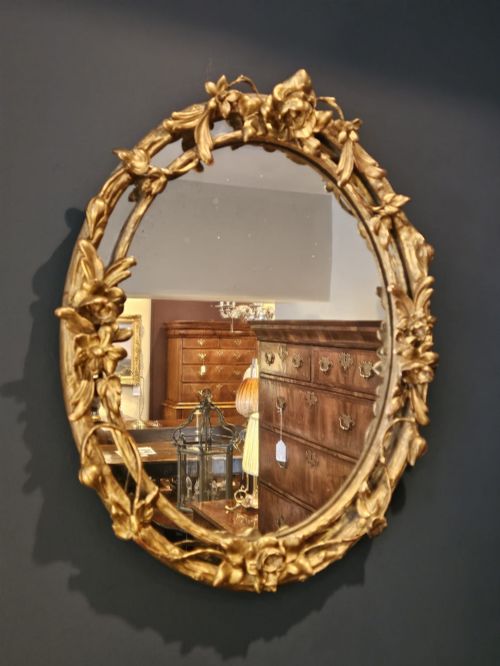
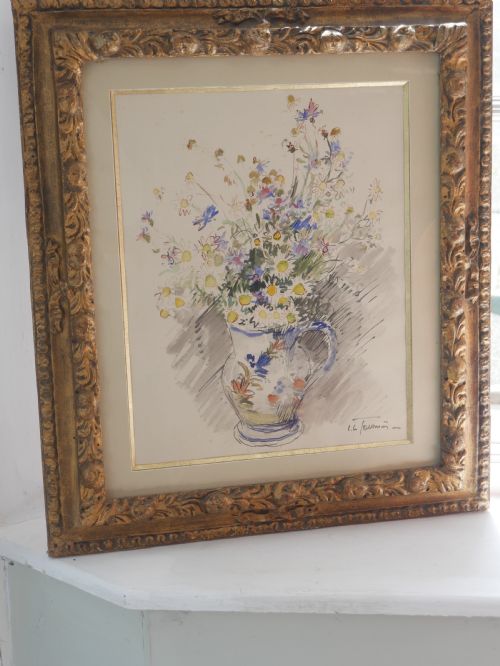
These botanical carved frame examples bring organic form and floral detail directly to your walls through rich woodwork and natural motifs.
Botanical Carved Frame
A botanical carved frame brings together wooden craftsmanship and natural floral or foliate motifs, appearing across periods from the Georgian era through to the mid-twentieth century. When searching for a botanical carved frame, buyers encounter diverse forms including picture frames, mirror surrounds, and carved wooden panels.
The selections on this page span several distinct eras, incorporating Victorian rose vine carvings, Kashmiri walnut work, and Arts and Crafts oak designs. Alongside these dedicated surrounds, the category embraces related wooden forms and paintings featuring floral subjects.
Most pieces date from the nineteenth and twentieth centuries, utilising traditional timbers shaped to echo botanical themes. The variety ranges from grand overmantel mirrors to intimate picture frames and architectural panels.
Materials and construction methods
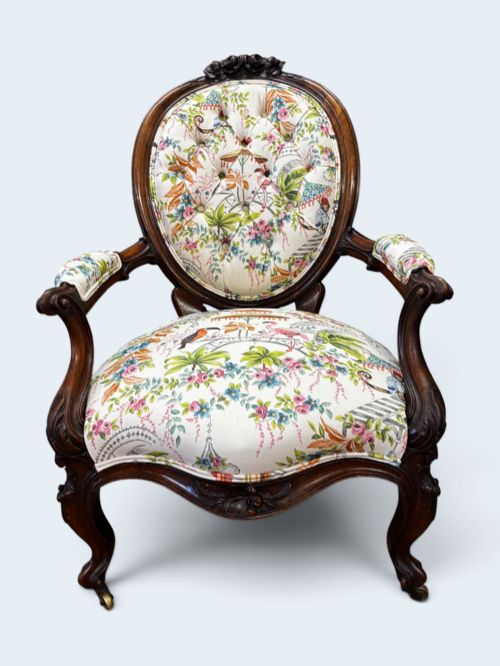
These pieces rely on traditional timbers such as mahogany, walnut, oak, pine, and hardwood, chosen for their grain and stability. Carvers shaped these materials by hand to render intricate foliage, vines, and water plants.
Giltwood and applied gilt finishes frequently highlight the carved wooden details, catching the light across Victorian and Georgian examples. Glass and oil paint also appear where frames accompany mirrors or paintings within the broader selection.
Parrots and perruces occasionally keep watch from the foliage alongside roses and water plants.
Judging quality in carved woodwork
Quality rests primarily in the depth, precision, and confidence of the carving itself. Crisp undercut leaves and fluid vine tendrils demonstrate superior handwork compared to softer, shallower impressions.
The choice and preparation of the timber equally dictate distinction. Finer examples display harmonious grain patterns that complement the naturalistic subject matter without distraction.
The Botanical Carved Frame Glossary
- Giltwood
- Wood that has been coated with a thin layer of gold leaf or gilt paint. This finish enhances decorative carvings by reflecting light.
- Walnut
- A dense, dark timber prized for rich grain and stability. It allows for sharp detail in intricate nineteenth-century carvings.
- Overmantel
- A large mirror or frame designed to be hung specifically above a fireplace mantel. These pieces often feature substantial proportions and elaborate framing.
- Arts and Crafts
- A design movement valuing handcraftsmanship and simple, natural materials. Pieces from this tradition emphasise honest construction over machine finish.
Botanical Carved Frame: Frequently Asked Questions
What periods do these frames represent?
The pieces span several centuries, with particular representation from the Georgian, Victorian, and Arts and Crafts periods.
Later examples extend into the mid-twentieth century, showing how naturalistic carving endured across generations.
Where were these wooden pieces made?
Origin points vary widely, encompassing British workshops alongside continental European and Kashmiri traditions.
Each region brought distinct native timbers and regional carving techniques to the botanical theme.
How do I style a carved wooden frame?
These frames suit both traditional interiors and modern spaces needing a touch of organic texture. Hang them as standalone wall art or pair them with botanical prints.
The rich wood tones and floral motifs integrate naturally with plant-filled rooms and neutral walls.
What woods are most common?
Walnut, mahogany, oak, and pine form the primary structural materials across the selection. Hardwood panels and giltwood accents also feature prominently.
Each timber offers a different weight and grain pattern that influences the final appearance of the carving.