


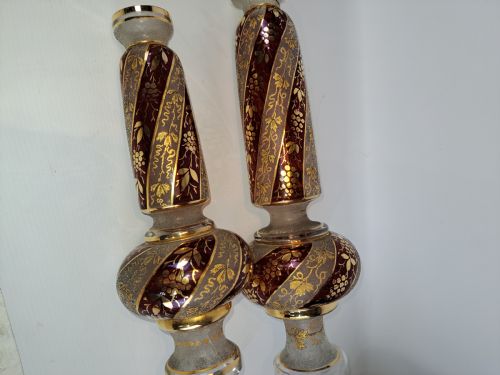


Bohemian Ruby Glass
Bohemian ruby glass brings deep red brilliance and intricate craftsmanship to Victorian interiors, offering rich colour and historic character.
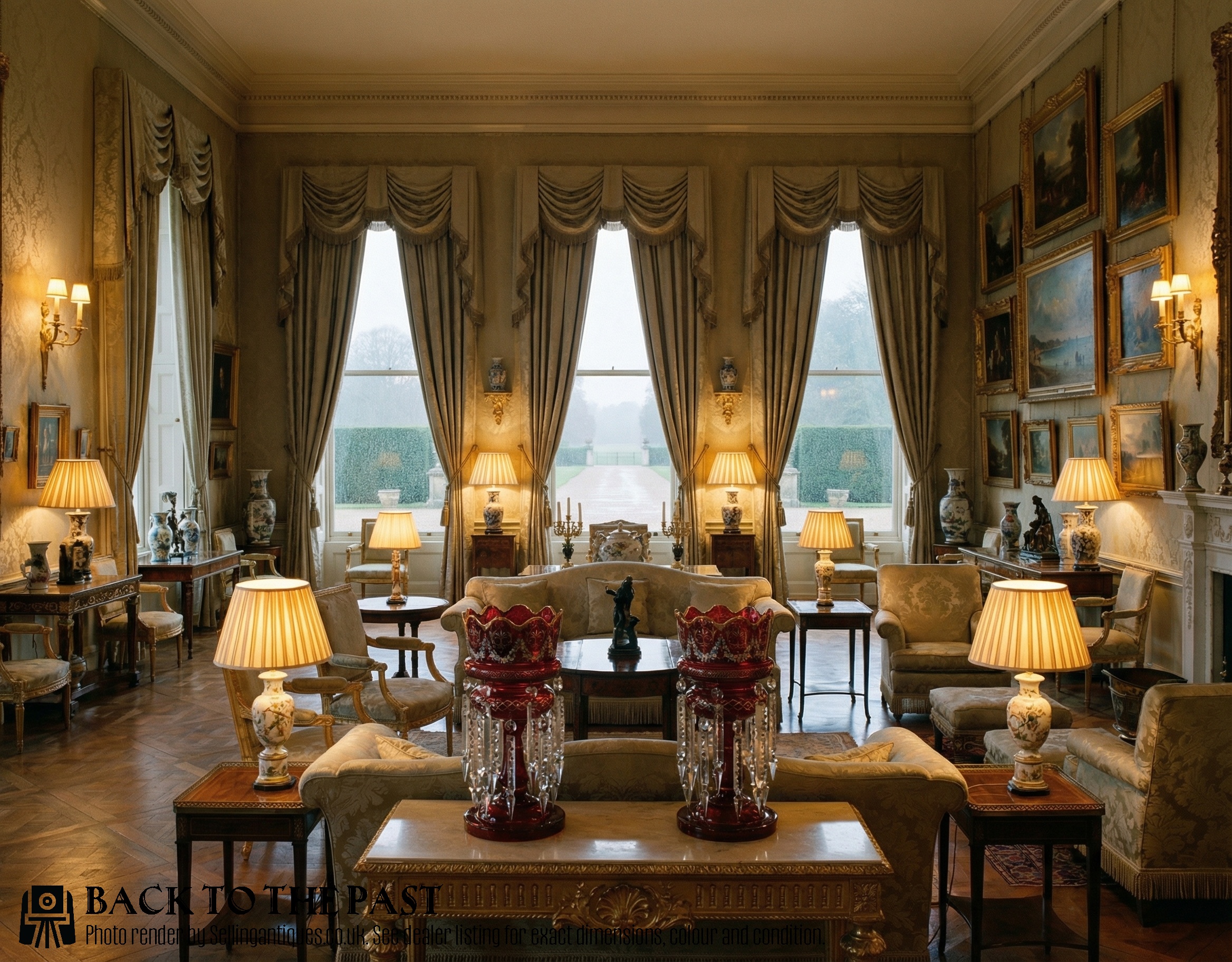
What bohemian ruby glass is
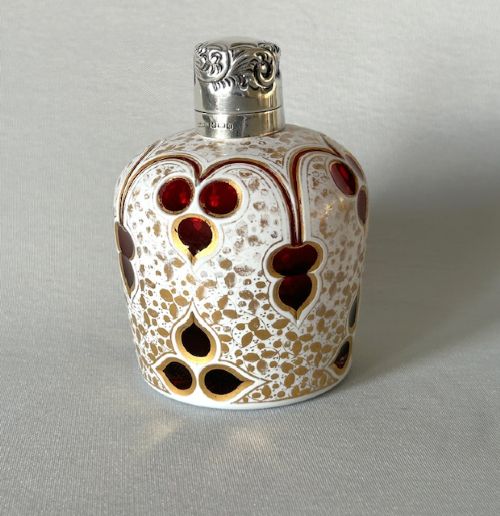
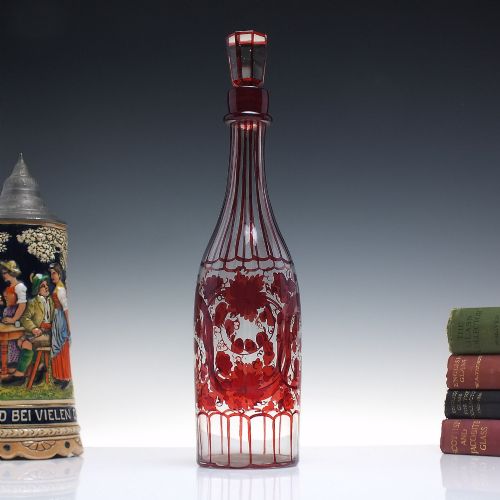
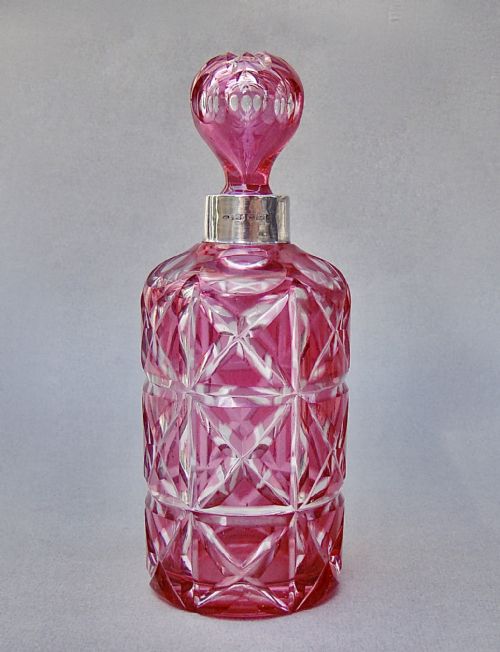
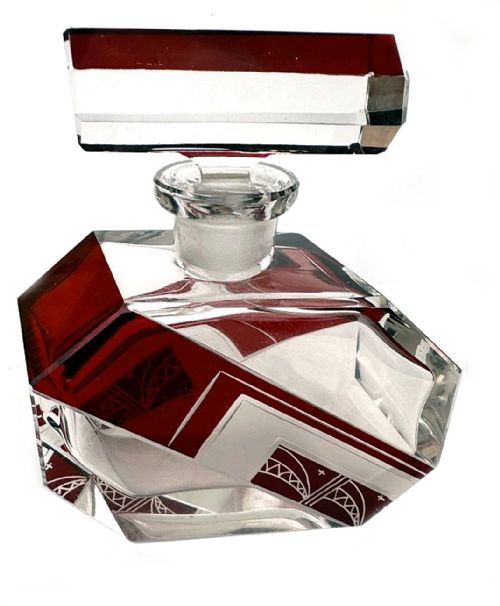
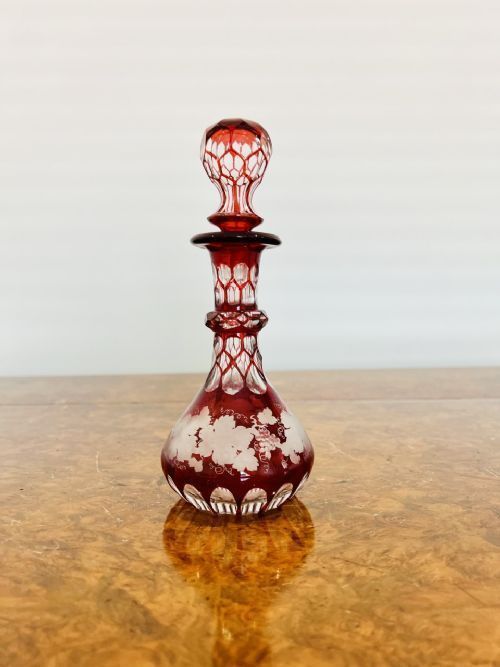
When you search for bohemian ruby glass, you encounter a distinct category of decorative glassware spanning the Victorian era and the eighteenth century. These pieces range from mantel lustres and vases to decanters, scent bottles, and stemware, showcasing the striking deep red colour characteristic of the region.
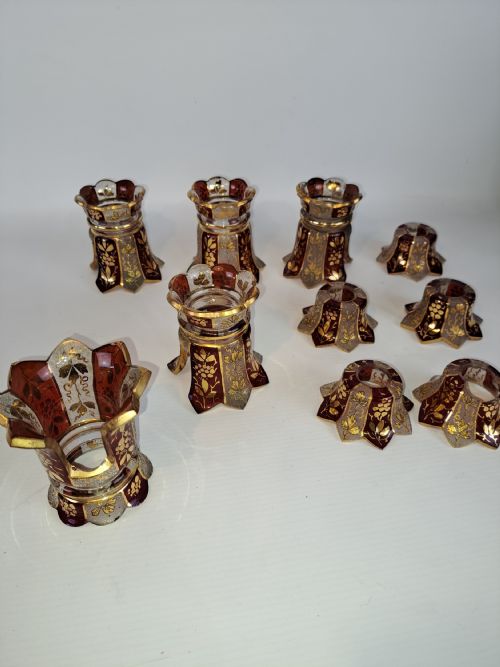
The selection here most frequently includes Victorian items such as ruby lustres, vases, and small vessels, often featuring intricate gilding, enamel work, or cut glass details. Collectors appreciate these objects for their vibrant hue and the skillful surface decoration applied by period artisans.
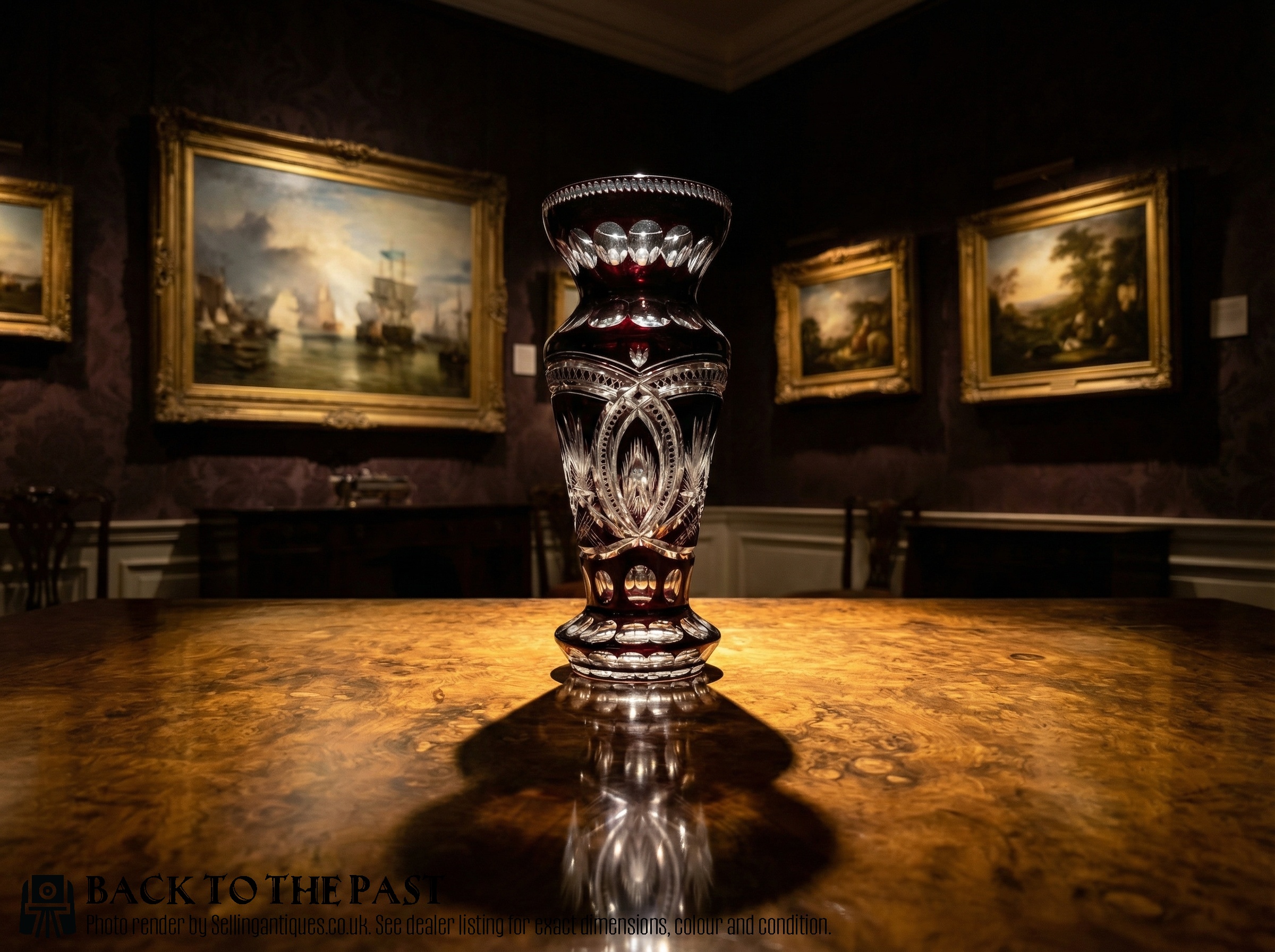
How they were made
The creation of these items involved melting glass with metallic oxides, such as gold, to achieve the signature deep ruby tone. Makers frequently utilised overlay or cased techniques, layering ruby glass over clear or white glass before cutting through the top layer to reveal the contrasting colour beneath.
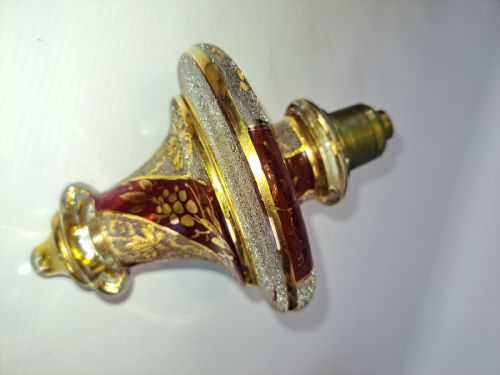
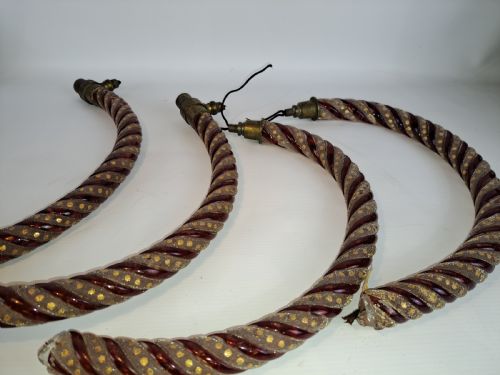
Surface ornamentation involved hand-gilding with gold leaf, detailed enamelling, and precision engraving or etching. Additional components like brass fittings, crystal drops, or silver mounts were integrated into more complex forms such as mantel lustres and scent bottles.
Retail Price Guide 2026
Typical UK retail prices for bohemian ruby glass, calculated from the Sellingantiques database of over a million retail prices indexed since 2003. This retail price guide relies exclusively on Sellingantiques data; no external sources or auction records are used, so the figures do not describe the wider market.
Victorian mantel lustres were designed to catch the gloomiest London fog and turn it into festive interior sparkle.
What varies in quality
The distinction between ordinary and exceptional pieces lies in the crispness of the cut glass and the delicacy of the etching or engraving. Superior examples display sharply defined facets through flash-cut layers and finely rendered motifs rather than heavy or blurred surface decoration.
The preservation of original gilding and enamel work heavily influences the standing of a piece. Finer items retain their bright gold leaf and intricate painted details intact, whereas lesser examples show significant rubbing and loss to the decorative surface.
Moser
The Bohemian Ruby Glass Glossary
- Flash glass
- A thin layer of coloured glass fused over a thicker base of clear or contrasting glass. This technique allowed artisans to cut through the outer ruby layer to expose the clear material underneath.
- Mantel lustre
- A decorative ornamental vase hung with long crystal pendants, designed to sit on a fireplace mantel. These pieces reflect candlelight and daylight through their dangling prisms.
- Tazza
- A small shallow cup or bowl raised on a stem and foot, used for display or serving. Antique examples in ruby glass highlight the form through coloured bowls and gilded stems.
- Enamel
- An opaque glassy substance applied to the surface of the glass for decorative painting. Artisans used coloured enamels to add floral or figurative scenes to vases and scent bottles.
Frequently Asked Questions
What is bohemian ruby glass?
It is decorative glassware produced primarily in Bohemia during the nineteenth century, known for its deep red colour created using metallic oxide.
These pieces encompass a wide variety of functional and ornamental objects, from decanters and wine glasses to mantel lustres and scent bottles.
Were ruby glass lustres used for lighting?
Mantel lustres served mainly as decorative mantelpiece ornaments rather than functional light sources.
Their hanging crystal prisms caught and refracted ambient light in Victorian parlours, adding visual sparkle to the room.
How should I clean antique ruby glass?
Cleaning requires gentle handling with lukewarm water and mild soap, avoiding harsh scrubbing that can damage delicate gilding and enamel.
Care must be taken around applied gold leaf and crystal pendants, which should be dried individually to preserve the surface.