




Blue Wool Turkish Rug
A blue wool turkish rug brings deep indigo and azure tones into a room through centuries of Anatolian weaving traditions.
Blue Wool Turkish Rug
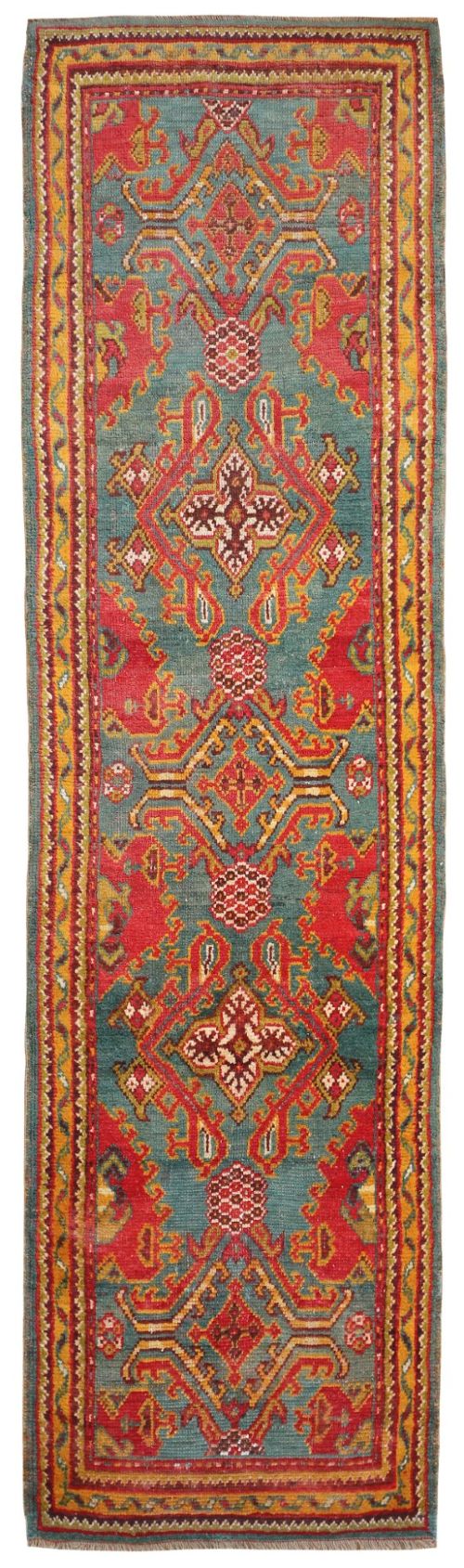
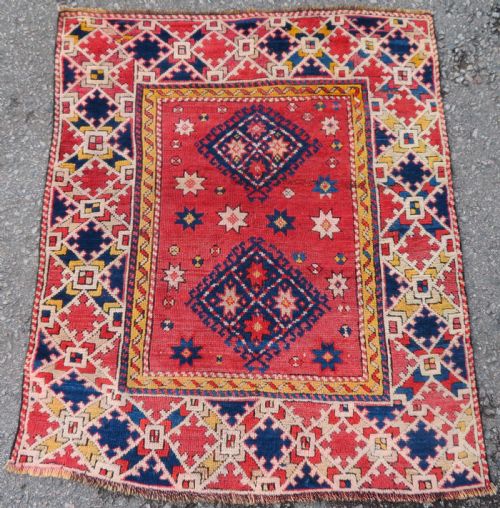
A blue wool turkish rug encompasses floor coverings originating from Anatolia, spanning runner formats, large carpets, and village prayer pieces. The listings show works originating from regional centres such as Ushak, Bergama, Konya, and Ladik, dating from the eighteenth century into the twentieth century. Buyers encounter formats ranging from compact mats to room-sized carpets carrying traditional motifs.
Village and nomadic pieces appear alongside grander court-derived carpets, reflecting diverse tribal traditions across Western and Eastern Anatolia. Common forms include narrow runners for hallways, square prayer rugs with distinctive mihrab designs, and flatwoven kelims. These textiles display palettes dominated by blue grounds paired with contrasting accents of madder red, ivory, and deep yellow.
How They Were Made
Weavers constructed these textiles using natural wool, hand-spun wool, cotton, and occasional angora wool fibres, knotted onto sturdy foundation warps and wefts. Artisans dyed yarns using natural plant and insect extracts, yielding rich indigo blues and subtle tonal variations across the pile. Pile carpets utilise hand-knotting techniques, while flatwoven kelims employ slit-tapestry weaving methods.
Structural variations include rugs woven in separate sections and joined later, as seen in certain regional kelims, alongside single-piece format carpets. The density of the knotting and the preparation of the fleece determine the weight and drape of the finished textile. Edge finishes typically involve overcast selvedges and knotted fringe ends secured by plain-weave bands.
Some nineteenth-century village weavers cleverly hid tiny personal amulets woven directly into the hidden corner warps.
What Varies In Quality
The quality of a blue wool turkish rug depends upon the saturation and depth of the indigo dye, alongside the fineness of the knot count per square centimetre. Superior examples display balanced symmetry in medallion and star patterns, demonstrating careful planning by the weaver. Material purity also dictates longevity, with hand-spun wool offering greater resilience against wear.
Structural integrity alters the assessment of an antique textile, distinguishing intact carpets from heavily worn or distressed fragments. The precision of the drawing in geometric or floral borders indicates the skill level of the regional workshop or village weaver. Age alone does not determine merit; composition, proportion, and dye stability remain the primary markers of distinction.
The Blue Wool Turkish Rug Glossary
- Mihrab
- The arched niche design found on prayer rugs, symbolising a doorway to paradise. This architectural motif directs the orientation of the textile during daily devotional use.
- Kelim
- A flatwoven textile produced without a pile by tightly interweaving warp and weft threads. These pieces often feature sharp geometric patterns resulting from the slit-tapestry technique.
- Warp
- The vertical threads stretched tightly on the loom that form the structural foundation of a pile rug. Fringe ends typically consist of the extended warp threads.
- Weft
- The horizontal threads passed back and forth through the warp to secure the knots in place. Sound weft construction ensures the stability of the rug body.
- Medonation
- A central ornamental design motif placed in the field of a carpet, frequently taking star, diamond, or lobed medallion shapes. Ushak and Oushak carpets frequently employ prominent central medallions.
Blue Wool Turkish Rug: Frequently Asked Questions
How do I clean an antique rug?
Professional dusting and gentle surface cleaning preserve the natural wool pile and plant-based dyes found in older textiles.
Immersion washing should be left to specialists who understand historic Anatolian fabric structures.
Are these rugs suitable for hallways?
Narrow runner formats and long village carpets function effectively in corridors and high-traffic areas.
Placing a suitable underlay beneath the textile prevents slipping and reduces friction against the floorboards.
How do I identify an Ushak carpet?
Ushak carpets typically feature large-scale floral or geometric medallion layouts executed in softer, luminous colour palettes.
Weavers in the western Anatolian region favoured a looser knotting structure and lustrous wool.
What is a prayer rug used for?
Prayer rugs were traditionally utilised for individual daily Islamic devotions, featuring a distinct pointed arch motif.
Collectors appreciate these compact pieces for their symbolic designs and portable format.