



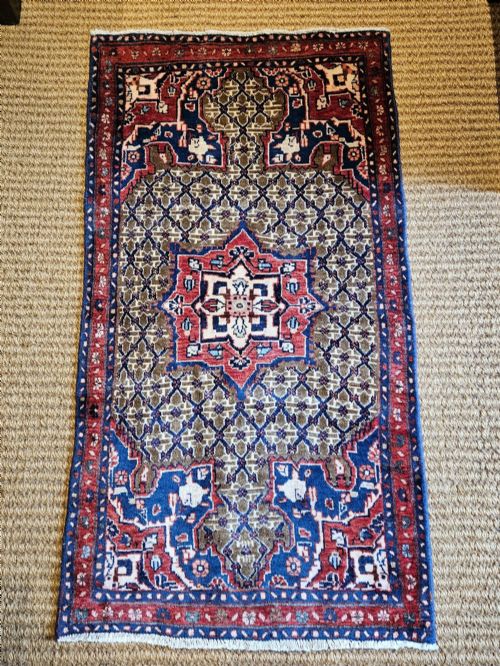
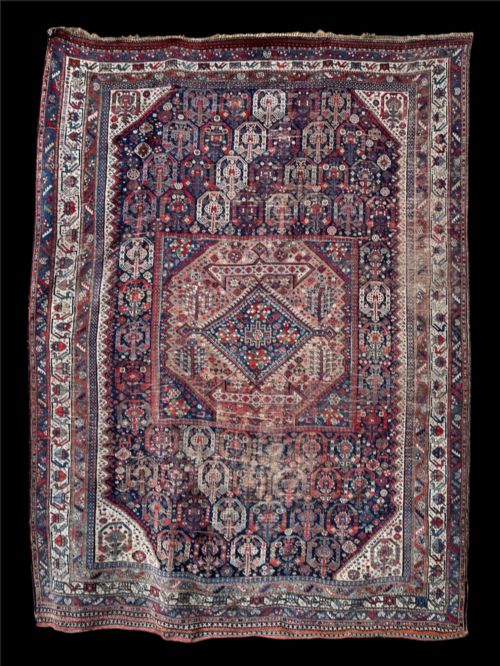
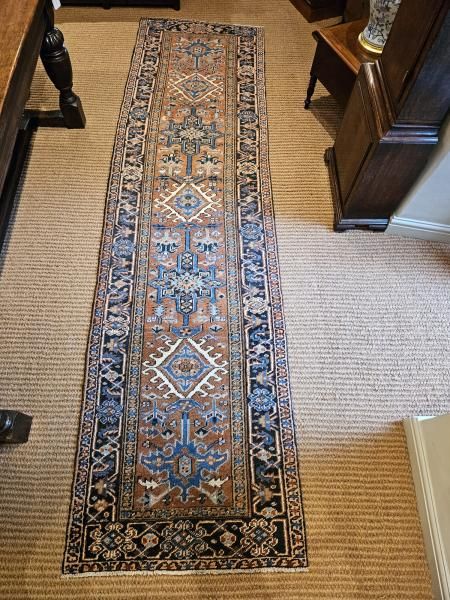
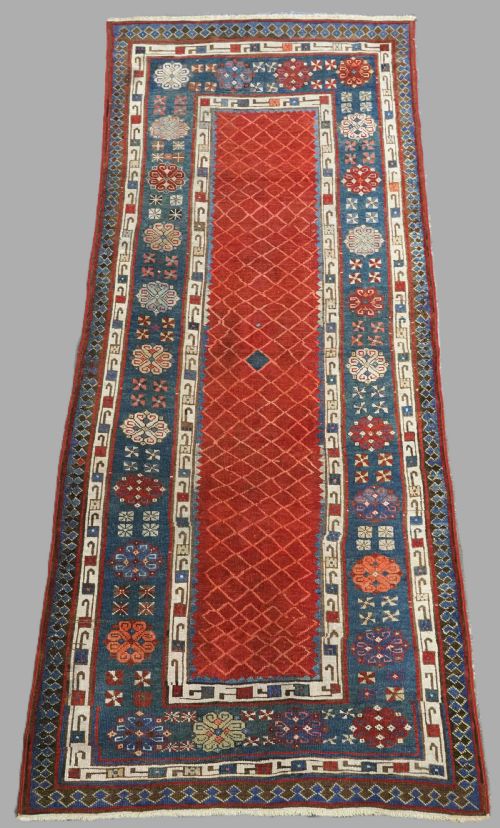
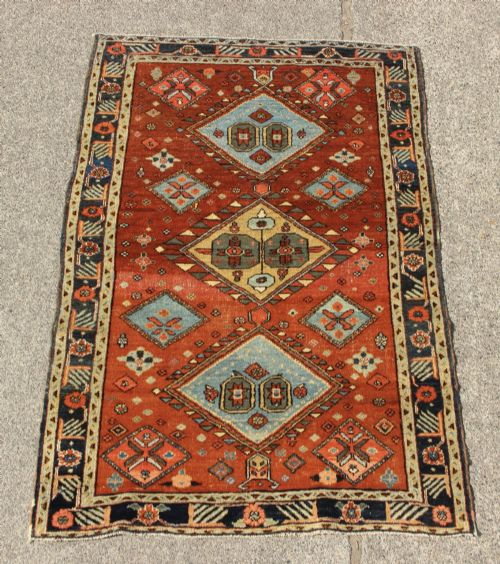
Blue Wool Tribal Runner
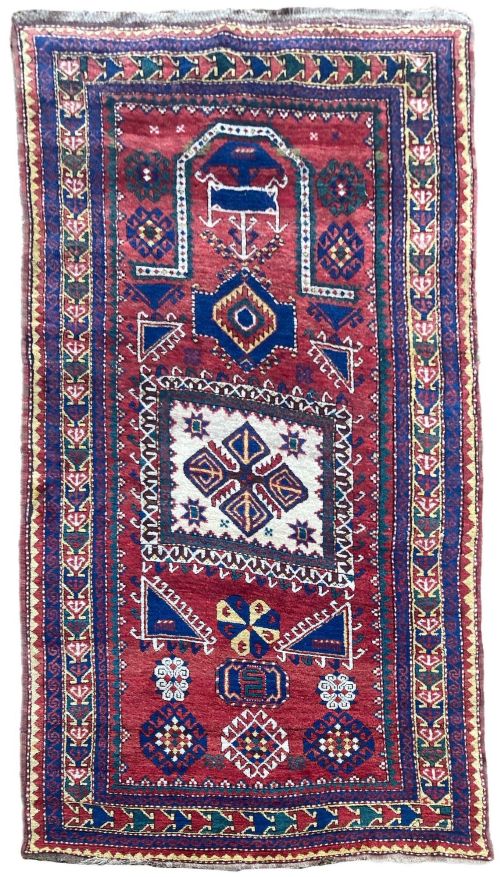
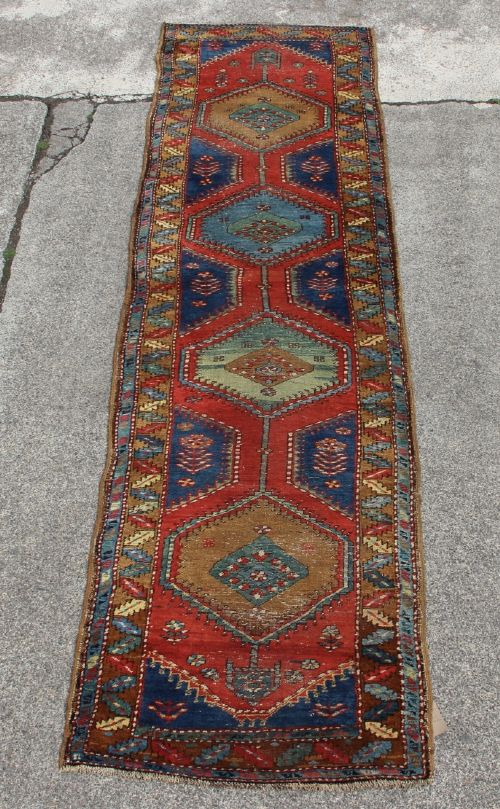
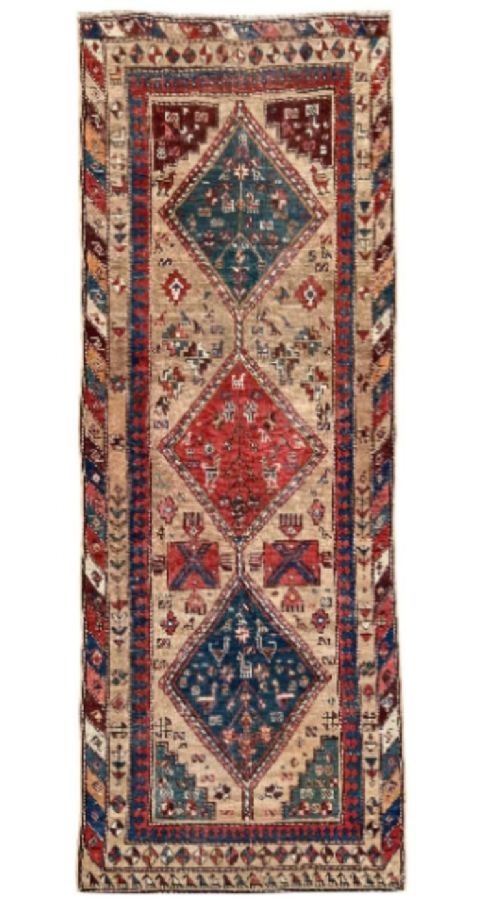
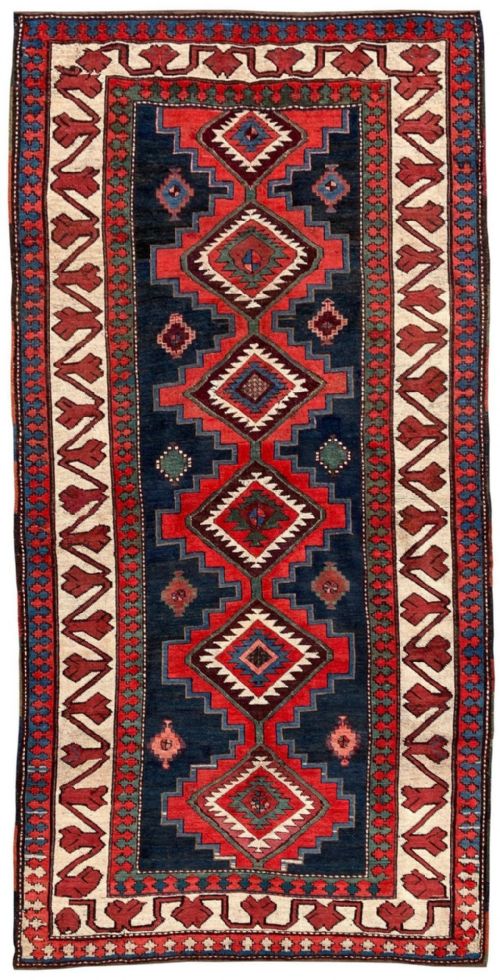
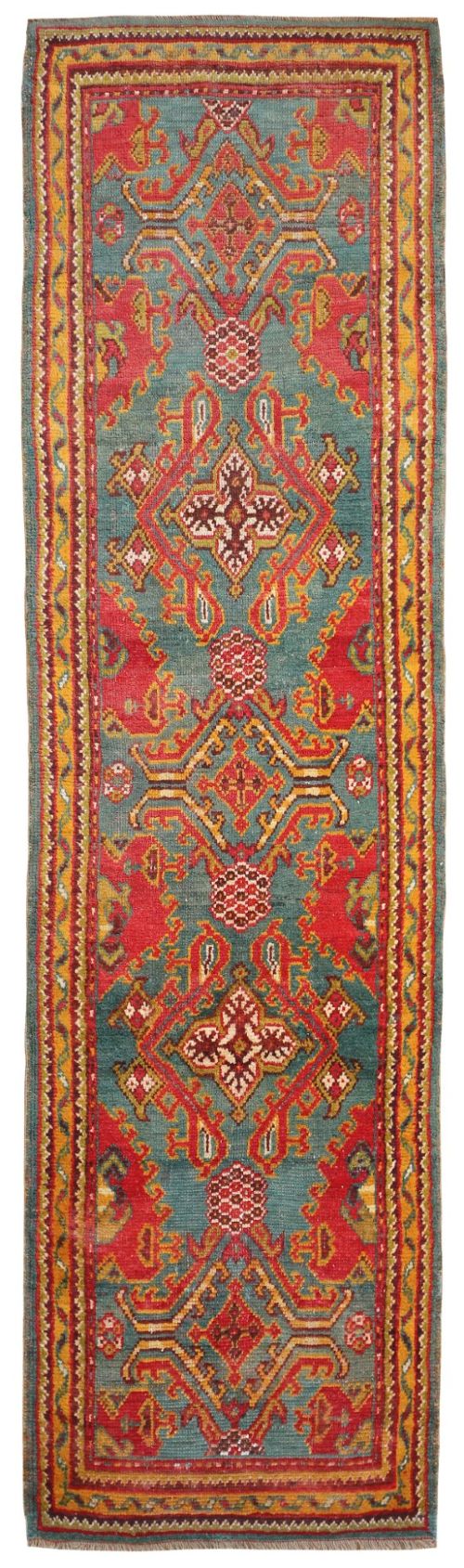
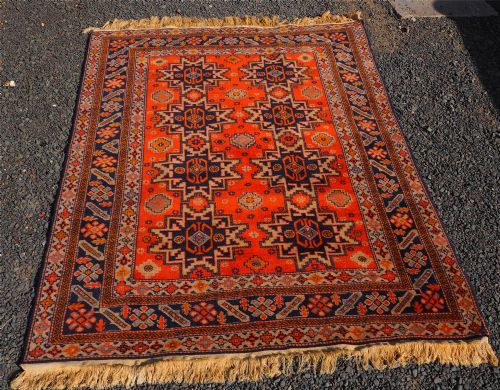
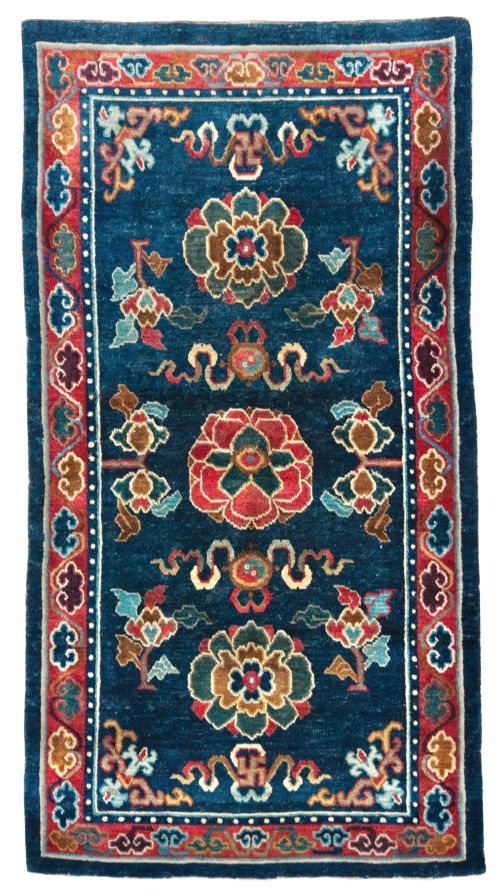
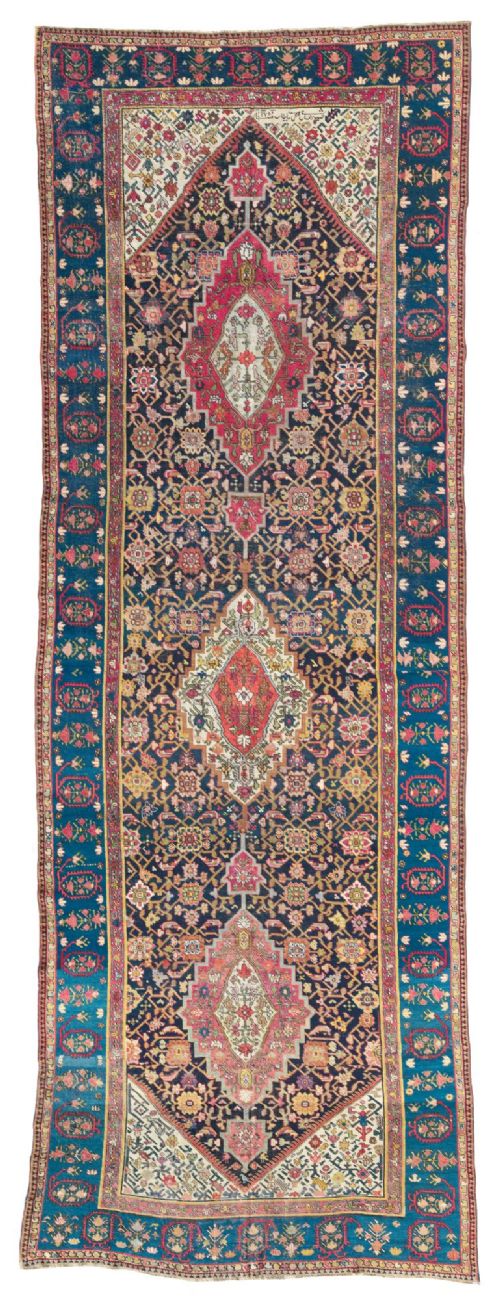
A blue wool tribal runner brings tactile depth and geometric warmth to a hallway, woven by hand across nineteenth and early twentieth century communities.
Blue Wool Tribal Runner
A blue wool tribal runner provides a narrow, elongated format suited to corridors and long spaces, drawing the eye along intricate field patterns. When searching for a blue wool tribal runner, buyers encounter hand-knotted pieces originating from Persian, Caucasian, Anatolian, and Kurdish weaving traditions dating from the mid-nineteenth century into the 1930s.
These floor coverings utilise wool foundations and piles, often dyed with natural pigments that yield shifting tones of indigo and navy across the surface. Regional workshops and nomadic groups structured their designs around geometric medallions, lattice motifs, and stylized flora rather than strict symmetry.
The format varies from compact hallway lengths to more substantial gallery runners, spanning periods such as the 1880s, 1900s, and 1920s. Each example reflects the distinct aesthetic vocabulary of its specific tribal origin, whether from the Caucasus, Northwest Persia, or Anatolia.
How they were made
Weavers constructed these long carpets using hand-spun wool for both the pile and the underlying warp and weft threads. This organic material provides resilience and a soft handle that responds well to traditional floor placement.
Makers employed natural dyes to achieve rich indigo blues and contrasting secondary hues, applying vegetable and insect colourants that mellow gradually over decades of exposure and use. Artisans knotted the wool by hand onto upright looms, tying symmetrical or asymmetrical knots to secure the dense pile.
Listings feature wool pieces dated from 1850 through the 1930s, encompassing Persian, Caucasian, Anatolian, and Kurdish tribal origins.
What varies in quality
Knot density and structural tightness dictate the crispness of the geometric motifs and the longevity of the pile under heavy foot traffic. Finer knotting allows intricate lattice work and sharp linear boundaries to remain legible across the runner length.
The depth and complexity of the natural dye palette determine the visual resonance of the piece, with varied abrash tones indicating shifts in dye batches. Uniformity of the weave edge and the stability of the wool foundation also separate standard utility runners from finer tribal examples.
Bakhtiar weavers·Kazak workshops·Kurdish weavers·Shirvan makers
The Blue Wool Tribal Runner Glossary
- Abrash
- Variations in colour shading across the wool field, caused by changes in dye lots or natural fading over time. This subtle banding is characteristic of hand-dyed tribal rugs.
- Kelleh
- A large, elongated format of carpet traditionally used in Persian interiors, wider than a standard runner but longer than a typical area rug.
- Lattice design
- A repeating network of intersecting lines forming diamond or geometric compartments across the field of the rug. It provides structured geometry to many Caucasian and Kurdish pieces.
- Warp
- The stationary vertical threads stretched tightly on the loom, forming the structural skeleton of the rug. The exposed fringe at either end of the runner consists of these warp threads.
- Weft
- The horizontal threads passed across and interlaced between the warp threads to bind the rows of knots in place. Together with the warp, it forms the foundation grid.
Blue Wool Tribal Runner: Frequently Asked Questions
Where should a runner be placed?
These narrow formats suit hallways, corridors, and bedside areas where floor length is pronounced and foot traffic is steady.
Positioning the piece away from direct, harsh sunlight helps preserve the natural indigo and dark wool dyes over extended years of domestic use.
How do I clean a wool runner?
Regular gentle vacuuming without a rotating brush roll prevents dust and grit from settling deep into the wool pile.
Professional specialist cleaning is recommended for deeper maintenance to protect the natural dyes and hand-spun wool foundation.
How are different regional styles distinguished?
Caucasian pieces tend to display sharp, bold geometric medallions and stark primary palettes, while Persian examples often incorporate more complex floral lattices and curvilinear elements.
Kurdish and Anatolian traditions frequently favour robust tribal motifs and saturated indigo grounds unique to their weaving districts.
Does wool age well?
Hand-spun wool possesses natural lanolin that resists everyday dirt and provides durable elasticity under foot.
As the pile ages, the wool softens and the indigo dyes develop a mellow patina that enhances the character of the textile.