





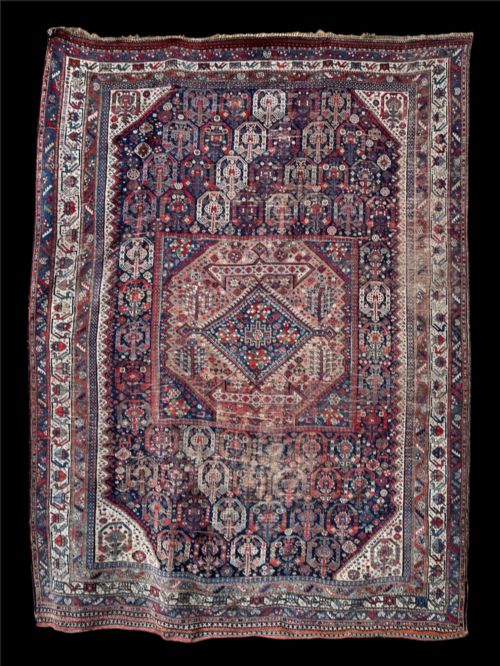
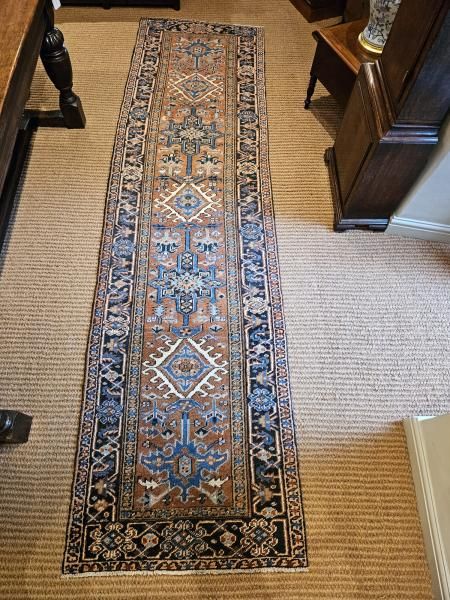
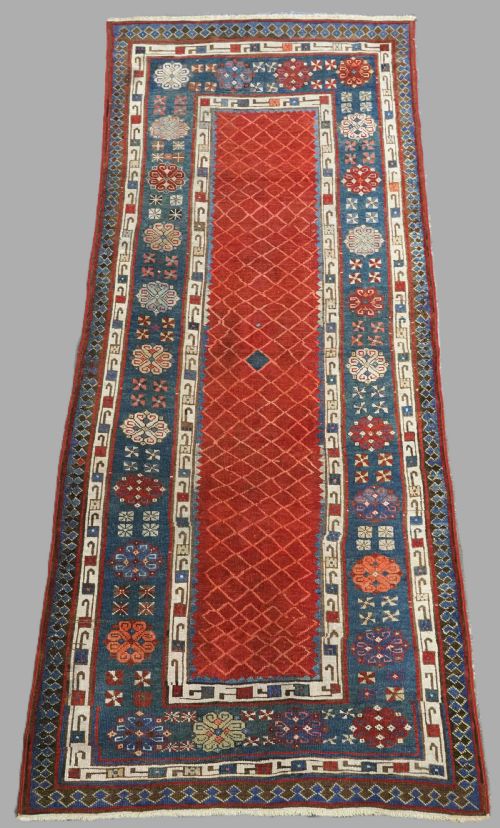
Blue Wool Runner Carpet
A blue wool runner carpet brings narrow spaces alive with rich dye traditions spanning Persian, Caucasian and Tibetan workshops.
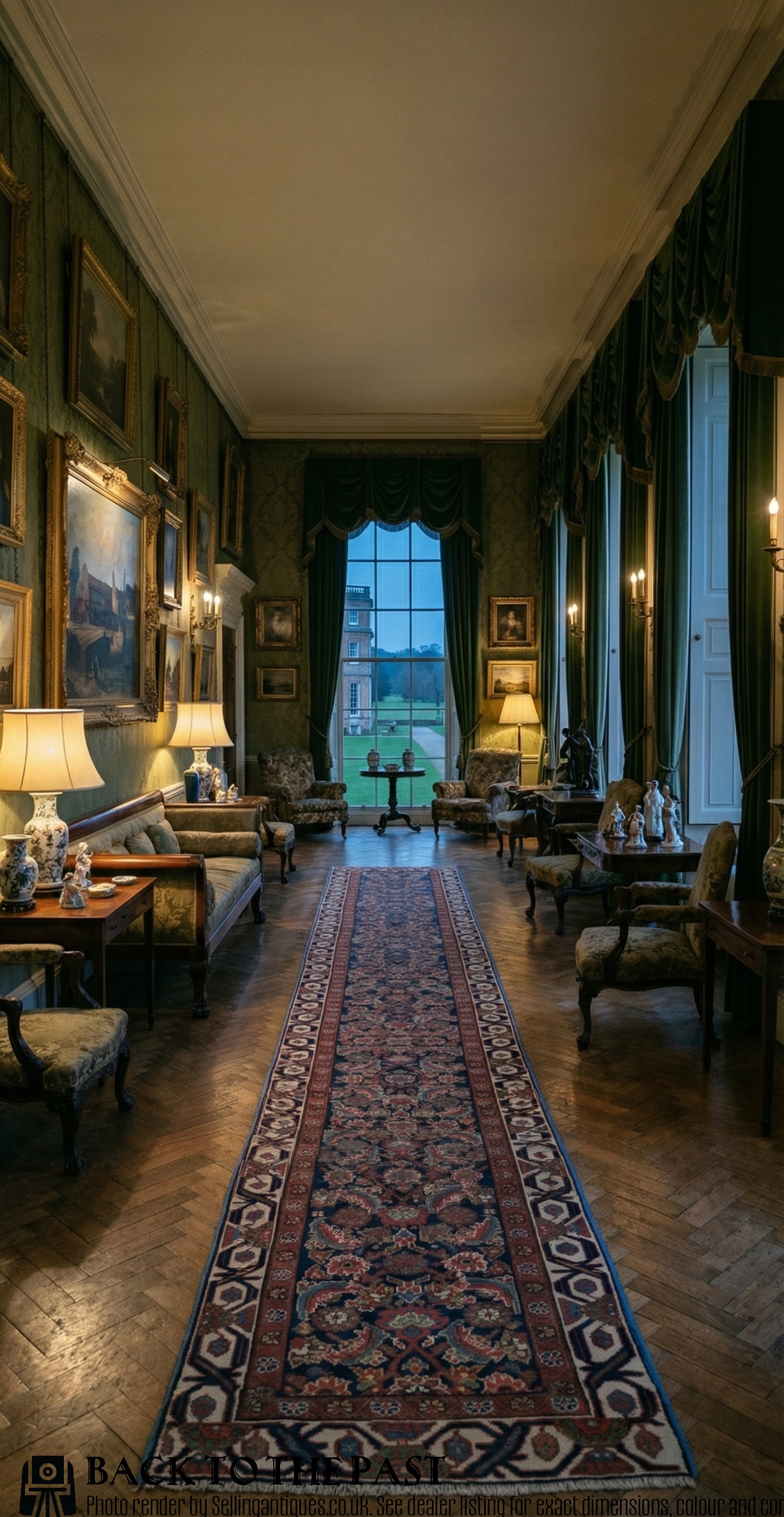
Blue Wool Runner Carpet
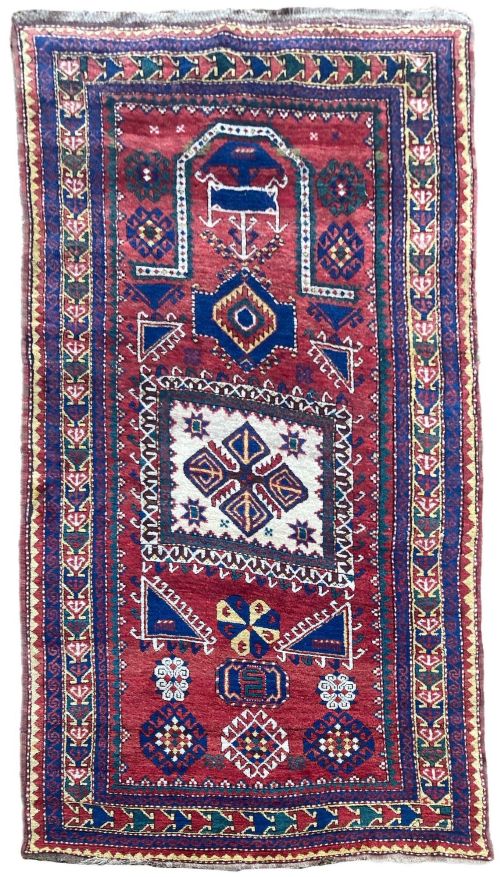
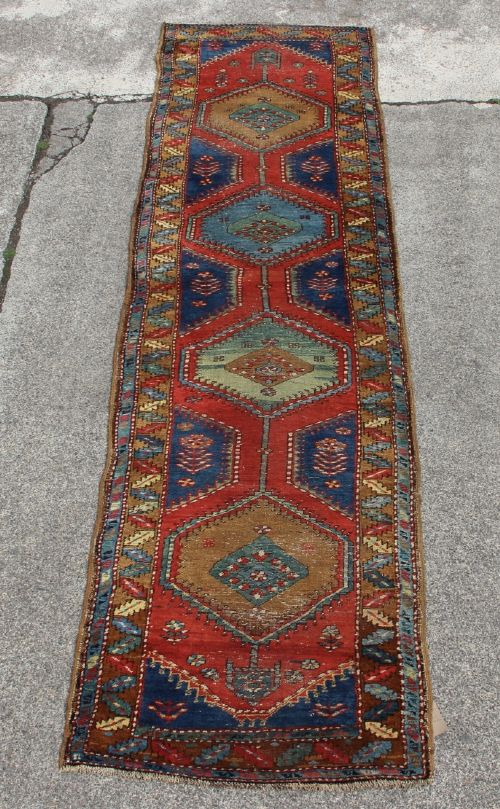
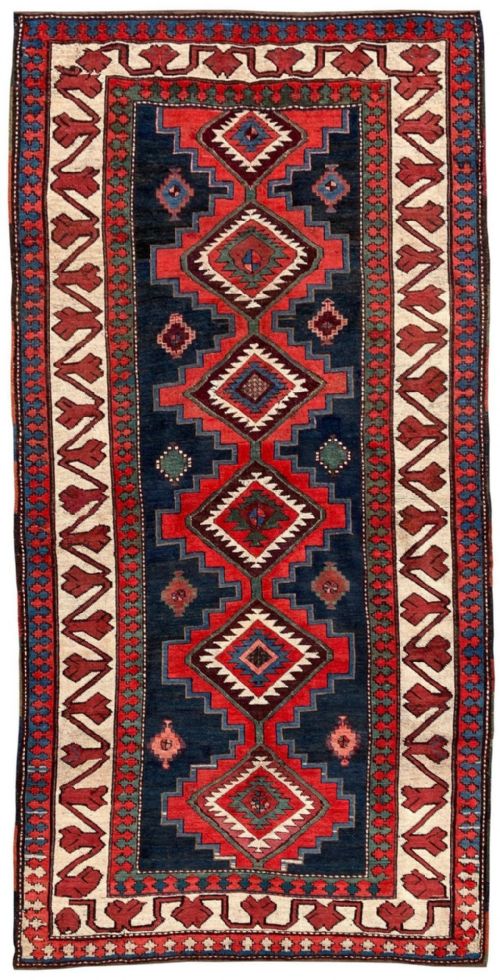
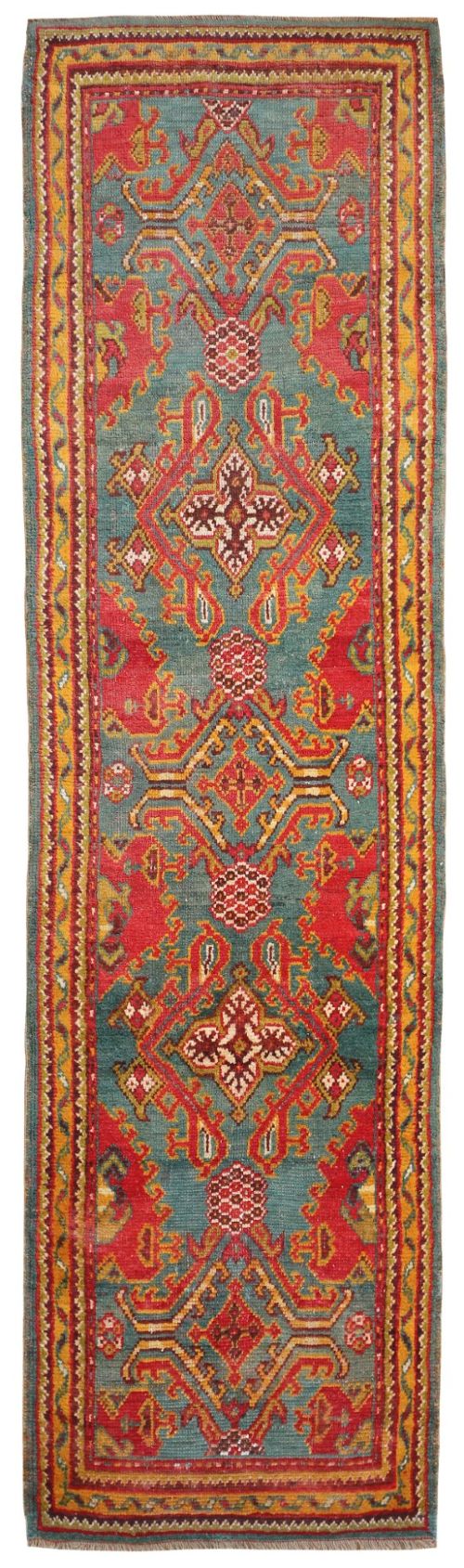
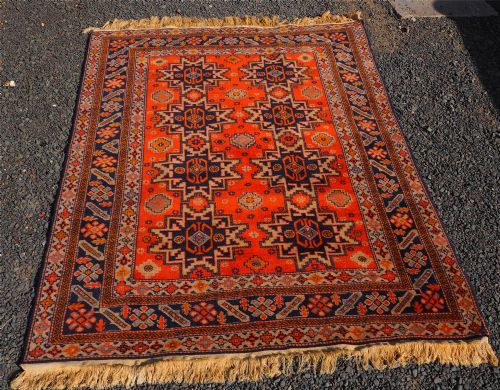
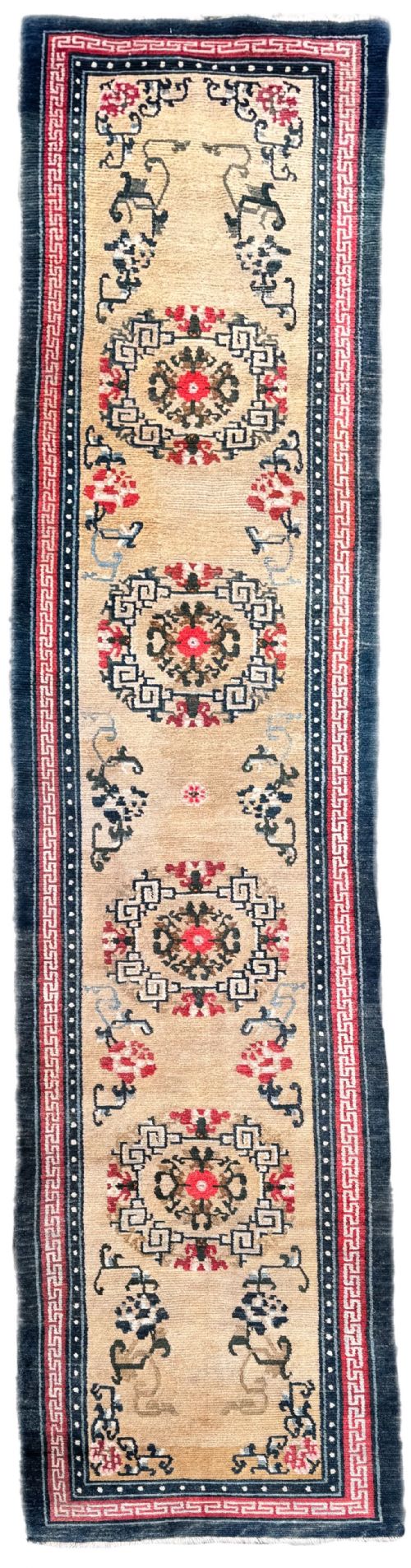
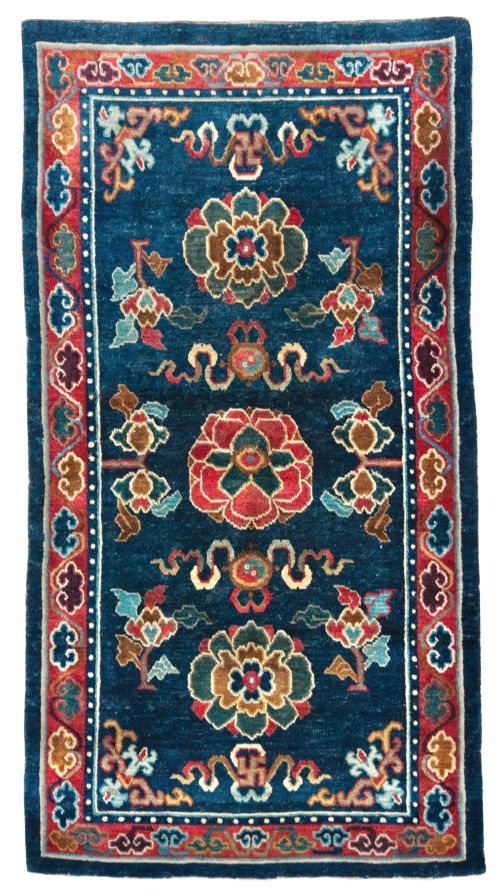
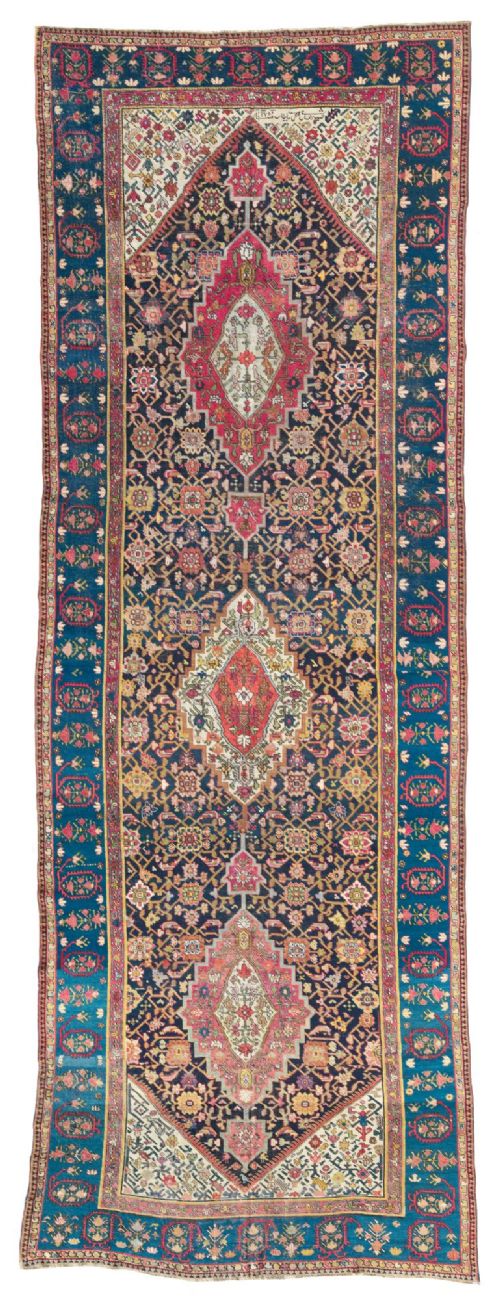
A blue wool runner carpet brings together long format floor coverings designed for corridors, hallways and narrow rooms. The selections span tribal and traditional weaving traditions originating from Persian, Caucasian, Anatolian, Tibetan and Chinese regions. Buyers searching for a blue wool runner carpet encounter pieces shaped by hands across the nineteenth and early twentieth centuries, dating from eighteen fifty through to nineteen thirty.
The inventory demonstrates formats including hallway runners, long runners and narrow carpet lengths. Many examples emerge from specific tribal confederacies and weaving centres such as Ushak, Kazak, Karabagh, Kurdish and Bakhtiar regions. These elongated formats served practical domestic roles in bridging rooms while displaying regional motifs and saturated indigo dyes.
What varies in quality
Quality rests in the precision of the knot density and the clarity of the underlying tribal or geometric design structure. Finer execution in regional pieces yields crisper delineation along medallion outlines and lattice borders.
The depth and saturation of the natural dye palette separates standard examples from superior works. Gradations in indigo tones and the stability of accompanying vegetal colours dictate the visual impact of the runner.
Listings feature runner carpets spanning the nineteenth century through to nineteen thirty, incorporating wool and natural dyes.
The Blue Wool Runner Carpet Glossary
- Runner
- A long, narrow carpet format traditionally utilised in hallways, corridors and staircases. These pieces measure significantly longer than they are wide.
- Pile
- The vertical or diagonal loops of yarn that form the usable surface of the carpet. This soft layer results from knotted wool strands trimmed evenly during production.
- Natural Dyes
- Colourants derived from plants, roots, and insects rather than synthetic chemical processes. These organic sources produce harmonious tones that age with subtle patination.
- Kelleh
- A specific rectangular carpet format that is longer than a standard room-size rug but broader than a narrow hallway runner. It forms a distinct proportion within classical weaving traditions.
- Prayer Rug
- A smaller textile featuring a central niche or mihrab design, traditionally laid upon the floor for directional daily devotions.
Blue Wool Runner Carpet: Frequently Asked Questions
Where should I place a runner?
These narrow formats suit hallways, corridors, entryways and narrow landings where floor coverings soften footfalls and frame architectural pathways.
Their elongated proportions bridge larger rooms while protecting wooden floorboards in high-traffic residential spaces.
How do I clean my wool runner?
Regular gentle vacuuming without a rotating brush roll prevents dust accumulation within the wool pile. Professional specialist cleaning remains essential for addressing deep soil without compromising natural dyes.
Immediate blotting of accidental spills using clean, dry cloths prevents moisture penetration into the hand-spun foundation.
Are these runners made with natural dyes?
Many examples from the nineteenth and early twentieth centuries utilise plant and mineral colourants. Natural dye execution yields varied indigo shades and complex patination over decades of exposure.
Subtle abrash, or tonal shifts within a single colour field, often indicates the use of traditional dyebaths across multiple wool batches.
How do I identify different regional styles?
Regional attribution relies on analysing specific geometric motifs, border arrangements and structural knotting habits. Caucasian pieces often display bold rectilinear medallions, whereas Persian examples favour intricate floral lattices.
Comparing palette choices, such as deep indigo grounds paired with ivory accents, helps distinguish between Kurdish, Kazak and Ushak traditions.