


Vintage Long Runner Rug
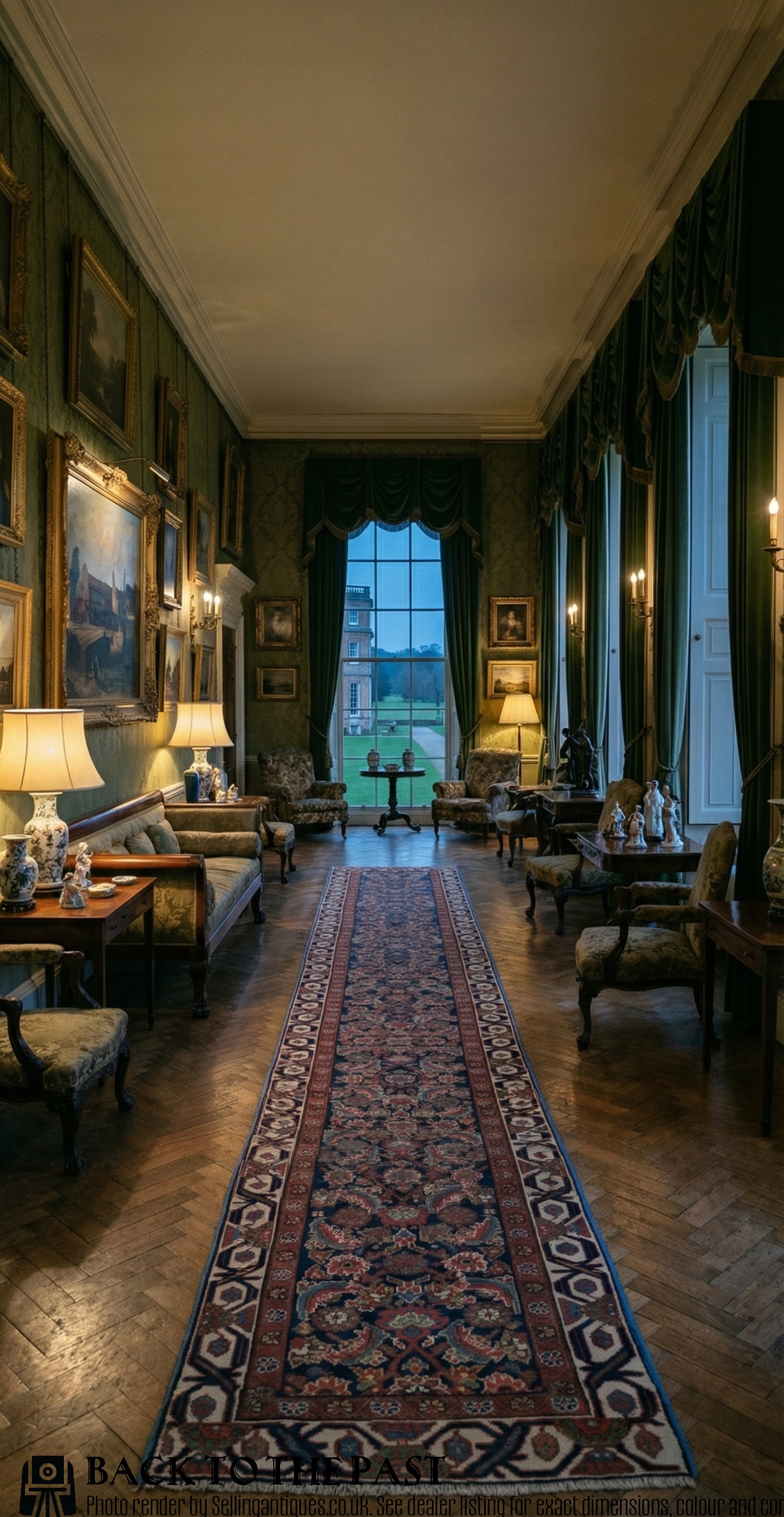
A vintage long runner rug brings narrow spaces alive with history, offering a well-trodden path of wool and dye suited for hallways and landings.
Vintage Long Runner Rug
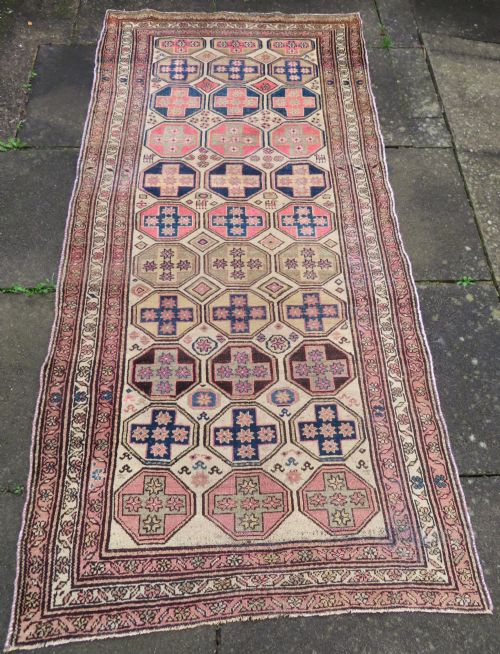
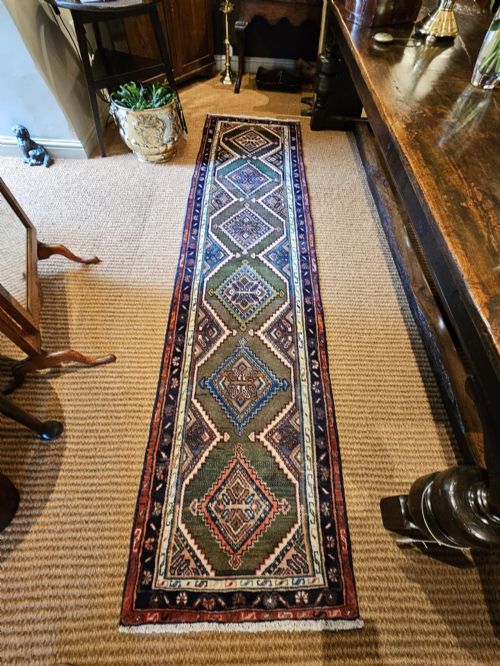
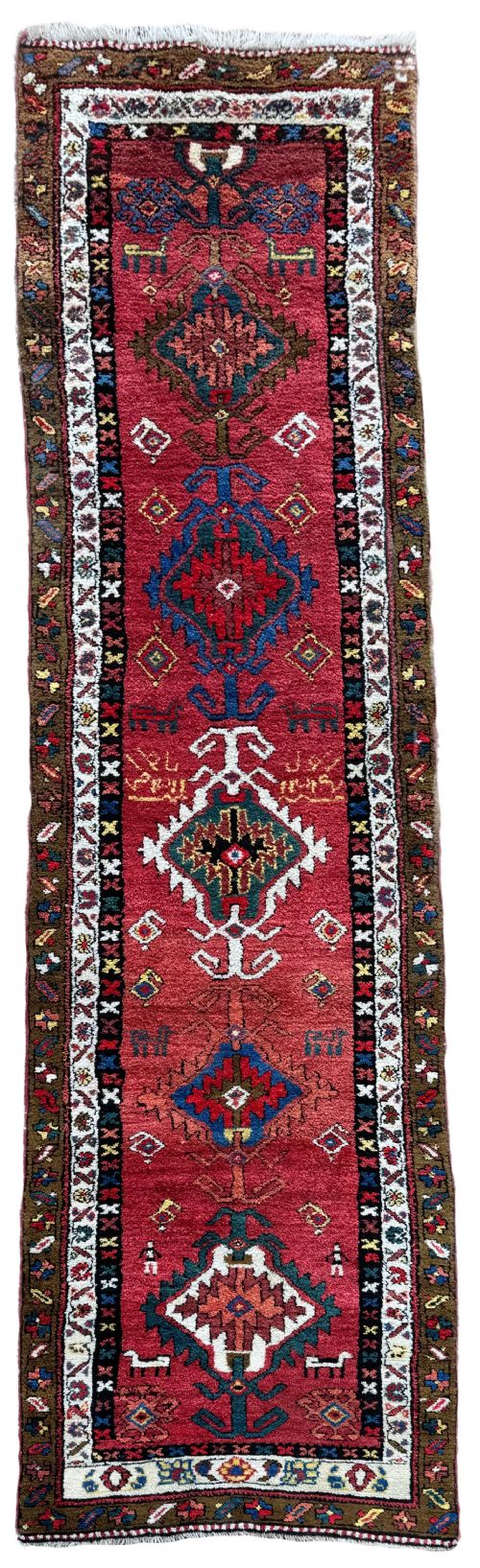
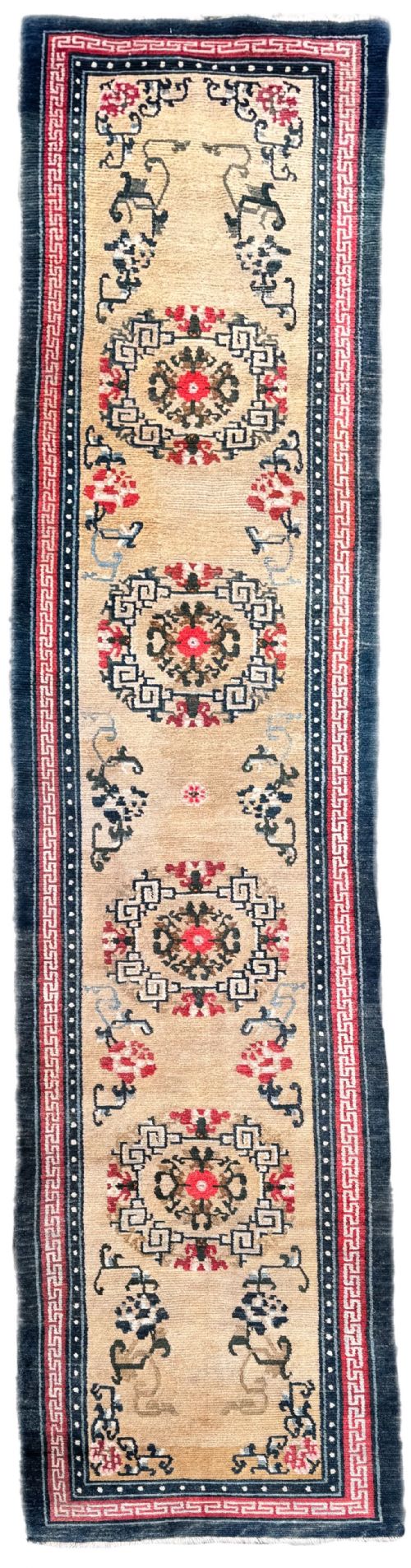
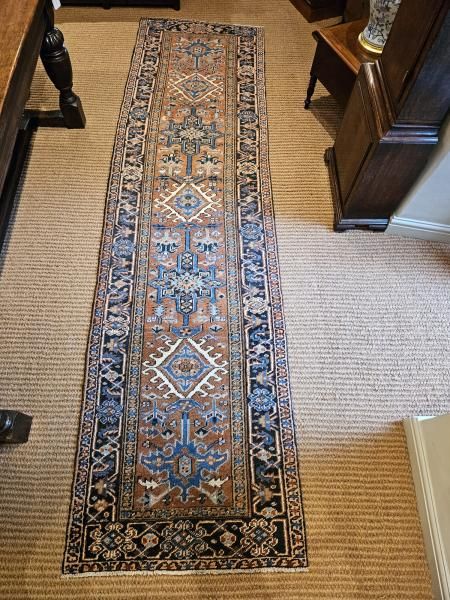
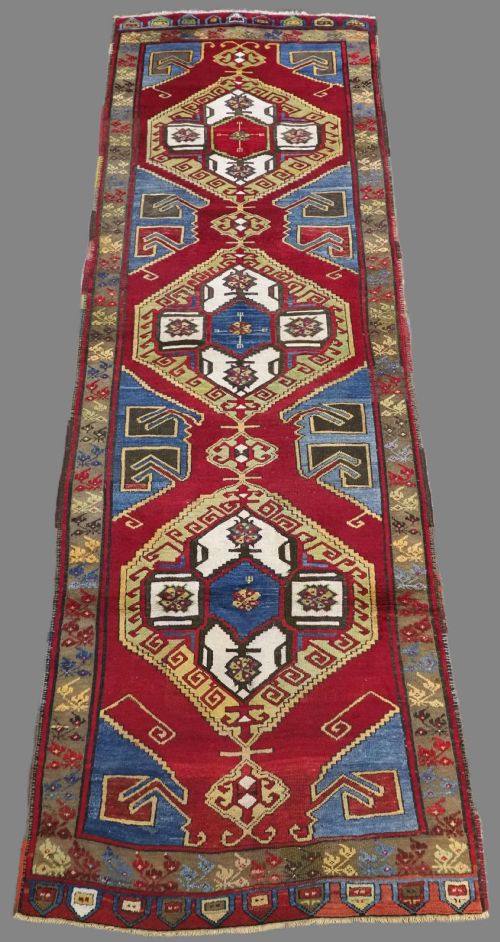
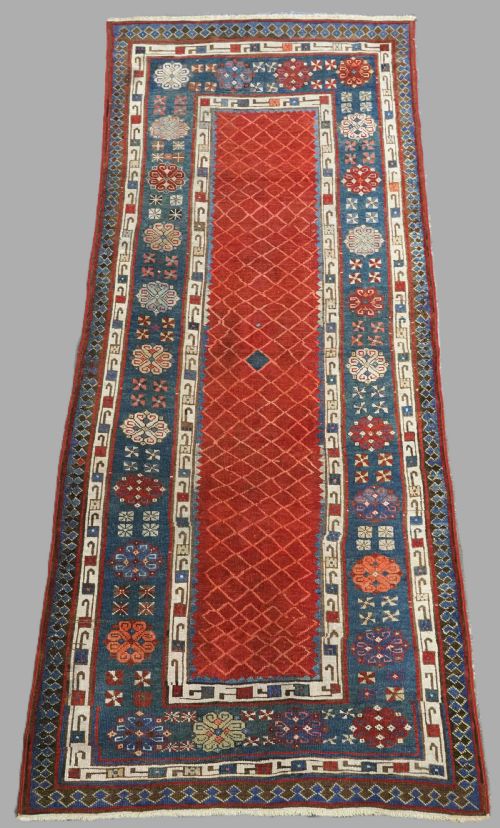
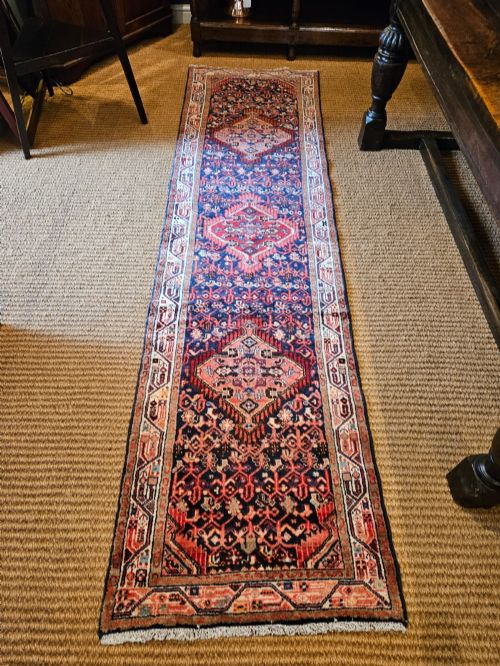
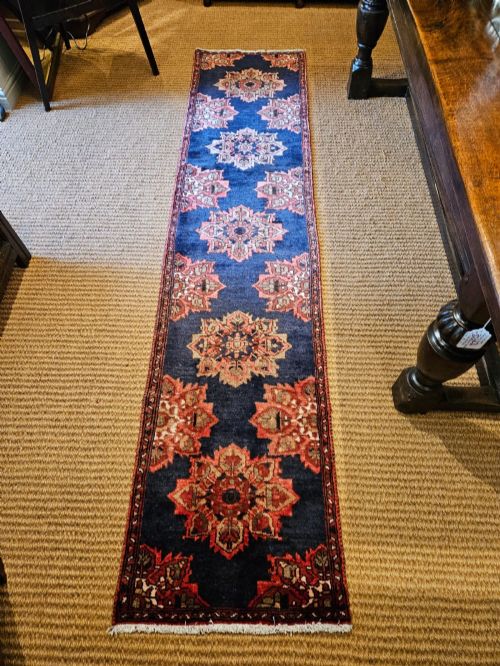
A vintage long runner rug is an elongated textile designed specifically for narrow spaces like corridors, staircases, and long hallways. When exploring this selection, buyers encounter floor coverings originating from various regional traditions including Persian, Anatolian, Caucasian, Kurdish, and Tibetan weaving centres. These pieces span production dates from the nineteenth century through the early decades of the twentieth century.
Materials and construction methods
Construction relies heavily on wool, cotton, and hand-spun wool fibres manipulated through traditional handwoven techniques. Weavers knotted or wove these materials on vertical and horizontal looms, utilising natural dyes derived from plants and minerals to achieve lasting hues.
The foundation structures typically incorporate cotton or wool warps and wefts that support dense pile surfaces. These materials provide the physical durability necessary for high-traffic corridors while allowing the textile to age with a characteristic patina.
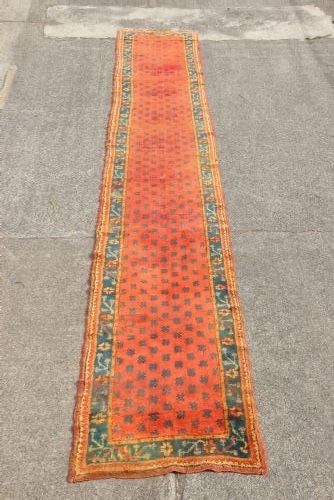
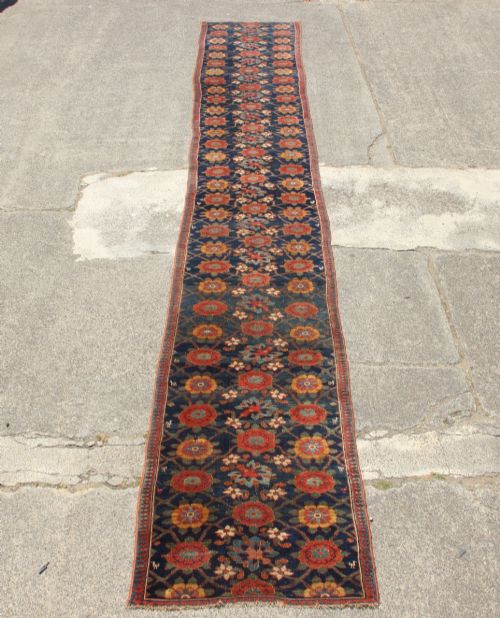
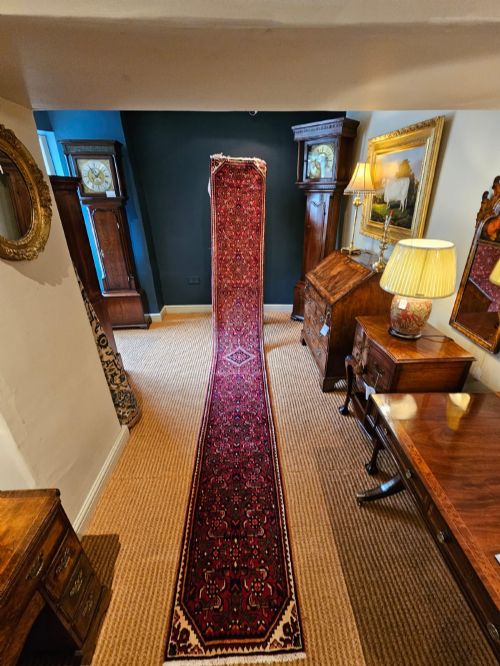
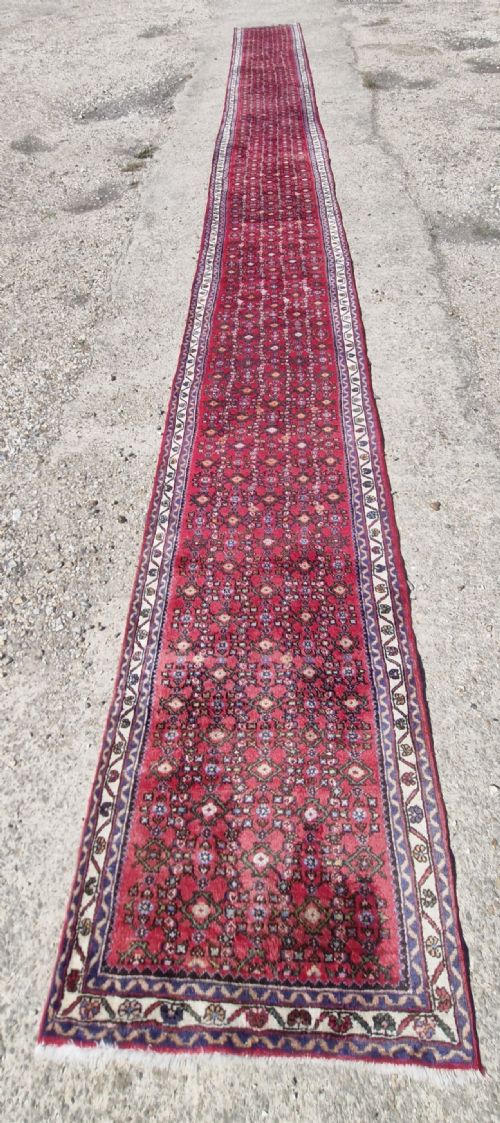
One remarkably long textile stretches an impressive thirty-two feet down the hallway.
Factors determining quality
Quality varies according to the fineness of the knotting, the consistency of the wool, and the complexity of the design layout. Finer foundations and tightly packed pile structures generally indicate greater technical skill during production.
The integrity of the original borders, evenness of wear across the length, and clarity of the natural dye palette separate standard utilitarian examples from more accomplished weaving works.
The Vintage Long Runner Rug Glossary
- Runner
- A long, narrow carpet designed for corridors, hallways, and stairs. Its proportions emphasise length over width to fit restricted floor spaces.
- Pile
- The upright yarn loops or cut ends that form the soft surface of a rug. It provides cushioning and displays the woven pattern.
- Warp
- The stationary vertical threads stretched onto a loom before weaving begins. Weft threads pass through these to secure the knots.
- Weft
- The horizontal threads passed back and forth through the warp threads. This process binds the foundation and locks the pile in place.
- Kelleh
- A large rectangular format of carpet, often longer than it is wide, associated with Persian weaving traditions.
- Patina
- The surface sheen and softening of colour developed through age and use. It indicates natural wear on traditional wool fibres.
Vintage Long Runner Rug: Frequently Asked Questions
Where should I place a long runner?
These textiles suit narrow architectural spaces such as hallways, long corridors, and entryways. They protect wooden floorboards while adding warmth and pattern to plain thoroughfares.
Ensure the dimensions leave a consistent border of exposed floor on either side to properly frame the length of the space.
How do I care for wool runners?
Regular gentle vacuuming without a rotating brush roll prevents dust accumulation within the pile fibres. Rotating the piece periodically ensures even wear across high-traffic areas.
Professional cleaning suited for antique textiles helps preserve the structural integrity of the natural wool and dyes.
How do I identify tribal designs?
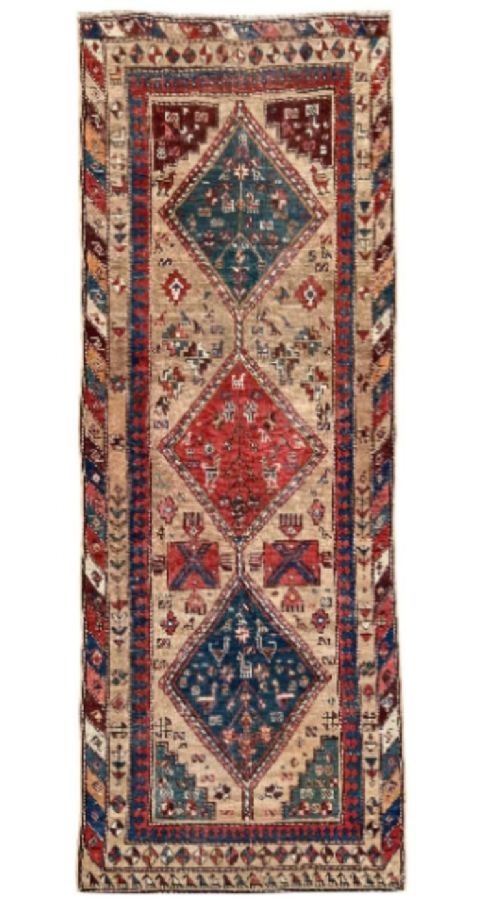
Tribal designs often feature geometric motifs, stepped medallions, and stylized animal or plant forms rather than precise floral curves. These patterns reflect the cultural heritage and local weaving traditions of nomadic or village groups.
Analysing the specific layout of lattice work or border guards helps link a piece to regions like Kurdistan, Caucasia, or Anatolia.
What does pile wear indicate?
Gradual thinning of the wool pile shows the natural history of use in domestic settings. Lower pile depths often reveal the foundational weave beneath without compromising structural stability.
Even wear is standard for older floor coverings that served functional roles in hallways over generations.