




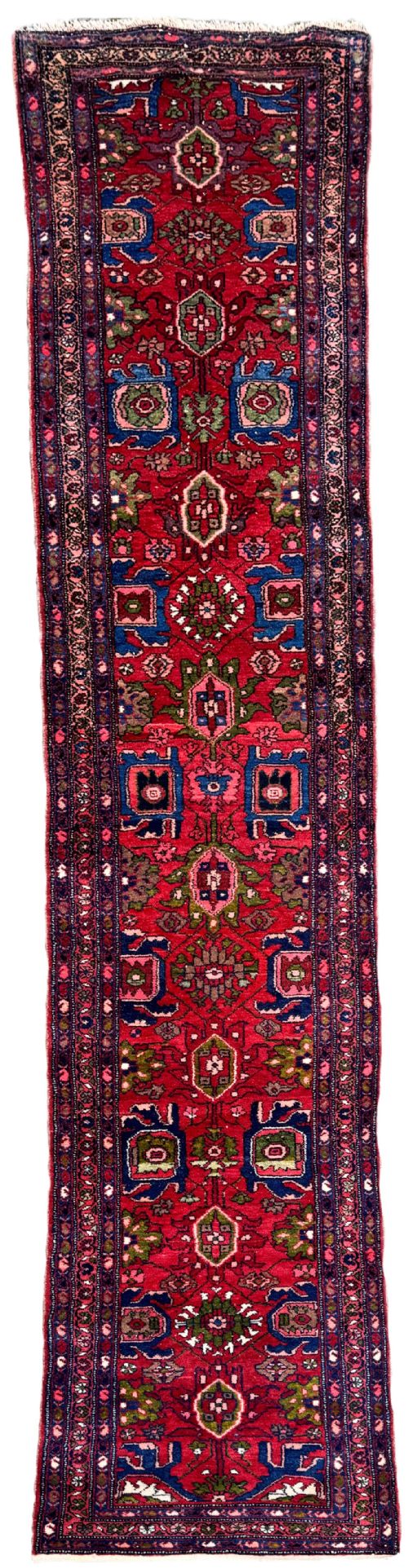

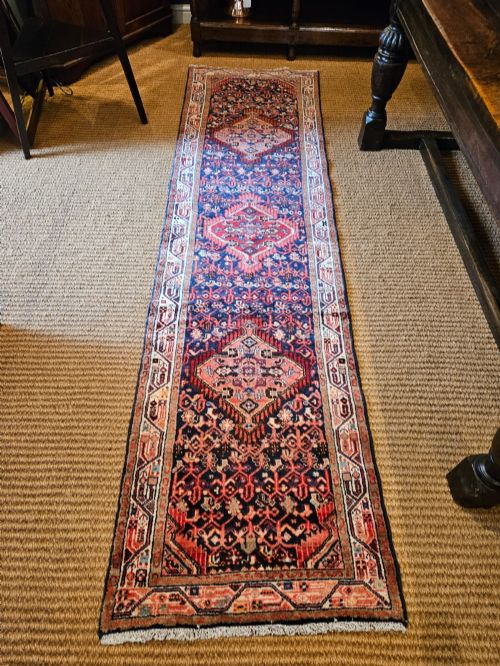
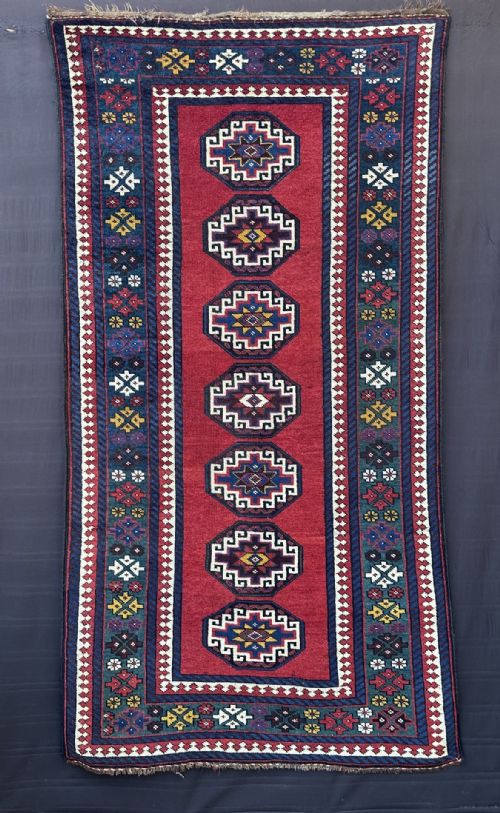
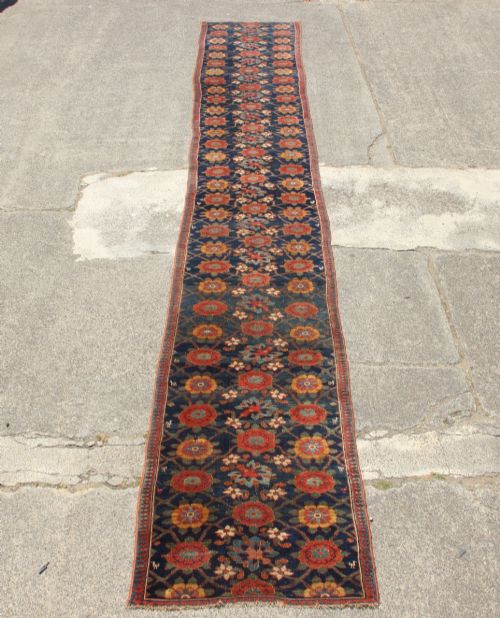
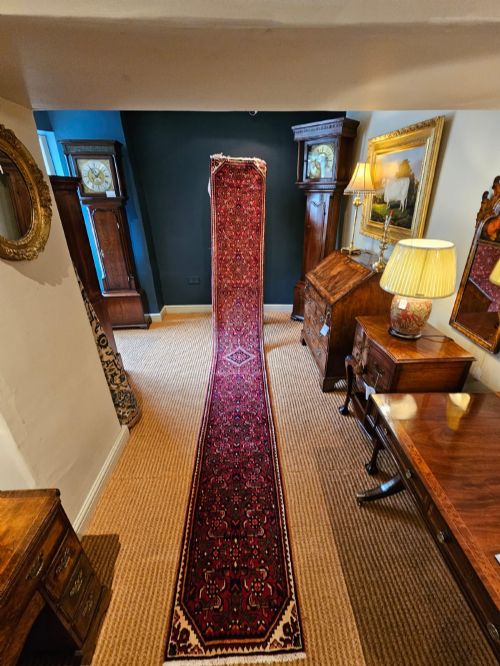
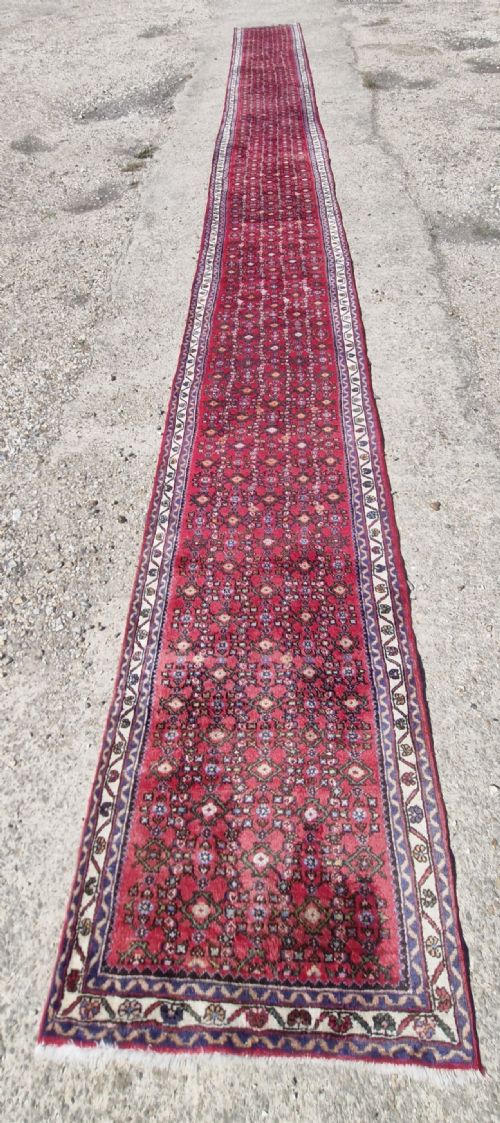
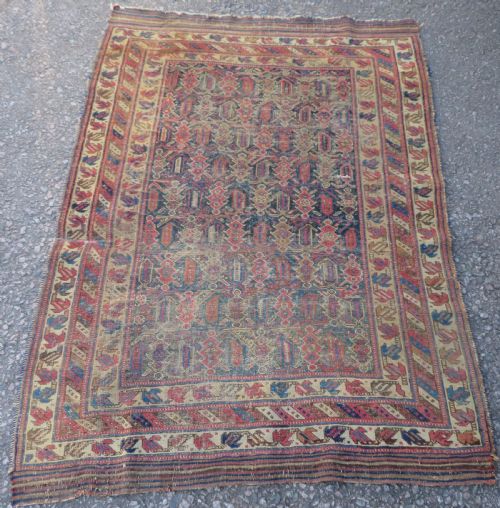
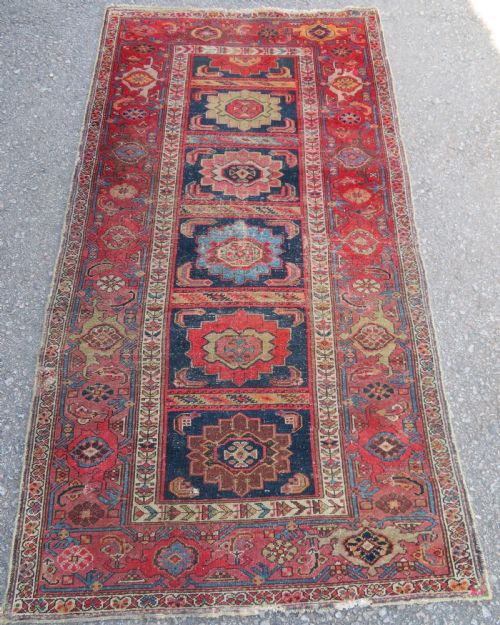
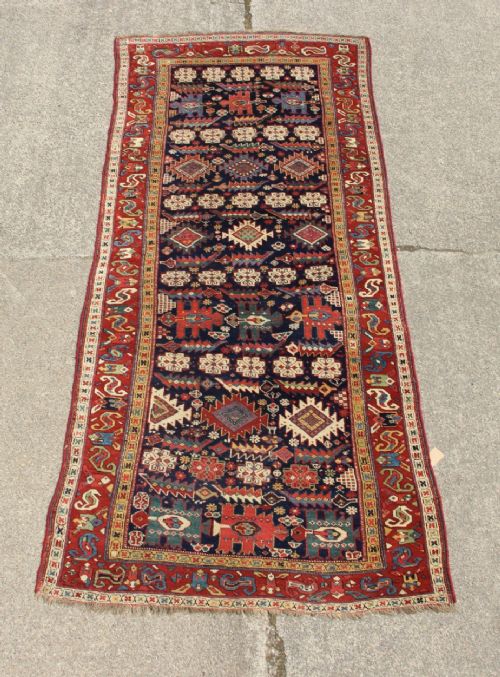
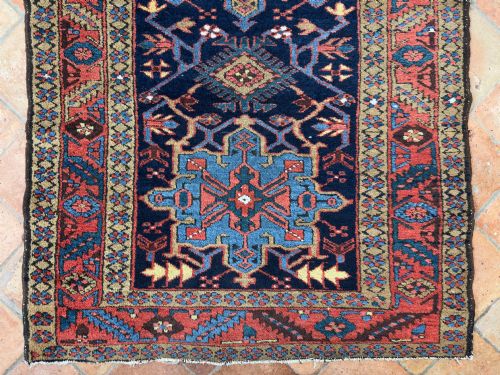

Red Persian Hallway Carpet
A red persian hallway carpet brings deep crimson warmth and centuries of weaving tradition straight to narrow corridors and long floors.
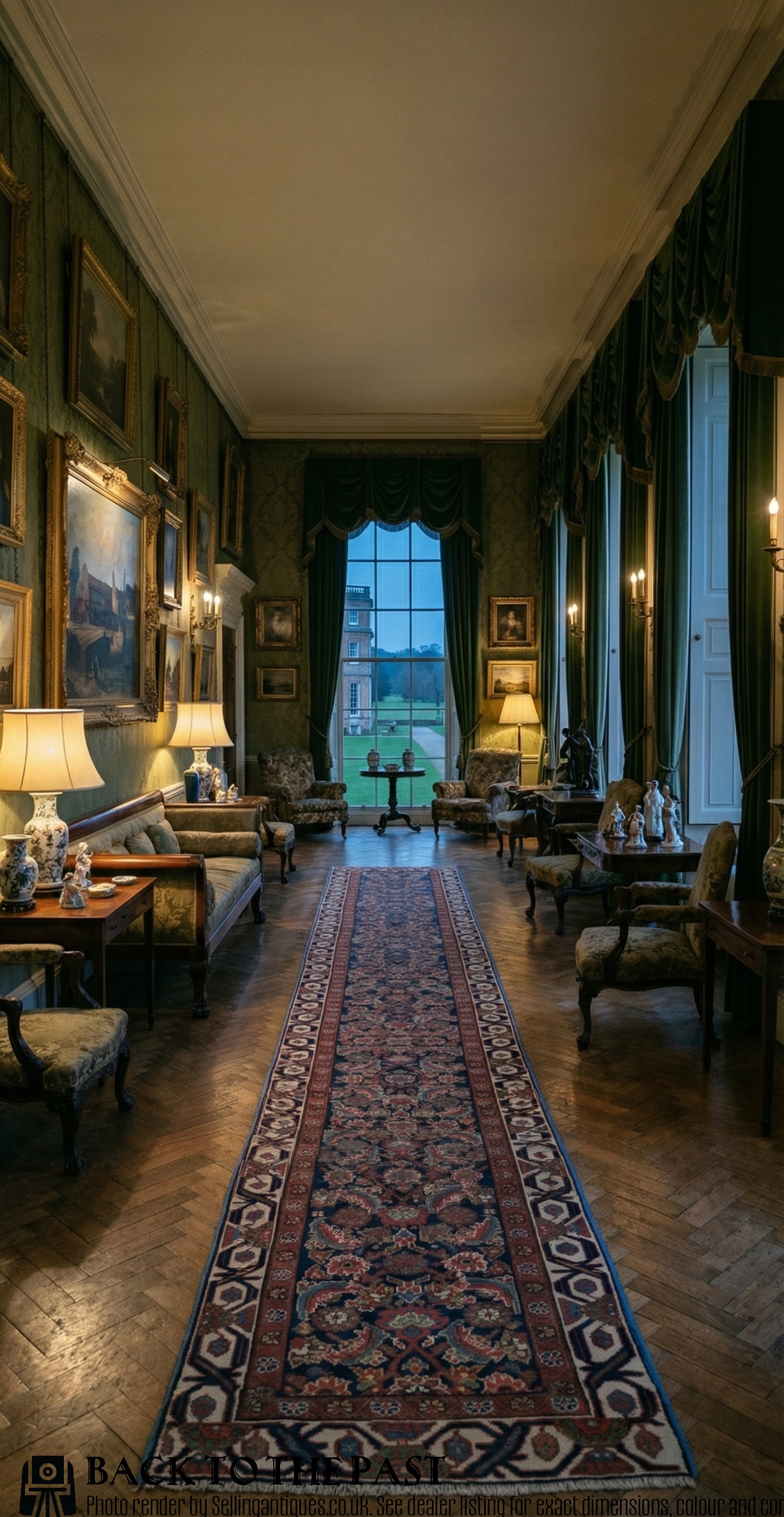
Red Persian Hallway Carpet
A red persian hallway carpet is a narrow, elongated textile designed specifically for corridors, halls, and landings. These pieces span the nineteenth and twentieth centuries, originating from workshops and tribal regions across Persia and the Caucasus.
Most examples found here take the form of antique runners, woven in wool and cotton with traditional geometric or floral motifs. They bridge functional floor covering and historic art, shaped by the hands of weavers from Heriz, Hamadan, Kurdish, and Bakshaish traditions.
How They Were Made
These carpets rely upon natural wool and hand-spun wool foundations, often paired with cotton warps and wefts to provide structural stability for heavy corridor use. Weavers knotted individual strands by hand, building dense piles designed to withstand generations of foot traffic.
Dyers utilised natural materials to achieve deep reds and contrasting tones, laying down abrash gradations where dye batches shifted subtly across the length of a runner. The resulting weave combines tactile depth with robust durability.
Listings feature pieces from the nineteenth and twentieth centuries, spanning wool, cotton, and hand-spun wool materials across multiple tribal styles.
What Varies in Quality
The standard of a runner depends upon knot density, the precision of the tribal geometry, and the vitality of the natural dyes used across the field. Finer pieces display intricate Mina Khani patterns or sharply delineated medallions that demand advanced technical skill from the weaver.
Materials also dictate rank, with hand-spun wool offering superior resilience and lustre compared to later or simpler commercial yarns. The integrity of the foundation determines how well a long corridor carpet maintains its structure over time.
The Red Persian Hallway Carpet Glossary
- Runner
- A long, narrow carpet format traditionally utilised for hallways, corridors, and stairs. These pieces balance length with restricted width to fit constrained architectural spaces.
- Abrash
- A natural variation in colour shading caused by the use of different dye batches during the weaving process. It appears as subtle horizontal bands of tone across the carpet.
- Kelleh
- A large format rectangular carpet, broader than a standard runner yet longer than a typical square room rug. These grand pieces frequently anchor substantial reception spaces.
- Warp
- The stationary vertical threads stretched onto a loom that form the structural skeleton of the carpet. Wefts and knots are built upon this foundational grid.
- Weft
- The horizontal threads passed back and forth through the warp threads to secure the rows of knots in place. This technique locks the pile tightly into the foundation.
Red Persian Hallway Carpet: Frequently Asked Questions
Where should I place a hallway runner?
These narrow carpets suit corridors, entrance halls, and landings where floor space is elongated and demands a focal point. They protect timber floors while adding historic texture to transitional areas.
Ensure you measure the clear floor space carefully, leaving a uniform border of exposed flooring around the perimeter of the runner.
How do I care for an antique wool runner?
Vacuum gently with the suction attachment, avoiding rotating brush heads that can pull at historic wool fibres. Rotate the piece periodically to distribute foot traffic evenly along its length.
Professional specialist cleaning is recommended for antique textiles to preserve the integrity of natural dyes and hand-spun materials.
How can I tell the origin of a tribal runner?
Regional characteristics reveal themselves through specific colour palettes, knotting structures, and motif repertories. Kurdish, Heriz, and Hamadan pieces each employ distinct geometric vocabularies.
Examining the weave on the reverse side often provides clues regarding the materials and local traditions employed by the maker.