



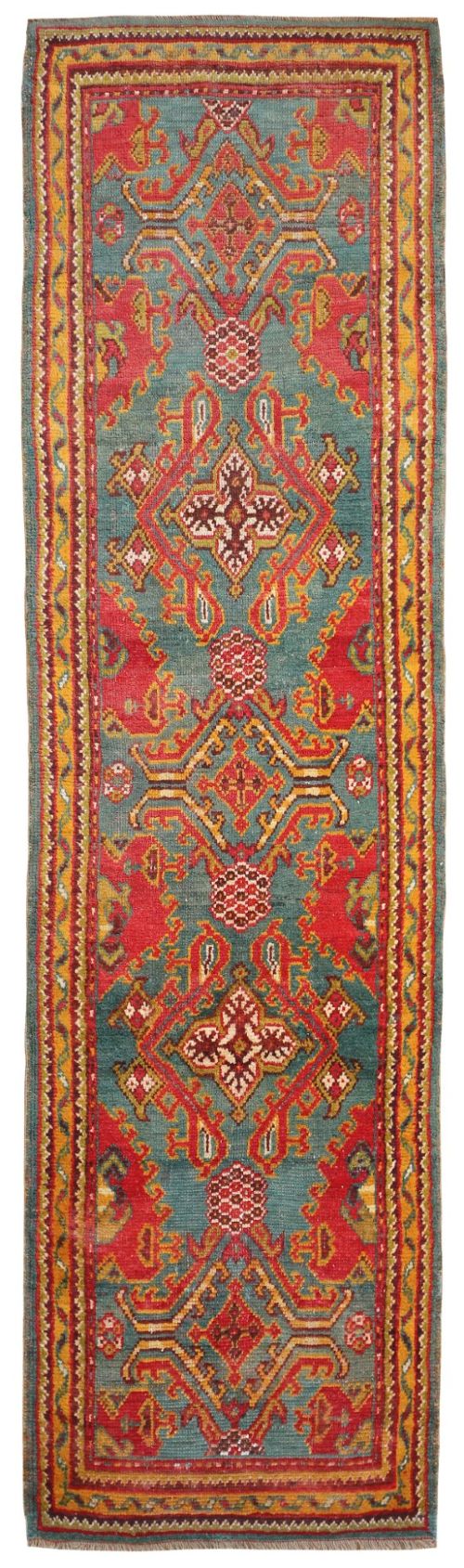
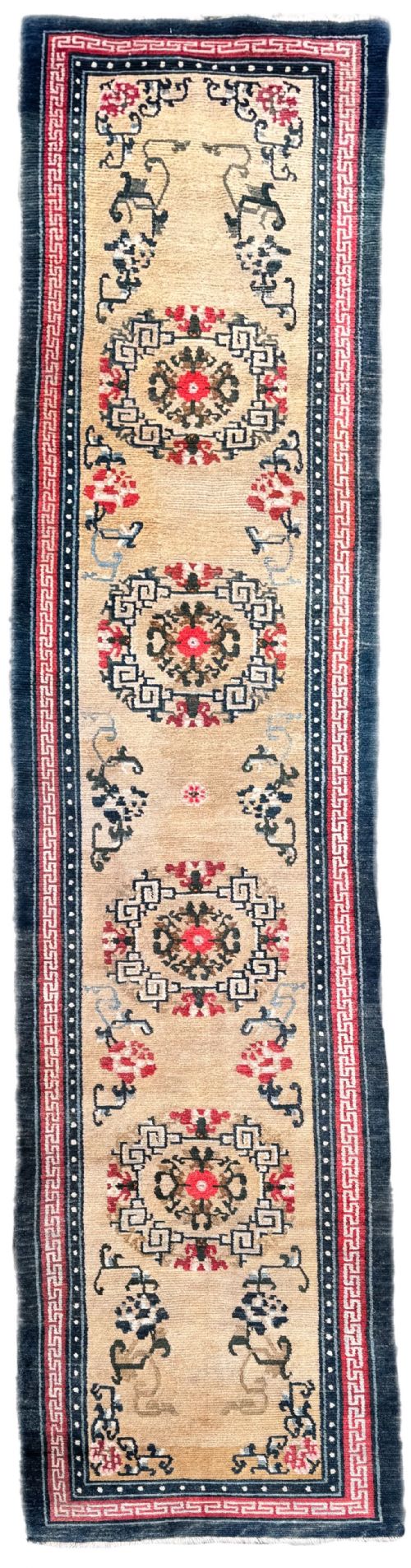

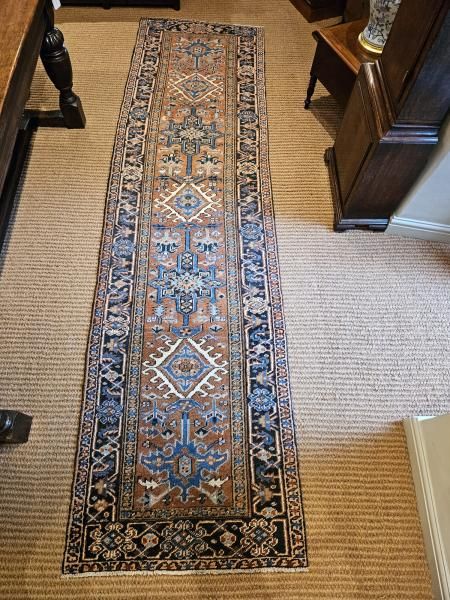
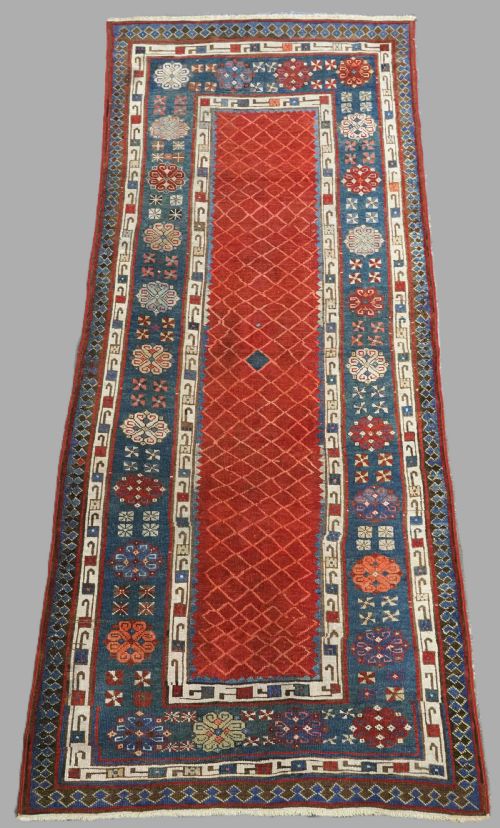

Blue Wool Hallway Rug
A blue wool hallway rug brings depth and heritage to a narrow passage through traditional woven artistry.
Blue Wool Hallway Rug
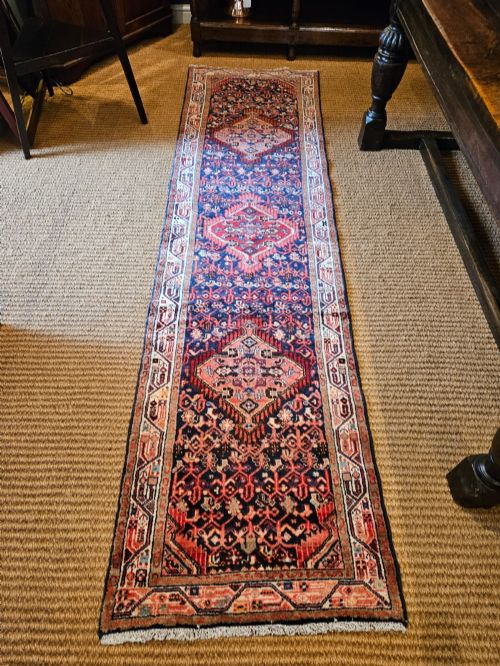
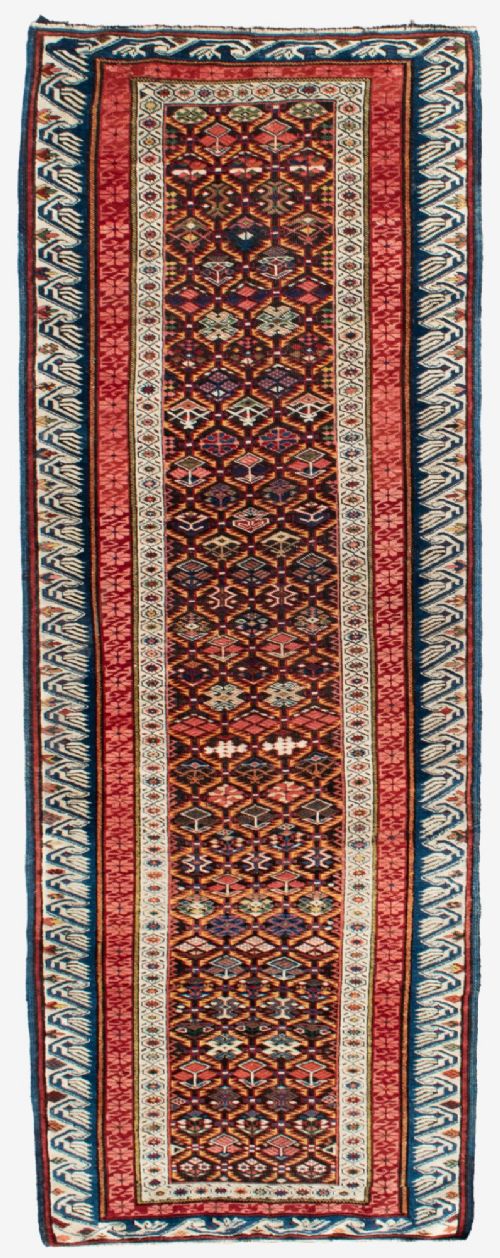
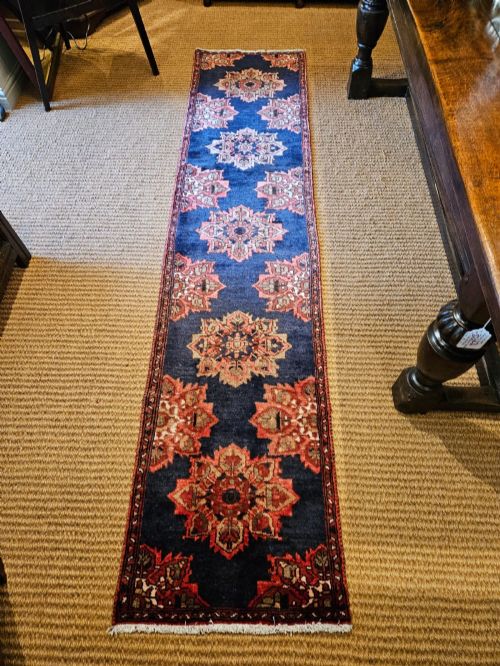
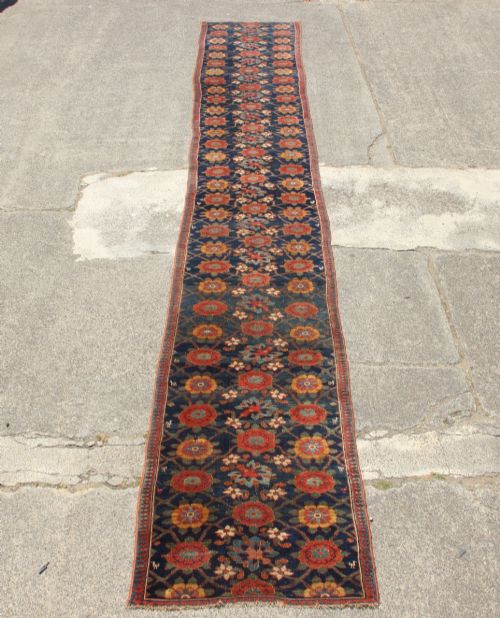
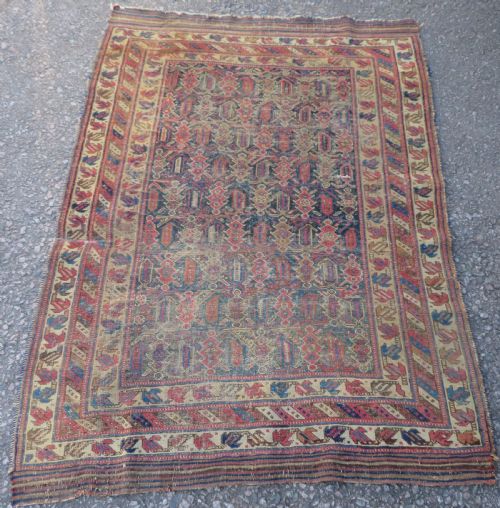
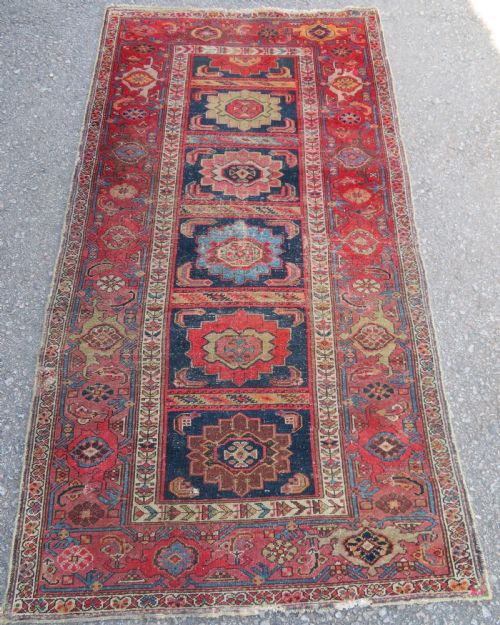
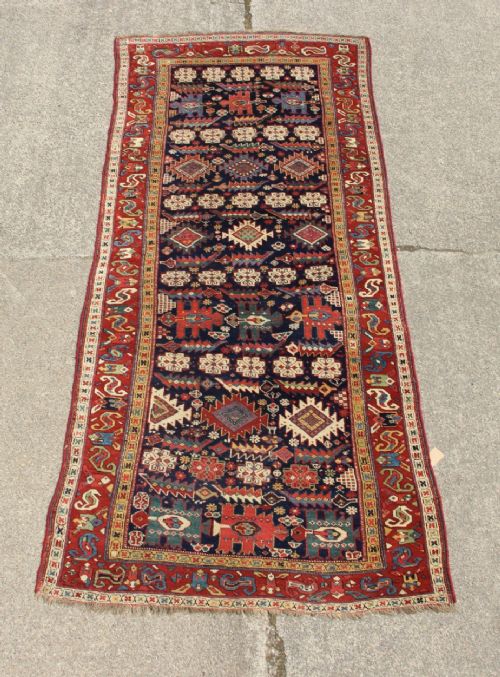
A blue wool hallway rug comprises elongated floor coverings designed specifically for corridors, passages, and narrow spaces within a home. These items draw upon traditional weaving practices from Persian, Caucasian, Anatolian, and other regional traditions dating from the nineteenth century into the early twentieth century. Buyers seeking this search phrase encounter long, narrow formats tailored to traffic flow while offering substantial visual grounding.
The selections span distinct geographical origins including Heriz, Ushak, Kurdish, Hamadan, and Caucasian workshops and tribal groups. Formats range from modest lengths to oversized proportions exceeding five metres in length, maintaining narrow widths suited to hallways. Each piece demonstrates the distinct patterning and palette of its origin, dominated by indigo and softer blue tones woven into wool.
Qualities of Distinction
The distinction between tiers rests upon the precision of the knotting, the handling of the wool, and the complexity of the design layout. Finer examples exhibit tight knot counts and intricate geometric or floral motifs that maintain clarity across narrow proportions.
Condition and integrity also influence standing, where uniform pile retention and original edge bindings distinguish better-preserved specimens from heavily worn or distressed pieces.
The Blue Wool Hallway Rug Glossary
- Runner
- A long, narrow carpet format specifically proportioned for corridors, hallways, and staircases. These pieces measure significantly longer than they are wide to fit restricted floor spaces.
- Pile
- The upright yarn loops or cut ends that form the soft surface of a rug. This layer absorbs foot traffic and displays the woven design.
- Warp
- The vertical structural threads stretched lengthwise on the loom before weaving begins. The fringe of a rug typically consists of these extended warp threads.
- Weft
- The horizontal threads passed across the warp threads to bind the knots in place. Together, warp and weft form the woven foundation.
- Natural Dyes
- Colorants derived from plant, insect, or mineral sources prior to the widespread adoption of synthetic alternatives. These dyes yield nuanced shades of blue that settle gracefully over time.
Blue Wool Hallway Rug: Frequently Asked Questions
Where should a hallway runner be placed?
A hallway runner belongs in narrow passages, entryways, and corridors where foot traffic requires floor protection and visual warmth. These elongated formats guide movement through a home while adding historical texture to transitional spaces.
Ensure the dimensions leave a consistent margin of bare flooring around the edges of the corridor for a balanced appearance. Proper placement protects high-traffic zones from excessive wear.
How do I care for an antique wool rug?
Regular gentle vacuuming without a rotating brush roll keeps dust and grit from settling into the wool pile. Professional cleaning suited to antique textiles preserves the integrity of the natural fibres.
Avoid excessive moisture and direct, harsh sunlight to protect the wool and the depth of the blue tones. Using a quality underlay prevents slipping and cushions the weave against hard flooring.
How do I identify Caucasian rugs?
Caucasian rugs originate from the Caucasus region and typically display crisp geometric patterns, stark medallions, and simplified tribal motifs. The colour palette often incorporates sharp contrasts against deep indigo grounds.
These pieces generally feature narrower proportions and dense, durable wool construction characteristic of mountain weaving traditions.