

Blue White Transfer Dish
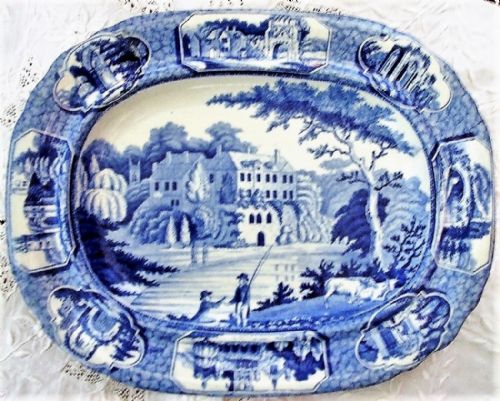
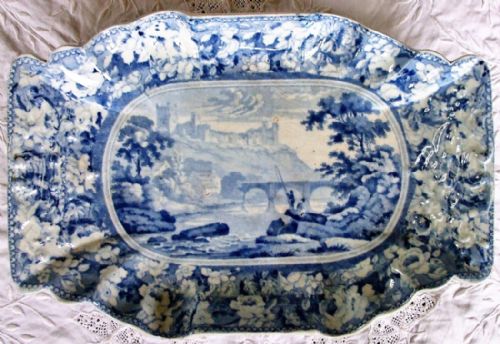
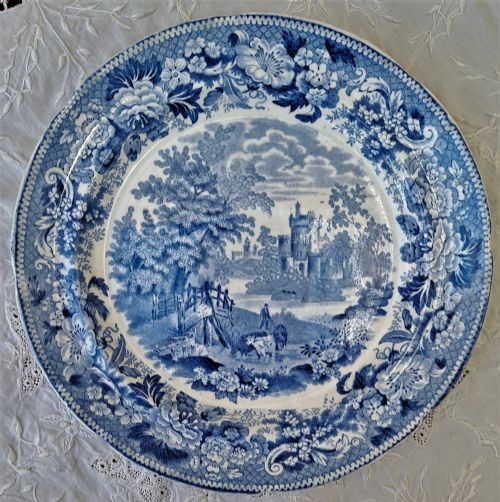
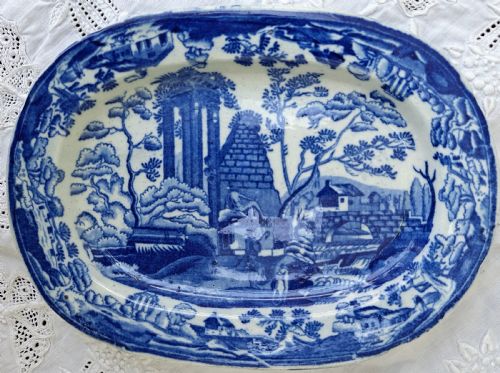
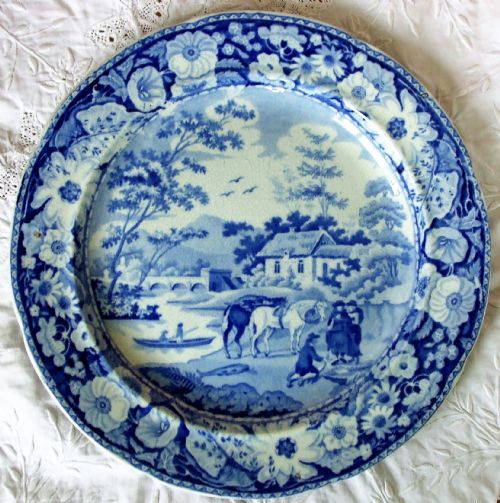
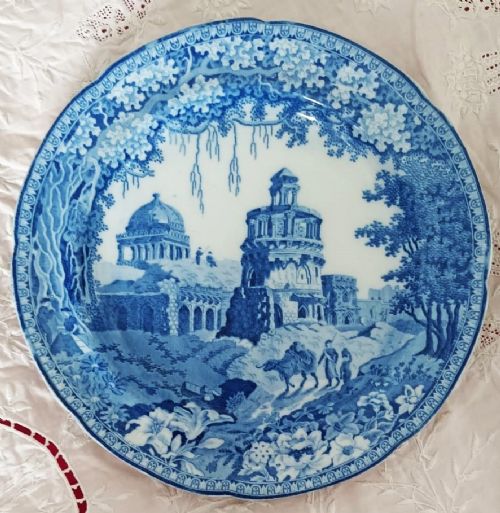
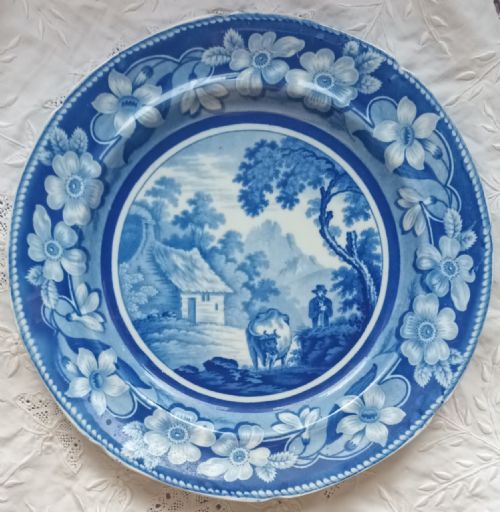
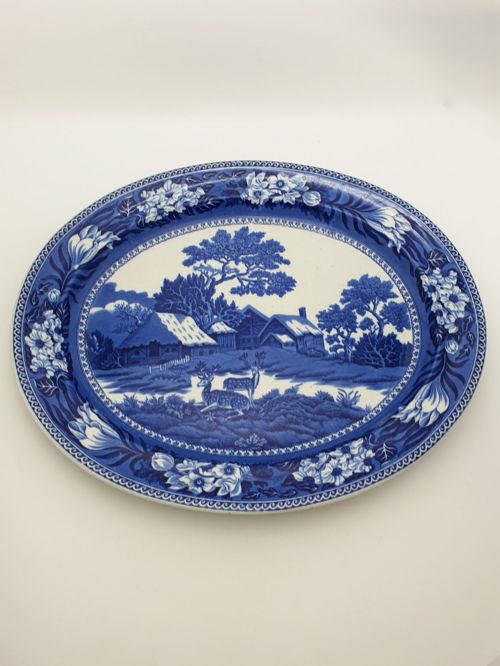
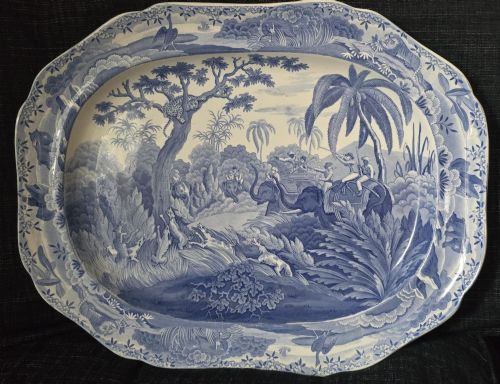
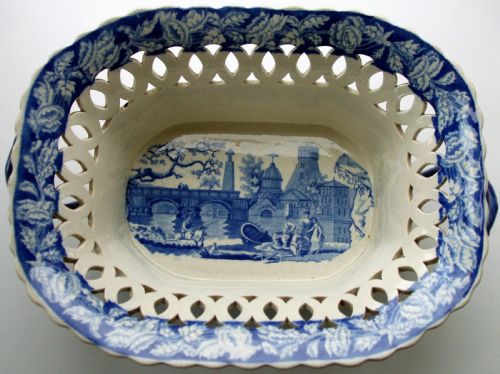
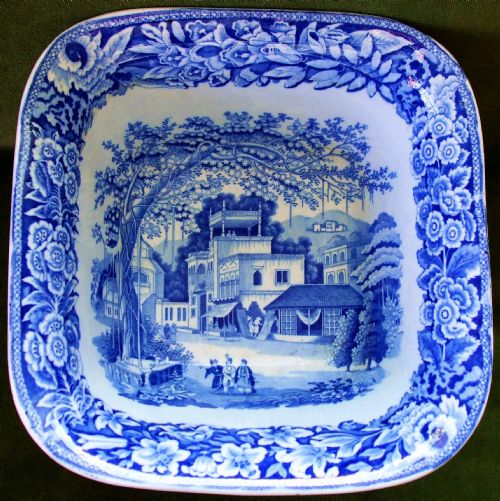
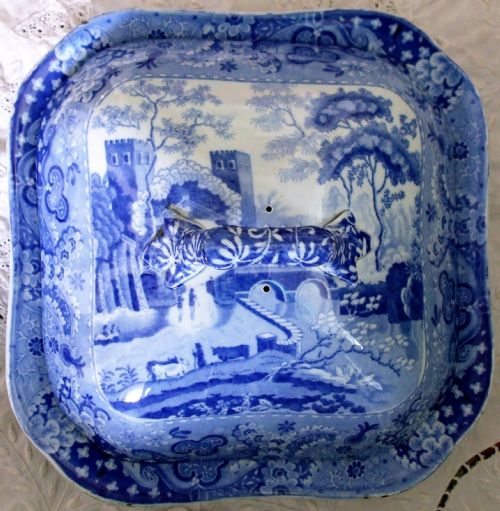
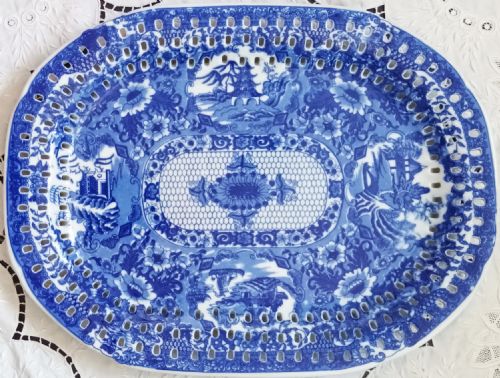
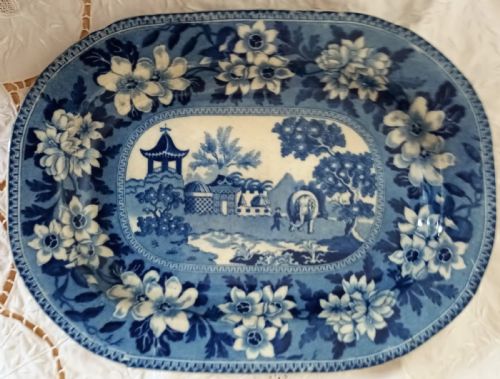
These pieces of blue white transfer dish bring printed scenes from domestic and exotic landscapes straight to the table.
Blue White Transfer Dish
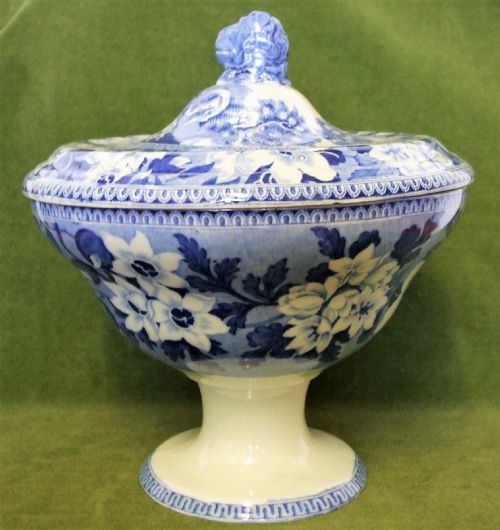
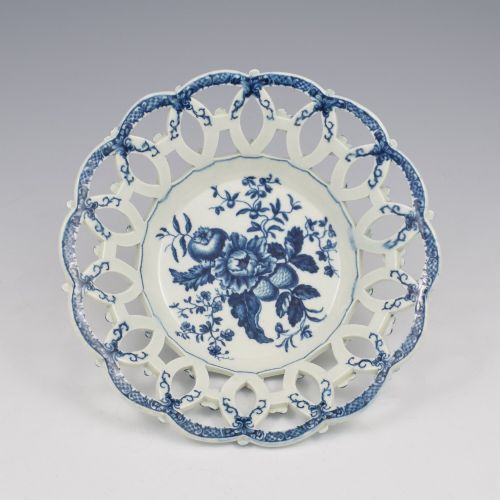
A blue white transfer dish encompasses earthenware, pearlware, and soft-paste porcelain shaped into plates, platters, serving dishes, tureens, and baskets. Most examples date from the nineteenth century, emerging from Georgian, Victorian, and Regency periods with scenes spanning pastoral life, classical ruins, and chinoiserie.
The form functions primarily for serving food or displaying decorative motifs, moving from large meat platters down to small pickle dishes and vegetable tureens. Collectors encounter named patterns such as Elephant, Native, and Guy's Cliffe alongside topographical views and hunting subjects.
How they were made
Potters applied cobalt pigment to earthenware, pearlware, or porcelain bodies using copper plate transfer printing before applying a transparent glaze and firing the ceramic. Lead glaze and smooth white tin or pearlware surfaces provided a glassy base that held the deep blue lines sharply.
The transfer process allowed workshops to repeat intricate pictorial designs, from Chinese Garden motifs to architectural ruins, with consistent precision across entire services of plates and platters.
Blue White Transfer Dish Retail Price Guide 2026
Typical asking prices for blue white transfer dish among the pieces listed under this phrase on Sellingantiques today, from the lower quarter to the upper quarter. They describe what is for sale here now, not the wider market.
A surprising number of heavy nineteenth century platters depict unexpected hunting actions, including shooting a leopard.
What varies in quality
Quality depends on the crispness of the cobalt transfer print and the clarity of the underlying glaze. Smudged lines or pooled pigment indicate a rushed transfer or an uneven kiln temperature.
The weight and refinement of the ceramic body also separate standard utility wares from finer pieces, alongside the complexity and depth of the pictorial border surrounding the central view.
Henshall & Co.·Mason·Zacharia Boyle·Thomas Lakin·William Adams·John Rogers & Son·Spode·J. & R. Clews·J. & R. Riley·Caughley·Stubbs·Pettys & Co. Leeds·Brameld & Co.·Ridgways
The Blue White Transfer Dish Glossary
- Transfer printing
- A method of decorating ceramics by engraving a copper plate with a design, applying cobalt pigment, and transferring the inked pattern onto paper before pressing it onto the biscuit fired clay.
- Pearlware
- A refined earthenware developed in the late eighteenth century featuring a subtle bluish glaze that pooled in recesses to make the ceramic body appear whiter.
- Chinoiserie
- European decorative art reflecting Chinese artistic styles, frequently seen on early serving dishes featuring imaginary eastern landscapes and figures.
- Tureen
- A deep covered serving vessel used for soup, sauce, or vegetables, often supplied with a matching stand or platter.
- Biscuit
- Fired unglazed ceramic pottery ready for the application of glaze and subsequent decoration.
Blue White Transfer Dish: Frequently Asked Questions
What are blue white transfer dishes made from?
These items consist primarily of earthenware, pearlware, and soft-paste porcelain. Potters finished them with a clear or lead glaze over cobalt pigment.
The ceramic body dictates the weight and tone of the piece, with pearlware offering a brighter white surface that enhances the blue printed design.
How do I date a blue white transfer dish?
Dating relies on the ceramic body type, the style of the printed border, and the maker's mark stamped or printed on the base. Pieces from the Georgian era often feature pearlware bodies and romantic landscape scenes.
Later Victorian examples tend to use heavier earthenware bodies and incorporate denser geometric or botanical borders around the central image.
Were these dishes used for everyday dining?
Many large platters, meat plates, and vegetable tureens served practical roles at grand dining tables for meat and vegetable courses. Smaller pickle dishes and plates accommodated side dishes and individual portions.
Their durable glazed surfaces made them suitable for regular service before collectors began preserving them as display pieces.