
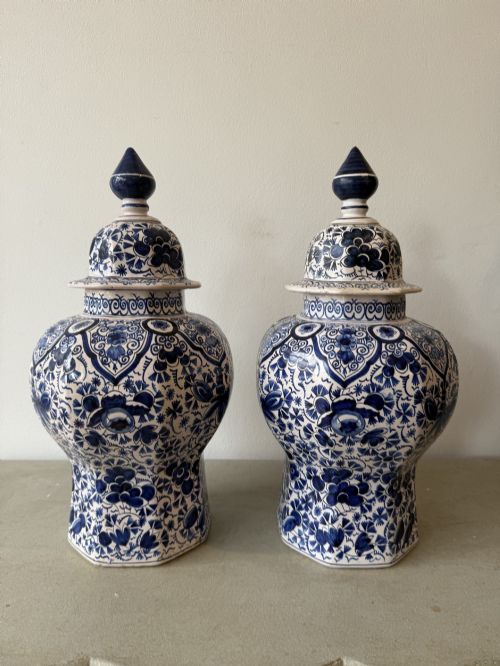
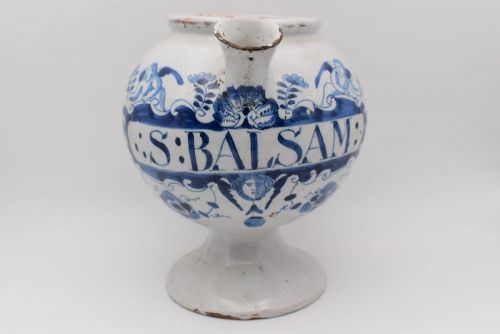


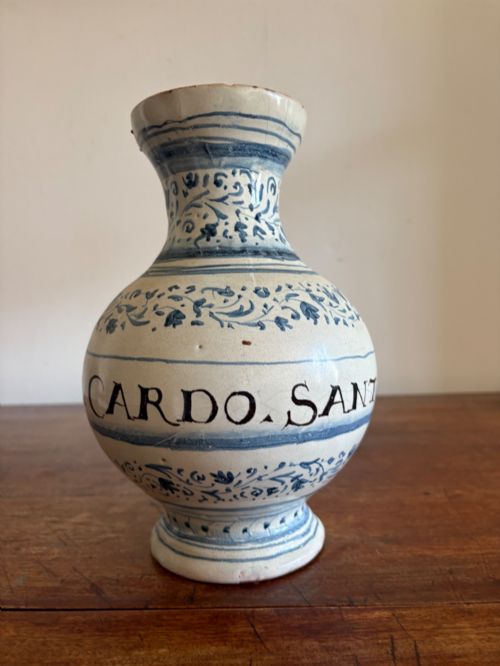
Blue White Pottery Jar
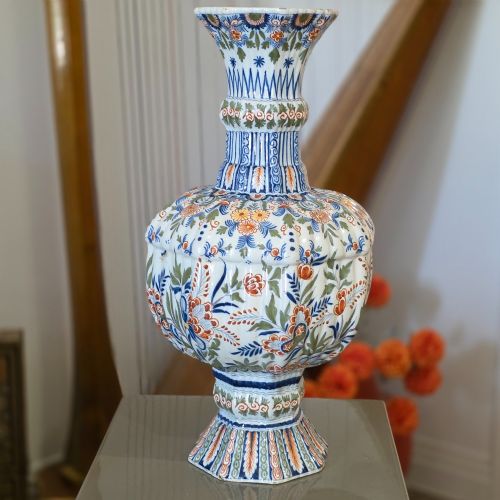
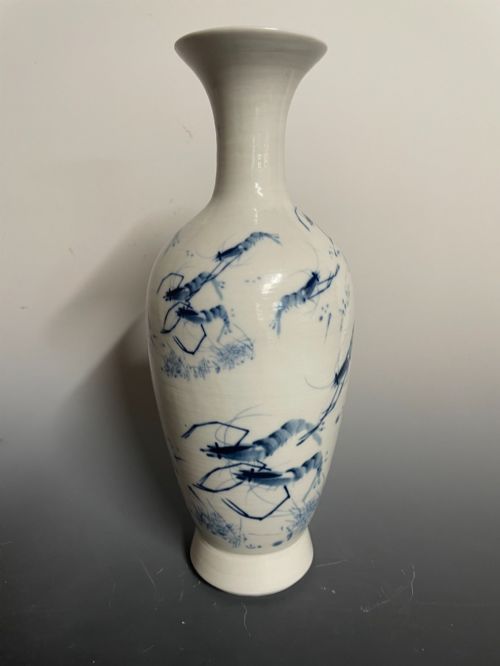
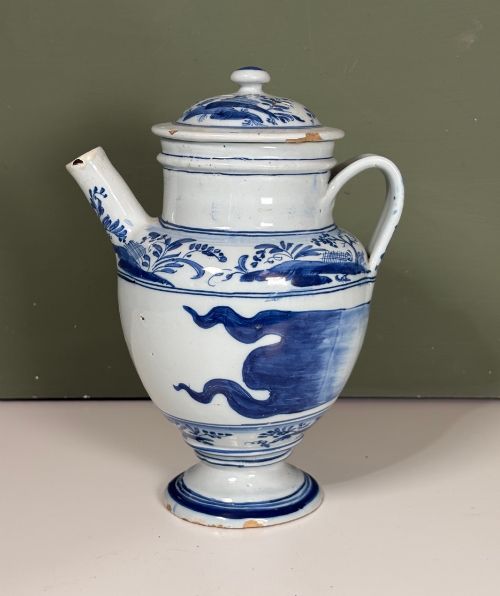
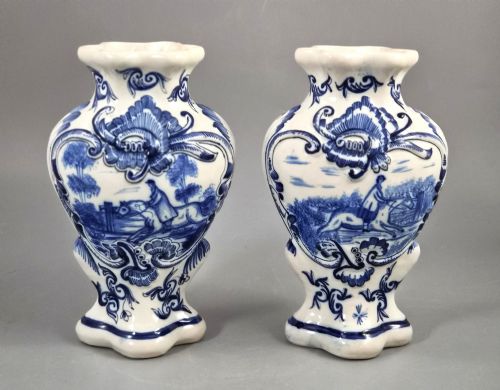
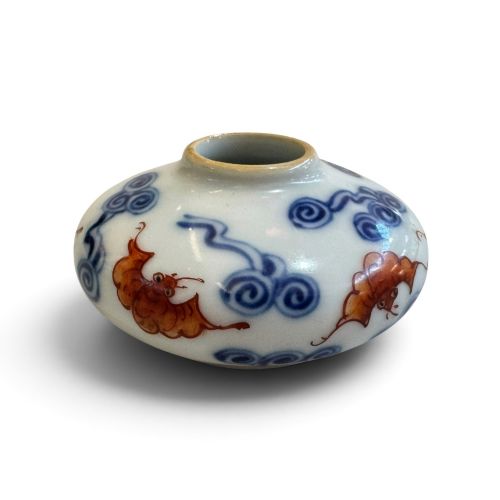
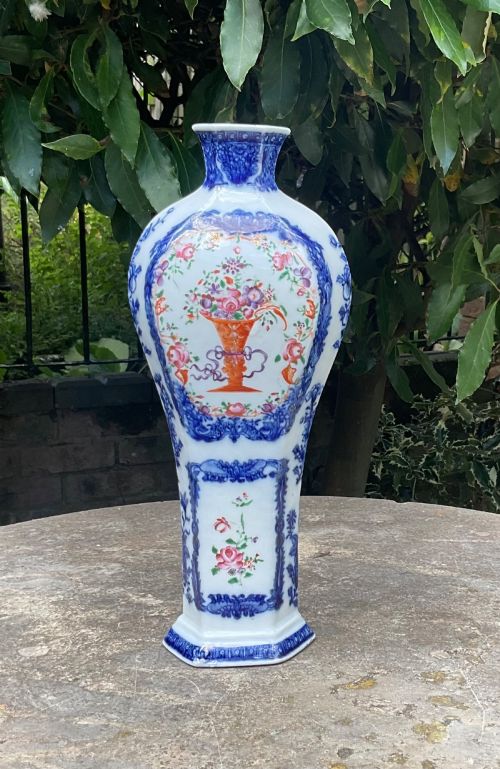
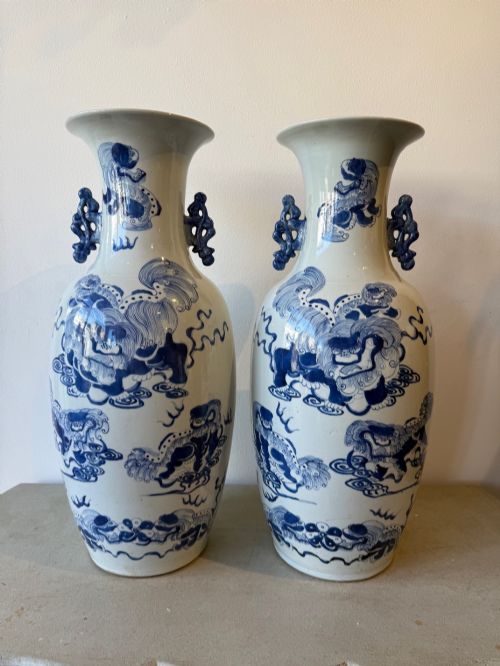
These pieces of blue white pottery jar bridge centuries of international trade and domestic utility, offering painted cobalt decoration on ceramic bodies.
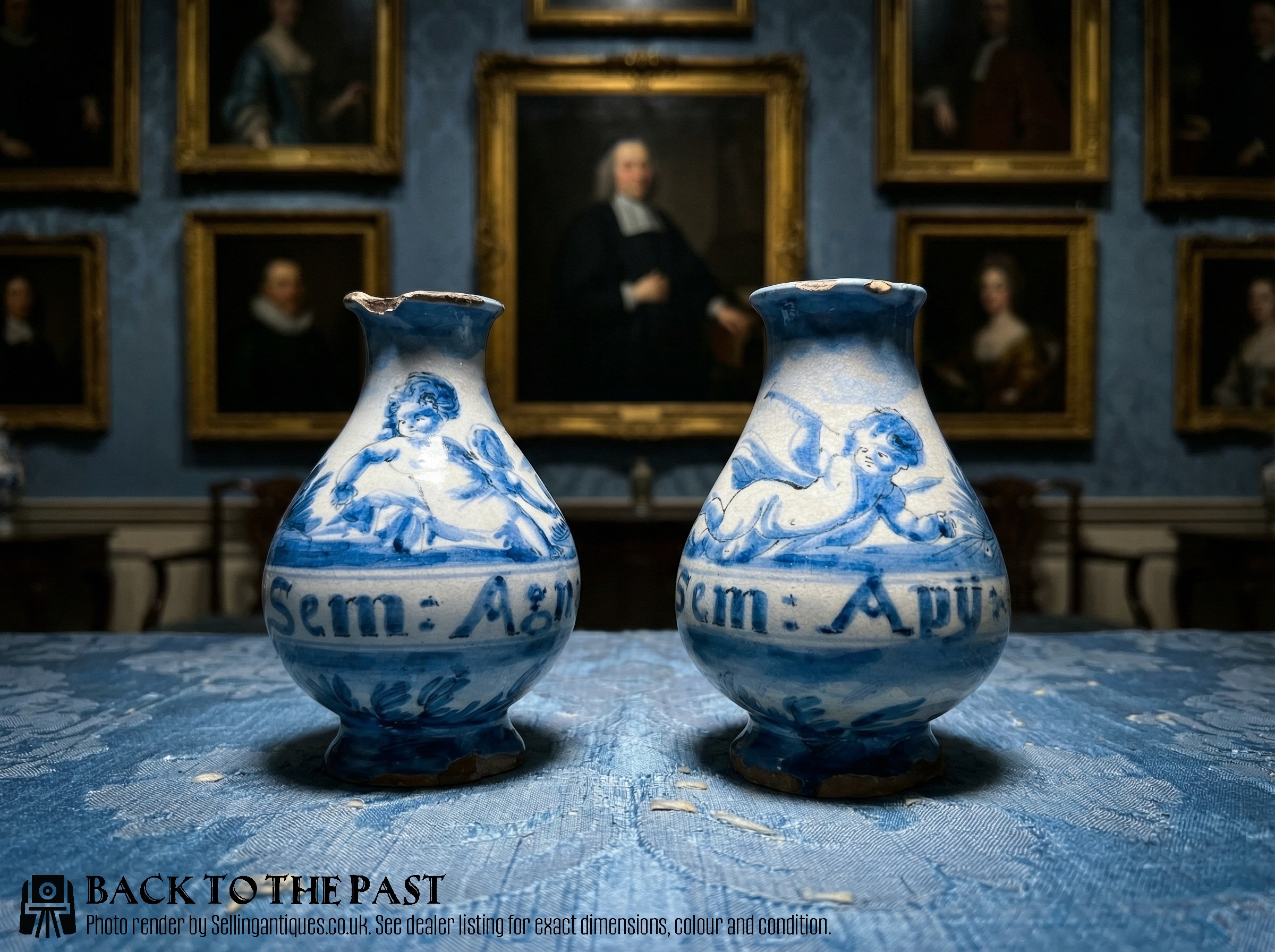
Blue White Pottery Jar
When you search for a blue white pottery jar, you encounter vessels produced for storage, pharmacy use and display across multiple centuries. The selection ranges from English earthenware and Delftware to Chinese porcelain and Italian majolica.
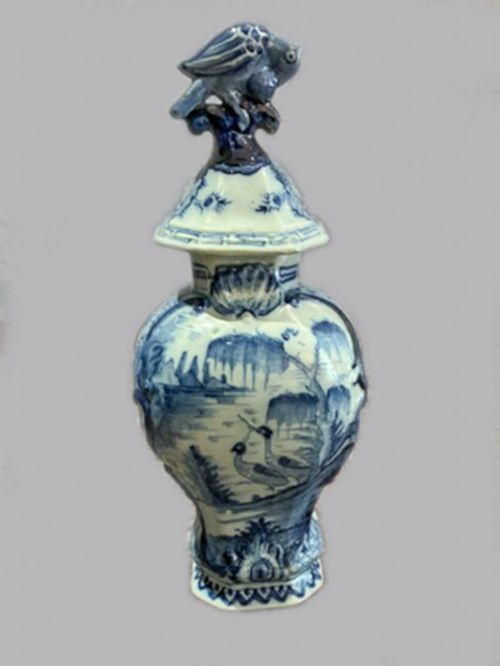
The most common forms on this page include apothecary jars, lidded baluster vases, ginger jars and biscuit barrels. These objects reflect both European and Asian ceramic traditions, often bearing painted motifs in cobalt blue.
How They Were Made
Potters shaped these vessels from earthenware, porcelain and tin-glazed bodies before applying mineral pigments. Cobalt glaze provided the distinctive blue coloration, frequently fixed by high-temperature firing.
Tin-glazed earthenware and faience techniques created an opaque white surface suitable for detailed hand-painted brushwork. Potters combined mineral oxides with lead or tin glazes to achieve durable finishes.
Listings span periods from the 17th century to the 20th century, utilising earthenware, porcelain, and tin-glazed bodies.
What Varies in Quality
Quality rests in the crispness of the hand-painted cobalt decoration and the balance of the ceramic form. Early pieces show individual brush control and variation in the iron-blue pigments.
The sophistication of the glaze application and the preservation of the original lids or covers distinguish standard production wares from finer examples.
Fourmaintraux-Courquin·Makuzu Kozan·Minton·Carlton Ware
The Blue White Pottery Jar Glossary
- Albarello
- A cylindrical pharmacy jar designed for storing dry drugs and ointments. These vessels typically feature a waisted centre for a secure grip.
- Tin-Glazed Earthenware
- Pottery covered with a lead glaze made opaque by the addition of tin oxide. This surface provided a white ground for painting.
- Baluster
- A vase form with a rounded lower body and a narrower neck. This shape appears frequently in Dutch and English Delftware collections.
- Underglaze
- Pigment applied to the ceramic body before the application of a transparent glaze and subsequent firing. This technique protects the painted design from wear.
Blue White Pottery Jar: Frequently Asked Questions
What were apothecary jars used for?
Apothecary jars held dried herbs, medicinal syrups, and chemical preparations in pharmacies and dispensaries. The wide mouths permitted easy access for dispensing contents.
pharmacists labelled these vessels with painted drug names to identify specific contents on the shelf.
How do I date a blue and white jar?
Dating relies on stylistic markers, potting techniques, and base marks where present. Early pieces often exhibit thicker tin glazes and hand-painted motifs.
comparisons with documented period examples help establish the decade or century of manufacture.
Are these jars waterproof?
Many historical earthenware and Delftware jars feature porous clay bodies beneath tin glazes. Hairline crazing can develop over centuries.
using a modern liner protects the interior from moisture if you display fresh flowers.
Why do cobalt shades vary?
Cobalt pigment reacts to varying kiln temperatures and mineral impurities during the firing process. Different mining sources yielded distinct hues from pale grey-blue to deep violet-blue.
artisans adjusted application thickness to control tonal depth across the painted surface.