


Antique Pharmacy Pottery
These pieces of antique pharmacy pottery are practical vessels shaped by centuries of apothecary practice, offering a tangible link to historical medicine.
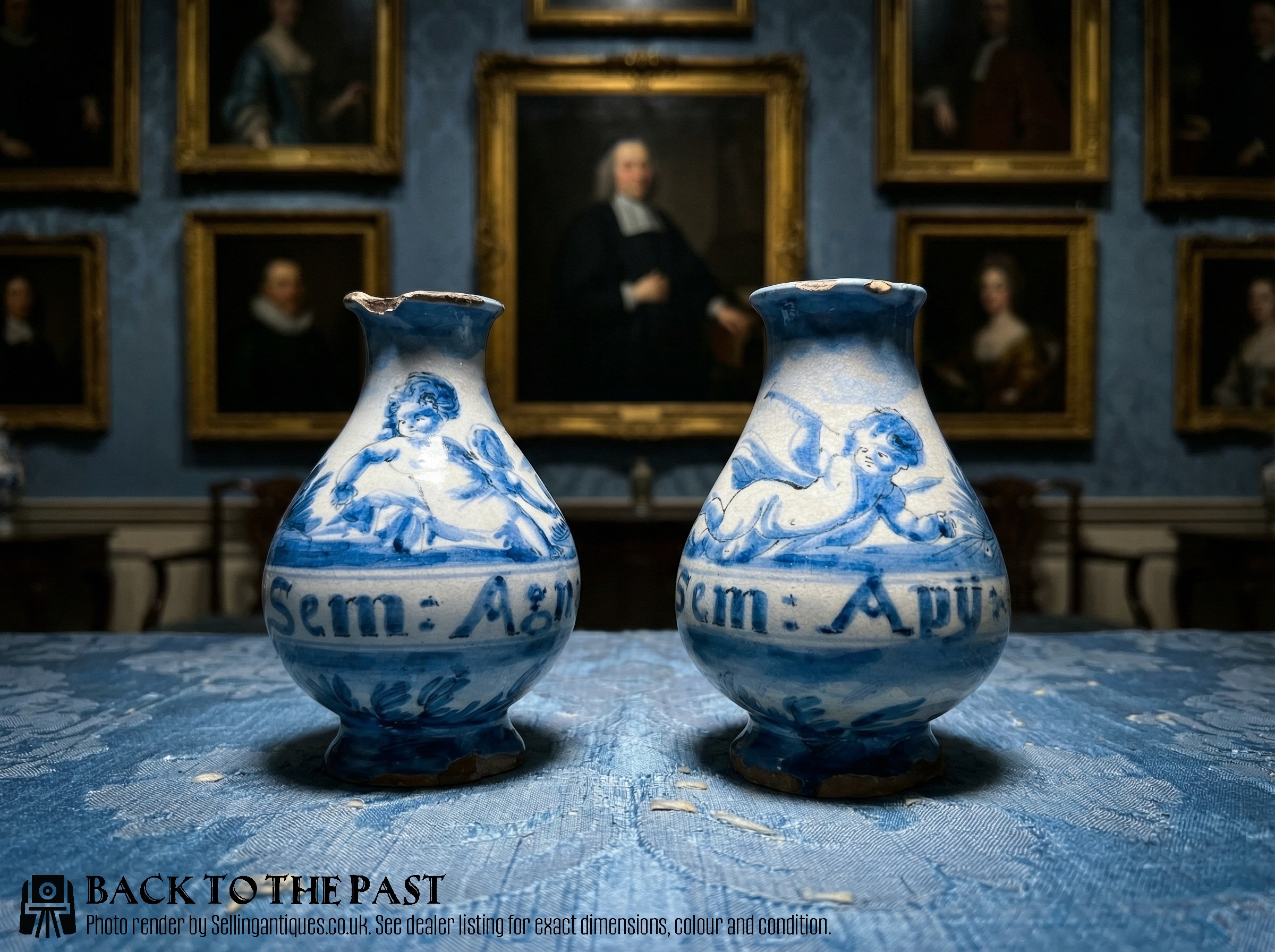
Antique Pharmacy Pottery
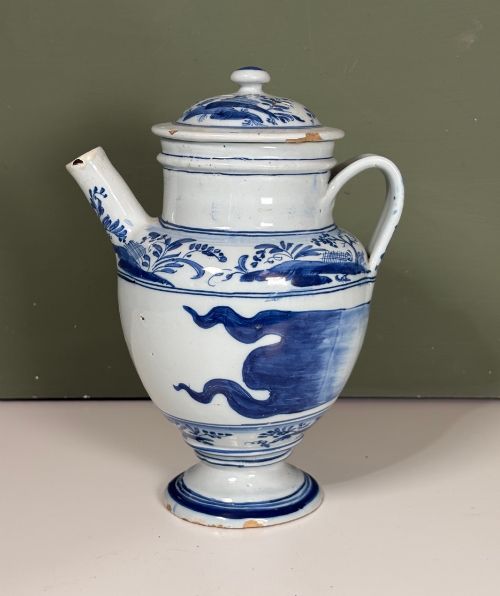
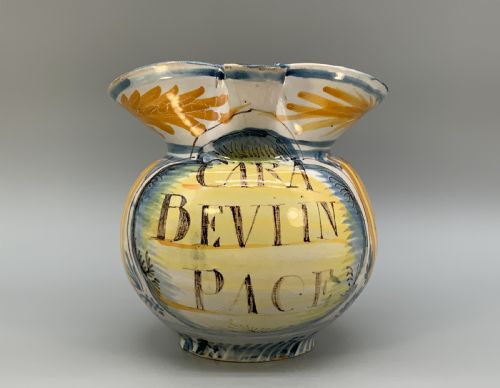
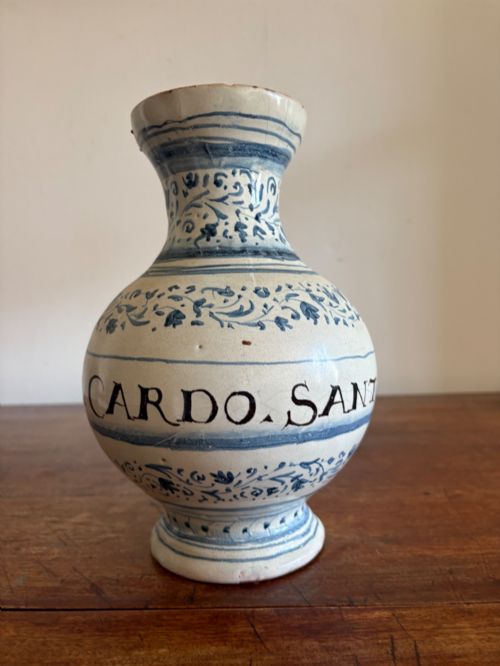
When you search for antique pharmacy pottery, you encounter vessels designed for the storage of medicines, herbs and liquids in dispensaries. The selection spans the seventeenth, eighteenth and nineteenth centuries, featuring items originating from England, Italy and the Netherlands.
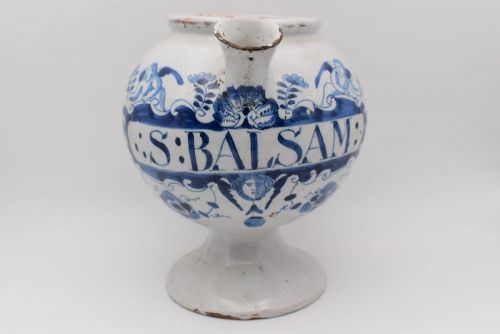
The most common forms on this page are albarelli, apothecary jars and pharmacy jugs. These cylindrical and waisted vessels served practical roles in holding dry and wet drugs before reaching domestic or institutional collections.
Makers and potteries utilised distinct regional decorative traditions, ranging from Italian majolica and faience to English delftware. Each piece reflects the aesthetic preferences of its specific period, whether through blue and white pigments or polychrome decoration.
Materials and Techniques
Potters constructed these items primarily from earthenware, applying a tin glaze to create an opaque white surface suitable for painting. Artisans then used cobalt pigment, cobalt oxide and manganese to hand-paint lettering, cherubs, shells and floral motifs directly onto the unfired glaze.
The glazing technique required precise firing to seal the porous clay body and protect medicinal contents from moisture. Workshops in Italy, England and the Netherlands adhered to traditional methods of shaping ceramic vessels on the wheel before glazing and secondary firing.
Apothecaries stored cures in these pots, yet today we display them empty, purely to admire a good glaze and a painted shell.
Standards of Execution
The distinction between ordinary utility wares and finer examples rests upon the execution of the hand-painted decoration and the precision of the form. Superior pieces exhibit confident brushwork, intricate detailing such as cherubs and shells, and controlled use of polychrome or cobalt pigments.
Proportions also dictate quality, particularly in the symmetry of waisted albarelli and the crispness of the tin glaze application. Pieces retaining clear historical inscriptions and well-preserved surface glazes demonstrate higher artisanal skill during production.
The Antique Pharmacy Pottery Glossary
- Albarello
- A cylindrical earthenware jar used by apothecaries to store ointments and dry drugs. This shape originated in the Middle East and spread throughout European pottery traditions.
- Tin Glaze
- A lead glaze rendered opaque by the addition of tin oxide. It provides a smooth white background for painted decoration on earthenware.
- Majolica
- Italian tin-glazed earthenware decorated with colours on an opaque white glaze. The technique flourished during the Renaissance and later revival periods.
- Faience
- European tin-glazed pottery produced in France, Italy, the Netherlands and England. The term encompasses various regional styles of painted ceramic wares.
- Wet Drug Jar
- An apothecary vessel designed with a spout or wider neck for holding syrups, oils and liquid medicines. These pieces often feature specific labels indicating their original contents.
Antique Pharmacy Pottery: Frequently Asked Questions
What were antique pharmacy pots used for?
Apothecaries and physicians used these ceramic vessels to store dry herbs, pills, ointments and liquid medicines. Each jar or jug held specific ingredients required for compounding medical remedies.
Over time, these utilitarian objects transitioned from working dispensaries into decorative cabinets and collections, preserving the history of early pharmacology.
How do I identify Italian majolica pharmacy jars?
Italian majolica jars typically feature tin-glazed earthenware surfaces decorated with cobalt blue, manganese, or polychrome pigments. Look for characteristic regional styles such as Italian Baroque, Renaissance, or Faience.
Many examples include painted apothecary labels, floral motifs, or pictorial elements like cherubs and shells that reflect their seventeenth to nineteenth-century origins.
What is an albarello jar?
An albarello is a specific cylindrical ceramic jar with a waisted body designed for easy gripping on apothecary shelves. This distinct shape allowed dispensers to handle multiple jars efficiently in cramped shop environments.
Potters across Italy, the Netherlands and England adapted this traditional form for storing pharmaceutical ingredients.
How should I display pharmacy pottery at home?
Display these ceramic vessels on stable shelves or within enclosed cabinets where their painted glazes remain protected from accidental impacts. Position them away from direct sunlight and sources of extreme temperature fluctuation to preserve the earthenware body.
Grouping jars by period or region highlights the decorative variations between English delftware and Italian majolica.
How do I tell eighteenth-century jars apart from nineteenth-century ones?
Eighteenth-century pieces often display hand-mixed pigments and softer tin glazes typical of traditional delftware and early majolica production. Stylistic details like Georgian or Italian Baroque lettering offer clues to the manufacturing era.
Nineteenth-century examples frequently incorporate revival styles, brighter polychrome palettes, or standardised forms associated with later ceramic techniques.