
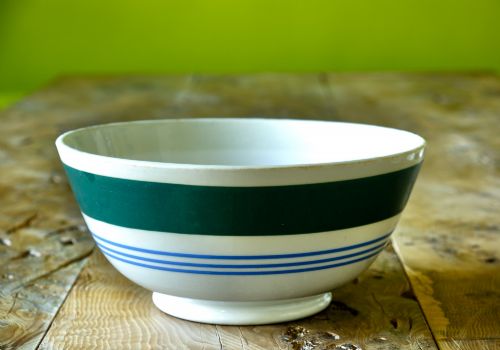


Blue White Pottery Basin
Blue white pottery basin search results bring up striking glazed ceramic vessels from Georgian, Victorian, and earlier periods intended for washing, dining, and display.
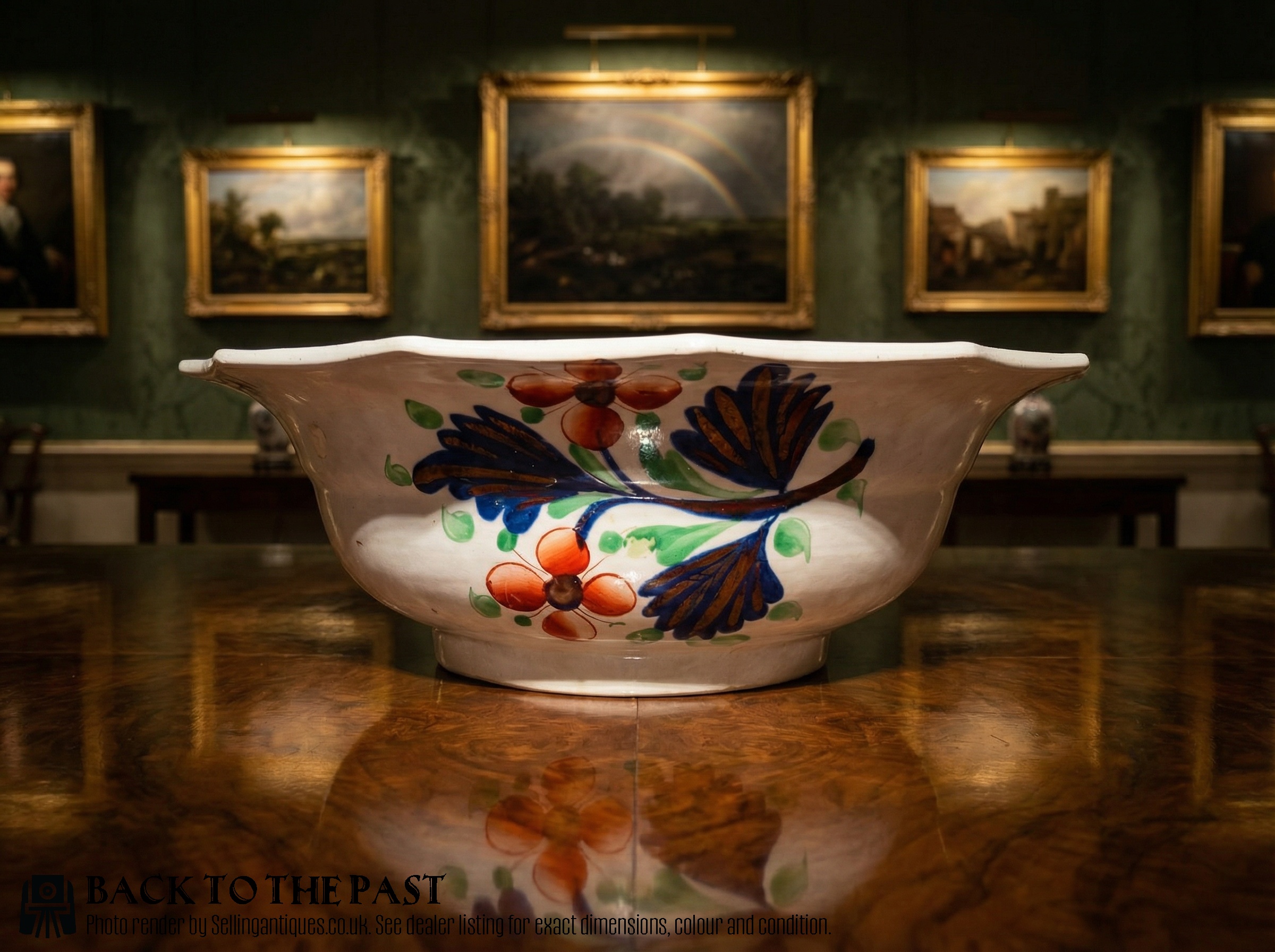
Blue White Pottery Basin
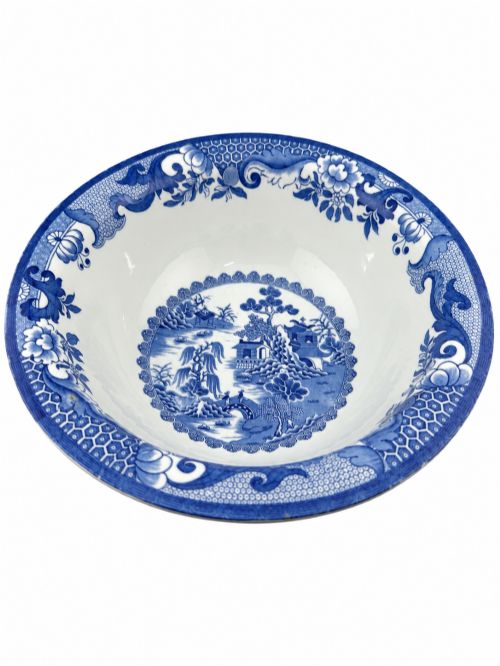
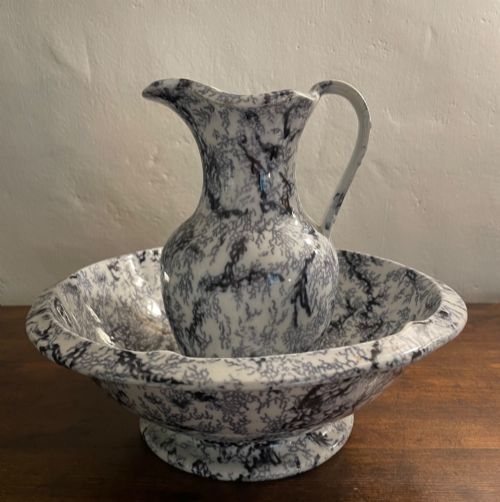
A blue white pottery basin encompasses a varied selection of domestic and decorative earthenware vessels, ranging from large footbaths and toilet basins to smaller bowls and ewers. These items emerge primarily from 18th century, Georgian, and Victorian eras, alongside examples from Chinese and Japanese traditions.
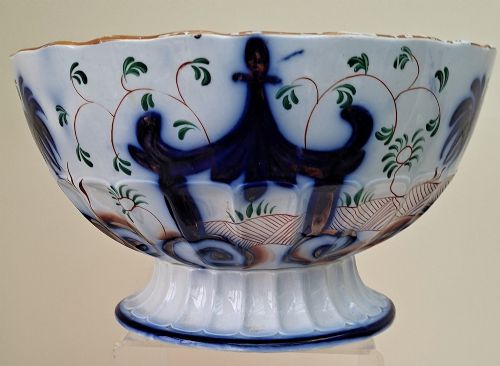
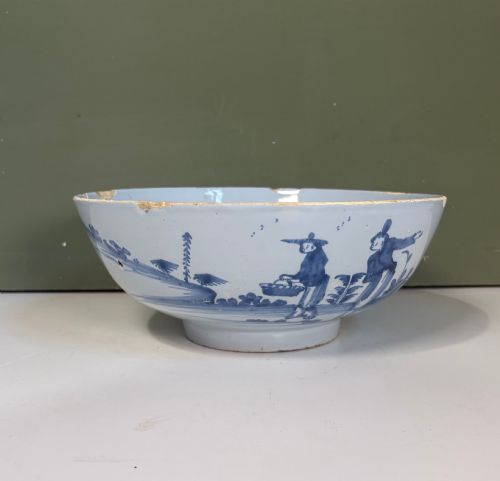
The objects frequently appear as part of washstand sets or as individual footed bowls, mixing bowls, and liners. Collectors encounter distinct regional styles such as Dutch tin glaze, English transferware, and Gaudy Welsh patterns.
How they were made
Potters shaped these earthenware and ceramic bodies on wheels or in moulds before applying cobalt glaze, tin glaze, or transfer-printed decoration. Many pieces receive a clear glaze over the blue pigment to lock in the pigment before firing.
Certain vessels incorporate hand-painted details or gilt highlights applied over the fired glaze to accentuate specific patterns like the Pagoda or Indian Temple designs.
Royal Navy officers maintained standards at sea with dedicated mess bowls featuring blue and white decoration.
What varies in quality
The clarity and depth of the cobalt or transfer-printed blue pigment determine visual impact, with sharper lines separating superior examples from blurred or runny prints. Intricacy of form, such as footed bases, moulded handles, or matched jug and basin sets, also dictates the standing of a piece.
The prestige of the pottery or manufacturer influences worth, as does the preservation of the glaze and any supplementary gilt decoration across centuries of domestic use.
T G Green Pottery·Doulton Burslem·Ridgway
The Blue White Pottery Basin Glossary
- Tin glaze
- An opaque white glaze containing tin oxide, providing a smooth surface for painted blue decoration. It is characteristic of Delftware and Faience.
- Transferware
- A method of decorating pottery by pressing a paper design inked with cobalt onto the unglazed or bisque ceramic body. This technique allowed intricate pictorial scenes to be replicated efficiently.
- Footbath
- A large, deep basin designed for washing feet, often fitted with handles and produced in generous proportions during the Georgian and Victorian periods.
- Earthenware
- Porous pottery fired at lower temperatures than stoneware or porcelain, requiring a glaze to achieve impermeability for holding liquids.
Blue White Pottery Basin: Frequently Asked Questions
How were footbaths used?
Large footbaths served utilitarian purposes in bedrooms and dressing rooms for personal hygiene before modern plumbing became widespread.
Servants filled these heavy earthenware vessels with warm water for the household, after which they often found secondary uses in large country houses for chilling bottles or displaying floral arrangements.
What is flow blue?
Flow blue refers to a specific ceramic glazing style where the cobalt blue pigment intentionally bled or blurred into the surrounding white glaze during the firing process.
This chemical reaction created a soft, hazy aesthetic that became particularly fashionable on mid-19th century jugs and basins.
How do I date a basin?
Dating relies on examining the ceramic body, the style of the blue transfer print, and any maker marks stamped or impressed into the base. Georgian and Victorian pieces often show distinct potting weights and pattern registration marks that pinpoint their decade of manufacture.
Earlier 18th century items display thicker tin-glazed earthenware bodies without modern factory stamps, pointing to hand-thrown production.
Can I use these for daily washing?
Most antique basins survive best when treated as decorative display objects rather than for daily domestic utility. Centuries of thermal shock and porous earthenware bodies mean modern use can risk the historic glaze and any delicate gilt highlights.
Gentle cleaning with a soft cloth preserves the cobalt decoration without wearing away the aged surface.