




Blue White Porcelain Figurine
A blue white porcelain figurine brings ceramic art into domestic spaces, offering collectors charming historical subjects rendered in crisp ceramic tones.
Blue White Porcelain Figurine
A blue white porcelain figurine represents human, animal and allegorical subjects shaped from ceramic paste and finished with cobalt decoration or white glaze. These sculptural objects emerge from nineteenth century European potteries and Japanese kilns, recording historical tastes through modelled forms.
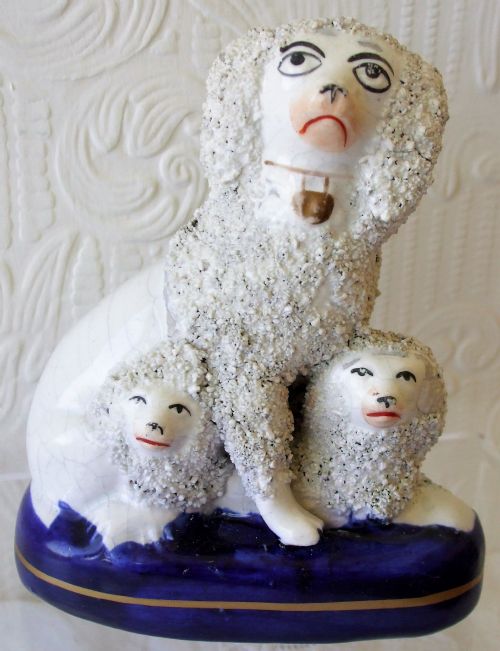
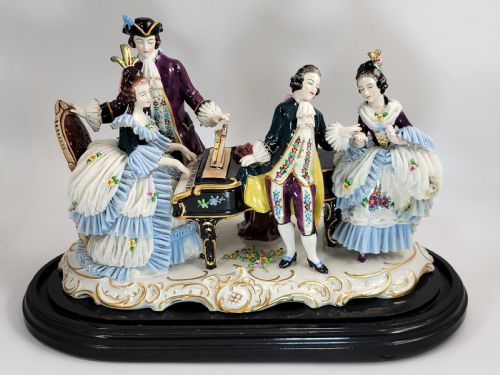
The pieces listed on this page encompass Victorian Staffordshire pottery groups, French biscuit porcelain busts, continental figures, and Japanese Edo-Meiji porcelain animals. Buyers frequently encounter nineteenth century Staffordshire poodles, spaniels, and musical groups alongside continental lace figures and French figural groups.
European factories produced everything from small portrait busts of Marie Antoinette to elaborate piano groups and table lamps. Japanese makers contributed glazed guardian lion dogs and religious figures, expanding the global scope of sculptural ceramics available to collectors.
Materials and construction
Potters shaped these figures using porcelain, earthenware, and biscuit porcelain, often applying glaze and enamel to add colour and surface definition. Gold leaf and gilt accents highlight decorative details on Victorian groups and continental porcelain pieces.
Manufacturers utilised specialised modelling techniques to capture fine textures, such as ceramic lace on piano groups and detailed fur on dog figures. Biscuit porcelain provided a matte, unglazed surface suited for classical busts and portrait sculptures.
Several Victorian dogs double as practical desk accessories, holding quill pens on ceramic cushions.
Distinctions in quality
The reputation of the workshop dictates value, with established factories achieving superior ceramic purity and more balanced sculptural proportions. Painted and glazed decoration requires steady execution to separate standard commercial output from masterworks.
Vion & Baury·Ernst Bohne Söhne·Chantilly·Meissen·Royal Worcester
The Blue White Porcelain Figurine Glossary
- Biscuit porcelain
- Unfired-looking unglazed ceramic material with a matte, porous texture. This finish mimics carved marble and was favoured for portrait busts and classical figures.
- Glaze
- A glassy coating fused to ceramic surfaces during firing to seal the body and add shine. It protects the underlying porcelain and deepens colour contrast.
- Enamel
- Opaque coloured glass fused to the surface of fired ceramics over the glaze. It provides vibrant tones for clothing and decorative motifs on figures.
- Staffordshire pottery
- Earthenware figures and groups produced in the English Midlands during the nineteenth century. These domestic items typically depict animals, literary scenes, and popular musicians.
- Gilt
- A thin layer of gold applied to ceramic surfaces for decorative enhancement. It accentuates raised details, borders, and sculptural ornaments.
Blue White Porcelain Figurine: Frequently Asked Questions
What periods do these figurines come from?
The selection spans the nineteenth century through the early twentieth century, incorporating Victorian, Art Deco, and Edo-Meiji periods.
Production dates cluster around the mid to late nineteenth century, reflecting the manufacturing output of European and Japanese kilns.
How were these figures used originally?
Owners placed these decorative items on mantelpieces, tables, and within glass cabinets to display taste and status in domestic interiors.
Certain pieces served functional roles, operating as table lamps, cigarette strikers, candlesnuffers, or quill holders alongside purely decorative display.
How do I care for antique porcelain?
Keep figurines out of direct sunlight and clean them gently with a dry, soft brush to remove dust from crevices and delicate surfaces.
Avoid using harsh chemical cleaners or submerging pieces in water, particularly items featuring delicate applied lace or surface gilding.
How do I identify a Victorian Staffordshire piece?
Staffordshire figures often depict domestic animals like poodles and spaniels, frequently modeled in pairs on glazed ceramic cushions.
These earthenware pieces typically date to the mid nineteenth century and display hand-painted markings or characteristic pottery potting techniques.