
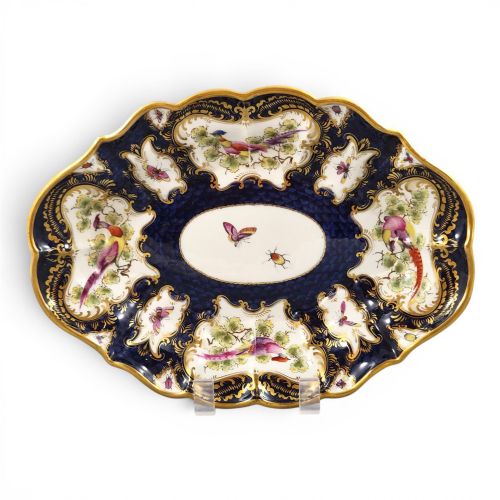


Blue White Pattern China
Blue white pattern china brings together centuries of hand-painted cobalt scenes, transfer-printed earthenware and delicate porcelain serving forms.
Blue White Pattern China
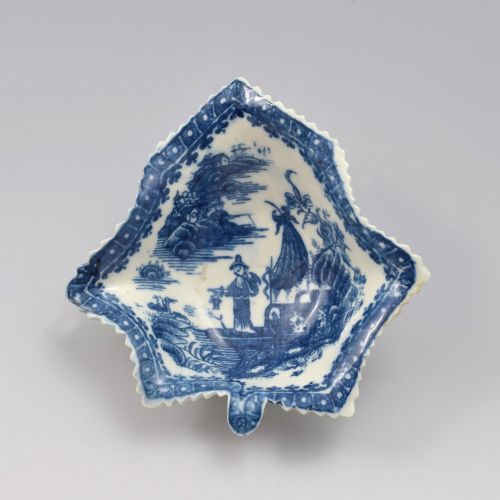
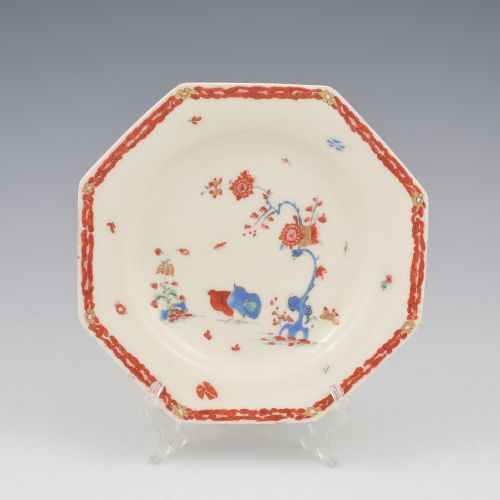
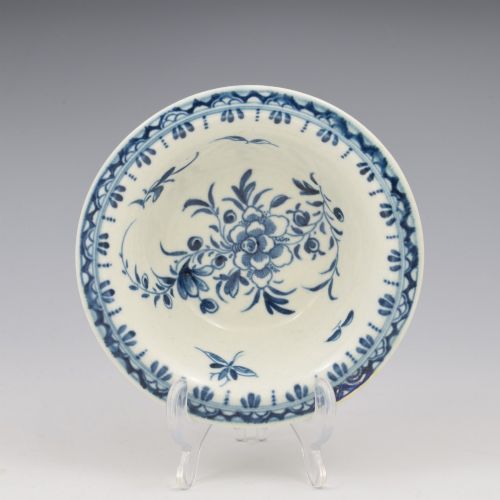
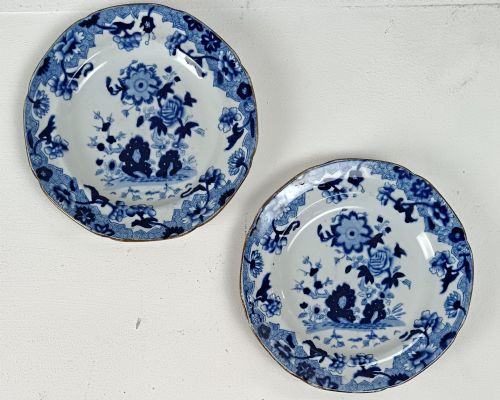
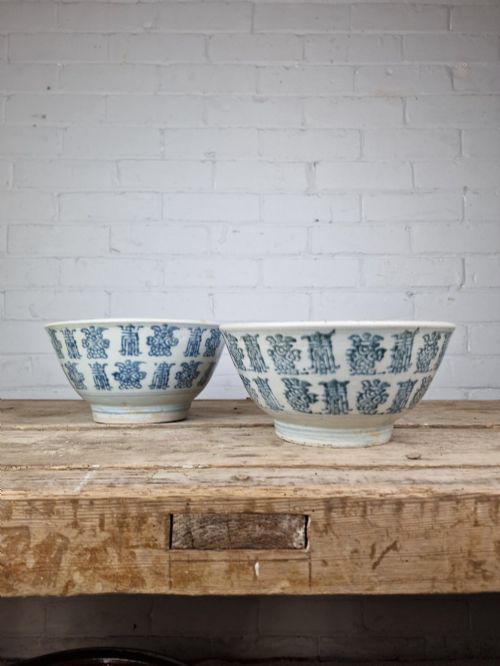
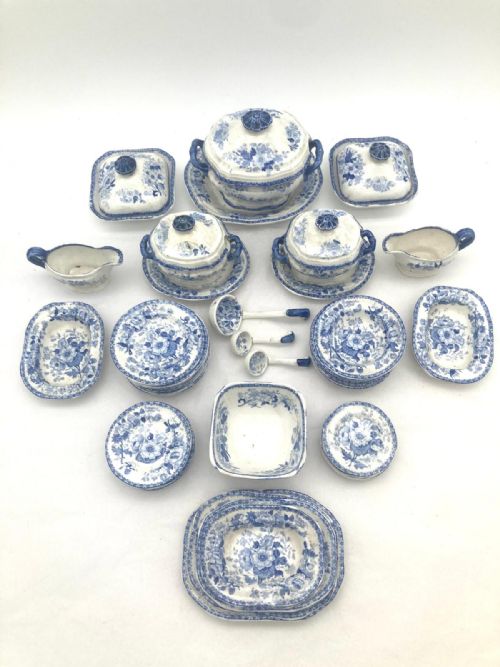
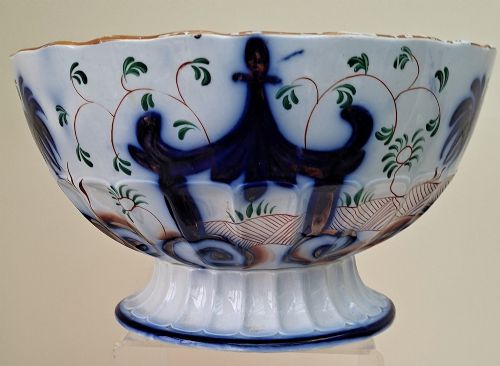
Blue white pattern china encompasses functional table services, decorative plates, tureens, sauce boats and pickle dishes spanning from the eighteenth century into the twentieth century. English factories and provincial Chinese kilns both supplied these domestic interiors with durable ceramics and refined porcelains.
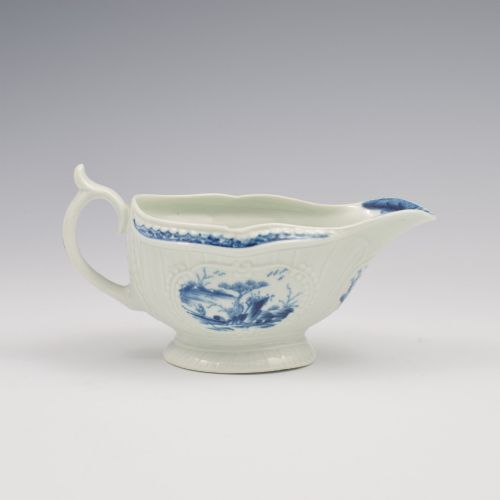
The selection on this page ranges from Georgian tea plates and Regency serving platters to Victorian transfer-printed earthenware and Edwardian dessert dishes. Collectors encounter everything from early Caughley pickle dishes to Mason's ironstone drainers and Wedgwood dinner services.
Materials and Technique
Potters built these wares using earthenware, ironstone, pearlware, soft-paste porcelain and standard ceramic bodies, applying cobalt glaze under the surface to achieve the deep blue coloration. Transfer printing allowed factories to press intricate designs like the Willow pattern onto plates and platters before a final protective glaze firing.
Early pieces from factories like Worcester and Caughley relied on delicate hand-painted motifs, while later nineteenth-century makers utilised copperplate transfer techniques to produce uniform floral sheet patterns and pictorial scenes across large sets.
Look closely for the wandering cows and pagodas hiding in the cobalt landscapes, where eighteenth-century artists let their imaginations run wild.
Evaluating the Pieces
Quality rests upon the crispness of the cobalt transfer and the delicacy of the underlying ceramic body, where early soft-paste porcelain pieces show greater translucency than later ironstone. The sharpness of detail in pictorial scenes like the Fisherman pattern or London Bridge pattern distinguishes standard production from superior work.
Completeness within a set and the survival of original covers on tureens, teapots and sucriers heavily influence the desirability of a piece. Firing purity and minimal glaze pooling separate finer cabinet pieces from utilitarian wares.
Caughley Porcelain·Bow Porcelain·Spode·Minton·Mason Ironstone·Coalport·Derby Porcelain·Ridgway Porcelain·Wedgwood·Elkin And Newbon·William Adams·J And R Clews·Brameld And Co
The Blue White Pattern China Glossary
- Cobalt Glaze
- A deep blue metallic oxide applied beneath or over the ceramic glaze to create the characteristic colour of these wares. It reacts to high kiln temperatures to produce varied tonal depths.
- Ironstone
- A dense, durable type of earthenware patented in the nineteenth century to withstand heavy daily use. It provided a strong white body well-suited to transfer-printed patterns.
- Soft-paste Porcelain
- An artificial porcelain composition fired at lower temperatures than hard-paste, common in eighteenth-century English factories. It yields a warm, slightly creamy body with considerable translucency.
- Transfer Printing
- A mechanical decoration technique where an engraved copper plate transfers an inked design onto tissue paper, which is then pressed onto the ceramic biscuit. This method revolutionised pottery production in the Georgian era.
- Pearlware
- A refined earthenware developed around the late eighteenth century featuring a subtle bluish glaze that made the underlying ceramic appear whiter. It served as a popular canvas for blue and white Chinoiserie scenes.
Blue White Pattern China: Frequently Asked Questions
How do I date blue white china?
Dating relies on identifying the ceramic body, such as soft-paste porcelain versus heavy ironstone, alongside factory marks stamped or painted on the underside. Stylistic cues like Chinoiserie motifs point to the eighteenth century, while dense transfer printing often indicates the Victorian period.
Examining the glaze consistency and foot rim finish helps distinguish eighteenth-century provincial pieces from later nineteenth-century reproductions and commemorative editions.
Can I use these antiques daily?
While durable ironstone and sturdy Victorian plates can handle gentle everyday use, eighteenth-century soft-paste porcelain and delicate tea sets require careful handling and hand washing. Thermal shock and modern dishwashers will damage antique glazes and age the ceramic.
Displaying them in cabinets or using them strictly for special occasions protects the cobalt decoration from fading and preserves the structural integrity of handles and spouts.
What is Chinoiserie pattern china?
Chinoiserie designs reflect European imaginative interpretations of Chinese art, featuring pagodas, bridges, exotic birds and figures in gardens. These pictorial motifs dominated eighteenth-century English porcelain production before evolving into popular nineteenth-century scenes.
First Period Worcester and Caughley frequently employed these romanticized oriental landscapes on tea bowls, sauce boats, and pickle dishes.
Why are some pieces marked while others are unmarked?
Many early eighteenth-century factories like Bow and early Worcester did not routinely stamp their wares, relying instead on painted workman marks or crescent symbols. Systematic maker marks and pattern numbers became standard practice only during the nineteenth century.
Unmarked pieces are attributed through body composition, glaze characteristics, and matching archival pattern records rather than a formal factory stamp.