



Antique English Tea Bowl
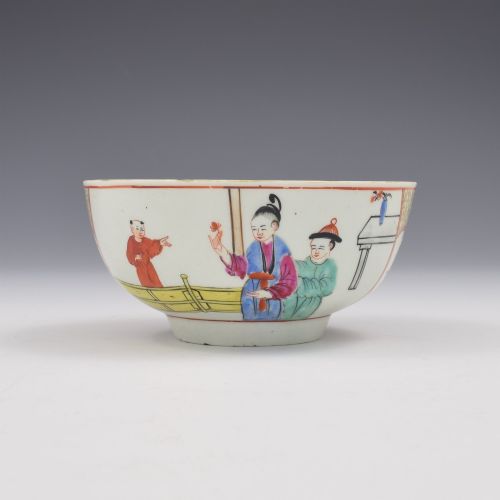
When you search for an antique English tea bowl, you are looking for small, handleless drinking vessels shaped by eighteenth and nineteenth-century hands.
Antique English Tea Bowl
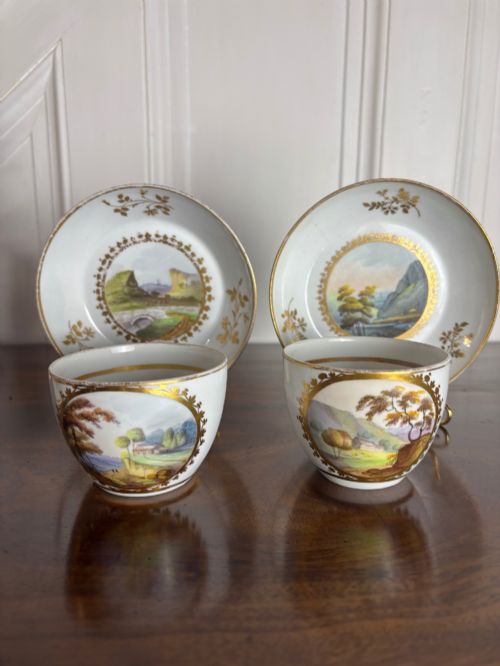
An antique English tea bowl is a small, handleless cup designed for early tea drinking before handled teacups became standard. The pieces seen on this page emerge primarily from the eighteenth and nineteenth centuries, spanning Georgian and Regency periods alongside Victorian examples.
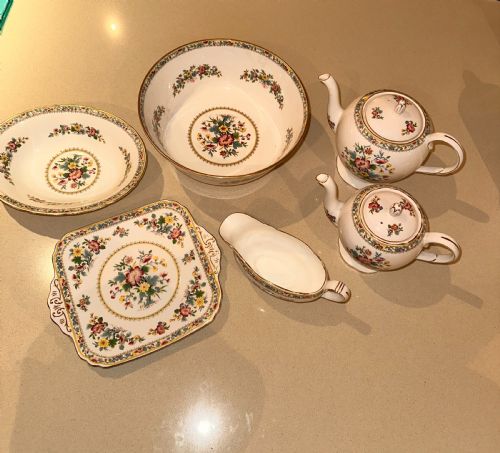
The forms range from solo tea bowls and matched saucers to wider slop bowls and broader tea sets. These domestic vessels reflect the shifting habits of British tea consumption across porcelain, creamware, and soft-paste bodies.
Buyers will encounter eighteenth-century porcelain tea bowls alongside later nineteenth-century variations. These items survive from periods when tea was an expensive commodity poured from caddies into small ceramic cups.
Materials and methods
Potters built these vessels using porcelain, soft-paste porcelain, bone china, and creamware pottery. Early works often relied on soft-paste bodies that required careful kiln firing and absorbed glaze differently than later hard-paste porcelain.
Decoration relied on hand-painted motifs, blue and white underglaze printing, enamel colours, and gilding with gold leaf. Factories applied patterns such as Chinoiserie scenes, floral sprays, and Imari palettes directly onto the fired glaze.
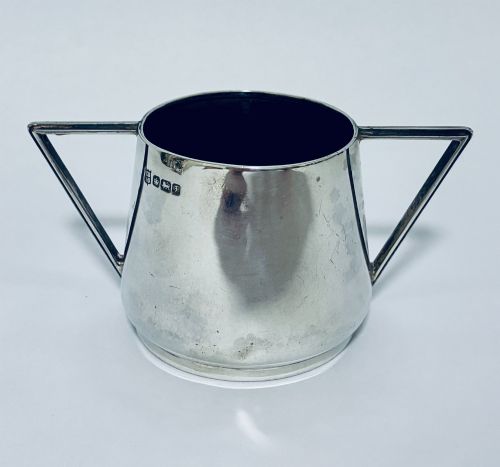
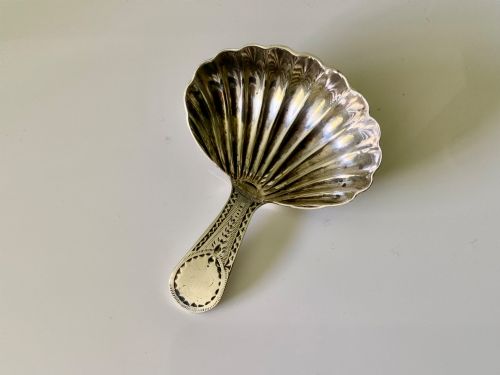
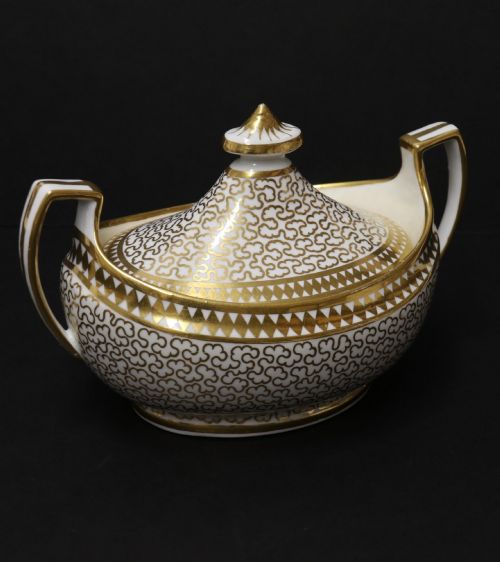
Object forms span tea bowls, saucers, sucriers, slop bowls, full tea sets, and decorative caddy spoons.
What separates the grades
Quality rests in the crispness of the porcelain body, the precision of the hand-painted or transfer-printed decoration, and the stability of the glaze. Earlier pieces often display subtle kiln warps or surface speckling inherent to eighteenth-century firing methods.
The refinement of the potting, the translucency of the ceramic paste, and the complexity of the enamel or gold leaf application distinguish standard production from exceptional factory output.
Dr Wall Worcester·Chamberlains Worcester·Spode·Minton·Royal Crown Derby·Flight Barr and Barr·Ridgway·Benjamin Smith·James Giles·Lowestoft·Coalport·Doulton
The Antique English Tea Bowl Glossary
- Tea bowl
- A small, handleless drinking vessel used for tea before cups with handles became common. These pieces date largely to the Georgian and Regency eras.
- Slop bowl
- A larger matching bowl used during tea service to discard spent tea leaves and dregs. They form part of wider tea sets alongside cups and saucers.
- Sucrier
- A covered sugar bowl or sugar box designed to hold loose sugar during tea service. They appear in porcelain and earthenware across eighteenth and nineteenth-century listings.
- Soft-paste porcelain
- An artificial porcelain composition fired at lower temperatures than hard paste, common in early English factories. It produces a warm, slightly creamy body with distinct glaze characteristics.
- Creamware
- A refined earthenware developed in Staffordshire featuring a pale yellow or cream-coloured lead glaze. It offered an affordable alternative to imported porcelain.
Antique English Tea Bowl: Frequently Asked Questions
What is an antique English tea bowl?
An antique English tea bowl is a small, handleless drinking vessel produced by domestic potteries during the eighteenth and nineteenth centuries. These vessels were held in two hands to sip hot tea before handled cups took over.
They appear in porcelain, soft-paste porcelain, and creamware, often decorated with hand-painted blue and white designs, enamel flowers, or gilt borders.
How were antique tea bowls used?
Tea bowls were used for drinking tea from loose leaves during the Georgian and Regency periods. Hot water was poured from an urn or kettle into the bowl after measuring leaves from a tea caddy.
They sat alongside matching saucers, slop bowls for discarded leaves, and sucriers for sugar. The small size helped retain heat when tea was a costly luxury.
How do I care for an antique tea bowl?
Antique tea bowls require gentle hand washing in warm water with mild soap. Avoid modern dishwashers, harsh scrubbers, and sudden temperature changes that can crack old glaze or damage gold leaf.
Store them securely on stable shelving away from edges. Because soft-paste porcelain and earthenware can be porous or fragile, handle them by the body rather than thin rims.
How do I date an antique tea bowl?
Dating relies on examining the ceramic body, glaze characteristics, factory marks, and decorative style. Eighteenth-century pieces often feature soft-paste porcelain bodies and hand-painted blue and white underglaze.
Nineteenth-century examples frequently show refined bone china, transfer printing, or Victorian Imari and Neoclassical patterns. Comparing the piece to recorded factory periods helps narrow the decade.