

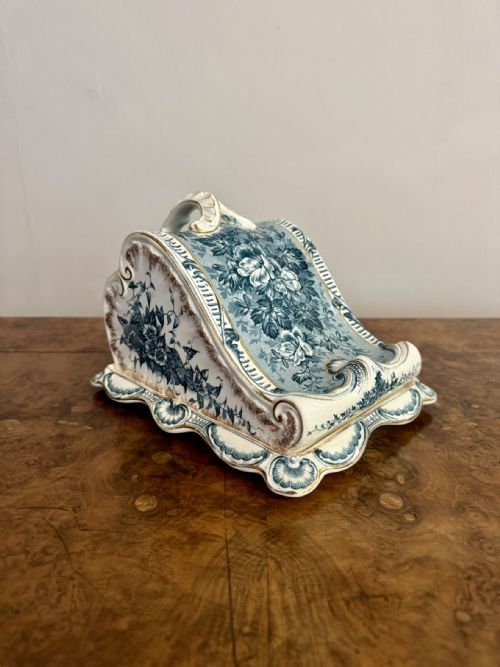
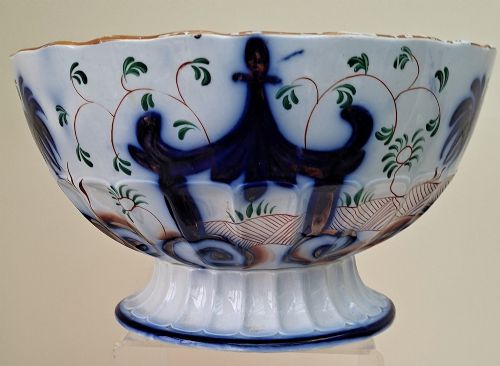
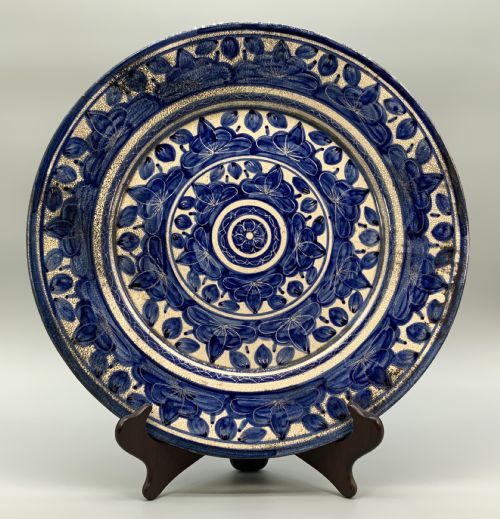
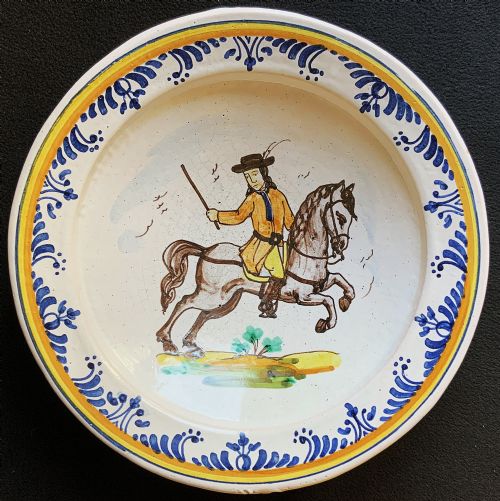

Blue White Decorative Dish
A blue white decorative dish brings painted cobalt pigments and centuries of global ceramic history straight to your table.
Blue White Decorative Dish
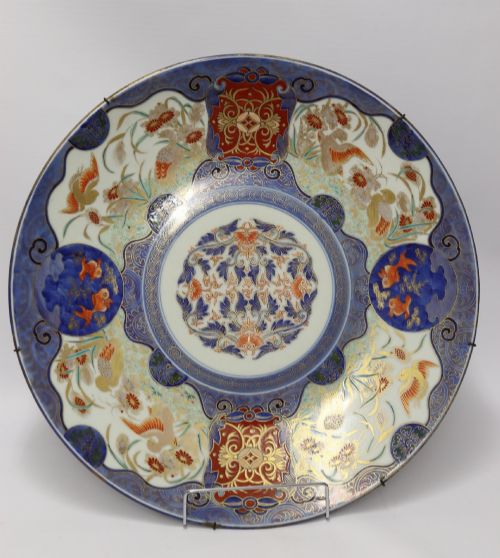
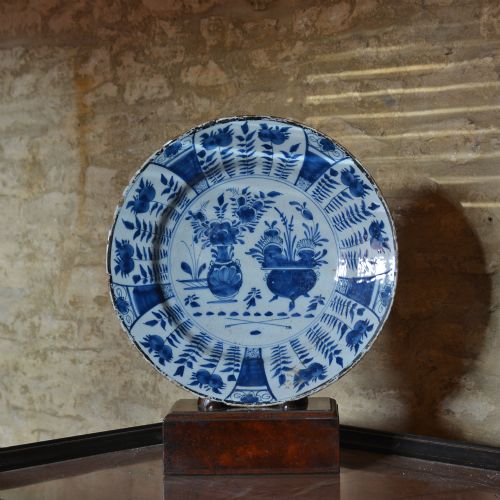
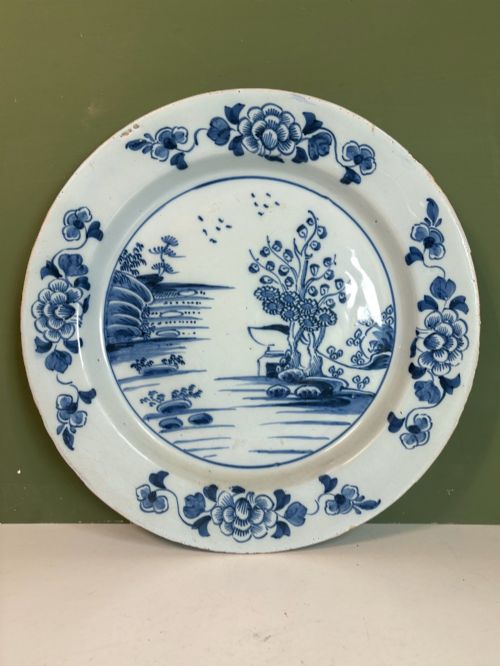
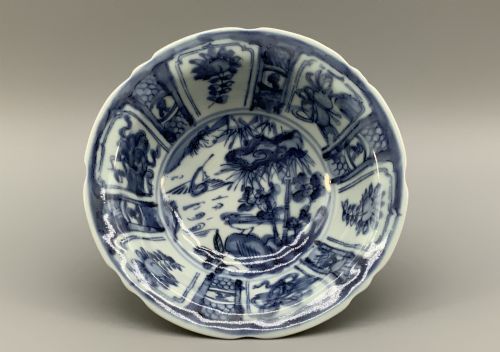
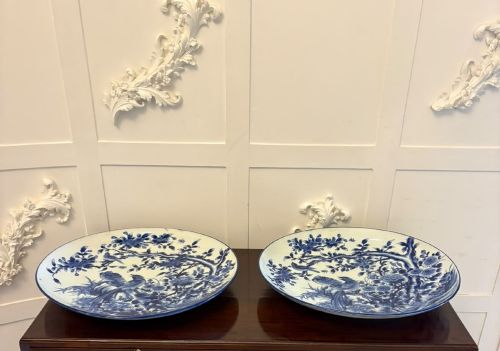
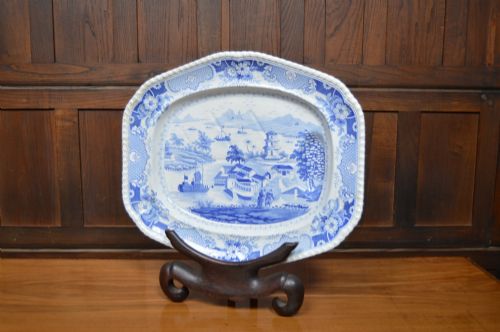
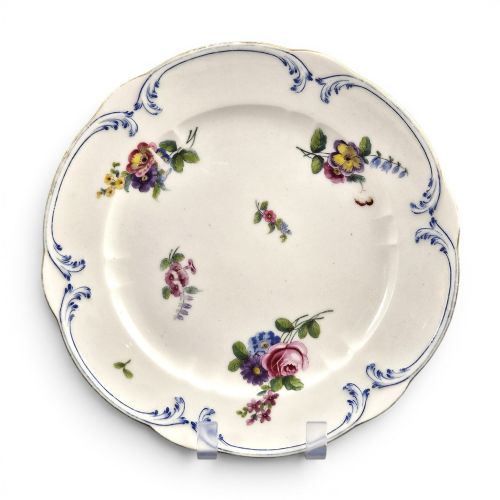
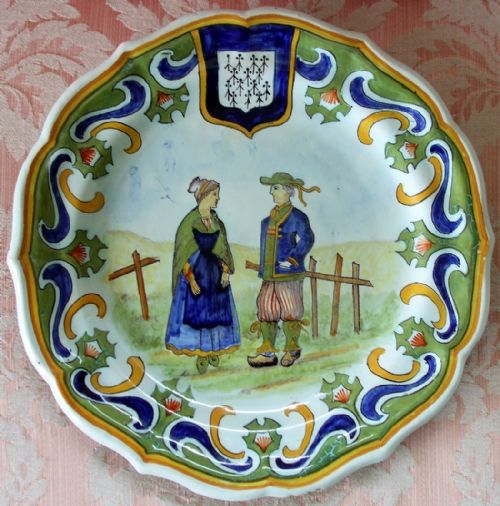
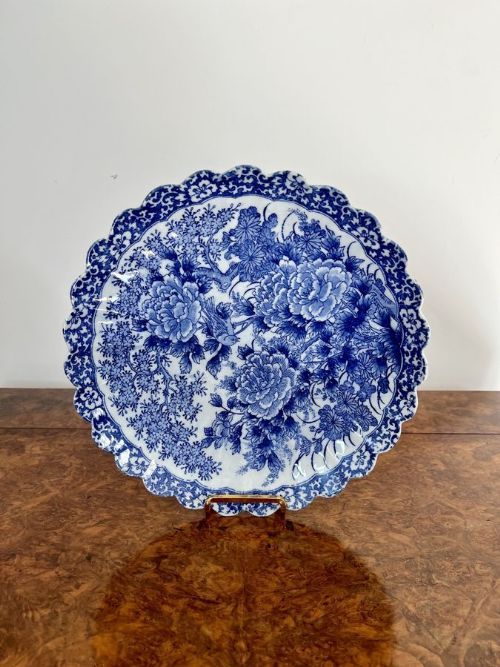
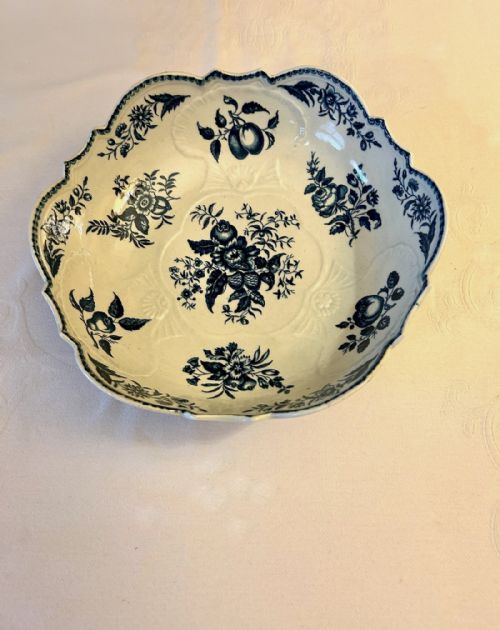
A blue white decorative dish encompasses everything from large chargers and servingplatters to footed bowls and scalloped plates. You will find pieces spanning the seventeenth through the nineteenth centuries, covering English transferware, Chinese export porcelain, and Japanese Imari.
The selection ranges from eighteenth-century Delft chargers and Worcester tableware to Victorian earthenware platters and Japanese Arita porcelain. These items served functional roles in dining and display across European and Asian households.
Materials and methods
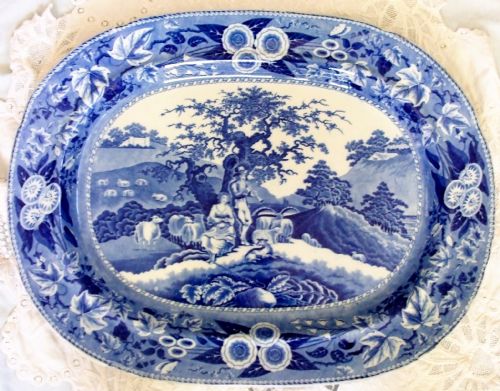
Potters shaped these objects from ceramic bodies including soft-paste porcelain, earthenware, pearlware, and stoneware, applying cobalt pigment beneath a clear glaze before firing. Many English pieces utilise transfer printing to apply intricate pastoral scenes onto the pottery surface.
Asian workshops combined hand-painted cobalt decoration with moulded floral elements, occasionally pairing blue pigments with enamel highlights on porcelain. European factories developed tin-glazed faience and refined stone china to replicate imported oriental styles.
Blue White Decorative Dish Retail Price Guide 2026
Typical asking prices for blue white decorative dish among the pieces listed under this phrase on Sellingantiques today, from the lower quarter to the upper quarter. They describe what is for sale here now, not the wider market.
Early potters occasionally included hidden underglaze imperfections that give swimming carp and pastoral sheep a surprisingly whimsical expression.
Judging execution
Quality rests upon the crispness of the cobalt painting, the purity of the glaze, and the precision of the moulded or thrown form. Earlier pieces often display subtle potting irregularities that reveal the hand of the maker.
The clarity of transfer-printed details and the complexity of the border decoration distinguish standard domestic ware from exceptional export and factory productions.
Ambroise Michel·Doulton Burslem·John Ridgway·William Adams
The Blue White Decorative Dish Glossary
- Charger
- A large decorative plate or dish, typically intended for display on a sideboard or wall rather than for everyday dining.
- Transferware
- Pottery decorated by applying a printed design from an engraved copper plate onto the ceramic surface using a tissue paper transfer.
- Imari
- Japanese porcelain decorated in underglaze blue and contrasting overglaze enamel colours, heavily exported to Europe.
- Delft
- Tin-glazed earthenware produced in workshops in England and the Netherlands, featuring opaque white glaze painted with cobalt motifs.
- Faience
- European tin-glazed earthenware related to majolica and delftware, often formed into large decorative centrepiece dishes.
Blue White Decorative Dish: Frequently Asked Questions
How do I display a large charger safely?
Large chargers and platters require sturdy plate hangers designed to distribute weight evenly across the rim. Ensure the wall fixing secures firmly into masonry or studwork.
Alternatively, heavy chargers rest securely in deep wooden display stands upon mantelpieces or sideboards.
Are these antique dishes suitable for daily use?
Most antique soft-paste porcelain and delicate earthenware pieces benefit from gentle handling and decorative display rather than heavy service. Older glazes can craze and absorb liquids over time.
Sturdier nineteenth-century ironstone and transferware platters tolerate occasional serving use when hand washed with mild soap.
What causes crazing on antique pottery?
Crazing appears as a fine network of tiny cracks across the glazed surface, caused by the glaze shrinking at a different rate than the ceramic body during firing. Age and temperature fluctuations accelerate this natural process.
While crazing marks the passage of time, it does not necessarily threaten the structural integrity of a decorative dish.