


Blue White Decorative Ceramics
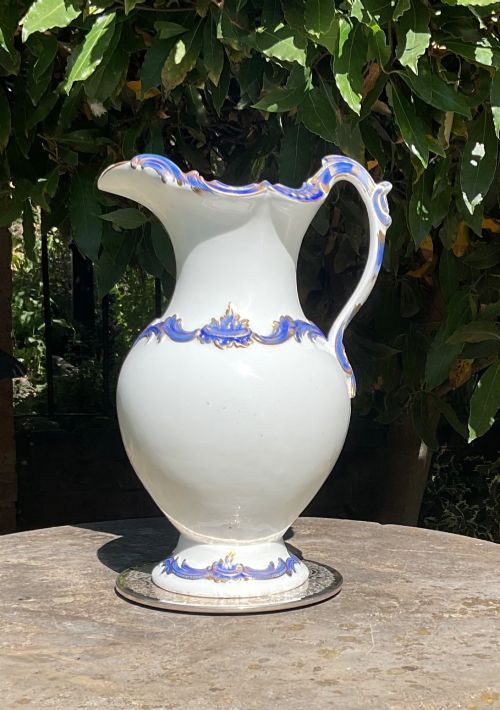
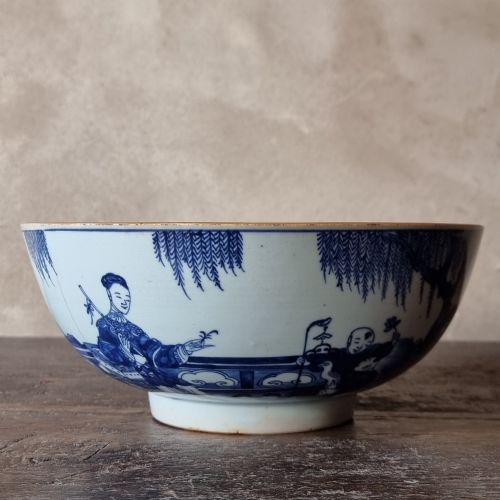
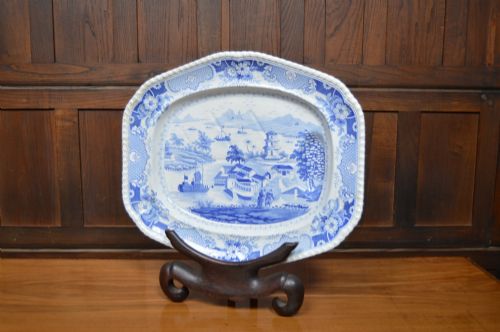
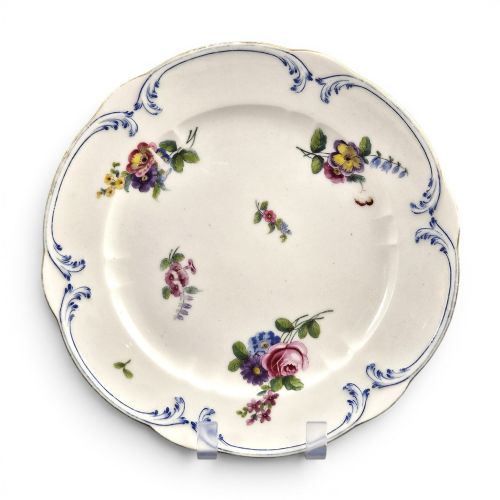
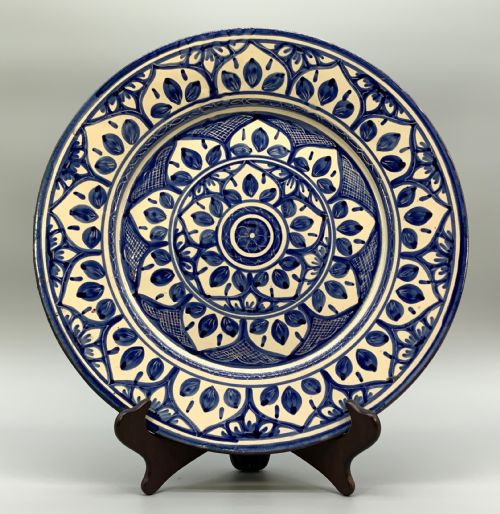
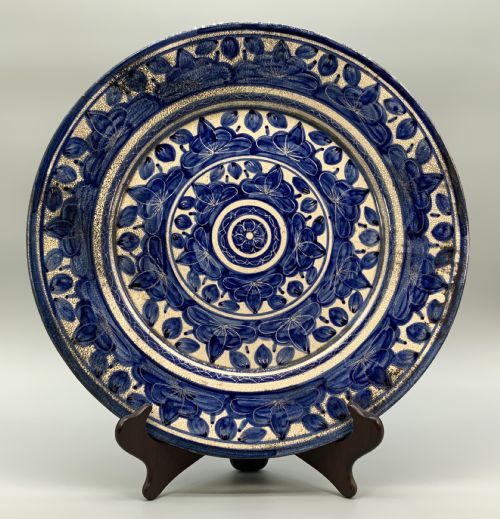
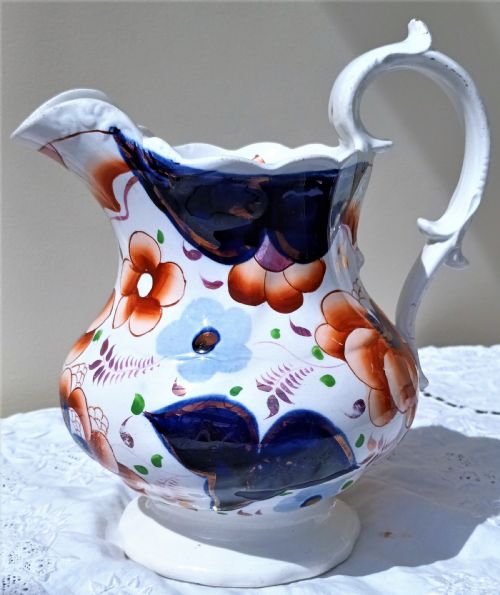
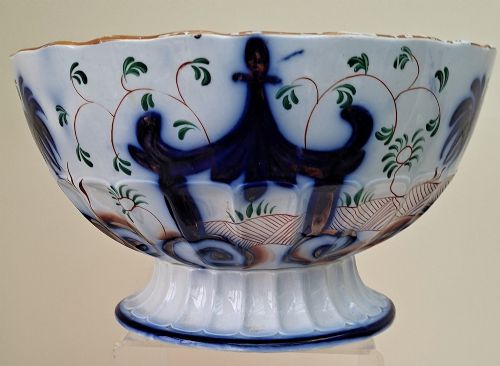
These blue white decorative ceramics bring together centuries of global porcelain and earthenware craftsmanship.
Blue White Decorative Ceramics
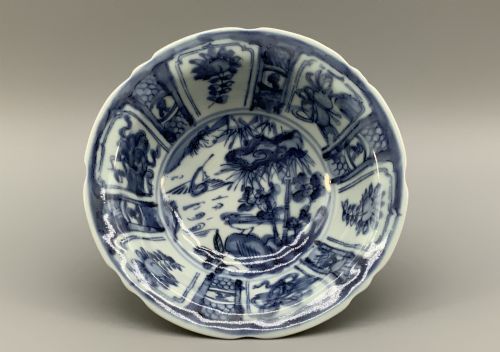
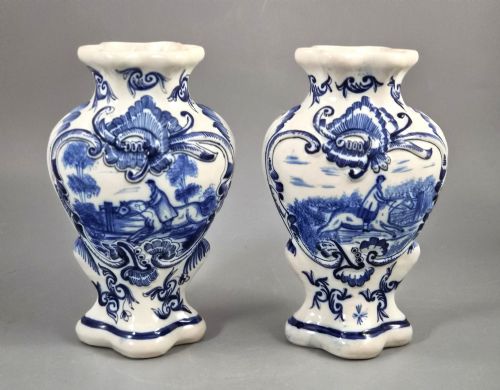
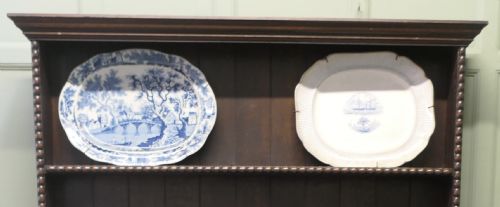
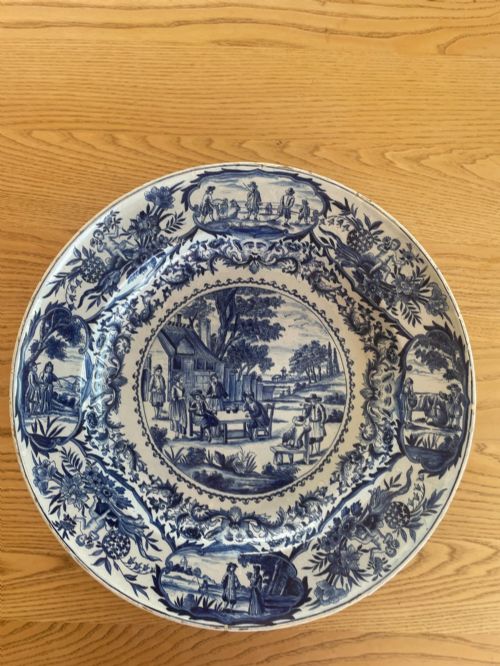
Blue white decorative ceramics encompass an international variety of vessels, plates, and chargers produced across multiple centuries. When exploring blue white decorative ceramics, buyers encounter everything from 18th-century Delft chargers and Chinese porcelain bowls to Victorian transferware platters and Japanese Imari porcelain.
The selections span numerous forms including large serving platters, table lamps, monumental vases, and decorative bowls. European factories and Asian kilns both contributed distinct aesthetic traditions to this category, creating items intended for both utility and display.
How They Were Made
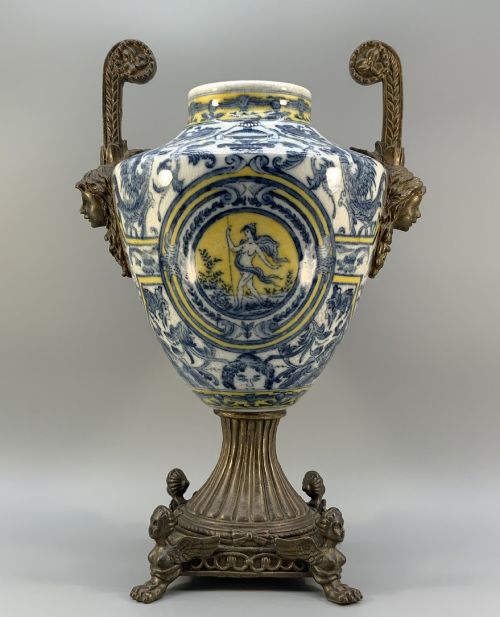
Potters utilised materials such as porcelain, earthenware, ironstone, and stoneware, applying cobalt glaze or transfer printing techniques to achieve the characteristic blue and white surface designs. Many pieces combine traditional hand-painted motifs with specialised glazes, while others incorporate applied elements like bronze mounts or gilt highlights.
Factories employed diverse firing methods, ranging from soft-paste porcelain production in 18th-century France to industrial ironstone manufacturing in 19th-century England. Faience and Delft production involved tin-glazing earthenware surfaces before applying pigment, while Japanese kilns utilised hand-painted cobalt over porcelain bodies.
Certain large vases found a second life as table lamps during the Regency period.
What Varies in Quality
The refinement of the ceramic body itself dictates value, where high-fired porcelain or well-potted ironstone demonstrates greater durability and thinner walls than heavier earthenware. Condition and the integrity of original glazes or decorative mounts further distinguish standard production items from masterworks.
Fourmaintraux-Courquin at Desvres·Ambroise Michel·Stubbs·Hicks and Meigh·Doulton Burslem·Wedgwood·Spode·John Ridgway
The Blue White Decorative Ceramics Glossary
- Charger
- A large ornamental plate typically used for display rather than dining. These substantial pieces often feature elaborate painted or transfer-printed scenes.
- Transferware
- Pottery decorated by applying a printed design from an engraved copper plate onto the ceramic surface via tissue paper. This technique enabled intricate pictorial patterns to be reproduced consistently.
- Faience
- Tin-glazed earthenware produced in Europe, particularly associated with French and Dutch traditions. It provides an opaque white background suitable for painted decoration.
- Imari
- A style of Japanese porcelain featuring cobalt blue and iron red, often accented with gold. Named after the port of export, these wares became highly influential in European decorative schemes.
- Ironstone
- A heavy, durable type of earthenware patented in the 19th century to imitate porcelain. It combines feldspar and china stone to create a robust body suitable for domestic service.
Blue White Decorative Ceramics: Frequently Asked Questions
Are these plates meant for dining?
Most historic plates and chargers in this category functioned primarily for display or ceremonial presentation. Items like chargers and large platters are generally too valuable or delicate for daily meals.
Transferware plates from the 19th century were used for dining, but surviving examples are best preserved through careful handling or wall mounting.
What is the difference between porcelain and earthenware?
Porcelain is fired at much higher temperatures, resulting in a vitreous, non-porous body that often rings when struck and can be translucent. Earthenware is more porous, fired at lower temperatures, and requires a glaze to remain watertight.
Ironstone occupies a middle ground, offering the durability of stone with the refined appearance of lighter ceramics.
How do I identify transferware patterns?
Look for printed factory marks, registry diamonds, or pattern names stamped or impressed on the underside of the base. Stylistic clues within the border design and central landscape also help attribute patterns to specific English potteries.
Reference books dedicated to nineteenth-century transfer printing provide detailed documentation for matching unknown scenes.