



Blue White Ceramic Set
A blue white ceramic set brings cobalt transfer patterns and tin-glazed earthenware directly to the table or washstand from past centuries.
Blue White Ceramic Set
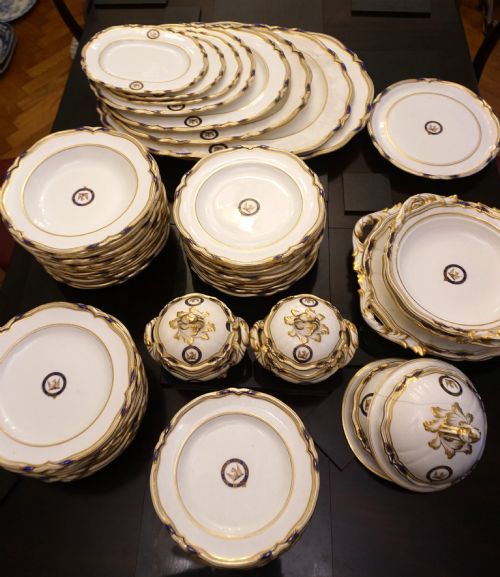
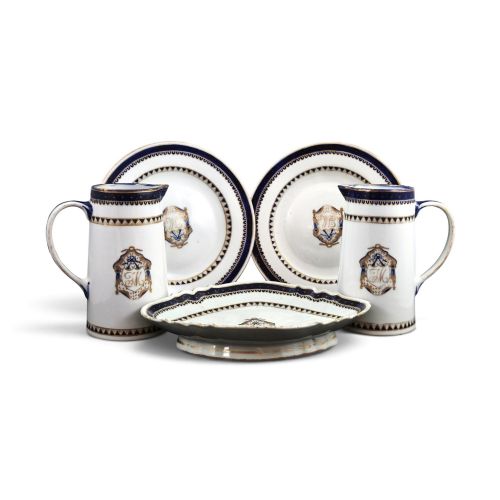
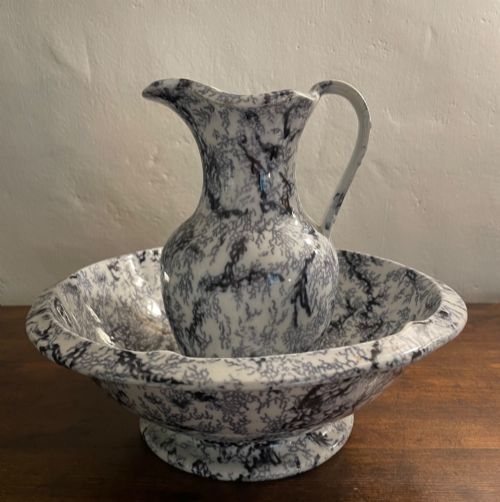
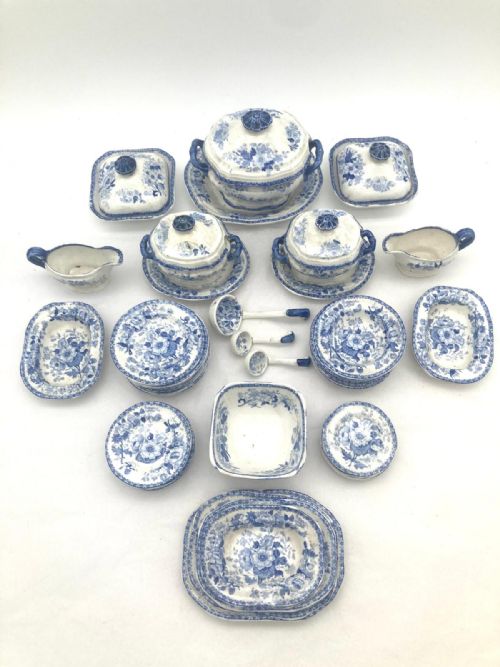
A blue white ceramic set comprises matched groups of vessels, plates, or desk accessories created across the eighteenth and nineteenth centuries. The pieces range from large footbaths and washstand basins to miniature child services and inkstands.
Most examples encountered here originate from English potteries or continental workshops, utilising traditional transfer printing and hand-painted cobalt decoration. Forms include dinner services, dessert sets, and toilet ware designed for daily utility or display.
Collectors find everything from utilitarian ironstone jugs to delicate porcelain trios and Delft tiles. These groupings reflect the widespread domestic demand for cobalt blue wares throughout the Victorian, Georgian, and Regency eras.
How they were made
Potters shaped these objects using earthenware, ironstone, and porcelain bodies, frequently applying an opaque tin glaze or transparent lead glaze over the surface. Cobalt oxide provided the characteristic blue pigment, which withstood high kiln temperatures without losing intensity.
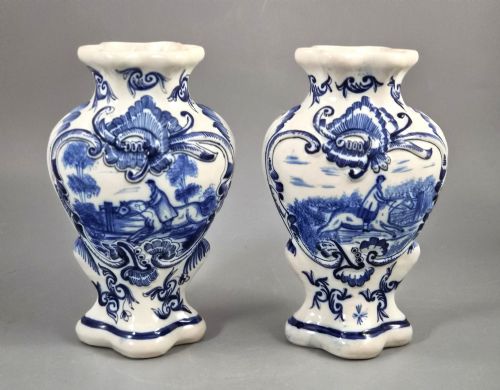
Decoration relied heavily on copper-plate transfer printing to apply intricate sheets of floral, landscape, or figural motifs onto the clay before glazing and firing. Artisans also hand-painted specific details in blue on faience, porcelain, and Delftware pieces.
Blue White Ceramic Set Retail Price Guide 2026
Typical asking prices for blue white ceramic set among the pieces listed under this phrase on Sellingantiques today, from the lower quarter to the upper quarter. They describe what is for sale here now, not the wider market.
Early nineteenth-century Staffordshire potters occasionally named their patterns after rampaging farmyard animals, resulting in enduringly eccentric titles like the crazy cow.
What varies in quality
Quality rests upon the crispness of the cobalt transfer and the subtlety of the underlying ceramic body, whether fine porcelain or sturdy ironstone. Finer pieces display sharp lines, well-registered patterns, and smooth glazes free from excessive pooling or kiln distortion.
The artistic ambition of the pattern, from standard willow designs to complex hand-painted botanical scenes or pictorial transfer subjects, elevates certain sets above ordinary utility wares. Completeness within multi-piece services and the survival of matching covers or stands also influence the standing of an object.
Fourmaintraux Courquin Desvres·Minton·Masons Ironstone·Copeland·Coalport·Doulton Burslem·Wedgwood·Ridgway·Elkin And Newbon
The Blue White Ceramic Set Glossary
- Flow blue
- A nineteenth-century transfer printing technique where volatile chlorides were introduced into the kiln to deliberately blur the cobalt design into the surrounding glaze. This created a soft, hazy aesthetic highly prized in Victorian toilet and tea services.
- Ironstone
- A durable, heavy earthenware patented in the early nineteenth century that resisted chipping and absorbed less moisture than traditional soft-paste bodies. It formed the robust foundation for many large jugs, basins, and dinner services.
- Tin-glazed earthenware
- Pottery coated with a white glaze containing tin oxide, providing an opaque white ground for painted cobalt decoration. It is characteristic of Dutch Delftware and French faience production.
- Transfer printing
- A mechanical method of applying complex decorative patterns to ceramic bodies by pressing paper from an engraved copper plate onto the biscuit or glazed ware. It revolutionised mass production in Staffordshire potteries.
- Pearlware
- A refined earthenware developed by Josiah Wedgwood in the late eighteenth century featuring a subtle bluish-white glaze that visually referenced Chinese porcelain. It frequently carried blue and white painted or printed motifs.
Blue White Ceramic Set: Frequently Asked Questions
How do I identify antique Delftware?
Antique Delftware typically consists of tin-glazed earthenware decorated with hand-painted cobalt blue designs inspired by Chinese export porcelain. The bodies are often buff or pinkish earthenware beneath the opaque white glaze.
Examining the foot rim and glaze pooling can reveal clues about age and manufacturing technique. Most pieces originate from Dutch or English workshops active during the eighteenth and nineteenth centuries.
What was a washstand set used for?
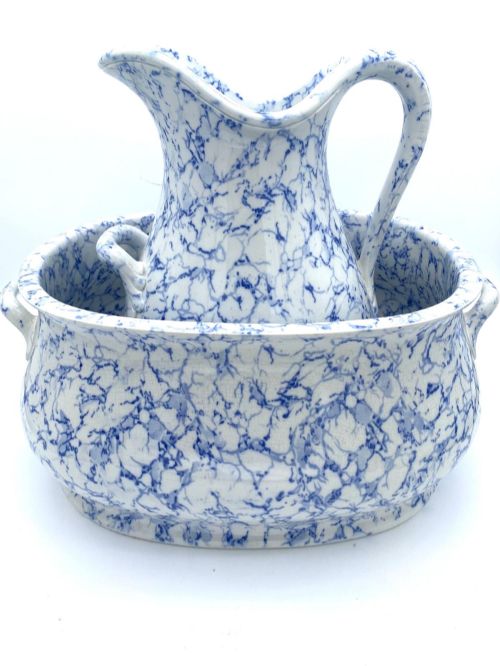
A washstand set provided the necessary vessels for morning ablutions in bedrooms before modern indoor plumbing became standard. A typical grouping included a large basin, a matching jug, and accessory containers for soap and brushes.
These ceramic sets sat on wooden washstands and matched the decorative scheme of the room. Ironstone and earthenware examples were favoured for their durability against daily water use.
How should I clean blue white ceramics?
Cleaning antique blue and white ceramics requires gentle hand washing with lukewarm water and mild soap. A soft cloth prevents unnecessary abrasion to the historic glaze and delicate transfer-printed surfaces.
Harsh chemical detergents and dishwashers should be avoided to protect the integrity of the earthenware or porcelain body. Careful drying with a lint-free towel ensures the pieces remain preserved for daily enjoyment.