






Blue Water Landscape
Blue water landscape paintings capture aquatic scenes across centuries, offering buyers evocative glimpses of rivers, lakes, and coastal views.
Blue Water Landscape
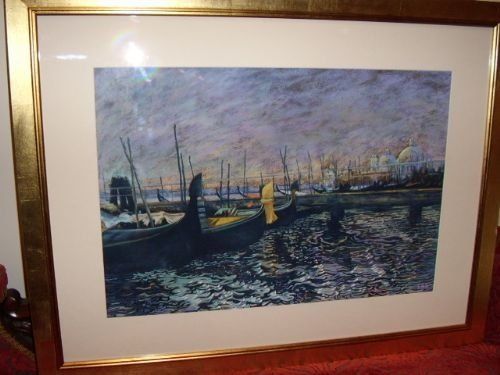
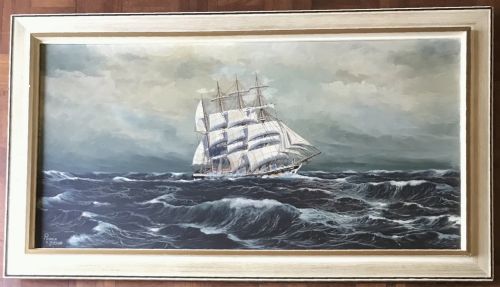
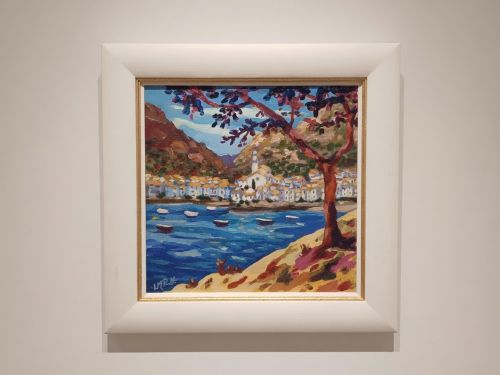
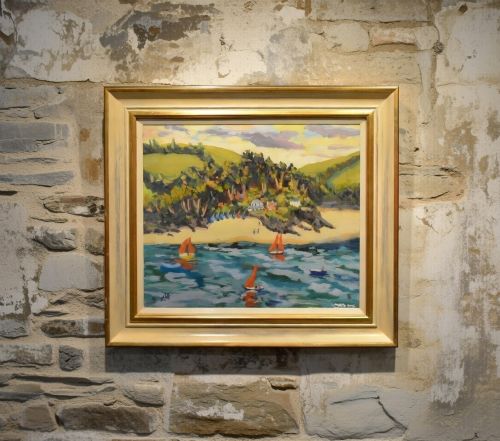
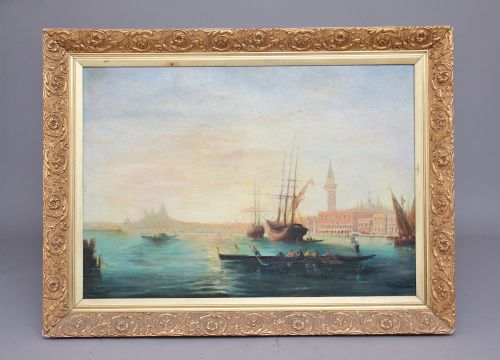
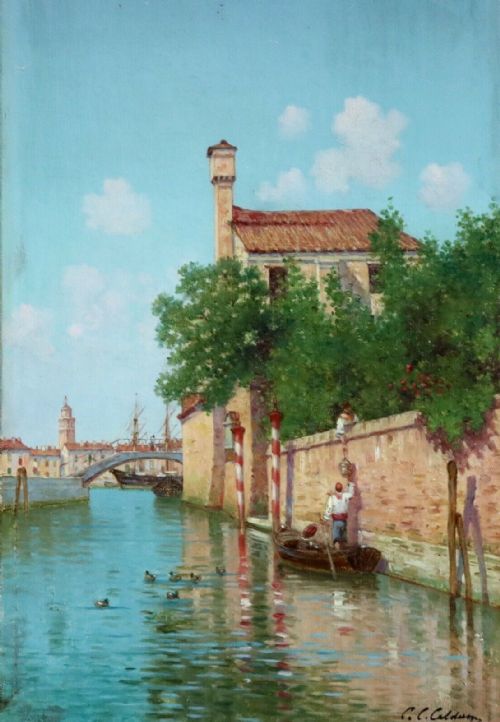
A blue water landscape centres on aquatic settings, depicting rivers, lakes, canals, and coastal seascapes from various historical periods. These works capture atmospheric conditions over water, ranging from serene lakes to stormy maritime environments.
The selections span the nineteenth century through the mid twentieth century, encompassing impressionist compositions and traditional topographical views. Buyers frequently encounter watercolours on paper and oil paintings on canvas depicting European waterways and British coastal scenes.
Materials and Techniques
Artists utilised oil paint on canvas and wood panel to build rich, textured surfaces that convey the depth and movement of water. Watercolour on paper was similarly employed to achieve translucent, fluid effects for lighter atmospheric scenes.
Framed works often incorporate traditional elements such as gesso moulding to complement the canvas or paper support. The combination of these mediums defines the physical character of the surviving paintings.
Blue Water Landscape Retail Price Guide 2026
Typical asking prices for blue water landscape among the pieces listed under this phrase on Sellingantiques today, from the lower quarter to the upper quarter. They describe what is for sale here now, not the wider market.
Listings feature paper, wood, canvas, and glass materials across nineteenth-century and twentieth-century periods.
Distinctions in Quality
The distinction between standard works and superior pieces rests on the artist's handling of light and atmospheric depth over water. Accomplished brushwork successfully renders the reflection and movement of aquatic environments rather than relying on stiff convention.
Condition of the canvas, paper, and original framing elements also separates finer examples from more weathered instances. Superior pieces retain the intended vibrancy of the pigments and the structural integrity of their supports.
Lucy Pratt·Arthur Reginald Smith·Armand Guillaumin·Edith E Caswall·William Knox·Arthur Joseph Meadows·Carleton Grant·Tom Dudley·Yves Brayer·Adolphe Gumery·Owen Bowen·Charles Clement Calderon·J W Carey
The Blue Water Landscape Glossary
- Oil painting
- A work executed with pigments suspended in a drying oil, typically applied to canvas or wood panel. This medium allows for deep colour saturation and textured impasto.
- Watercolour
- A painting method where fine pigment powders are suspended in a water-soluble binder, traditionally applied to paper. It yields translucent washes of colour well suited to light-filled aquatic scenes.
- Impressionism
- A nineteenth-century painting style characterised by relatively small, thin, yet visible brush strokes and an emphasis on accurate depiction of light. It frequently appears in outdoor landscape and water studies.
- Gesso
- A paint mixture consisting of a neutral binder mixed with chalk, gypsum, or pigment, used as a prepared surface on frames or panels. It provides a smooth base for subsequent decorative or gilding layers.
- Seascape
- A work of art that depicts the sea, serving as the marine equivalent of a land landscape. These pieces often feature ships, coastal jetties, or open expanses of water.
Blue Water Landscape: Frequently Asked Questions
What periods do these paintings represent?
The inventory encompasses works dating from the nineteenth century through the mid twentieth century, including Edwardian pieces and mid-century examples.
These varied dates reflect shifting artistic approaches to capturing water and light across different European schools.
How were these water scenes typically displayed?
Most works are framed, often featuring wooden structures that sometimes incorporate gesso ornamentation.
Proper framing protects the delicate paper of watercolours or the exposed edges of canvases from environmental wear.
What subjects appear in these artworks?
Common subjects include Venetian canals, French rivers, coastal shipping vessels, and quiet inland lakes.
Artists focused on the interaction between water, sky, and surrounding architecture or foliage.
How do I care for antique paintings?
Works on paper and canvas require stable indoor humidity levels and protection from direct sunlight to prevent fading.
Keeping pieces away from extreme temperature fluctuations preserves both the pigments and the supporting materials.