
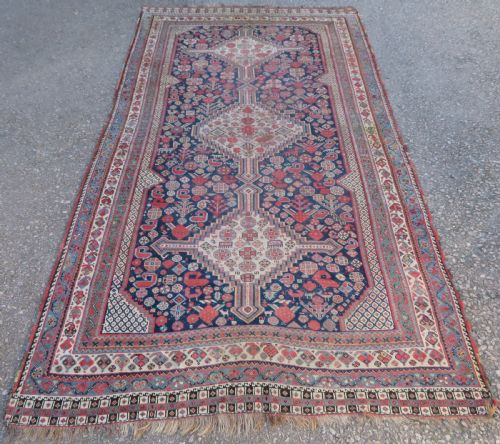
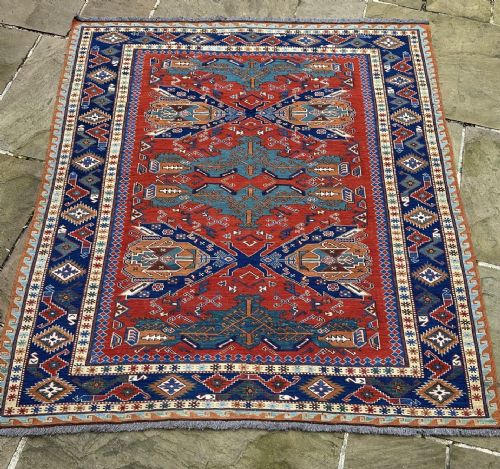





Blue Vintage Carpet
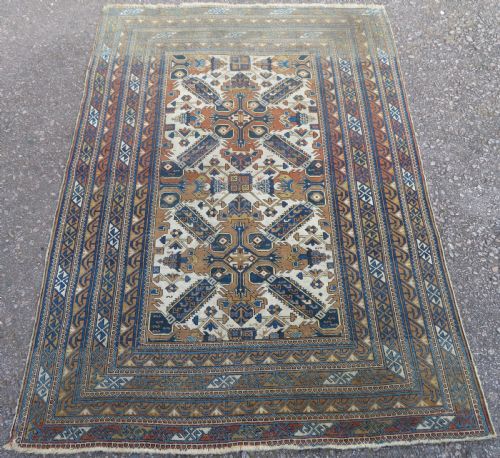
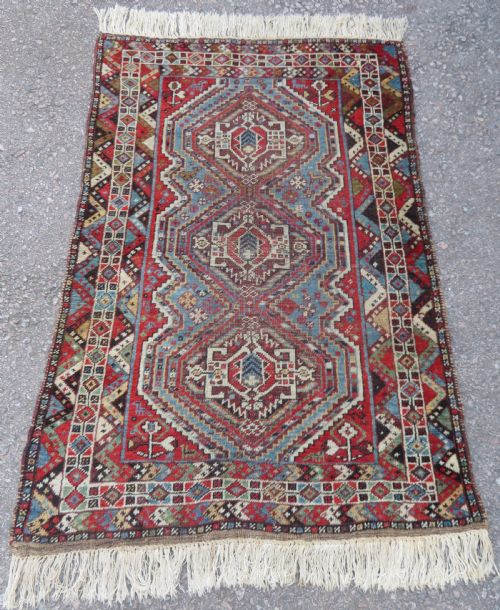
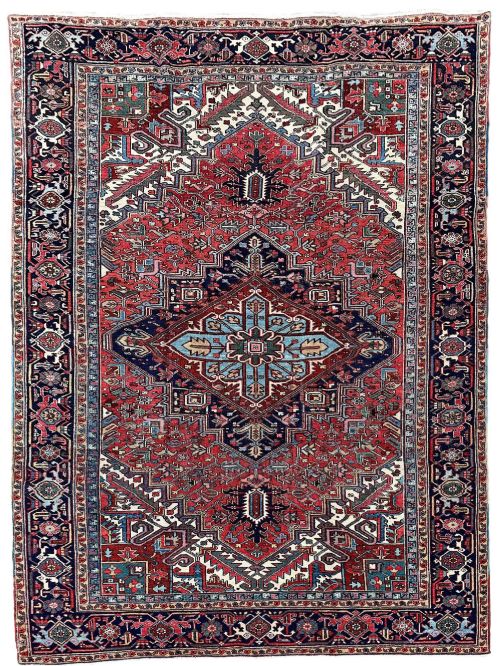
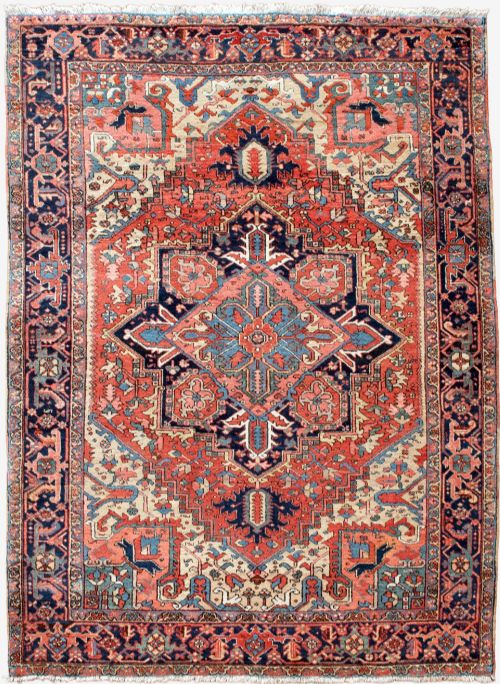
A blue vintage carpet brings warmth and deep indigo tones to a floor, grounding a room with hand-knotted heritage.
Blue Vintage Carpet
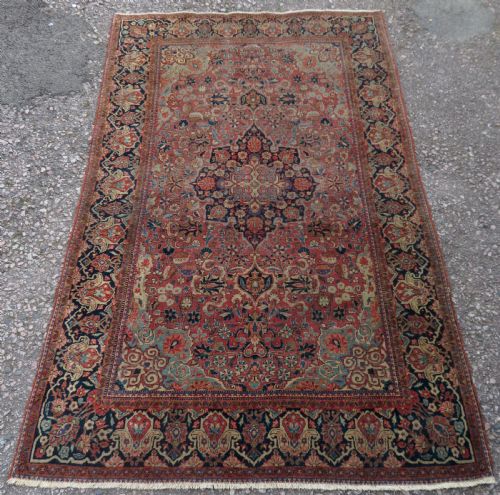
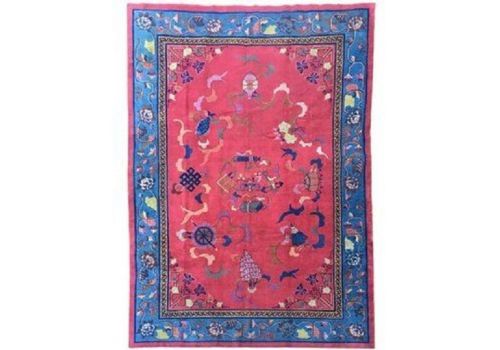
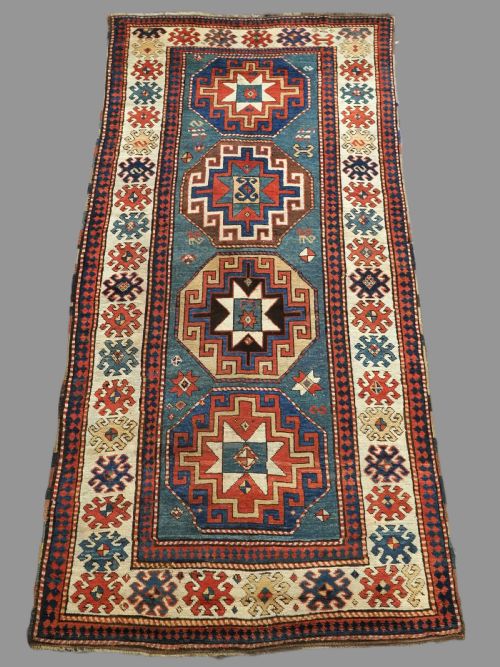
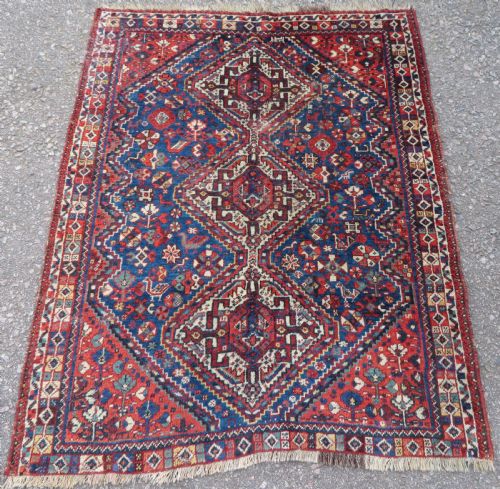
When searching for a blue vintage carpet, buyers encounter hand-knotted floor coverings hailing predominantly from Persian, Caucasian, Anatolian, and Chinese traditions. These pieces span the nineteenth and early twentieth centuries, encompassing room-size carpets, area rugs, and long hallway runners.
The selection on this page centres on woven textiles featuring wool, hand-spun wool, cotton, and occasional silk highlights. Designs range from geometric tribal motifs to grand traditional medallion patterns.
How they were made
Weavers constructed these carpets using natural dyes derived from plants and minerals, imparting rich hues to hand-spun wool and cotton foundations. Skilled hands knotted the piles individually, securing the structural integrity of each rug through meticulous manual labour.
Materials like silk were selectively introduced to highlight specific details within the design, contrasting against sturdy wool and cotton warps and wefts.
Listings feature wool, cotton, and silk materials spanning the nineteenth century through the 1950s.
What varies in quality
Knot density and the precision of the weave dictate the structural caliber of an old carpet, determining how well the pile resists daily wear. The complexity and clarity of the design motifs reflect the skill level of the original weaver.
The vibrancy and depth of natural dyes, alongside the condition of the wool foundation, separate standard examples from finer collector pieces.
The Blue Vintage Carpet Glossary
- Pile
- The vertical or slanted loops of yarn that form the usable surface of a carpet. It provides the soft texture underfoot.
- Warp
- The stationary longitudinal threads stretched onto the loom before weaving begins. Wefts are then interwoven across these structural strings.
- Weft
- The horizontal threads passed through the warp threads to hold the knots in place. This forms the firm grid of the rug back.
- Natural dye
- Colourants sourced from plants, insects, or minerals rather than synthetic laboratories. They yield complex tones that mature gracefully.
- Medallion
- A large central ornamental design motif found in many traditional woven carpets. It often anchors the entire composition of the field.
Blue Vintage Carpet: Frequently Asked Questions
How do I clean an old wool rug?
Vacuum gently without using a rotating brush bar to protect the delicate hand-knotted wool pile. Professional specialist cleaning is recommended for deep washing to preserve natural dyes.
Avoid harsh chemical detergents or soaking the cotton foundation, as excessive moisture can weaken the structural integrity of the textile.
Can I use a runner in a hallway?
Long narrow formats function effectively in corridors, entryways, and passages to soften hard flooring. Ensure you place a suitable non-slip underlay beneath the textile to prevent shifting and reduce friction against the floorboards.
Rotate the position periodically to distribute foot traffic evenly across the wool surface over the years.
How do I date a woven carpet?
Examine the palette of natural dyes, the specific regional motifs, and the type of wool used in the construction. Certain structural traits on the reverse side offer clues regarding the period and origin.
Comparing knot styles and design layouts against documented examples helps narrow down the decade of production.
Are these rugs suitable for modern interiors?
Aged textiles bring character and texture to contemporary rooms by contrasting cleanly against minimalist furniture and neutral floors. The varied shades of indigo and blue integrate smoothly into diverse colour schemes.
Placing an older rug in a modern setting highlights the artistry of traditional hand-spinning and knotting techniques.