
Blue Victorian Chair
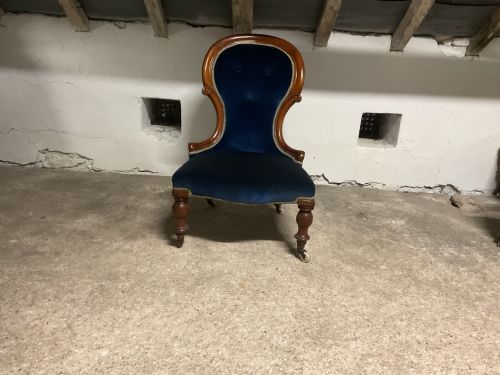
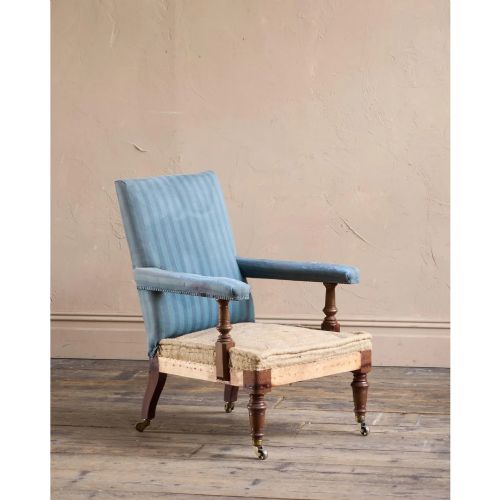
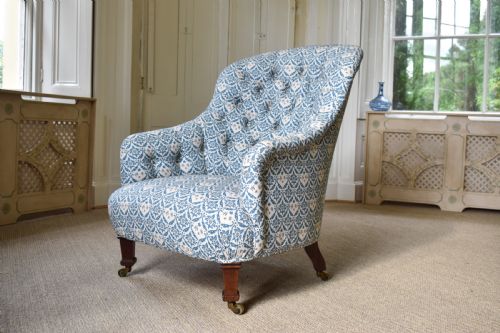
A blue victorian chair brings colour and nineteenth-century craftsmanship into a room through upholstered seating designed for comfort and parlour display.
Blue Victorian Chair
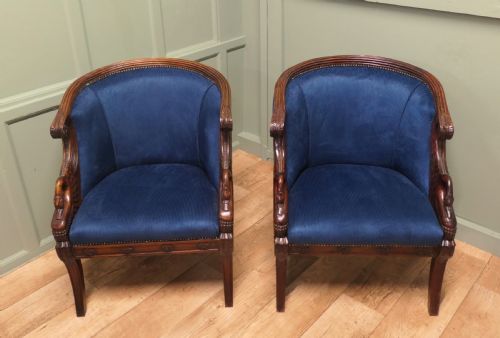
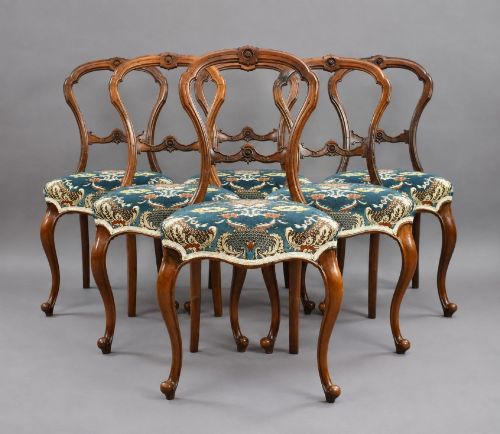
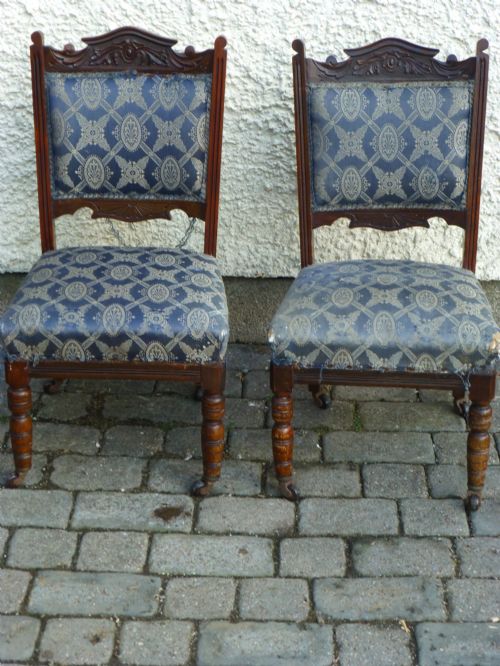
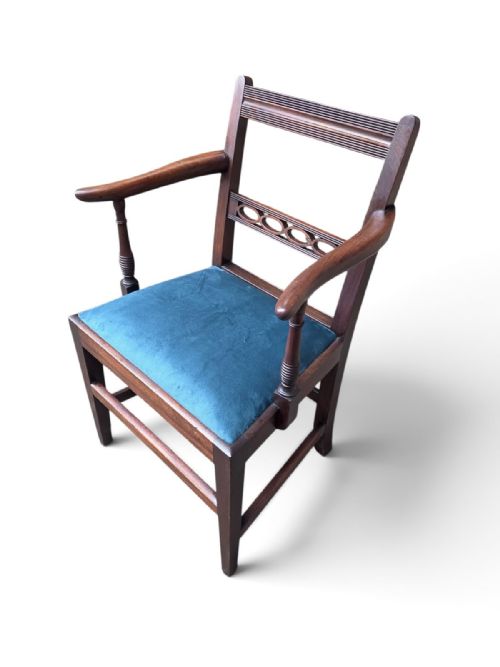
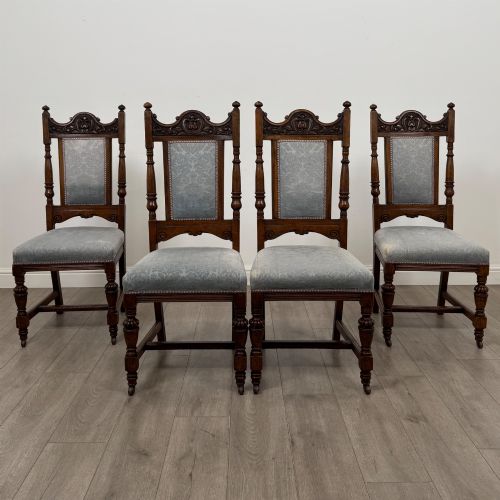
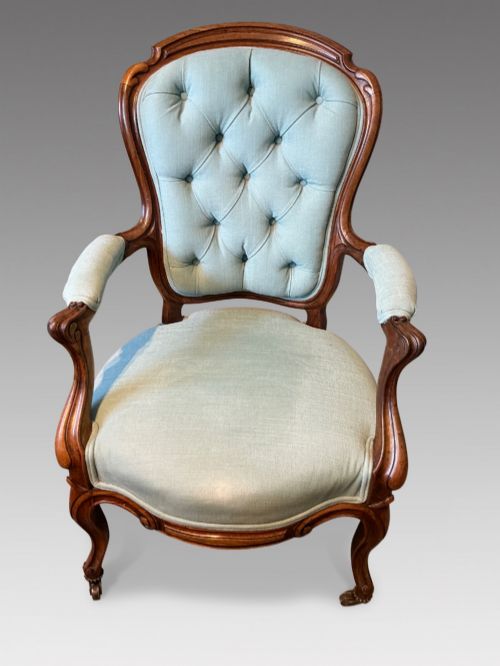
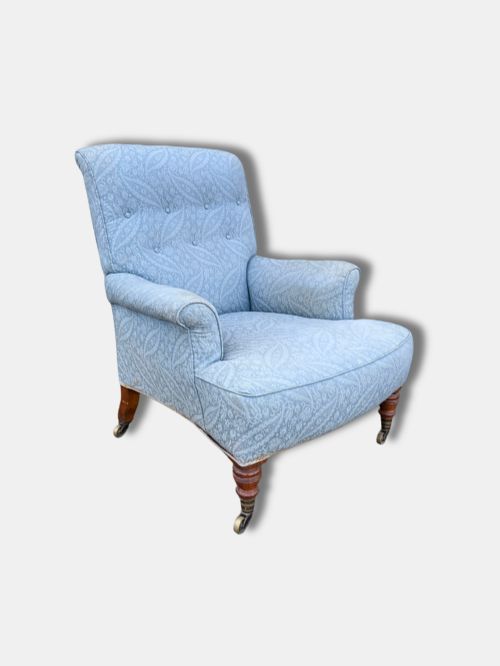
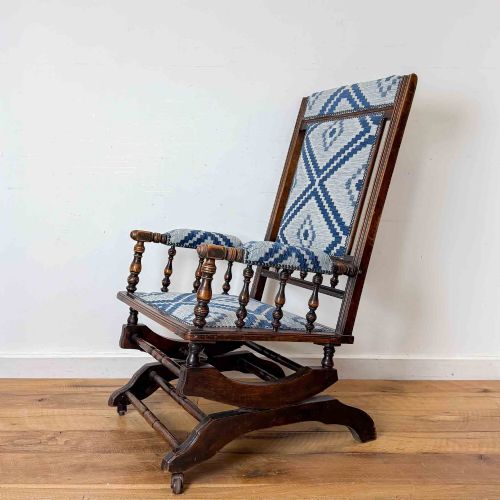
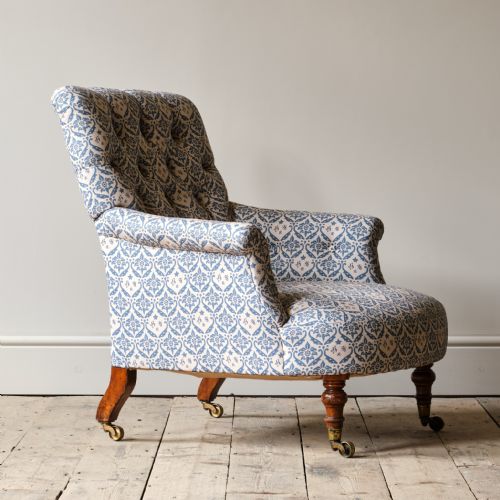
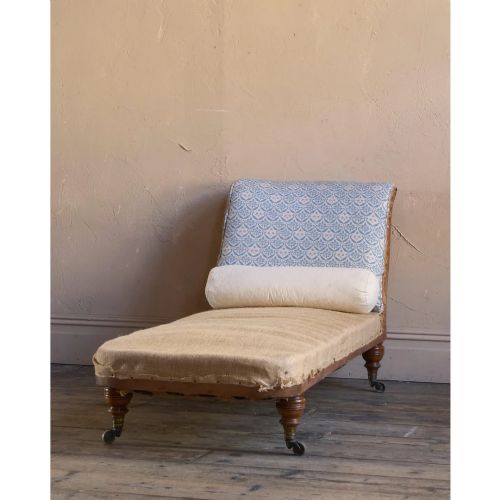
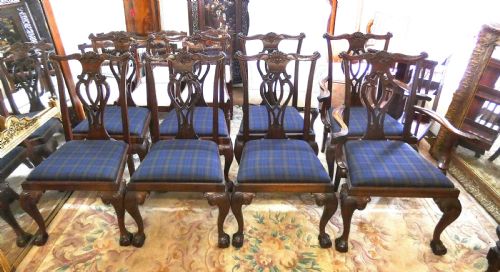
When you search for a blue victorian chair, you encounter a range of nineteenth-century seating forms that span dining chairs, nursing chairs, open armchairs, and chaise longues. The most frequent meetings on this page involve mahogany or walnut frames paired with blue velvet, damask, or needlepoint upholstery.
Makers and workshops of the period utilised various woods, including oak and rosewood, shaping them into styles from balloon backs to Rococo Revival forms. These seating pieces served multiple domestic rooms, from formal dining spaces to private bedrooms and libraries.
How they were made
The construction of these chairs relies heavily on hardwoods such as mahogany, walnut, oak, and rosewood, often shaped with carved details and supported by brass castors. Frames are joined using traditional methods to ensure structural stability across decades of use.
Upholstery techniques involve textiles such as velvet, cotton, damask, and wool needlepoint, frequently secured over buttoned padding or spring interiors. Brass tacks and iron internal components provide additional support for heavier armchair and club chair designs.
The documented forms span armchairs, dining chairs, chaise longues, nursing chairs, rocking chairs, and slipper chairs.
What varies in quality
The standard of a piece rests upon the crispness of the timber carving and the integrity of the underlying frame construction. Finer examples display dense, well-figured mahogany or walnut with hand-carved elements rather than simple machine shaping.
Upholstery choices and the preservation of original fabric or sympathetic re-upholstery also define the tier of the piece. Chairs retaining documented maker stamps or distinctive structural hardware command greater attention from collectors.
Howard and Sons·Morison and Co
The Blue Victorian Chair Glossary
- Balloon back
- A dining chair back shaped in an oval contour resembling an inflated balloon. This style gained widespread popularity during the Victorian period.
- Chaise longue
- An upholstered long chair intended for reclining, combining a chair seat with an extended footrest. These pieces often feature carved wooden frames and buttoned upholstery.
- Bergere
- An enclosed upholstered armchair with wooden framing exposed around the sides and back. The armrests typically feature padded elbow rests.
- Fauteuil
- An open-arm armchair with a wooden frame originating in French design. Victorian interpretations often incorporate walnut and revival styles.
- Button back
- An upholstery technique where buttons are pulled deep into the padding to create a diamond pattern. This method provides structural tension and distinct visual depth.
Blue Victorian Chair: Frequently Asked Questions
How do I identify a Victorian chair?
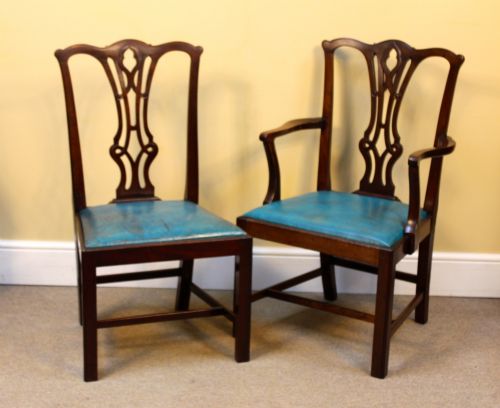
Look for characteristic timber choices such as mahogany or walnut, alongside revival styles like Rococo or Chippendale. Frame shapes often feature curved lines, turned legs, and carved ornamentation typical of the nineteenth century.
Examine the construction methods and upholstery style, as button-tufting and specific fabric types like velvet frequently align with Victorian manufacturing techniques.
Were these chairs originally blue?
Many Victorian chairs have been re-upholstered in blue velvet, damask, or cotton during the twentieth or twenty-first century. Original upholstery from the nineteenth century rarely survives in usable condition.
Historical records show that blue textiles, including needlepoint and wool, were utilised in Victorian interiors alongside reds and greens, though modern fabric choices often reflect contemporary tastes.
How do I care for antique upholstery?
Protect the fabric from direct sunlight to prevent fading of the blue dyes in velvet or damask. Gentle vacuuming with a soft brush attachment removes dust without damaging the pile.
Keep wooden frames conditioned with appropriate furniture wax and avoid placing the seating near direct heat sources that could dry out the timber or interior padding.
What is the difference between a nursing chair and a salon chair?
Nursing chairs are typically built with lower seats to allow women to nurse infants comfortably while wearing voluminous Victorian garments. They often feature low backs and upholstered frames without heavy wooden arms.
Salon chairs and occasional chairs are generally taller, designed for formal sitting in drawing rooms rather than private domestic tasks.