
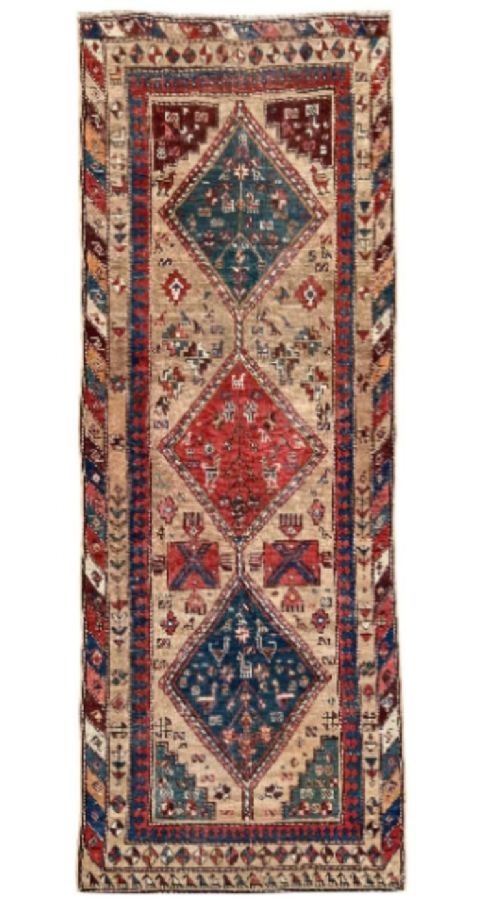
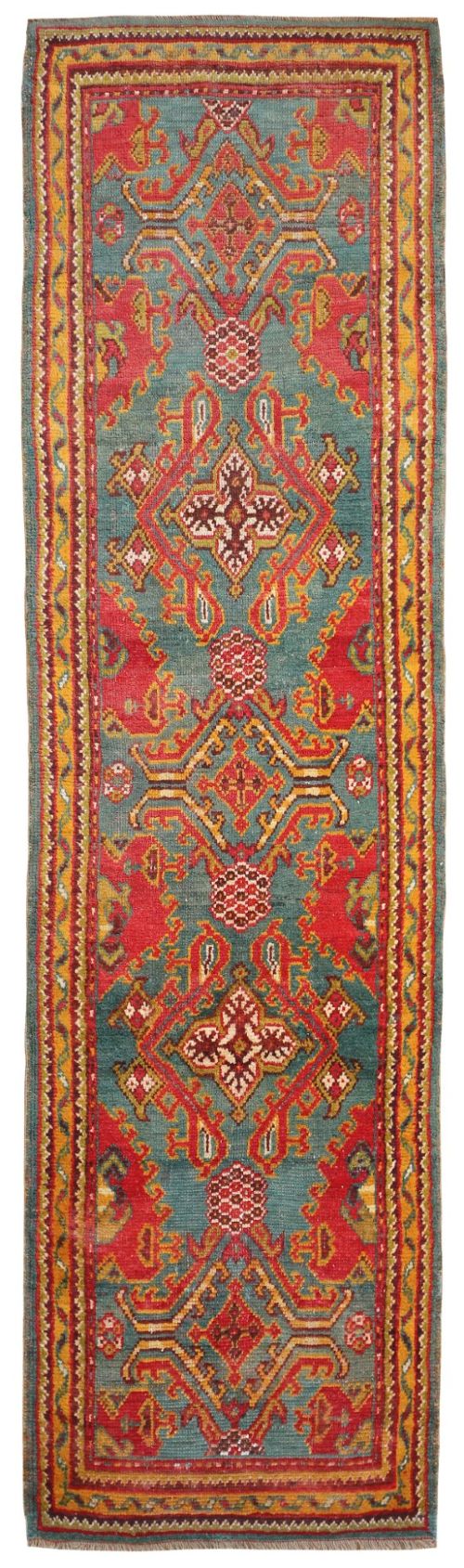



Blue Turkish Carpet Runner
A blue turkish carpet runner brings traditional Anatolian motifs and saturated indigo dye work into a hallway.

Blue Turkish Carpet Runner
A blue turkish carpet runner is typically encountered as a narrow, elongated woven floor covering originating from Anatolian villages and weaving centres. These pieces span periods from the eighteenth century through the Victorian era and into the early twentieth century, reflecting diverse regional aesthetics. Buyers examining this category will find various formats including traditional runners, long rugs, and narrow corridor coverings.
The regional attribution often points to specific weaving traditions such as Ushak, Yahyali, Yuruk, and Bergama. Designs incorporate traditional village motifs, medallion layouts, and tribal patterns executed in distinctive colour palettes dominated by blue grounds. Most examples serve practical functions in hallways and narrow spaces while displaying historic textile artistry.
Materials and construction
These floor coverings rely on natural fibres, primarily wool, cotton, and hand-spun wool, sometimes incorporating angora wool for added texture. Artisans tied pile knots or wove flatweave structures on upright looms using traditional techniques passed down through generations. The foundation yarns and pile materials combine to create durable textiles suited for heavy foot traffic.
Dye methods utilise natural sources to achieve the deep indigo and blue tones characteristic of these runners. The interaction between hand-spun wool and traditional dyebuffs produces subtle variations in shade across the surface of each rug over decades of use.
The inventory spans multiple production periods, ranging from eighteenth-century prayer rugs to twentieth-century village runners.
Distinctions in quality
Quality in these textiles depends on the fineness of the knot density and the precision of the village or tribal design execution. Superior pieces demonstrate careful handling of the natural wool fibres and balanced proportions in narrow formats. The clarity of the traditional motifs and the richness of the blue ground dye distinguish finer examples from standard village production.
Condition and integrity of the original pile and edges also separate individual pieces within the range. While age brings natural wear and patination, pieces retaining strong structural integrity in the foundation cotton and wool represent the higher tier of survival.
Tuduc
The Blue Turkish Carpet Runner Glossary
- Runner
- A long, narrow carpet format designed specifically for corridors, hallways, and stairs. These pieces measure significantly longer than they are wide to fit confined floor spaces.
- Kelim
- A flatwoven textile produced without a pile by tightly interweaving warp and weft threads. These lightweight rugs often feature geometric Anatolian designs.
- Ushak
- A recognised style and production centre in western Anatolia known for large-scale floral and medallion carpets. Pieces from this region often display sophisticated design layouts.
- Prayer rug
- A rug featuring a mihrab or arch design indicating the direction of prayer. These traditional formats served both devotional and domestic functions.
- Warp
- The vertical foundation threads stretched tightly on the loom before knotting begins. The visible ends often terminate in fringes.
Blue Turkish Carpet Runner: Frequently Asked Questions
Where should I place a runner?
These narrow textiles suit hallways, corridors, and narrow passageways where standard area rugs do not fit. Their elongated dimensions guide movement through a home while protecting timber flooring.
Placing a quality rug in a transition space also introduces historic colour and texture to otherwise neglected zones. Ensure an appropriate underlay is used to prevent slipping on hard surfaces.
How do I care for antique wool?
Regular gentle vacuuming without a rotating brush roll helps remove grit from the wool pile. Avoid harsh chemical cleaners and direct prolonged sunlight to preserve the natural fibres and dyes.
Professional textile cleaning tailored to antique pile rugs is recommended for deep maintenance. Prompt attention to spills prevents staining on natural cotton and wool foundations.
What is an Ushak rug?
Ushaks originate from a major weaving hub in western Anatolia famous for distinctive room-sized carpets and runners. They typically feature softer wool and characteristic large-scale medallion or floral motifs.
These pieces hold a prominent place in textile history due to their sophisticated design influence across European and Ottoman interiors. Collectors prize them for their balanced proportions and subdued colour palettes.
How can I tell village rugs apart?
Village rugs display regional characteristics tied to specific areas like Yahyali, Bergama, or Kula. Local weavers utilised distinct geometric vocabularies, tribal symbols, and regional dye recipes.
Examining the knot count, structural materials, and border motifs reveals the likely origin of each piece. Comparing the secondary colours alongside the primary blue ground helps identify specific Anatolian traditions.