



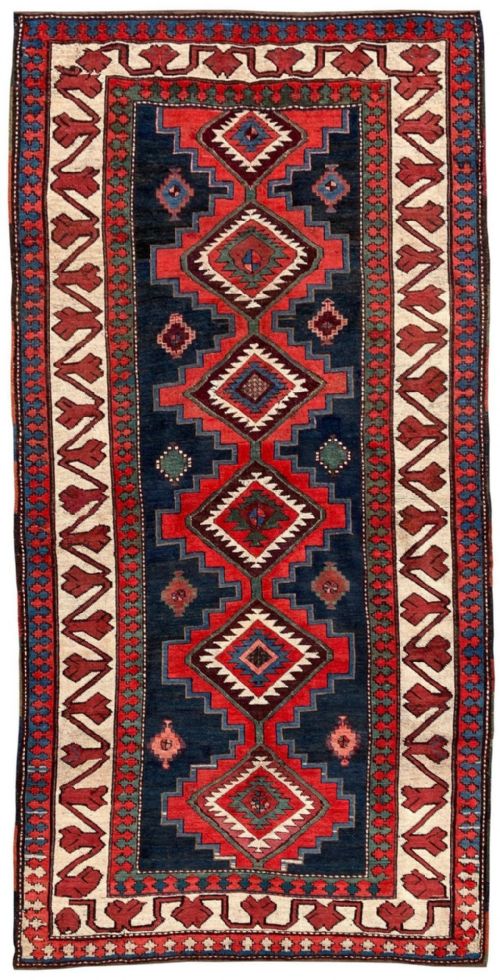
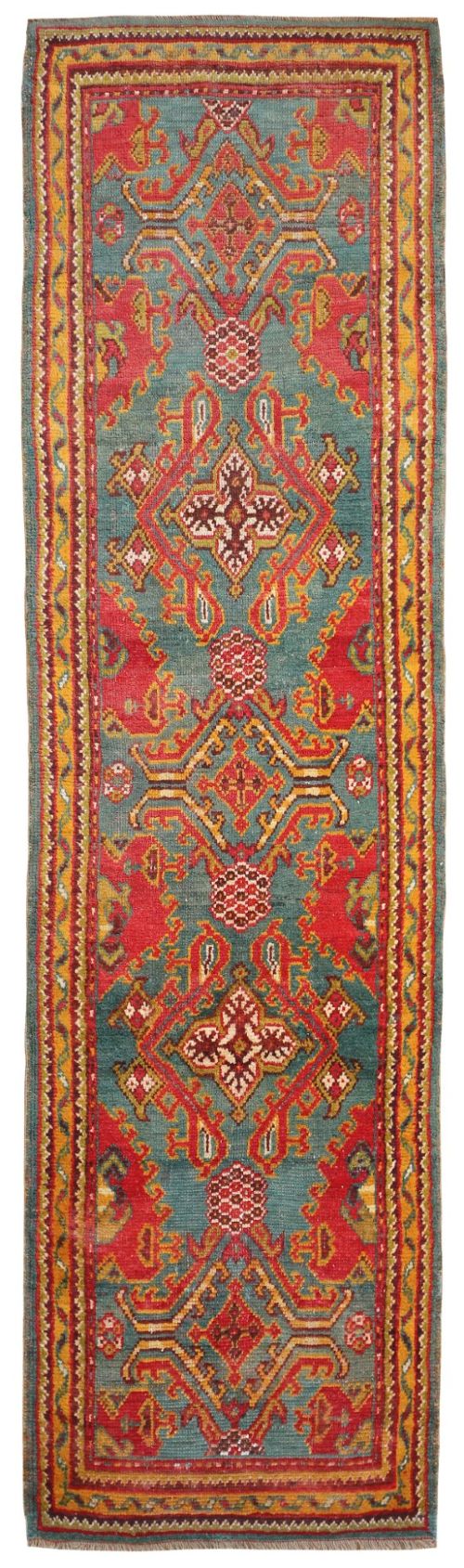
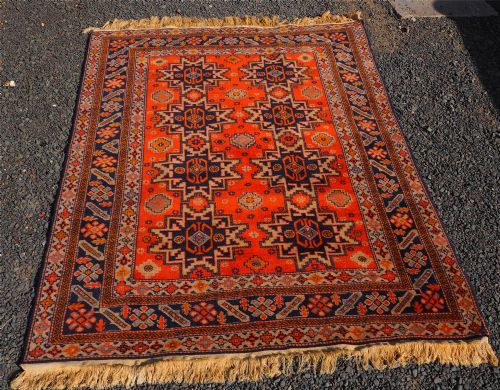
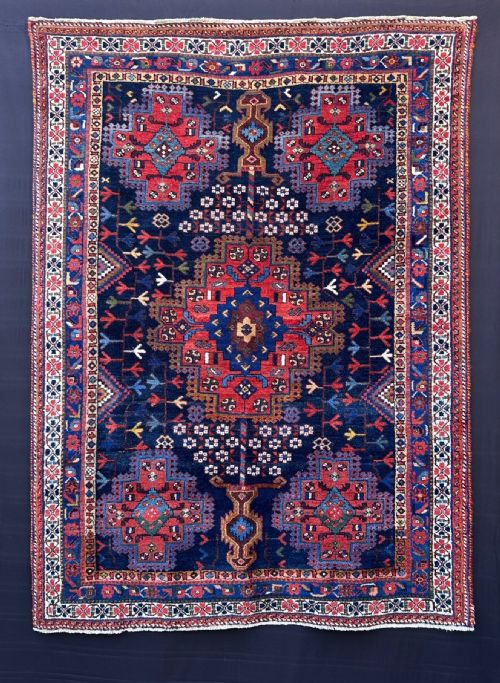
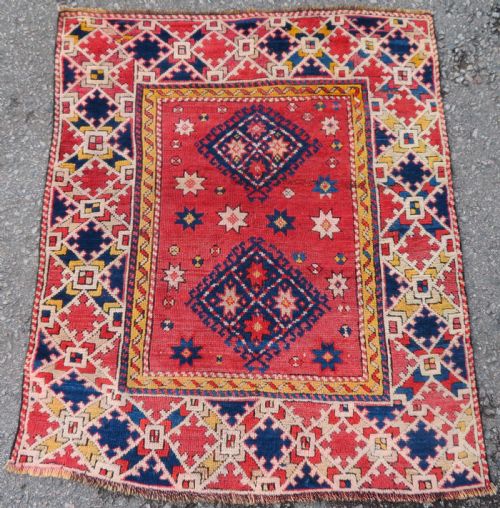
Blue Tribal Rug
When you search for a blue tribal rug, you are looking at hand-woven nomadic and village floor coverings originating from Persia, the Caucasus, Anatolia, and Central Asia.
Blue Tribal Rug
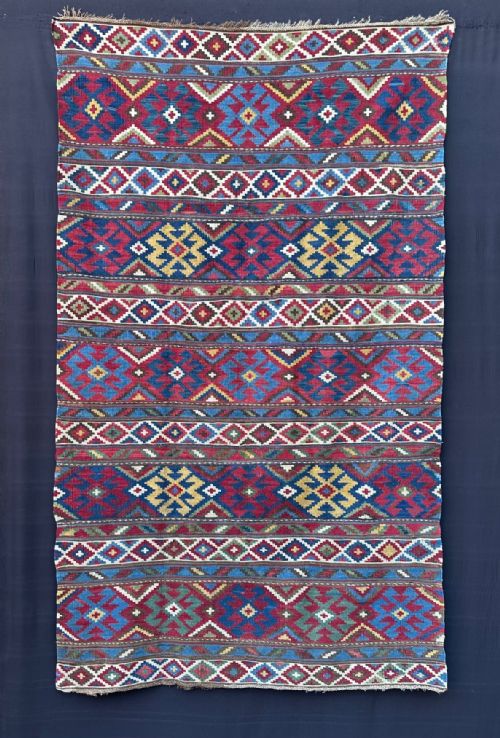
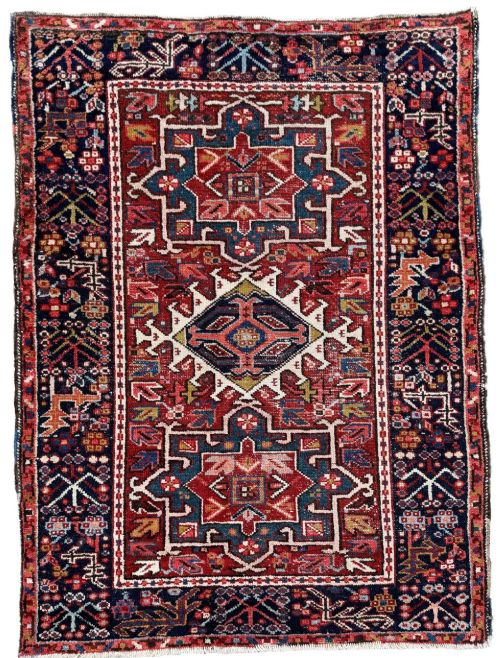
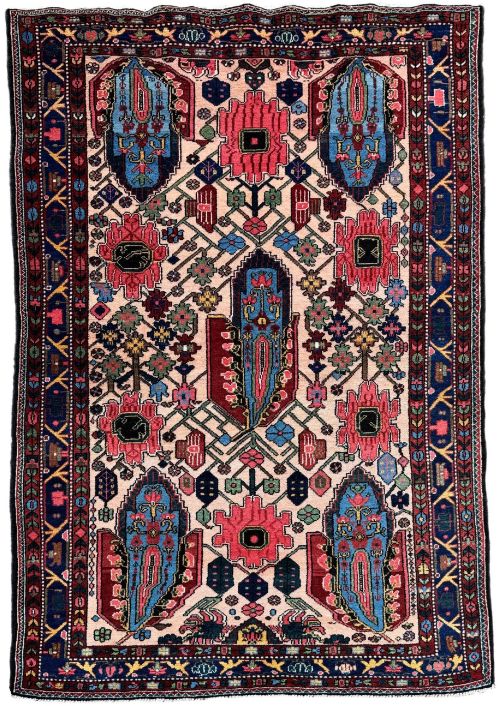
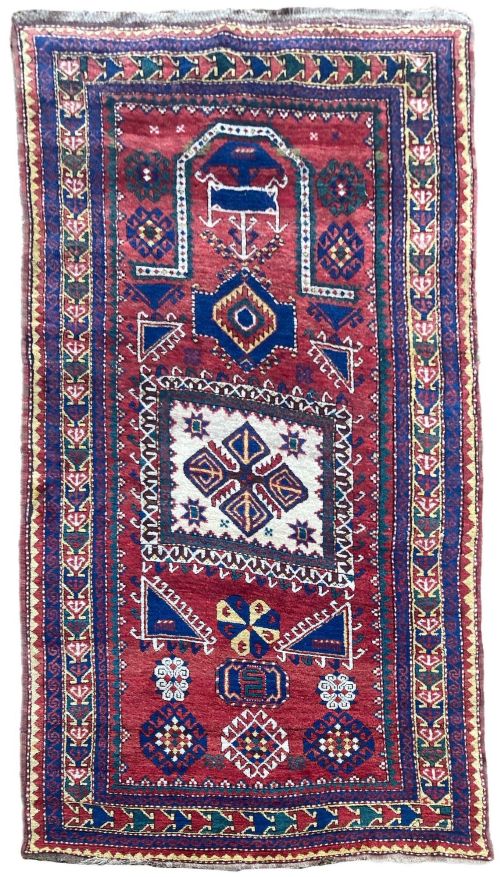
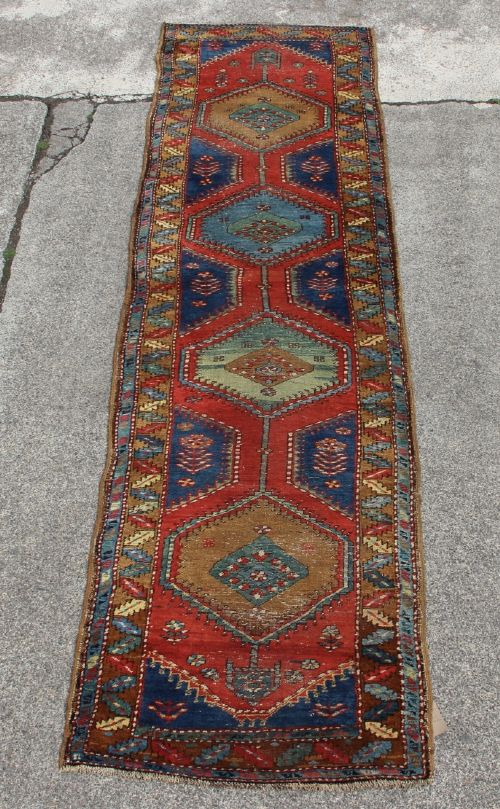
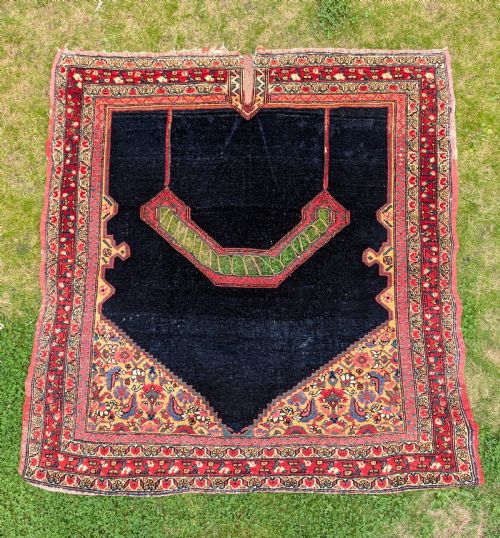
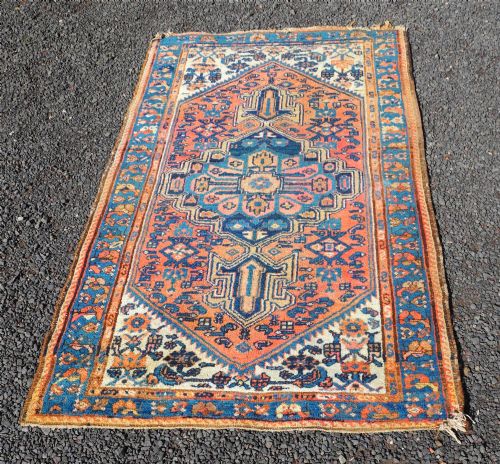
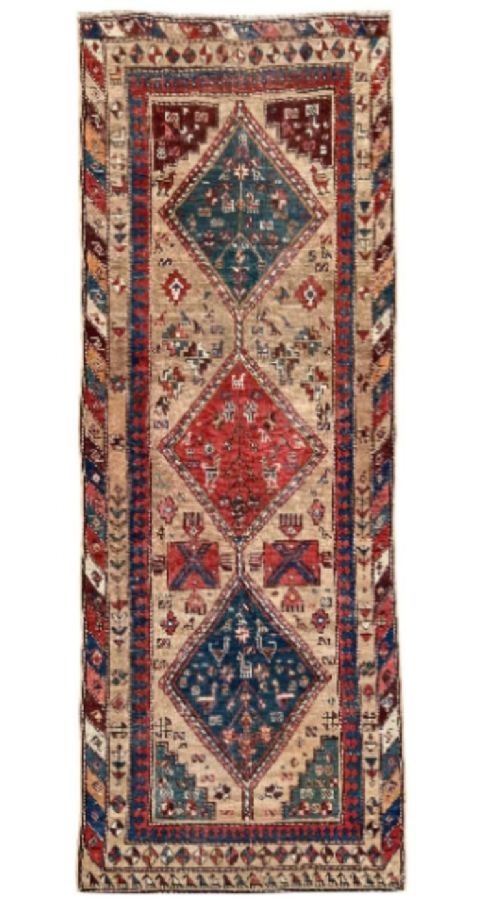
A blue tribal rug is a hand-knotted or flat-woven textile produced by nomadic groups, village weavers, and regional confederacies across Western and Central Asia. These pieces often feature geometric medallions, lattice patterns, and prayer designs originating from regions such as Shirvan, Karaja, Kazak, and Khamseh.
You are most likely to meet pieces produced during the late nineteenth and early twentieth centuries, spanning periods from eighteen-fifty to nineteen-thirty. Common formats on this page range from compact hearth-sized mats and area rugs to long runners and smaller utilitarian items like storage bags and saddle covers.
The aesthetic relies heavily on indigo tones combined with tribal motifs, wool foundations, and regional dyeing traditions. Each piece reflects the specific heritage of the makers, whether from the Caucasus, Anatolian districts, or Persian provinces.
Factors that define the standard
Quality in these textiles depends on the fineness of the knotting, the consistency of the hand-spun wool, and the depth of the natural dyes used. A tightly packed pile and crisp execution of geometric designs indicate a higher level of weaving skill.
Condition also plays a significant role, including the completeness of the original borders, the preservation of the selvedges, and even wear across the surface. Regional clarity and the complexity of the medallion or lattice layout further distinguish finer examples.
Listings feature pieces spanning from eighteen-fifty to nineteen-thirty, utilising wool, cotton, and natural dyes across regional Persian, Caucasian, and Anatolian styles.
The Blue Tribal Rug Glossary
- Kazak
- A type of rug originating from the Caucasus, known for bold geometric designs and bright natural colour palettes.
- Kilim
- A flat-woven carpet or textile produced without a pile, traditionally utilised by nomadic tribes for utility and decoration.
- Runner
- A long, narrow carpet format designed for hallways, staircases, or specific passage spaces.
- Medallion
- A central ornamental motif placed in the middle of the field, frequently seen in Persian and Anatolian weaving.
- Selvedge
- The side edges of a rug formed by wrapping the weft threads, protecting the textile from fraying.
Blue Tribal Rug: Frequently Asked Questions
How are these rugs cleaned safely?
Maintenance requires gentle vacuuming without a rotating brush bar to protect the wool pile and delicate hand-spun foundations. Professional textile conservators should handle deep washing to prevent dye bleed in natural blue colorants.
Water exposure should be minimised, and any spills must be blotted immediately rather than rubbed. Proper care ensures the longevity of antique wool and cotton fibres.
Can I place these on heated floors?
Underfloor heating is generally acceptable provided the temperature remains moderate and does not dry out the natural wool fibres. Using a breathable, high-quality underlay allows air circulation beneath the textile.
Periodic rotation helps distribute foot traffic evenly across the surface of runners and area rugs. This practice prevents localized wear in high-traffic hallways.
What indicates a village origin versus nomadic?
Nomadic pieces often display slightly asymmetrical geometry and portable formats such as storage bags, salt-bags, or smaller hearth rugs. Village workshops typically produce more standardised formats like larger runners and main carpets with fixed looms.
Materials and regional motifs provide further clues to the specific tribal confederacy or province of manufacture. Weavers adapted their designs based on local traditions and available natural dyes.
Why do some rugs show colour variations?
Hand-spun wool absorbs natural indigo and other organic dyes differently across separate dye lots, creating subtle tonal shifts known as abrash. This natural variation is a normal characteristic of traditional dyeing methods rather than a fault.
Exposure to light over decades can also soften primary shades, contributing to the mellow appearance found in older pieces. Collectors often value these organic shifts for the depth they add to the surface.