


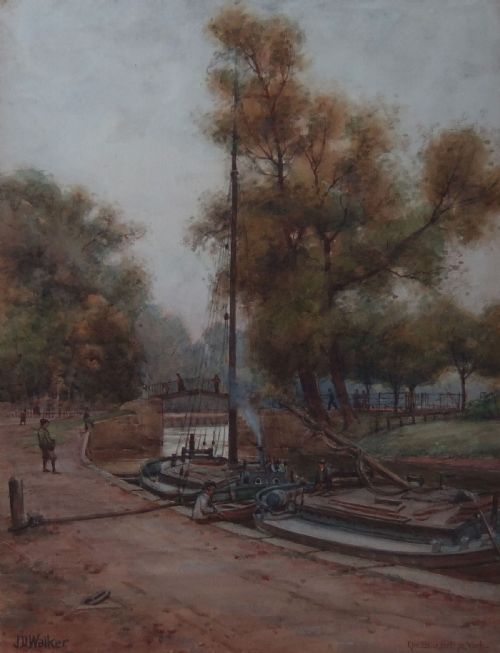
Blue Tone Watercolour Painting
A blue tone watercolour painting brings atmospheric depth to a room, offering quiet landscapes and coastal scenes rendered in washes of pigment on paper.
Blue Tone Watercolour Painting
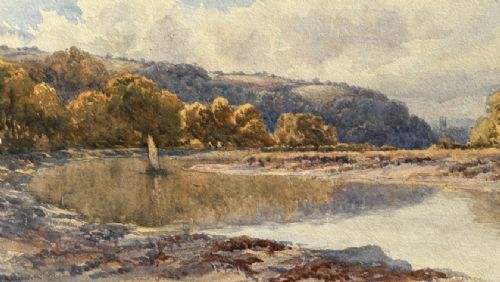
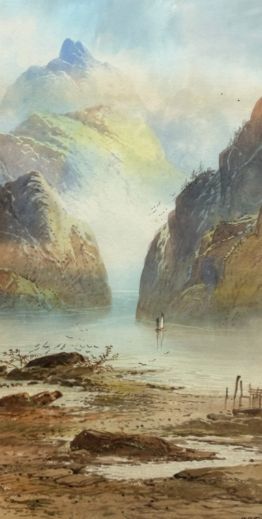
A blue tone watercolour painting typically presents maritime scenes, river valleys, and coastal villages captured through monochrome or dominant indigo and cobalt washes. These works span the nineteenth century, the Victorian era, and the mid-twentieth century, showing British landscapes from Scotland, Wales, and various English counties.
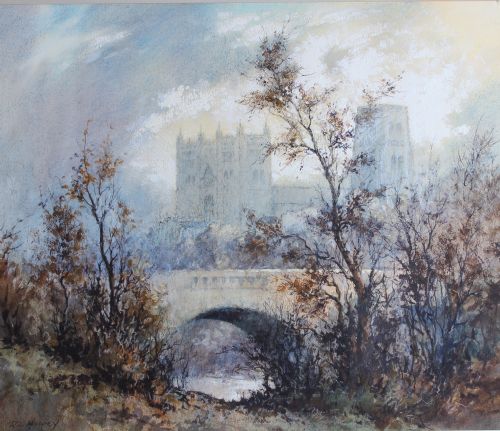
The pieces on this page are predominantly framed paintings behind glass, utilising paper as the primary support for delicate pigment application. Buyers encounter everything from large Scottish loch views to intimate architectural studies and coastal harbours.
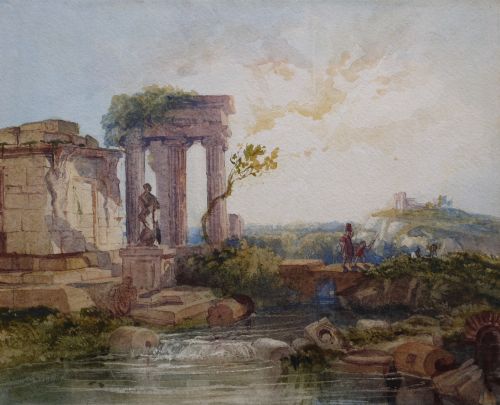
These works reflect shifting British artistic movements, moving from classical and Victorian landscape traditions toward twentieth-century interpretations. Each piece relies on the fluidity of watercolour to create varying atmospheric conditions, from misty morning waters to dramatic evening skies.
Materials and technique
Artists apply watercolour pigment suspended in water directly onto paper, allowing the white of the sheet to shine through for highlights and lighter tones. This medium demands precision and confidence, as adjustments are difficult once the wash dries.
The finished works are secured behind glass to protect the delicate paper and water-soluble pigments from atmospheric moisture and handling. Original framing often complements the period of the painting, preserving the work in its historical context.
Listings feature paper supports, glass protection, and watercolour pigments spanning the nineteenth and twentieth centuries.
Assessing quality and depth
Quality rests in the artist's handling of pigment density and the transparency of the washes, which together create a convincing sense of atmosphere and distance. Stronger examples display confident brushwork and precise control over the fluid medium, particularly in complex architectural or maritime details.
The preservation of the paper and the vibrancy of the blue tones largely dictate the visual success of the piece. Works that retain their tonal contrast without excessive fading or discolouration offer a clearer window into the artist's original intent.
David Law·William Henry Earp·Richard Principal Leitch·Robert Leslie Howey·James Orrock·John Syer·Kate E Booth·Stephen John Batchelder·Percy Brooke·Albert Robert Quinton·Walter Henry Sweet·John J Hamer·Frank Wasley·George Cattermole·John D Walker·A G Stevens·William Kay Blacklock·Sir Ernest Albert Waterlow·Alexander Melville
The Blue Tone Watercolour Painting Glossary
- Watercolour pigment
- Finely ground colour particles mixed with a binder, applied with water to create translucent washes on paper.
- Wash
- A thin, fluid layer of diluted watercolour paint spread evenly across the paper to create skies, water, or background atmosphere.
- Support
- The underlying physical material, primarily paper in these instances, upon which the artist applies the pigment.
- Seascape
- A painting depicting the sea, coastal views, or maritime activity, often featuring boats and shorelines rendered in blue and grey tones.
Blue Tone Watercolour Painting: Frequently Asked Questions
How do I hang a watercolour painting?
Keep framed watercolours away from direct sunlight to prevent the pigments and paper from fading over time. Position them on interior walls where room temperature and humidity remain relatively stable.
Ensure the hanging wire and wall fixings are secure, as framed pieces with glass can be surprisingly heavy. Use appropriate picture hooks suited to the weight of the frame.
What subjects appear in these paintings?
These works frequently depict British landscapes, rivers, cathedrals, and coastal scenes from locations such as Yorkshire, Scotland, and Wales. Maritime views featuring boats, harbours, and dramatic skies are especially common.
Portraiture also occurs, capturing historical figures rendered with characteristic nineteenth-century detail. Each subject reflects the topographical and artistic interests of its specific period.
How should I clean the glass?
Apply a mild glass cleaner to a soft cloth rather than spraying it directly onto the frame. This prevents moisture from seeping under the glass and damaging the paper or pigment.
Wipe the surface gently and avoid pressing down hard on the centre of the glass. Take care not to let any liquid touch the wooden frame or the backing board.
Are these paintings original works?
The listings consist of original hand-painted watercolours created directly by the artists rather than mass-produced prints. Each piece displays the unique brushstrokes and pigment variations inherent to manual application.
Signatures, dates, and inscriptions often accompany the works, pointing to their authentic creation during the nineteenth and twentieth centuries.