




Blue Sky Coastal Art
Blue sky coastal art gathers maritime scenes and coastal vistas rendered in watercolours and oils across the nineteenth and twentieth centuries.
Blue Sky Coastal Art
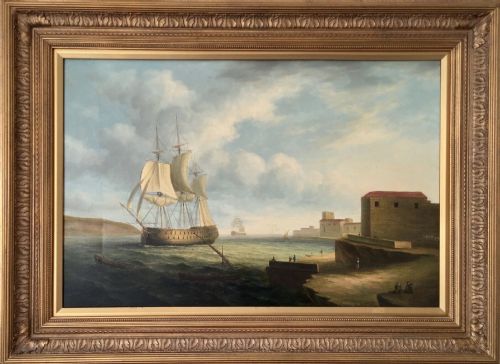
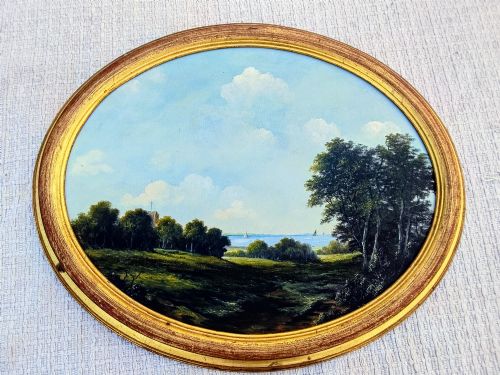
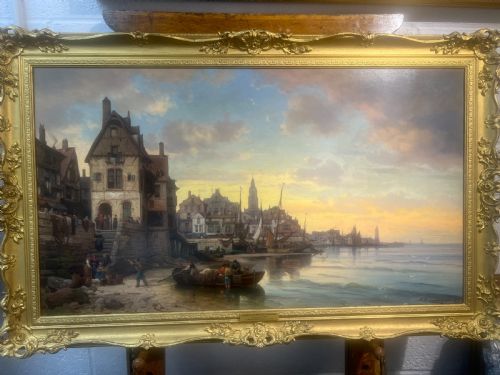
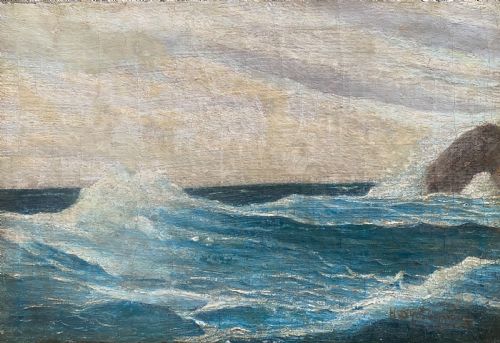
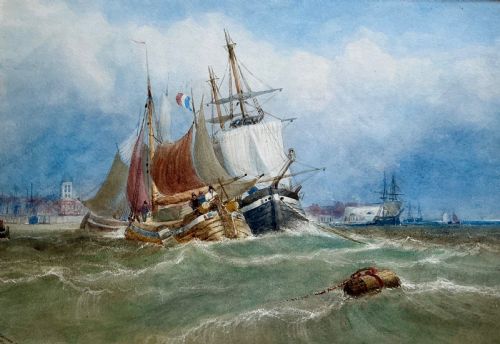
When searching for blue sky coastal art, collectors encounter paintings capturing harbours, shipping lanes, estuaries, and open waters under bright or atmospheric skies. These works range from Victorian maritime watercolours detailing sailing vessels to twentieth-century impressionist harbour views.
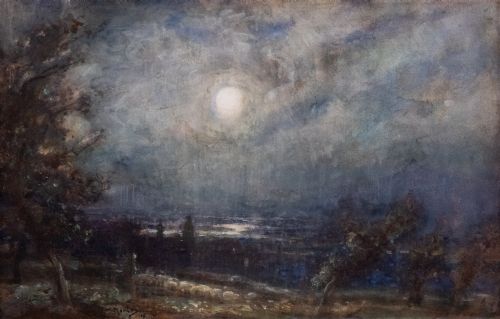
The selections span traditional British landscape painting, marine art, and continental harbour scenes executed on canvas, panel, and paper. Works from the nineteenth century often record specific coastal topography, while later pieces lean towards modernist interpretations of light by the sea.
How blue sky coastal art was made
Artists deployed watercolour pigment on paper for translucent washes of sky and sea, or applied oil paint to canvas and wood panels to build textured impasto surfaces. These traditional mediums captured the shifting luminosity of coastal environments through layered brushwork and direct observation.
Framing often complemented the artwork, utilising period gilt wood moulding to protect and enhance the watercolours and oil paintings.
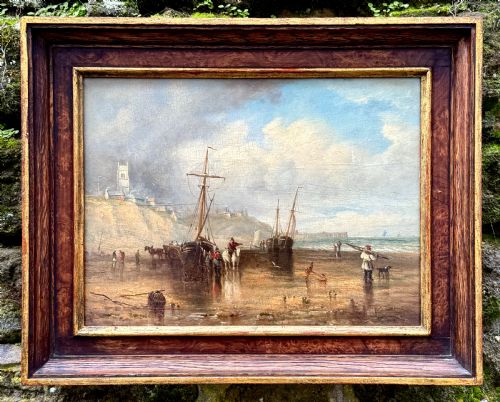
Several paintings record bustling nineteenth-century harbour activities alongside curious onlookers, boxers, and ladies walking by the shore.
What varies in quality
Quality rests on the artist's command of atmospheric perspective, handling of light on water, and precision in rendering maritime architecture or shipping rigging. Superior examples demonstrate confident brushwork that conveys motion in waves and expansive skies.
The condition of the paper or canvas, stability of the medium, and presence of an original period frame influence the standing of an individual piece within the range.
Thomas William Morley·Paul Bret·Thomas Creswick·Henry Barlow Carter·William Frederick Settle·Charles William Adderton·Helen Layfield Bradley·Gustave De Bréanski·Sir Thomas Newenham Dean·Herbert Royle·Thomas Bush Hardy·Edward Seago·George Gregory·George Hamilton Constantine·Albert Robert Quinton·Walter Sweet·Sam Bough
The Blue Sky Coastal Art Glossary
- Impasto
- Paint applied in thick layers that stand out from the surface. This technique creates a textured quality that catches light and adds physical depth to water and sky.
- Estuary
- The tidal mouth of a large river where the tide meets the stream. These locations offered artists rich compositions combining land, water, and shipping traffic.
- Gouache
- An opaque watercolour paint mixed with a white pigment. Artists utilised this medium alongside transparent watercolour to introduce highlights in skies and breaking waves.
Blue Sky Coastal Art: Frequently Asked Questions
What periods do these coastal paintings cover?
The available selection spans from the eighteenth century through the Victorian era and into the mid-twentieth century.
Most pieces date from the nineteenth and early twentieth centuries, reflecting traditional marine painting and impressionist developments.
What mediums are used in these artworks?
Artists utilised oil paint on canvas and wood panels, alongside watercolour pigment and gouache on paper.
Watercolours often capture delicate atmospheric lighting, while oils provide heavier texture for sea views.
How should I display coastal art at home?
These paintings suit well-lit spaces where natural light enhances the pigments of the sky and water.
Pairing them with traditional period frames preserves their historical character within a modern interior.
How do I identify a Victorian marine painting?
Victorian marine pieces frequently depict named sailing vessels, harbours, or dramatic coastal weather with meticulous detail.
Signatures, artist dates, and traditional framing styles help confirm the period.