



Blue Red Persian Rug
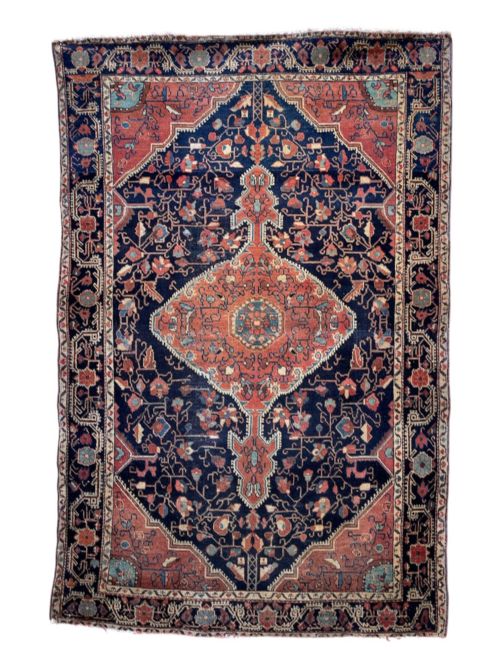
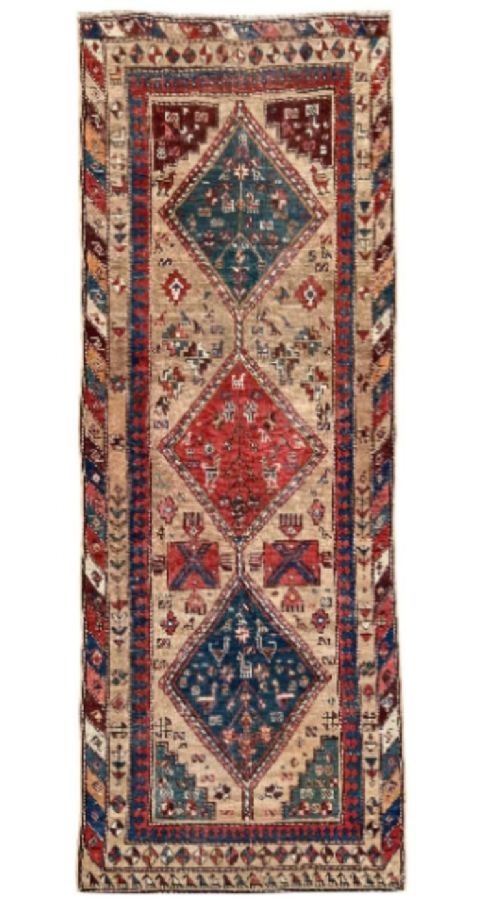
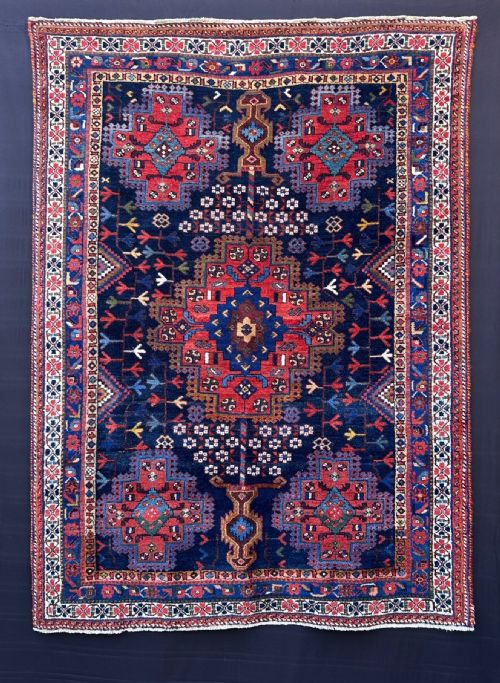
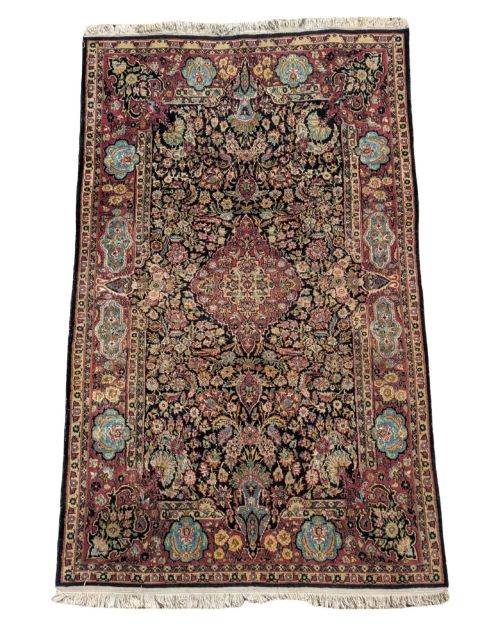
A blue red persian rug delivers rich tribal character and deep saturated colour that grounds a room with traditional warmth.
Blue Red Persian Rug
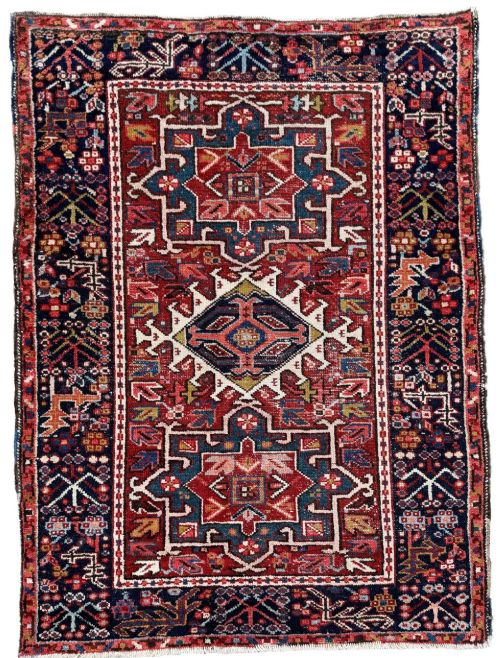
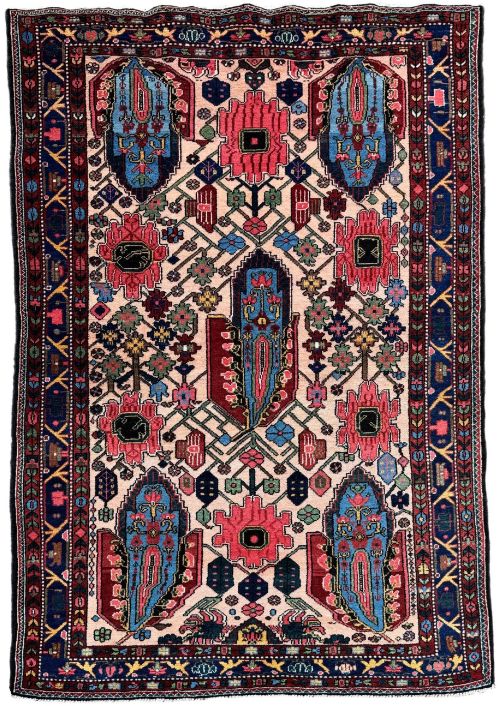
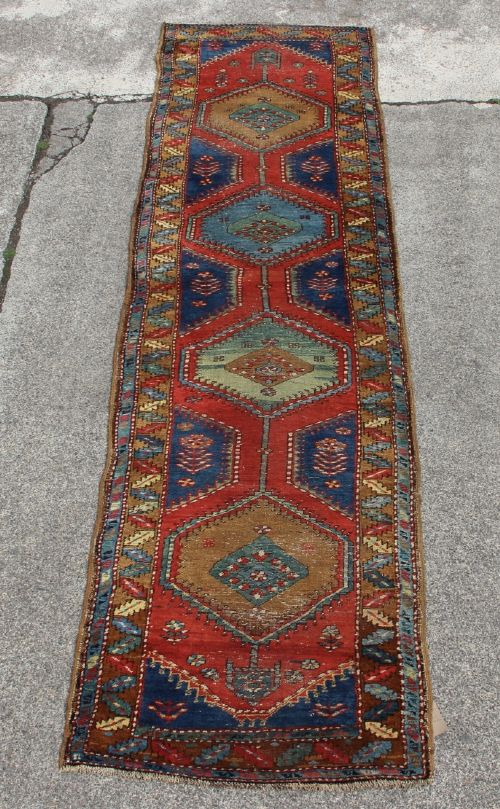
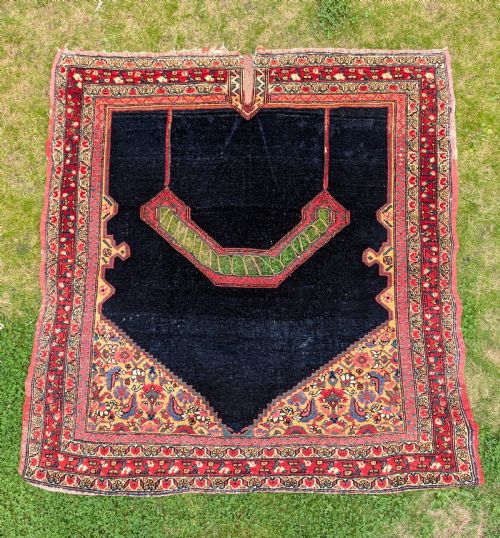
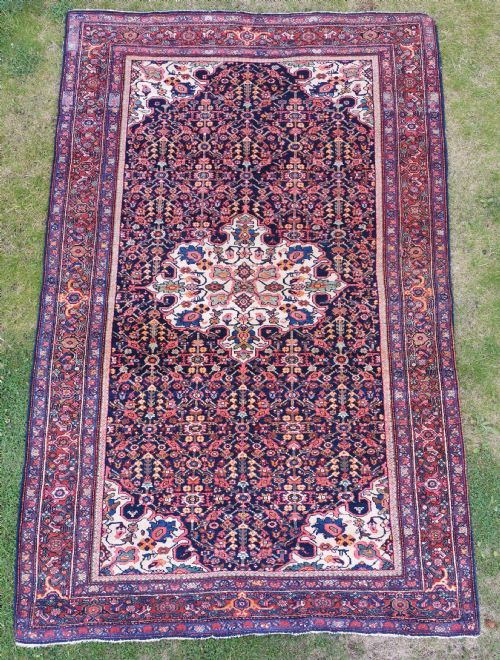
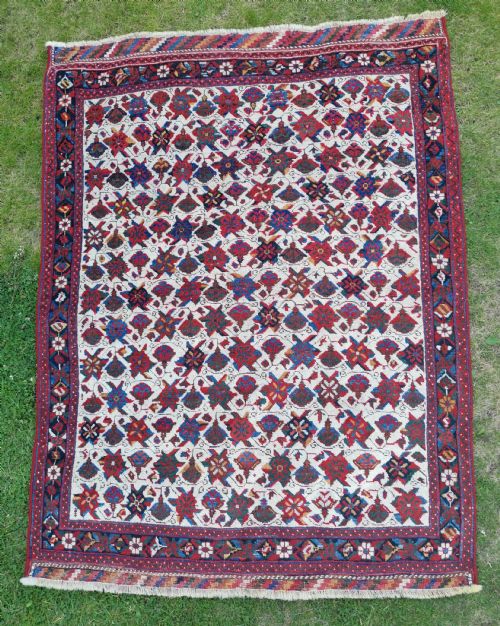
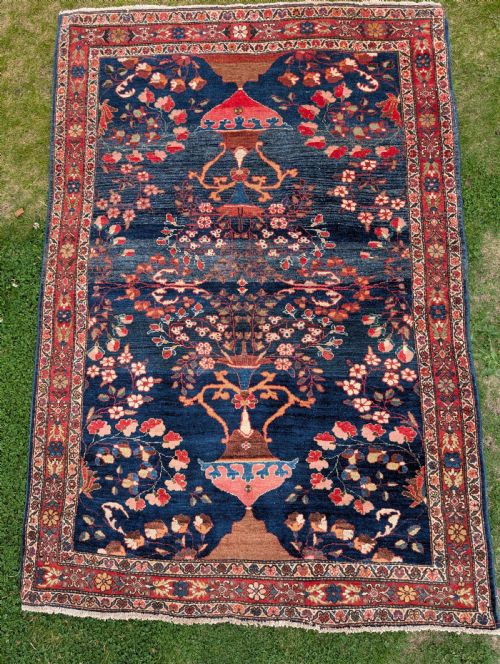
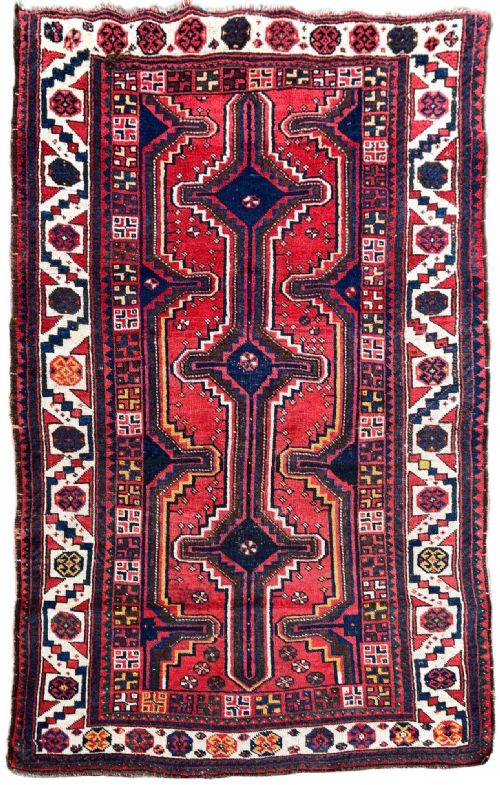
A blue red persian rug encompasses hand-knotted tribal carpets from the late nineteenth and early twentieth centuries, specifically originating from nomadic and village workshops. These floor coverings display expressive geometric and pictorial motifs developed across generations by weavers in Persia.
Buyers on this page most frequently encounter room-size carpets and smaller tribal rugs dating from eighteen-ninety through nineteen-thirty. These pieces show characteristic worn patination and distinct regional designs reflecting their nomadic heritage.
Construction and Materials
These textiles utilise durable wool pile hand-knotted onto sturdy cotton foundations to ensure structural longevity. Natural dye traditions provide the deep blue and red tones observed across the pile.
Weavers construct these rugs using traditional upright looms, binding the edges and securing the ends with distinctive flatwoven finishes. The resulting structure yields dense, resilient carpets capable of enduring daily use.
Blue Red Persian Rug Retail Price Guide 2026
Typical asking prices for blue red persian rug among the pieces listed under this phrase on Sellingantiques today, from the lower quarter to the upper quarter. They describe what is for sale here now, not the wider market.
Listings span three specific decades from eighteen-ninety to nineteen-thirty, focusing exclusively on wool and cotton construction.
Judging Quality
Quality reveals itself in the fineness of the knotting and the precision of the tribal geometry executed across the field. Finer knots permit more intricate medallion work and sharper rendering of traditional motifs.
The depth and harmony of the natural dyes distinguish superior examples from ordinary production. As the wool patinates over decades, higher quality specimens retain rich secondary shades beneath the dominant blue and red fields.
The Blue Red Persian Rug Glossary
- Afshar
- A tribal weaving attribution associated with nomadic groups in southern Persia, known for geometric medallions and stiff angular drawing.
- Khamseh
- A confederation of five tribes in southwestern Persia producing distinctive tribal carpets with dark grounds and repeated boteh motifs.
- Qasgai
- A major pastoral nomadic group in southwestern Persia celebrated for deeply saturated red and blue wool rugs featuring bold geometric centerpieces.
- Veramin
- A town and region south of Tehran famous for intricate floral designs and structured field layouts utilising deep blue indigo grounds.
- Kelleh
- A long, narrow room carpet format traditionally used in Persian domestic interiors to span the length of a reception room.
Blue Red Persian Rug: Frequently Asked Questions
How do I date an old rug?
Dating relies on examining the chemical versus natural dyes, the weave density, and the specific wear patterns across the wool pile.
Early pieces often exhibit subtle colour variations known as abrash, created by hand-dying small batches of wool.
Are these rugs suitable for high traffic?
Traditional wool pile carpets on sturdy cotton foundations are exceptionally resilient and withstand regular walking.
Placing a proper underlay beneath the rug prevents slipping and reduces friction against hard flooring.
What causes the distressed look?
Decades of daily foot traffic and natural wool compression gradually wear down the pile to reveal the foundation threads beneath.
This patination adds historical depth and softens the initial intensity of the bright blue and red dyes.
How do I identify tribal designs?
Tribal designs typically feature memory-woven geometric patterns, stylized animals, and repeating boteh motifs rather than formal court curves.
Weavers working without pre-drawn paper cartoons introduce charming irregularities that distinguish village pieces from city workshops.