




Blue Pottery Plate
A blue pottery plate brings centuries of pigment and form to a table, offering both decorative presence and functional service.
Blue Pottery Plate
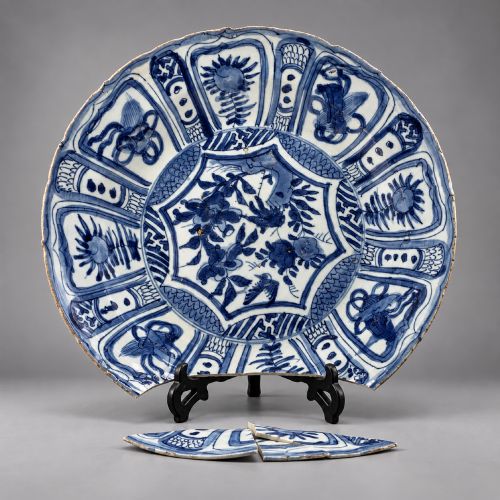
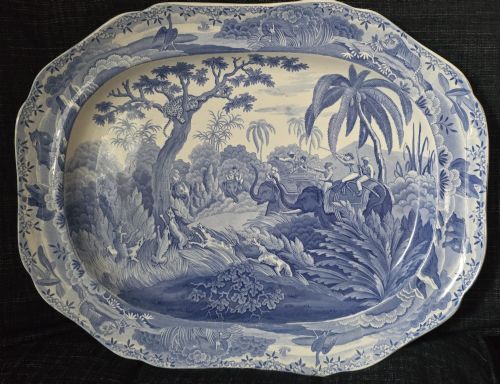
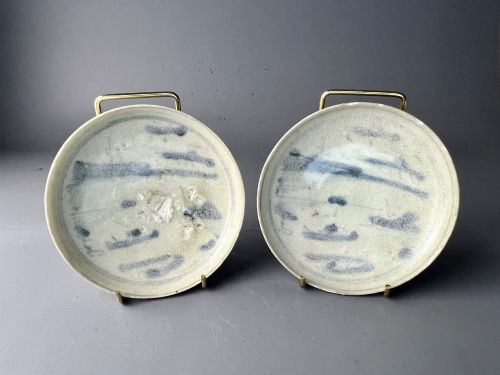
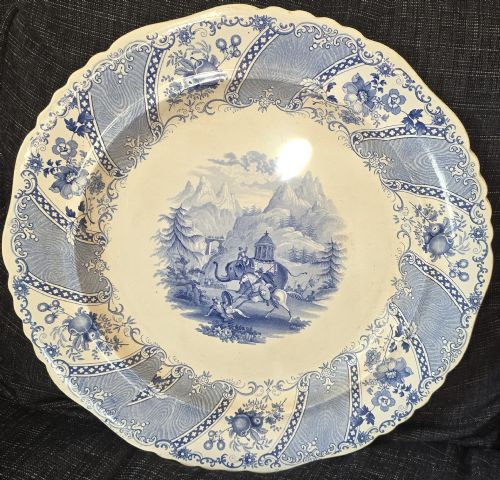
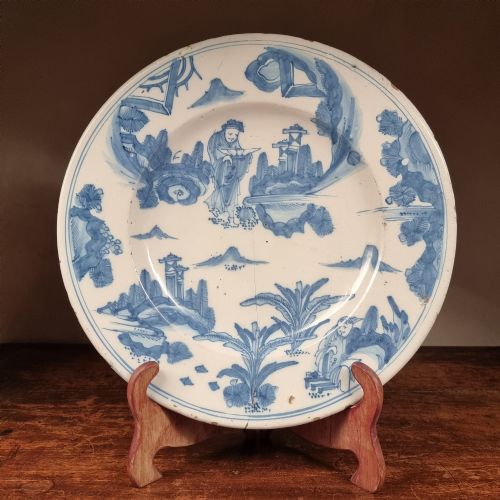
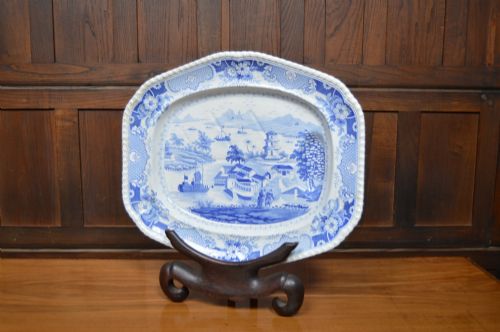
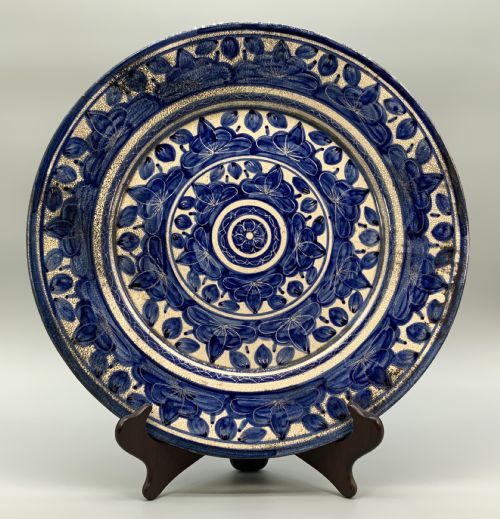
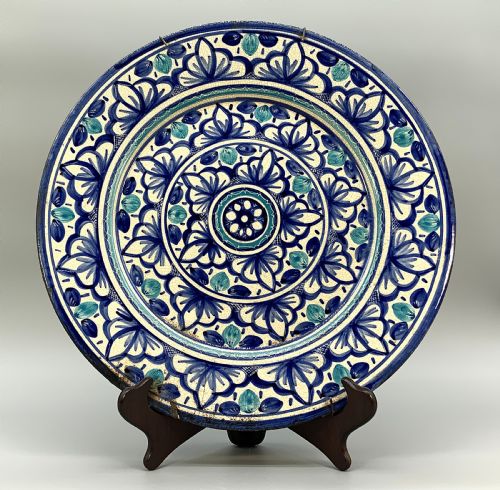
When you search for a blue pottery plate, you enter a field that spans seventeenth-century tin-glazed chargers, nineteenth-century transferware, and export porcelains. The items on this page range from modest earthenware dishes to broad chargers and serving platters intended for display.
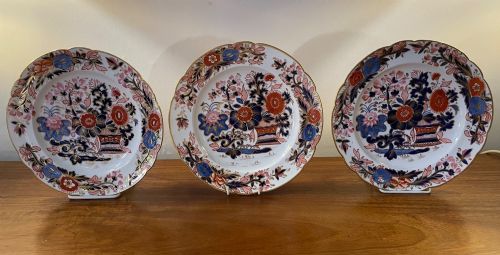
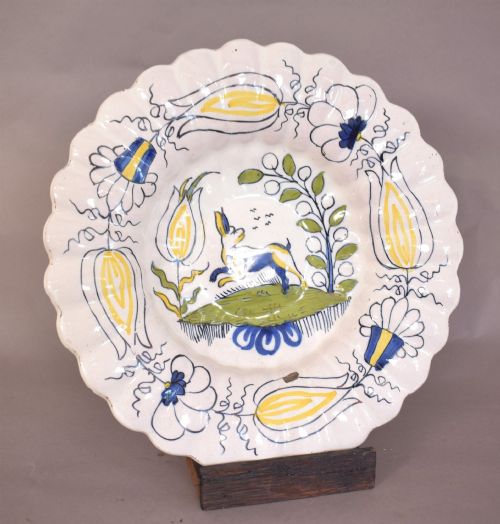
You are most likely to meet eighteenth-century Delft chargers and nineteenth-century English transferware plates on this page. These forms reflect centuries of European and Asian ceramic trade, drawing on styles from Dutch Baroque to Japanese Imari.
The objects serve as wall chargers, cabinet centerpieces, and table dishes. Their blue and white or polychrome palettes record shifts in kiln technology and global trade routes across multiple centuries.
How they were made
Potters shaped earthenware, ironstone, and porcelain on the wheel or pressed them into moulds before drying and firing. Early pieces relied on tin glaze or lead glaze to bind the blue pigment to the ceramic body.
Decoration involved hand painting with cobalt oxides or applying copper-plate transfer prints to the biscuit or glazed surface. Subsequent high-temperature firings fixed the cobalt blue into the glassy coating, creating the durable finished surface.
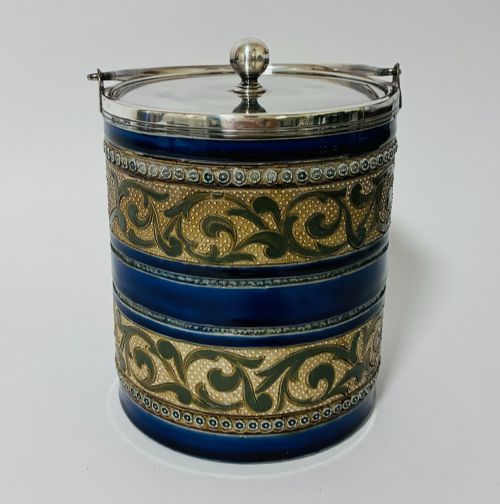
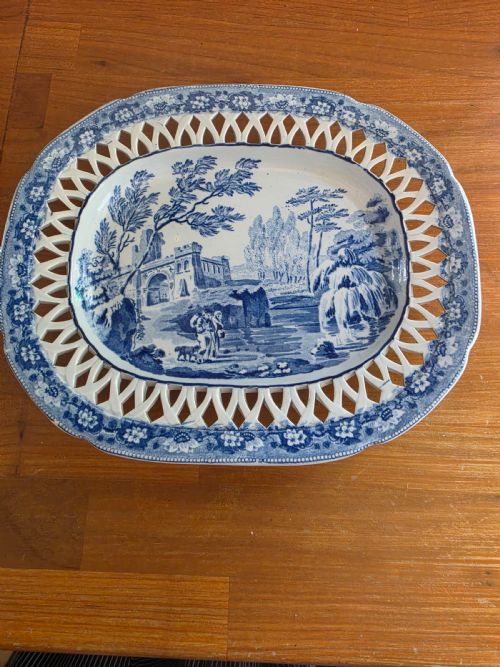
The inventory includes specialised serving platters, biscuit barrels, and wall-hanging chargers decorated in blue and white transfer prints.
What varies in quality
The clarity and depth of the cobalt pigment dictate visual success, distinguishing sharp, deep brushwork or clean transfer prints from smudged or muddy designs. Surface integrity, including the evenness of the glaze and the stability of the clay body, separates fine cabinet examples from utilitarian wares.
The crispness of moulded edges and the presence of makers' marks or historical patterns add context and authority. Pieces retaining their original glaze lustre and structural form command attention from collectors who value original condition.
Spode·William Smith and Co·Davenport·John Rogers and Son·Stubbs·Minton·John Ridgway·Doulton Lambeth
The Blue Pottery Plate Glossary
- Tin-Glazed Earthenware
- Pottery coated with an opaque white tin glaze that accepts painted cobalt decoration. It formed the basis of European Delftware and related tin-glazed traditions.
- Transferware
- Ceramic decorated by applying an inked paper print from an engraved copper plate onto the biscuit or glaze. This technique allowed intricate pictorial scenes to be replicated rapidly in blue and white.
- Charger
- A large decorative plate or shallow bowl typically intended for wall hanging or display on a sideboard rather than daily dining. These pieces often measure over twelve inches across.
- Imari
- A style of Japanese export porcelain featuring deep cobalt blue, iron red, and gilt highlights. European makers frequently copied these vibrant palettes on earthenware bodies.
- Biscuit
- Unglazed ceramic fired once to a porous state before receiving glaze and a second firing. It provides an absorbent surface for painting and transfer printing.
Blue Pottery Plate: Frequently Asked Questions
How do I hang a heavy charger safely?
Large chargers require broad, fabric-lined spring clips or basket-style brass wire hangers that distribute weight evenly across the rim and foot ring. Avoid wire that bites directly into the soft earthenware body.
Ensure the wall fixing secures firmly into masonry or a wooden stud rather than plaster alone. Check the stability of the glaze around the foot ring before mounting.
Can I use these plates for serving food?
Most antique tin-glazed earthenware and early transferware pieces are porous or contain historic glazes unsuited for modern acidic foods and dishwashers. Hand washing in tepid water with mild soap protects the fragile glaze from crazing.
Reserve antique plates for dry presentation or display unless the ceramic body is dense ironstone or porcelain in robust condition.
How do I distinguish Delft from English pottery?
Dutch and continental Delft utilises a softer earthenware body covered in a thick tin glaze that often shows minor fritting along the rim edges. English transferware typically employs harder refined earthenware or ironstone with crisp, machine-printed imagery.
Examining the foot rim reveals the underlying clay fabric, which appears buff or pinkish in earthenware and bright white in porcelain or ironstone.
What causes crazing on glazed plates?
Crazing occurs when the surface glaze contracts at a different rate than the underlying clay body during cooling, creating a fine network of microscopic cracks. This process happens naturally over centuries as moisture interacts with the ceramic structure.
While crazing is a standard feature of antique earthenware, keeping pieces away from sudden temperature shifts prevents further stress to the glaze.