






Blue Pottery Charger
When you search for a blue pottery charger, you find large earthenware and porcelain display plates painted in cobalt pigment that bring centuries of ceramic history to any room.
Blue Pottery Charger
A blue pottery charger is a large decorative plate or serving platter designed primarily for display rather than daily dining. These pieces encompass substantial circular forms from various global traditions, ranging from European tin-glazed earthenwares to Asian porcelains.
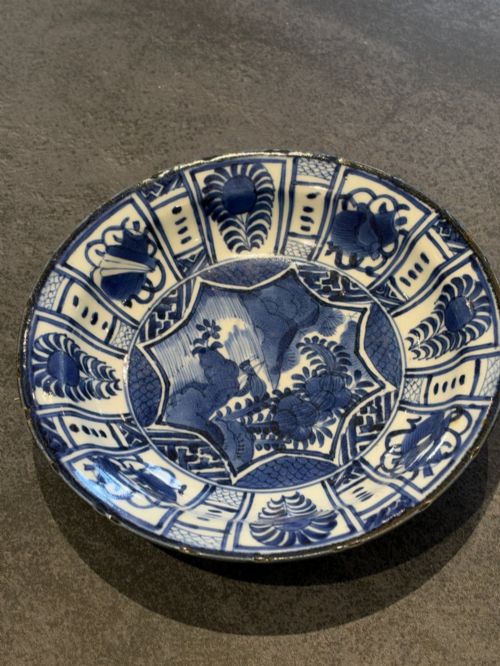
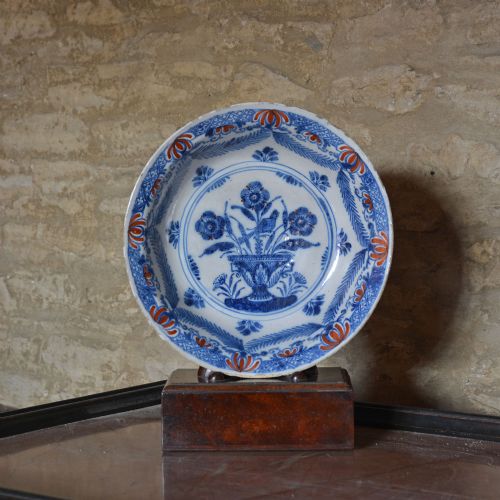
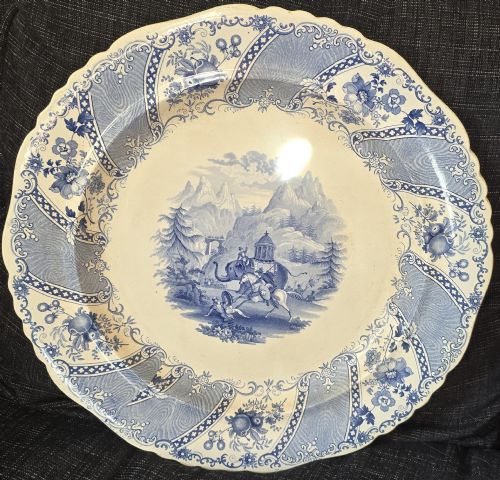
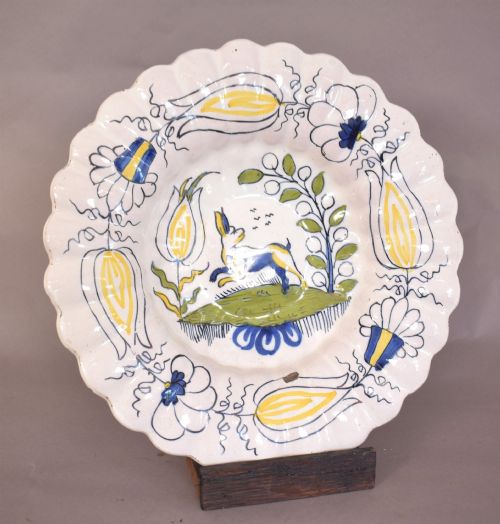
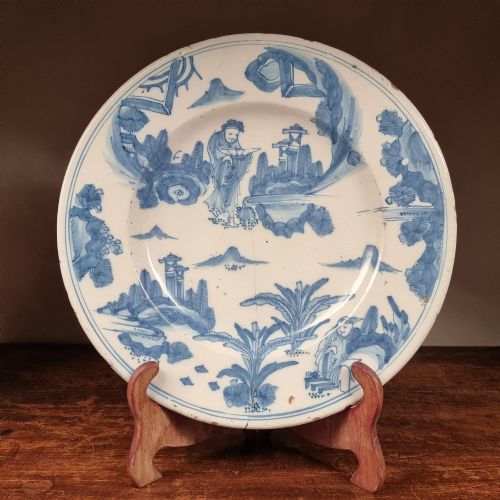
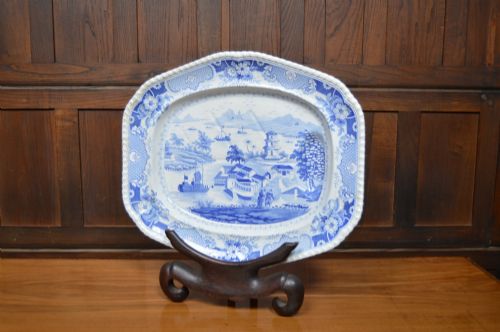
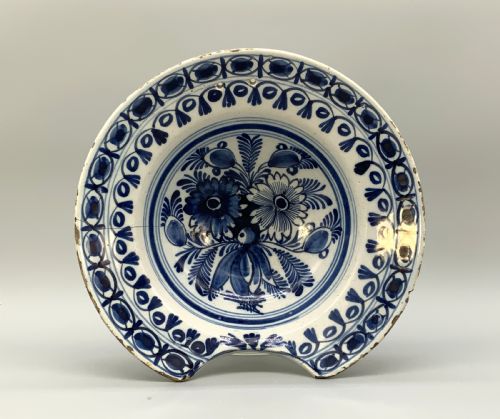
On this page, a buyer meets mostly seventeenth- and eighteenth-century Delftware alongside nineteenth-century transferware and Japanese Imari chargers. These objects represent centuries of shifting trade routes and ceramic techniques adapted by potteries across England, the Netherlands, and beyond.
How they were made
Potters shaped earthenware and porcelain bodies on wheels or in moulds before applying glazes containing tin or lead to create a smooth, opaque white surface. Cobalt oxide or pigment was then painted directly onto this ground by hand or transferred mechanically through engraved copper plates.
The vessels underwent high-temperature firing in kilns to vitrify the ceramic body and fuse the cobalt pigment into the glaze. Polychrome examples received additional touches of colour, while tin-glazed pieces relied on a characteristic milky finish to mask coarser underlying clays.
Blue Pottery Charger Retail Price Guide 2026
Typical asking prices for blue pottery charger among the pieces listed under this phrase on Sellingantiques today, from the lower quarter to the upper quarter. They describe what is for sale here now, not the wider market.
What varies in quality
The refinement of the ceramic body and the precision of the cobalt painting set exceptional pieces apart from ordinary production. Artisans who controlled kiln temperatures achieved vibrant blues and stable glazes that resisted extensive crazing or discoloration.
Design complexity and cultural provenance heavily influence the standing of each charger within its period. Pieces displaying intricate hand-painted detail or well-documented workshop origins demonstrate superior craftsmanship compared to standard commercial output.
William Smith And Co·John Rogers And Son·Copeland And Garrett
The Blue Pottery Charger Glossary
- Tin-Glaze
- Earthenware coated in an opaque white glaze containing tin oxide. This technique provided a bright canvas for blue cobalt painting in European potteries.
- Transferware
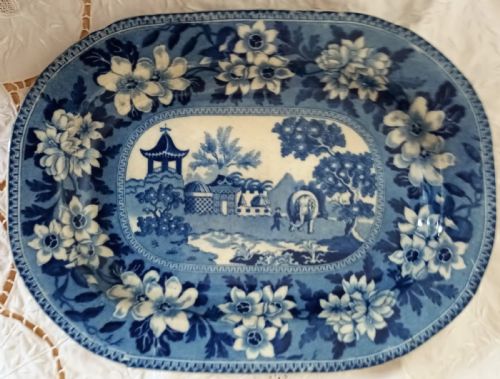
- Pottery decorated by pressing a paper design inked with cobalt pigment from an engraved copper plate onto the ceramic surface. This mechanical process allowed for detailed topographical and narrative scenes.
- Imari
- Japanese porcelain decorated in underglaze blue, iron red, and gilt. These export wares heavily influenced European ceramic design during the early modern period.
- Kraak
- Chinese export porcelain featuring panelled designs painted in cobalt blue. These chargers gained immense popularity in Europe during the late sixteenth and seventeenth centuries.
- Faience
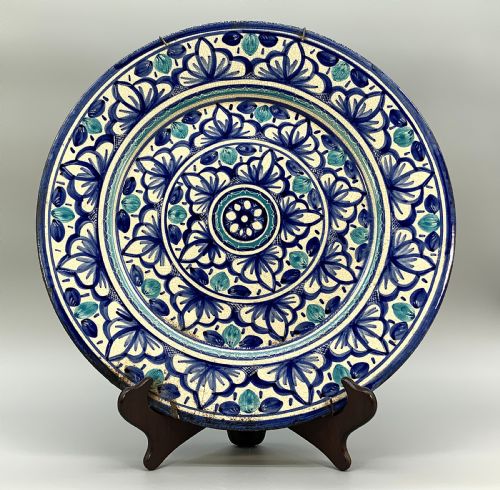
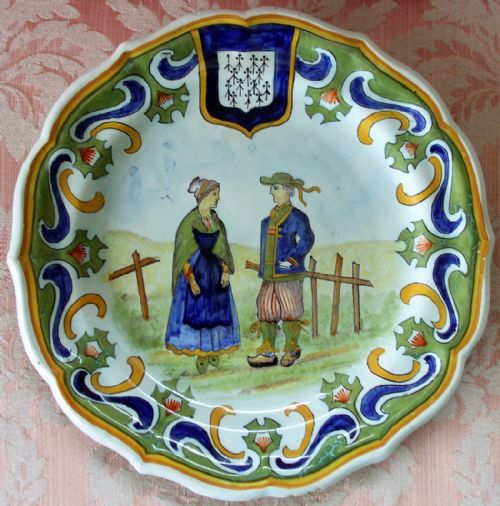
- European tin-glazed earthenware produced in France, Spain, and other continental regions. The body is typically softer than porcelain and finished with an opaque glaze.
Blue Pottery Charger: Frequently Asked Questions
How were blue pottery chargers displayed historically?
Historic interiors utilised large chargers as focal points on sideboards, walls, and mantelpieces to display wealth and artistic taste. Their substantial diameters made them ideal for mounting on vertical surfaces or resting in specialised plate grooves.
Owners often curated displays to highlight contrasting cobalt patterns or imported origins. This tradition continues today, where collectors mount chargers on walls or place them on sturdy stands.
Can I use these chargers for serving food?
While many of these objects originated as platters or serving dishes, historic ceramic surfaces require careful handling. Centuries of ageing mean glazes can be porous or sensitive to modern acidic foods and dishwashers.
Most buyers choose to exhibit these pieces purely as decorative art rather than functional tableware. Preserving the integrity of the glaze and cobalt pigment remains the primary priority for collectors.
How do I tell Delftware from Japanese Imari?
Delftware typically employs an earthenware body covered in an opaque tin glaze with blue painted designs inspired by Chinese porcelain. The palette is usually restricted to cobalt blue and white, though polychrome examples exist.
Japanese Imari uses a hard porcelain body decorated in a distinctive palette of underglaze blue, iron red, and gilding. The tactile weight and resonance of the ceramic body also differ significantly between earthenware and porcelain.
What causes crazing on tin-glazed chargers?
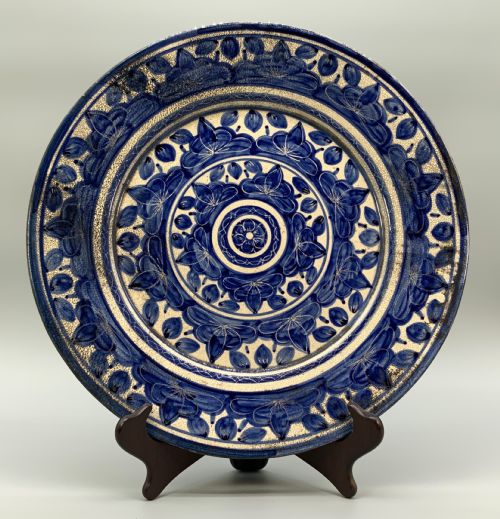
Crazing appears as a fine network of microscopic cracks across the glaze surface caused by the different contraction rates of the ceramic body and the outer glass layer. This natural ageing process happens over decades as the material settles.
While extensive crazing alters the visual texture, it is a common characteristic of historic earthenware and tin-glazed items. Stable pieces show this trait without structural compromise to the clay body.