


Blue Porcelain Table Clock
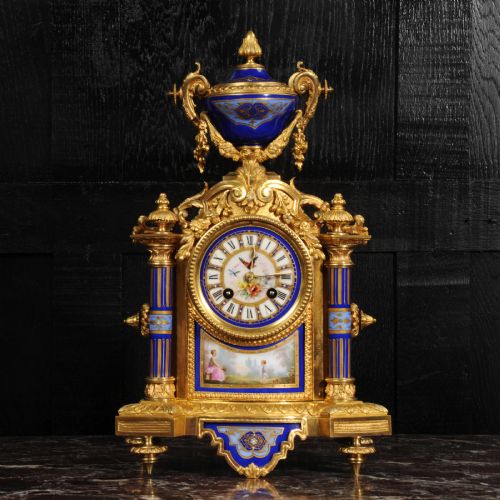
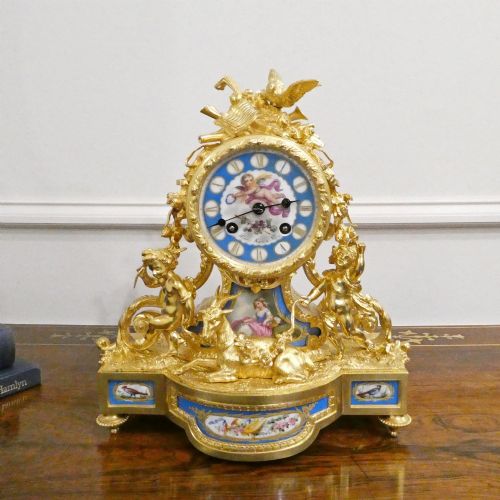
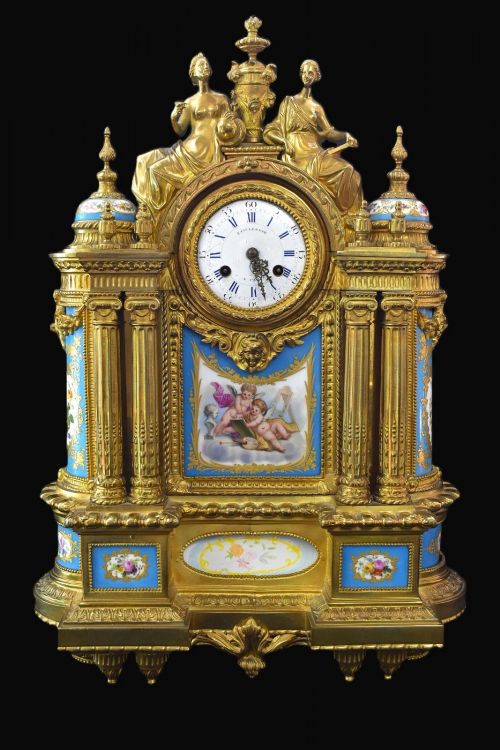
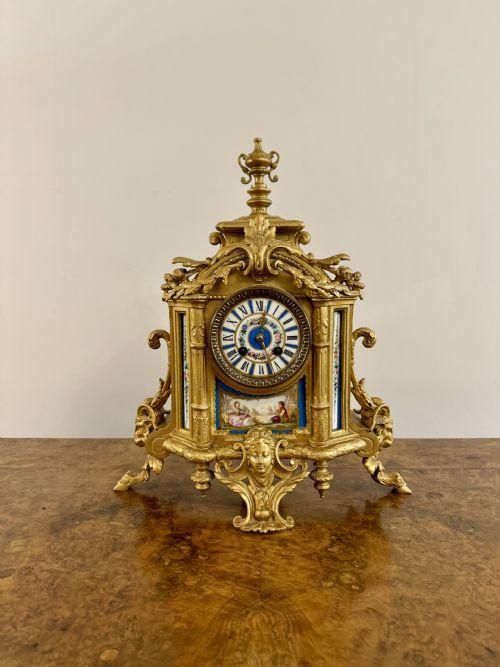
These blue porcelain table clock pieces combine hand-painted ceramics with cast metal mounts for interior use.
Blue Porcelain Table Clock
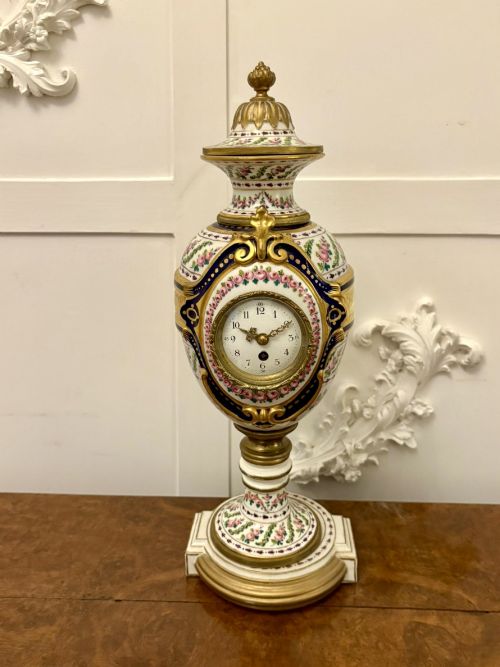
A blue porcelain table clock typically takes the form of a mantel clock, urn-shaped timepiece, or crystal regulator originating from nineteenth-century France and Victorian workshops. These objects combine ceramic bodies with striking mechanisms designed to sit on mantelpieces, brackets, or tables.
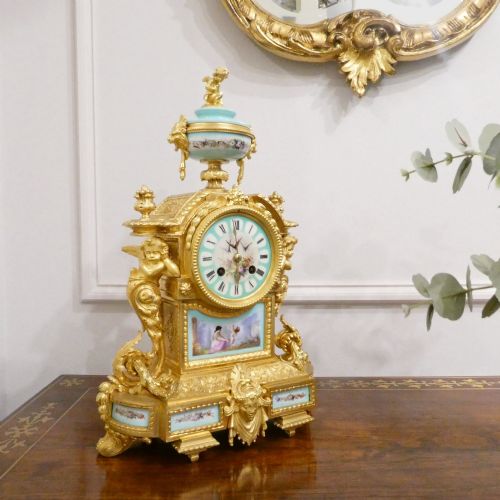
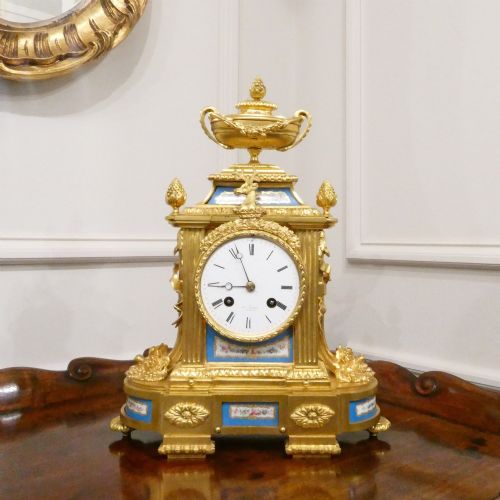
The prevalent design combines deep blue ceramic components, often styled after Sevres or Delft traditions, with gilded bronze or ormolu mounts. Makers frequently integrated painted dials and ceramic panels into architectural or urn-like frames during the Victorian period.
Materials and construction methods
The physical structure relies on porcelain bodies paired with brass, gilt bronze, or ormolu frames. Metalworkers cast mounts in bronze or gilt metal before finishing them with fire gilding or polishing.
Clockmakers fitted mechanical movements driven by springs or weights inside these ceramic and metal housings, often incorporating enamel chapter rings and hand-painted glazed panels.
Certain nineteenth-century French clocks feature sculpted cherubs perched atop porcelain urns, keeping watch over the passing hours.
Evaluating craftsmanship and execution
Quality separates through the crispness of the bronze casting and the precision of the hand-painted ceramic decoration. Finer examples display deeply chased ormolu mounts alongside carefully detailed enamel dials and artist-signed porcelain plaques.
The integration between the porcelain body and the metal housing dictates the overall execution. Superior pieces maintain secure, balanced joints where the ceramic elements meet the gilt bronze mounts without gaps.
Japy Freres·Henry Marc·Etienne Lenoir·PH Mourey·Achille Brocot·Japy Fils·Miroy Freres·JP Delettrez
The Blue Porcelain Table Clock Glossary
- Ormolu
- Gilded bronze produced by applying a mercury and gold amalgam to a bronze casting and heating it until the mercury vaporised. This technique creates a durable golden surface common on nineteenth-century French clock mounts.
- Sevres
- Porcelain produced by the royal French manufactory known for rich blue ground colours and hand-painted pastoral scenes. Pieces often feature distinct soft-paste or hard-paste ceramic bodies with elaborate gilding.
- Crystal regulator
- A mantel clock constructed with glass panels on multiple sides to display the interior mechanism. These pieces frequently incorporate enamel dials and porcelain elements within a brass or gilt frame.
- Enamel
- Fused glass powder applied to metal dial plates and fired at high temperatures to create a smooth surface. Clockmakers used this material to paint numeric markers and decorative chapter rings.
Blue Porcelain Table Clock: Frequently Asked Questions
Where should I place a mantel clock?
These timepieces suit flat surfaces such as mantelpieces, sideboards, or dedicated wall brackets where the visual weight of the bronze and porcelain can anchor the space.
Ensure the location protects the clock from direct sunlight and sudden temperature changes, which can affect the painted porcelain and internal metal mechanisms.
How do I wind an antique clock?
Use the designated key to turn the arbours on the dial face gently until resistance indicates the mainspring is fully tensioned. Avoid overwinding, as this can strain the internal brass gears and springs.
Consult the specific movement type to determine whether the clock strikes hours and half hours on a bell or gong.
How do I identify a Victorian clock?
Victorian clocks often display nineteenth-century French influences, combining gilt bronze or ormolu mounts with hand-painted ceramic panels and enamel dials.
Examine the movement backplate for maker stamps such as Japy Freres or Henri Marc, which help date the piece alongside the Victorian period markers in the listing.
What maintenance do these clocks need?
Keep the porcelain and ormolu clean by dusting them with a soft, dry brush to prevent dirt accumulation in the chased metal crevices.
Arrange for professional mechanical servicing periodically to lubricate the pivots and ensure the striking train operates smoothly.