




Blue Porcelain Lidded Vases
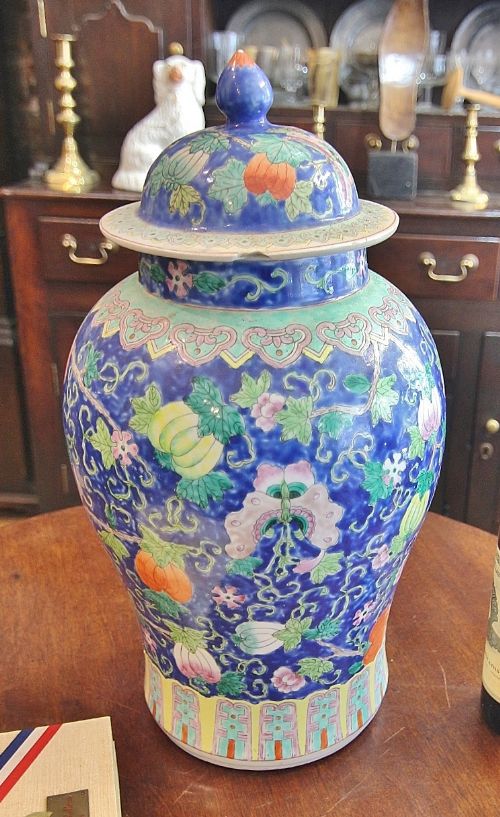
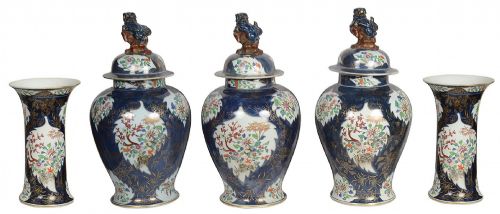
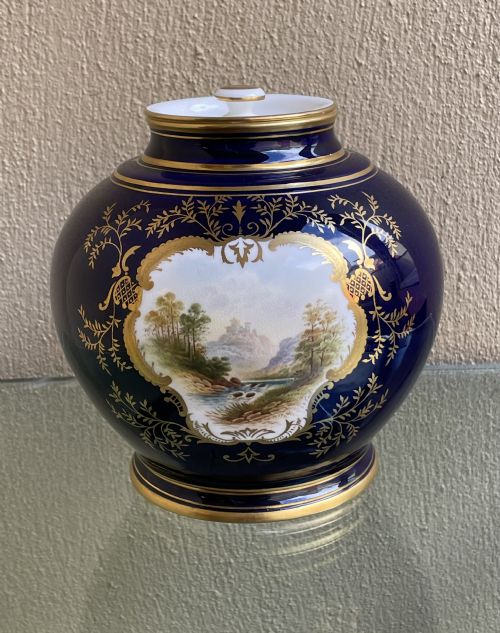
These blue porcelain lidded vases bring together centuries of global ceramic craft, offering striking symmetry and enclosed form to transform any mantelpiece.
Blue Porcelain Lidded Vases
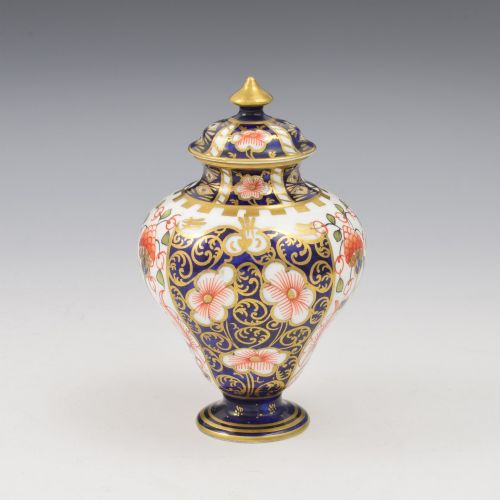
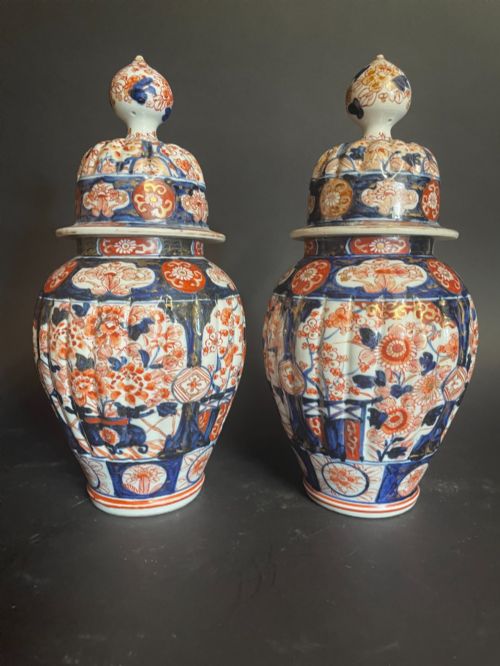
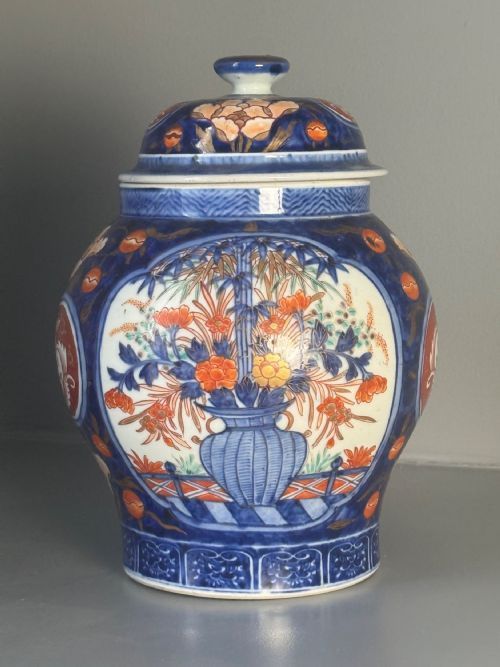
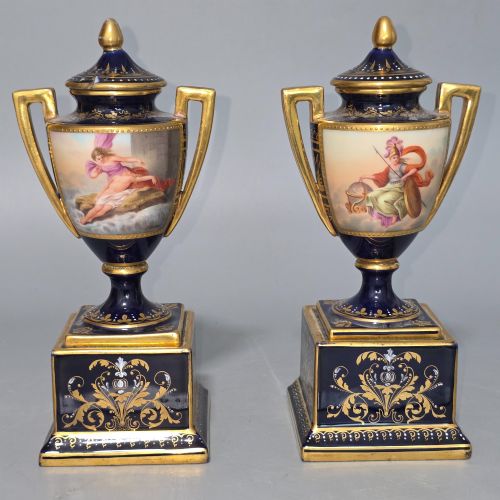
Blue porcelain lidded vases encompass a diverse array of covered vessels, ranging from ginger jars to grand classical urns. When exploring blue porcelain lidded vases, buyers encounter creations spanning the eighteenth, nineteenth, and early twentieth centuries from both European and Asian kilns. Japanese Imari examples and Chinese blue and white pieces appear frequently alongside English and French interpretations.
The forms vary from slender baluster bodies to octagonal jars and pedestal garnitures. Many pieces follow earlier traditions, such as Kangxi period design or Edo manner decoration, reinterpreted by later potteries.
Materials and Construction Techniques
Makers utilised high-fired porcelain bodies, applying cobalt blue pigments beneath transparent glazes or painting over the glaze alongside enamel colours. Gilding, gold leaf, and ormolu mounts frequently accent the ceramic forms.
Potters shaped these vessels on the wheel or cast them in moulds before kiln firing. Skilled hands then added hand-painted motifs, ranging from intricate Imari patterns to exotic birds and classical figures.
Styles include Japanese Imari, French Rococo Revival, Qing Dynasty designs, and English ironstone variations.
Factors Distinguishing Quality
Quality rests in the crispness of the underglaze painting, the vibrancy of the enamel palette, and the precision of the potting. Superior pieces display finely detailed brushwork without blurring or pooling in the glaze.
The integration of metal mounts, such as gilt bronze or ormolu, separates standard production from exhibition pieces. Signed works by established manufactories or named artists further elevate the standing of a vessel.
Royal Crown Derby·Chamberlain Worcester·Coalport·Wolfsohn Dresden·Hadley and Sons Worcester
The Blue Porcelain Lidded Vases Glossary
- Imari
- A style of Japanese porcelain featuring a distinct palette of underglaze blue, iron red, and gilt highlights. This decorative approach originated in Arita and heavily influenced European potteries.
- Baluster
- A vase form characterised by a rounded lower body that tapers towards the neck, resembling a traditional architectural baluster. This shape provides stability and ample surface area for decoration.
- Garniture
- A set of three or more matching vases designed to be displayed together on a mantelpiece or sideboard. These sets typically include a mix of lidded jars and open beakers.
- Ormolu
- Gilt bronze mounts applied to furniture and ceramics, popular in French decorative arts. This technique adds structural framing and ornamental handles to porcelain bodies.
- Arita
- The Japanese town central to the production of early export porcelain. Kilns in this region produced many of the blue and white and Imari pieces found in Western collections.
Blue Porcelain Lidded Vases: Frequently Asked Questions
How were lidded vases originally used in the home?
These vessels primarily served as decorative garnitures on mantelpieces, tabletops, and architectural ledges in wealthy interiors. Covered jars also functioned practically to store dry spices, potpourri, or precious teas.
Over time, their role shifted entirely to ornamental display, showcasing the wealth and refined taste of the owner through fine ceramic art.
How do I distinguish between Japanese Imari and European copies?
Japanese Imari pieces typically feature a characteristic heavy, slightly greyish porcelain body with iron-red, underglaze blue, and gilt details applied over the glaze. The brushwork often displays an organic spontaneity characteristic of Arita production.
European factories like Samson or various English makers produced imitations with different clay compositions and stiffer hand-painted lines. Examining the foot ring and paste helps reveal the true origin of the vessel.
What does the presence of ormolu mounts indicate?
Ormolu mounts indicate French influence, particularly from the nineteenth century when makers embraced revivalist styles. These gilt-bronze fixtures were often added to enhance the status and decorative impact of the porcelain.
Pieces featuring such mounts frequently point towards French workshops or high-end European presentation pieces intended for formal drawing rooms.
How should I care for antique porcelain lidded vases?
Keep these vessels away from direct sunlight to preserve the stability of surface enamels and the brilliance of any gold leaf. Dust them gently with a soft, dry brush rather than using water or chemical cleaners.
Ensure they rest on stable, level surfaces away from high-traffic areas to protect lids and delicate handles from accidental knocks.