





Blue Persian Runner Carpet
A blue persian runner carpet brings enduring warmth and structured geometry to long hallways, grounding your interior with centuries of weaving tradition.
Blue Persian Runner Carpet
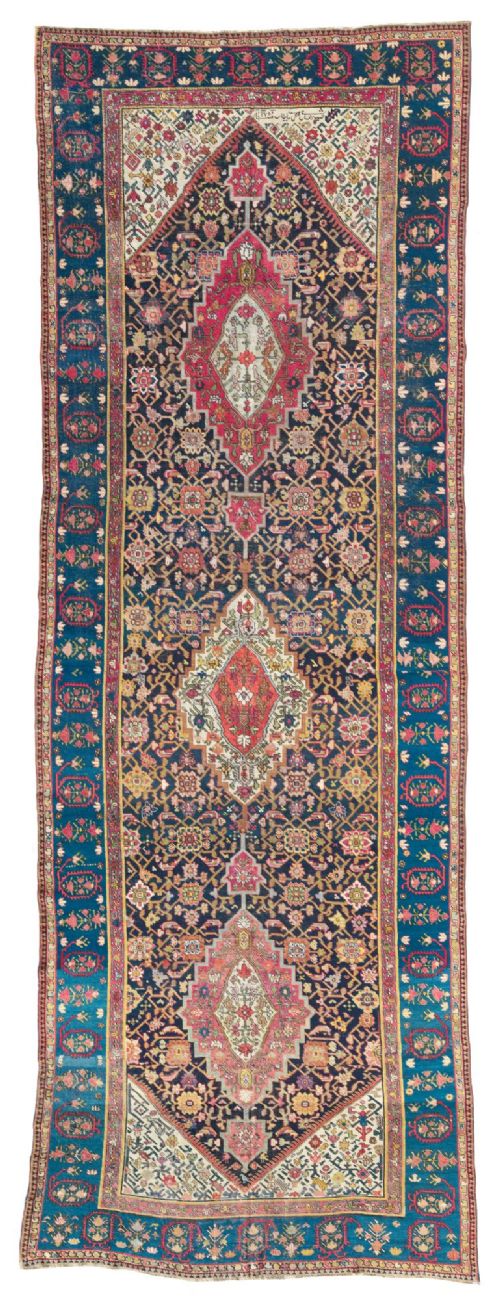
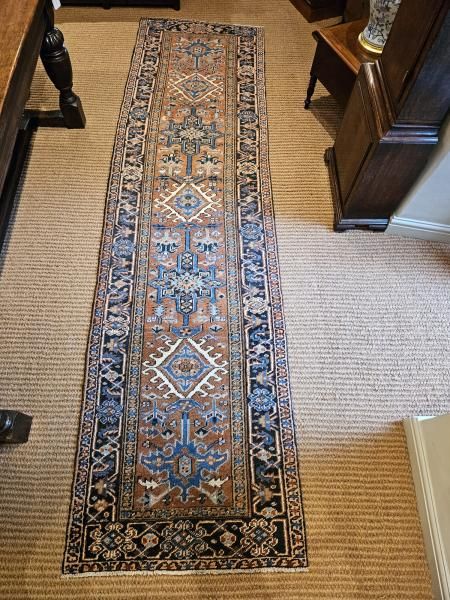
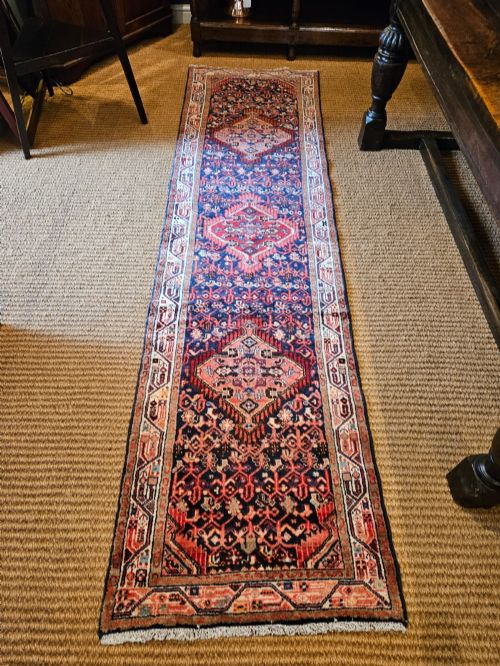
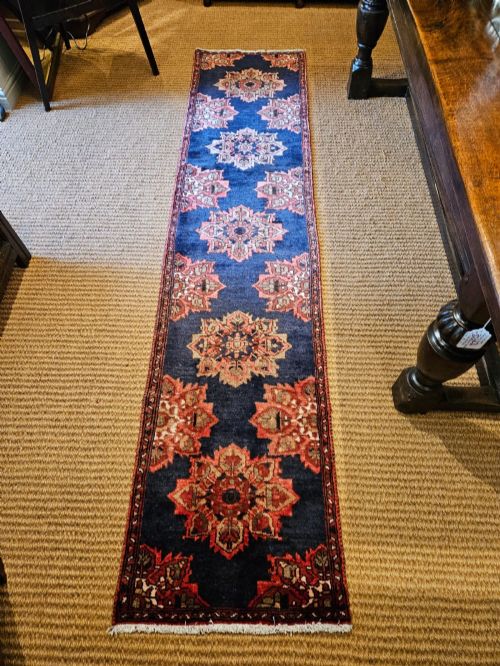
A blue persian runner carpet is a long, narrow textile traditionally woven for corridors and halls, balancing functional floor coverage with intricate tribal or regional design. When exploring this search phrase, you encounter narrow formats designed specifically to guide movement through domestic spaces.
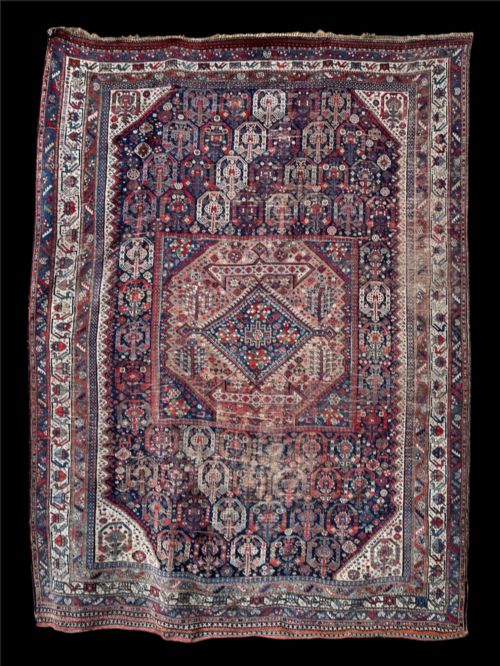
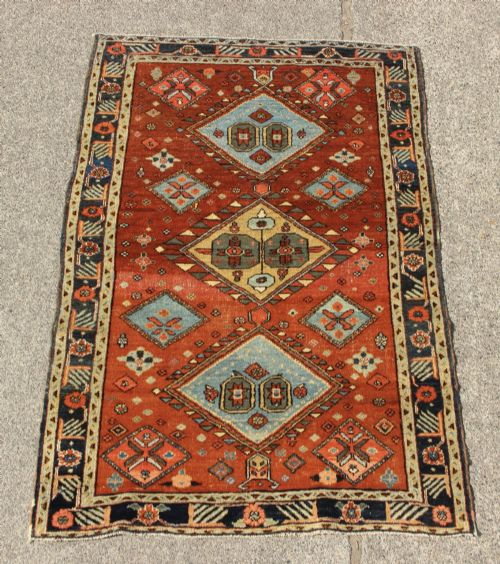
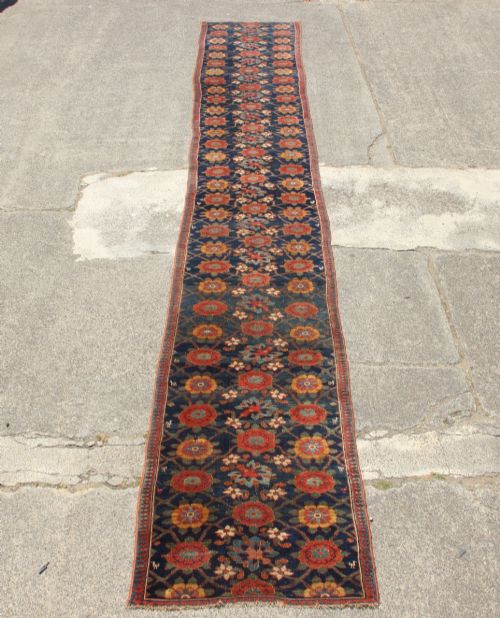
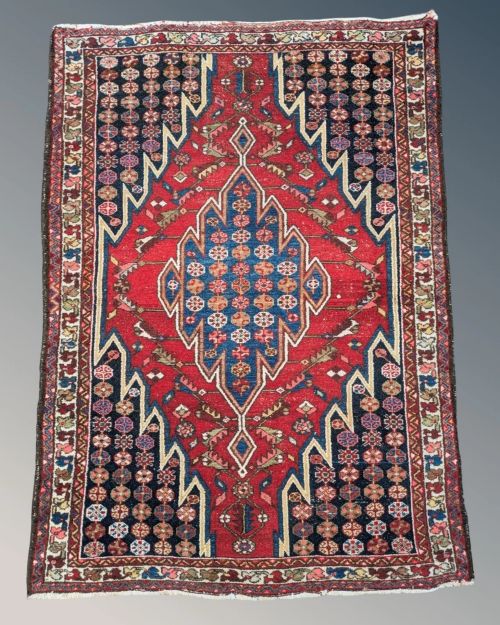
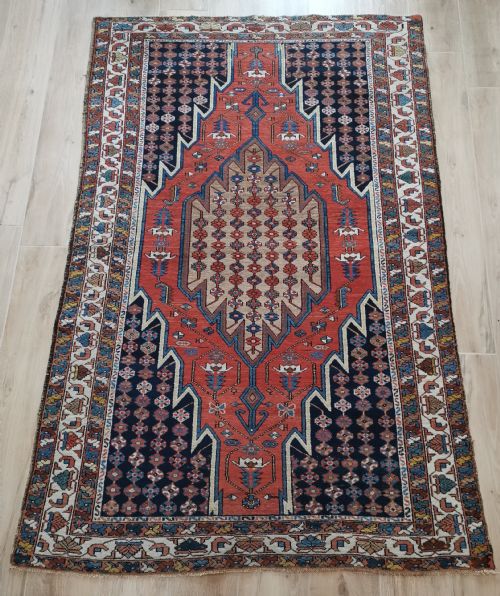
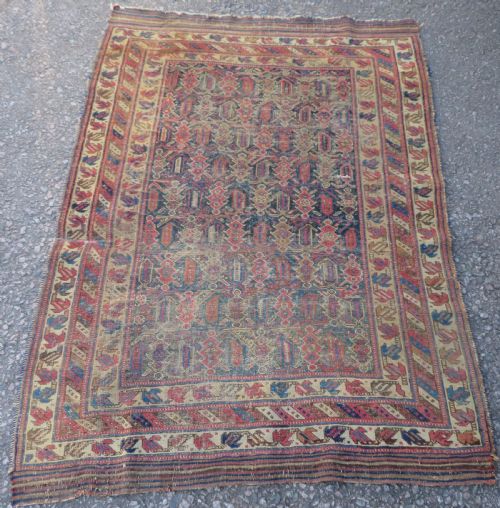
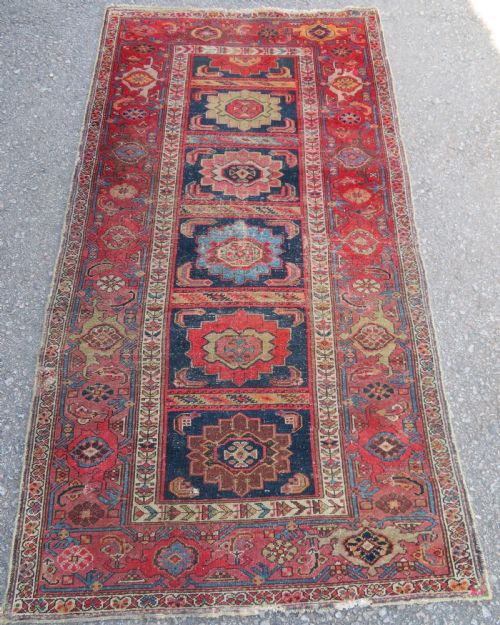
The selections span from the late nineteenth century into the early decades of the twentieth century, originating from workshops and tribal regions across Persia and the Caucasus. These examples include named regional types such as Heriz, Kurdish, and Bakshaish, reflecting distinct local weaving dialects.
Most pieces display elongated proportions suited to narrow floors, combining deep navy or indigo fields with repeating geometric motifs, medallions, or floral lattices. They serve as historical artefacts that continue to endure daily foot traffic.
What varies in quality
Quality rests in the precision of the knotting and the integrity of the foundation materials, which dictate how well the runner retains its shape along narrow expanses. Finer knot counts allow for sharper delineation of geometric borders and medallion details.
The choice and saturation of natural dyes also set examples apart, with certain pieces achieving a harmonious tonal variation known as abrash as the colour shifts naturally across the field.
Listings span multiple decades from the late nineteenth century through the 1930s, featuring regional types such as Heriz, Kurdish, and Bakshaish.
The Blue Persian Runner Carpet Glossary
- Runner
- A long, narrow carpet format intended for corridors, staircases, and hallways. These pieces typically maintain a high length-to-width ratio.
- Warp
- The vertical foundation threads stretched tightly on the loom before knotting begins. The fringe of a carpet typically consists of the exposed ends of these warp threads.
- Weft
- The horizontal threads passed back and forth through the warp threads to secure each row of knots. This technique binds the structure together across the width of the carpet.
- Abrash
- A natural variation in colour shading within a hand-knotted carpet, caused by changes in dye batches or hand-spun wool. Collectors value this characteristic as evidence of traditional crafting methods.
- Pile
- The vertical or slanted surface of a carpet formed by the cut ends of knots. It provides the soft, dense texture walked upon.
Blue Persian Runner Carpet: Frequently Asked Questions
Where should I place a runner carpet?
These narrow textiles suit hallways, corridors, and narrow passageways where elongated floor coverings soften sound and protect wooden floorboards.
They also function effectively in long entryways or galley kitchens, providing a durable surface for high-traffic areas.
How do I care for an antique wool runner?
Regular gentle vacuuming without a rotating brush roll helps remove grit that settles deep within the wool pile. Professional cleaning suited for antique textiles preserves the natural lanolin in the wool.
Keeping the piece out of harsh direct sunlight prevents fading of the indigo and natural dyes over time.
How do I date a woven runner?
Dating relies on stylistic markers, regional weaving structures, and the composition of the wool and dyes. Nineteenth-century examples often exhibit distinct tribal palettes and coarser, hand-spun foundations compared to later twentieth-century production.
Examining the selvedges and knot structure provides further clues regarding the origin and approximate decade of creation.