



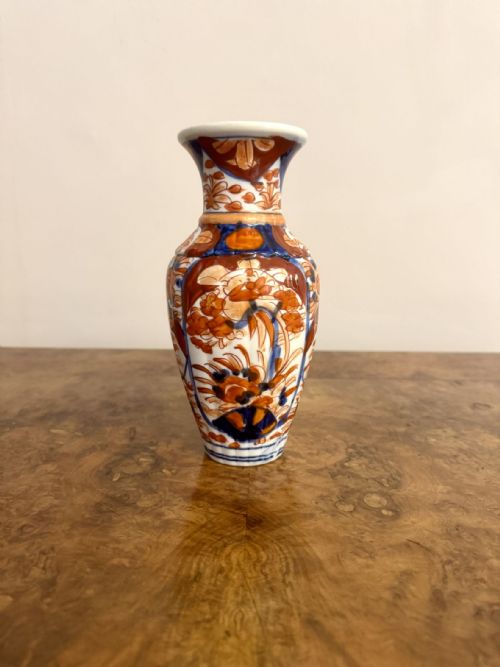
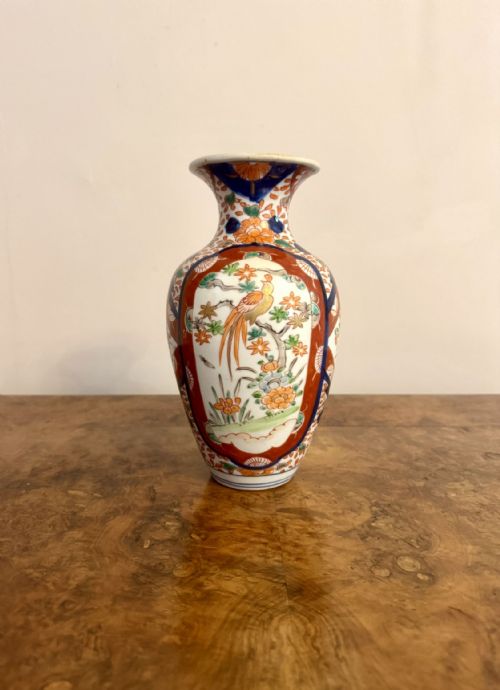


Blue Patterned Urn Jar
A blue patterned urn jar brings striking cobalt colour and form to a room, drawing the eye instantly to centuries of ceramic tradition.
Blue Patterned Urn Jar
A blue patterned urn jar encompasses a variety of covered vessels, vases, and pot pourri containers originating from diverse traditions. When you search for this phrase, you encounter pieces designed for both display and utility, spanning periods from the Georgian era through to the twentieth century.
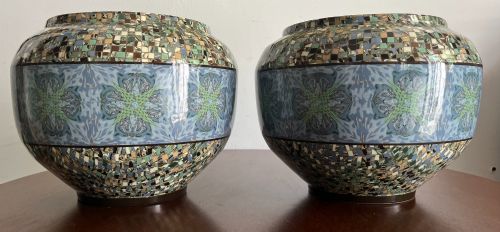
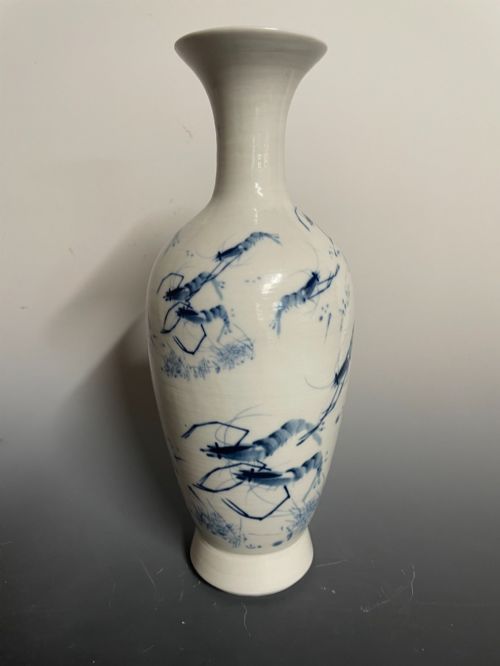
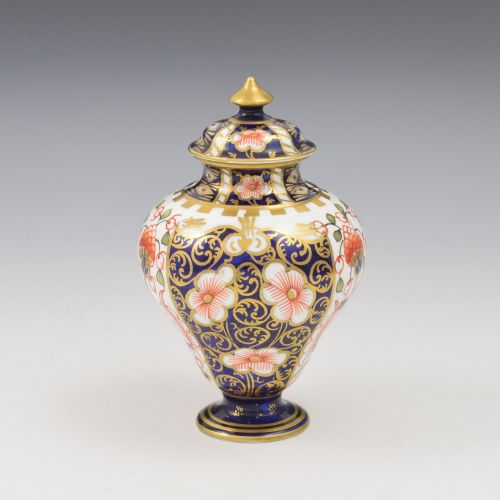
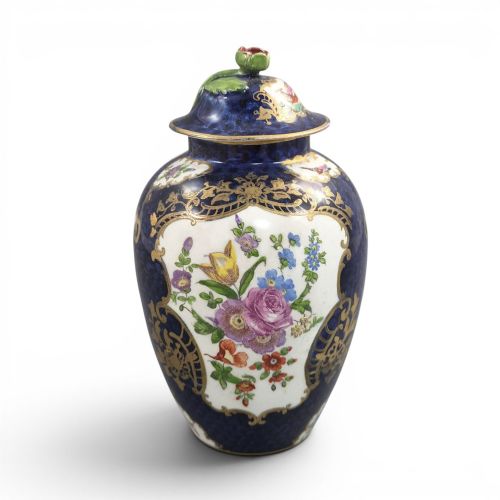
The selections on this page heavily feature Japanese Imari designs alongside English ironstone and porcelain works. Buyers regularly find lidded jars and decorative urn forms adorned in rich cobalt tones, often accented with gilding or iron-red details.
Makers from the nineteenth and early twentieth centuries produced these vessels in matched pairs or grand single items. They served to punctuate mantelpieces and large tables in period homes, functioning as focal points of interior decoration.
Distinctions in quality
Quality rests upon the crispness of the blue pattern and the precision of the hand-painted details across the body and cover. Superior examples display careful alignment of motifs, rich glaze depth, and well-preserved gilding without rubbing.
The weight and balance of the ironstone or porcelain body indicate the standard of production. Finer vessels maintain sharp moulding lines on octagonal or baluster shapes, whereas simpler pieces show softer contours and standard transfer printing.
Blue Patterned Urn Jar Retail Price Guide 2026
Typical asking prices for blue patterned urn jar among the pieces listed under this phrase on Sellingantiques today, from the lower quarter to the upper quarter. They describe what is for sale here now, not the wider market.
The listings span from the Georgian period through the Victorian and Edwardian eras, incorporating Japanese Imari and English ironstone.
Royal Crown Derby·Masons Ironstone·Samson of Paris
The Blue Patterned Urn Jar Glossary
- Imari
- A style of Japanese export porcelain characterised by a palette of cobalt blue, iron red, and gilt. It gained immense popularity in Europe during the seventeenth century and inspired numerous Western copies.
- Ironstone
- A dense, durable type of earthenware patented in the nineteenth century by English manufacturers like Mason's. It resists chipping and served as a robust alternative to true porcelain.
- Baluster
- A vase shape with a rounded lower body that tapers towards the neck, frequently topped with a domed cover. This silhouette appears regularly in large decorative jars.
- Pot pourri
- A vessel featuring a pierced or perforated cover designed to hold dried scented plant materials. These jars allowed fragrance to diffuse while concealing the contents within a decorative body.
- Chinoiserie
- A European artistic style reflecting Chinese motifs and decorative techniques. Artisans applied these imaginative interpretations to ceramics and furniture throughout the Georgian and Victorian periods.
Blue Patterned Urn Jar: Frequently Asked Questions
How were lidded urn jars used historically?
These vessels functioned primarily as decorative ornaments on mantelpieces, sideboards, and large pedestals within formal rooms.
Certain lidded forms held pot pourri to scent the air, while others served purely as architectural centrepieces to display wealth and taste.
How do I identify a Japanese Imari jar?
Japanese Imari pieces display a distinct palette combining underglaze cobalt blue with overglaze iron red and gold leaf highlights. The patterns typically incorporate traditional floral, landscape, or panel motifs.
European factories frequently copied this aesthetic, creating similar colour schemes on local earthenware and porcelain bodies during the nineteenth century.
Are these jars and vases dishwasher safe?
Historic ceramic pieces require gentle hand washing in lukewarm water with mild soap. Harsh detergents and modern dishwashers will damage fragile glazes and wear away delicate gold leaf.
Careful handling preserves the hand-painted surfaces and historic integrity of antique porcelain and ironstone.
How should I style an antique urn jar at home?
Place a pair of lidded jars symmetrically on a sideboard or mantelpiece to create a classic focal point in a room. Single large urns work well on sturdy occasional tables where their height and colour can stand alone.
Keep them away from direct sunlight and areas of heavy traffic to protect the glaze and painted details from accidental knocks.