
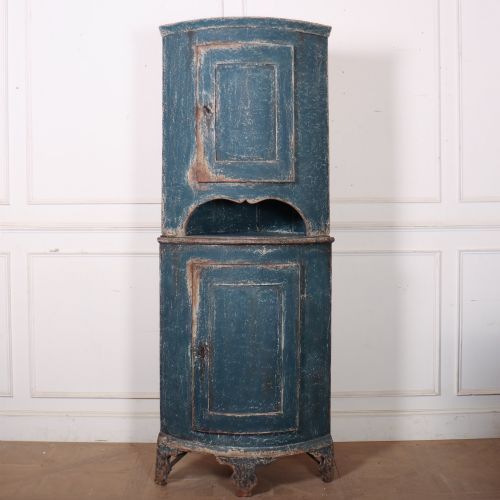

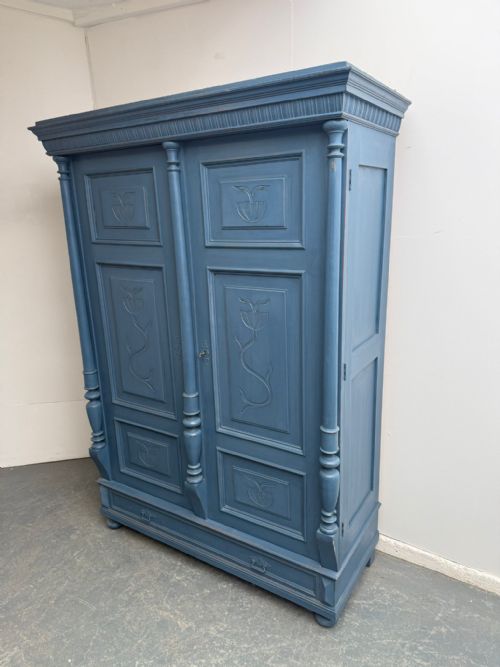


Blue Painted Pine Cupboard
A blue painted pine cupboard brings functional country character and rustic colour to any room, offering versatile storage grounded in utilitarian history.
Understanding the blue painted pine cupboard
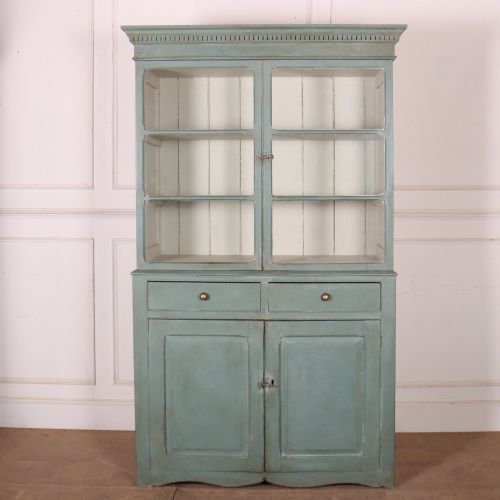
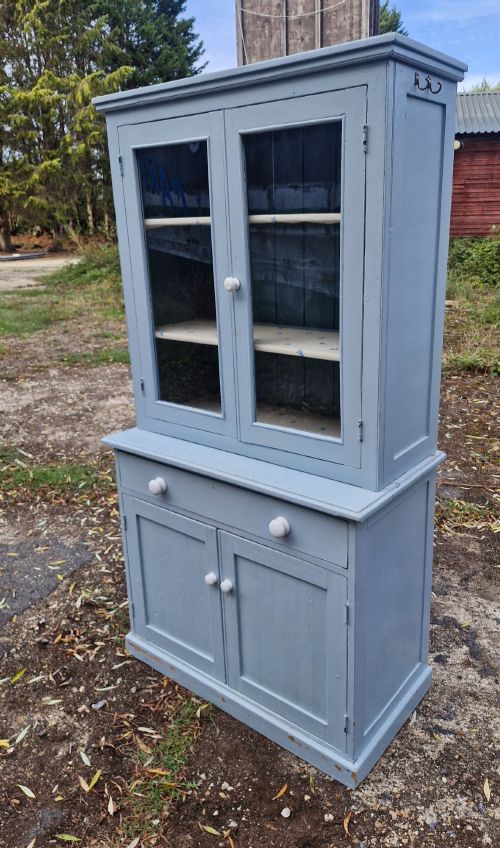
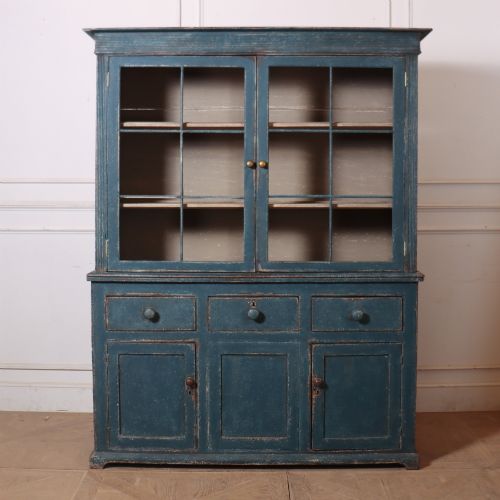
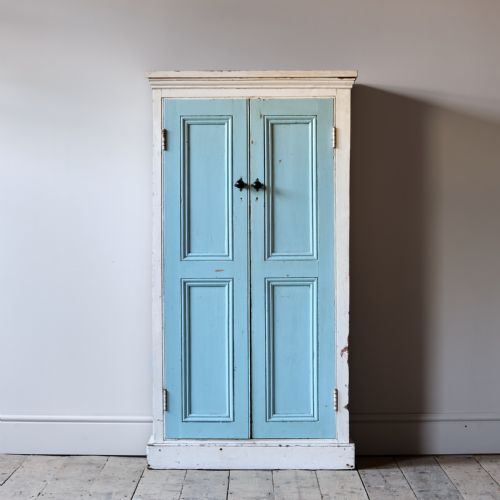
A blue painted pine cupboard is a practical storage piece built from soft timber and finished with pigment, appearing across various regional traditions including Scandinavian, Gustavian, and British country styles. These storage items range from compact single-door bedside cabinets to tall housekeepers cupboards, kitchen cabinets, and hall wardrobes. Buyers seeking this phrase encounter pieces predominantly from the nineteenth and eighteenth centuries, alongside Georgian and Victorian examples.
The selection on this page centres heavily on Scandinavian and Swedish designs, featuring double-door cupboards, kitchen cabinets, and ragwork painted finishes. British country variations also emerge, occasionally showing blue paint applied to interiors or exteriors alongside teal and green tones. These forms served utilitarian domestic needs in period homes, functioning as primary storage for household provisions and textiles.
Materials and construction
Makers constructed these cupboards using solid pine timber, assembling panels and frames with traditional joinery suited to domestic utility. Iron and brass hardware, such as hinges and latches, secure the doors and drawers while adding functional detail to the wooden structure.
Surfaces received layers of paint, including hand-painted applications, ragwork techniques, and specific colour washes in blue, teal, and green. This paint layer served both to protect the soft pine underneath and to decorate the furniture for rural and provincial interiors.
Retail Price Guide 2026
Typical UK retail prices for blue painted pine cupboard, calculated from the Sellingantiques database of over a million retail prices indexed since 2003. This retail price guide relies exclusively on Sellingantiques data; no external sources or auction records are used, so the figures do not describe the wider market.
Surface treatments recorded across the inventory include ragwork paint, hand-painted details, and combinations of iron and brass hardware.
Judging quality and character
Quality in these cupboards rests upon the integrity of the original timber construction and the survival of authentic painted surfaces. Pieces retaining their early or original blue paint finishes hold greater decorative and historical interest than later repainted examples.
Proportion and scale distinguish finer regional pieces, such as Gustavian or Scandinavian double-door cabinets, from simpler utilitarian storage. The balance of the hardware, the retention of original brass or iron fixtures, and the honesty of the wear across the pine contribute to the overall merit of a piece.
The Blue Painted Pine Cupboard Glossary
- Pine
- A softwood timber widely used for vernacular and country furniture due to its availability and workability. It accepts paint finishes readily, making it the primary material for these cupboards.
- Ragwork
- A decorative painting technique where rags or cloths are used to manipulate wet glaze or paint on a surface. This method creates textured, mottled patterns seen on provincial painted furniture.
- Gustavian
- The Swedish neoclassical style spanning the late eighteenth and early nineteenth centuries, characterised by restrained ornamentation and lighter colour palettes. Pieces from this tradition often feature simplified classical details.
- Housekeepers cupboard
- A large storage cabinet traditionally used by domestic housekeepers for linen, dry goods, and household provisions. These substantial pieces often incorporate multiple doors and internal shelving.
- Wardrobe
- A tall piece of furniture designed primarily for hanging and storing garments. In antique vernacular contexts, these tall cupboards served domestic storage needs before fitted closets became common.
Frequently Asked Questions
Where did these cupboards originate?
The pieces originate from various European and British domestic traditions, with a strong representation of Swedish, Scandinavian, and English country workshops from the eighteenth and nineteenth centuries.
Craftsmen built them for everyday provincial use, reflecting the local aesthetic preferences and timber availability of their specific regions.
How do I care for the painted surface?
Protect the fragile historical paintwork by keeping the cupboard away from direct sunlight and maintaining stable indoor humidity levels.
Dust gently with a dry, soft cloth and avoid chemical cleaners or modern polishes that can lift or dissolve historic pigments.
Are the paint finishes original?
Paint history varies across individual pieces, with some retaining original surface treatments while others show evidence of historic redecoration over the centuries.
Examining the wear patterns, underlying layers, and interaction between the paint and the pine helps determine the age of the finish.
How were these cupboards used historically?
Households utilised these cabinets for storing food provisions, kitchen utensils, household linens, and everyday apparel in domestic settings.
Larger variants like housekeepers cupboards and hall wardrobes provided substantial storage capacity for rural and provincial homes.