
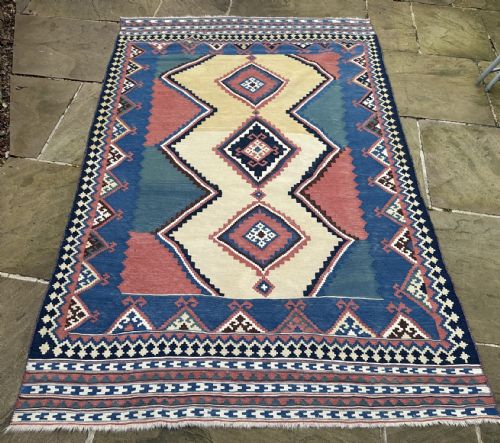


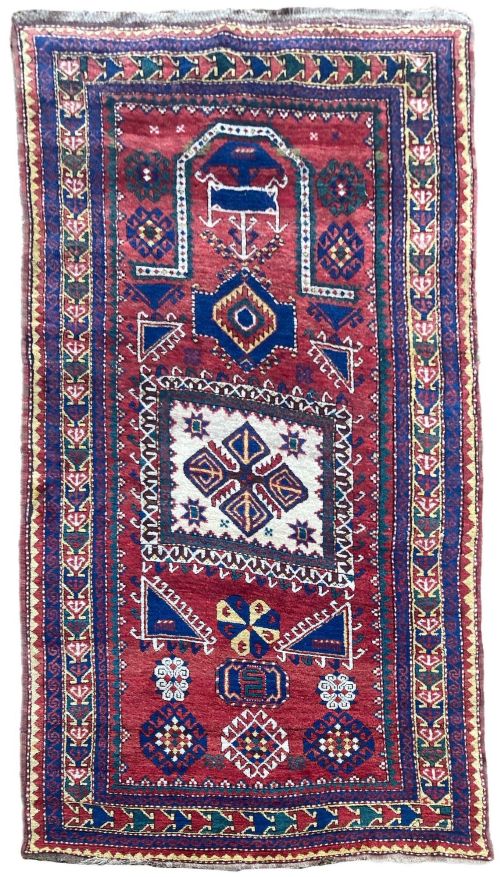


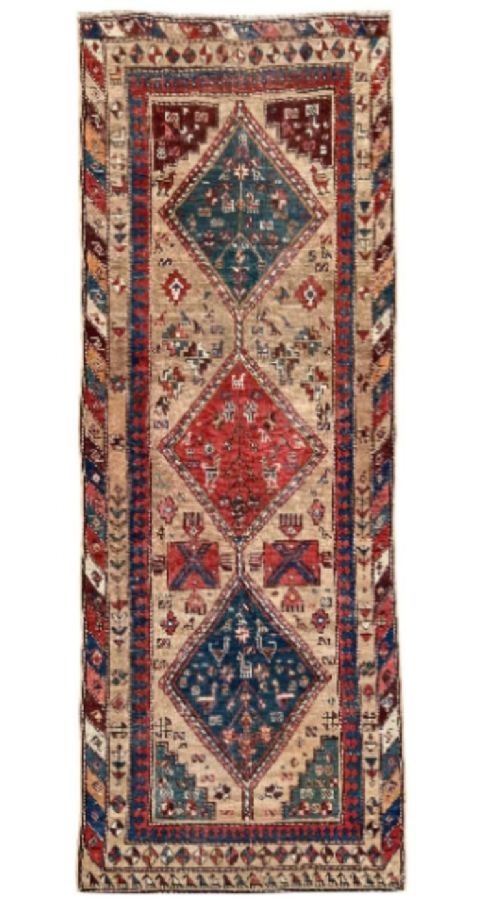
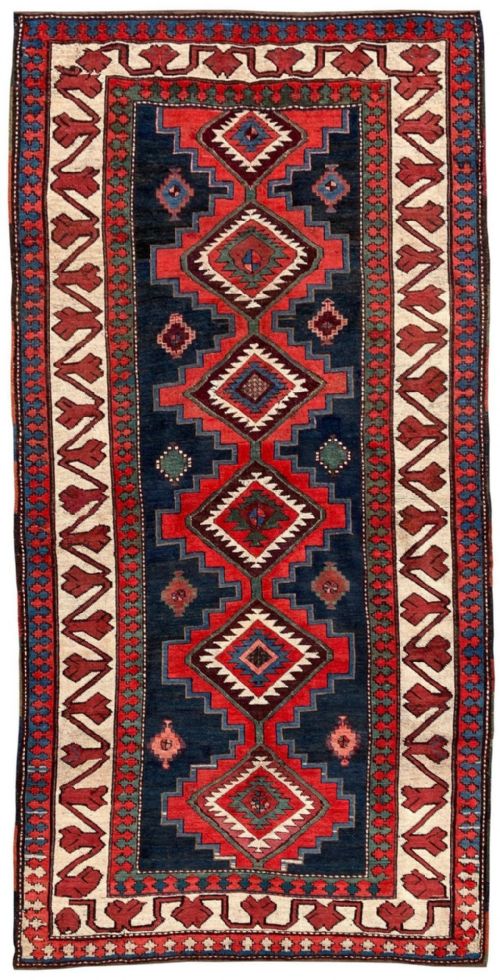

Blue Oriental Runner Rug
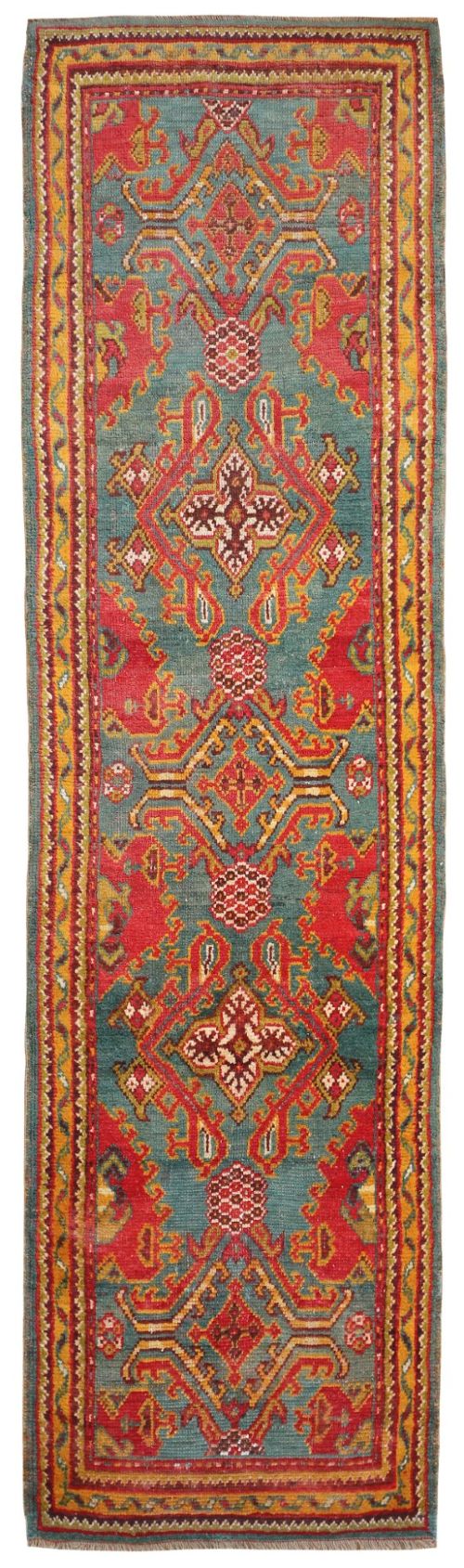
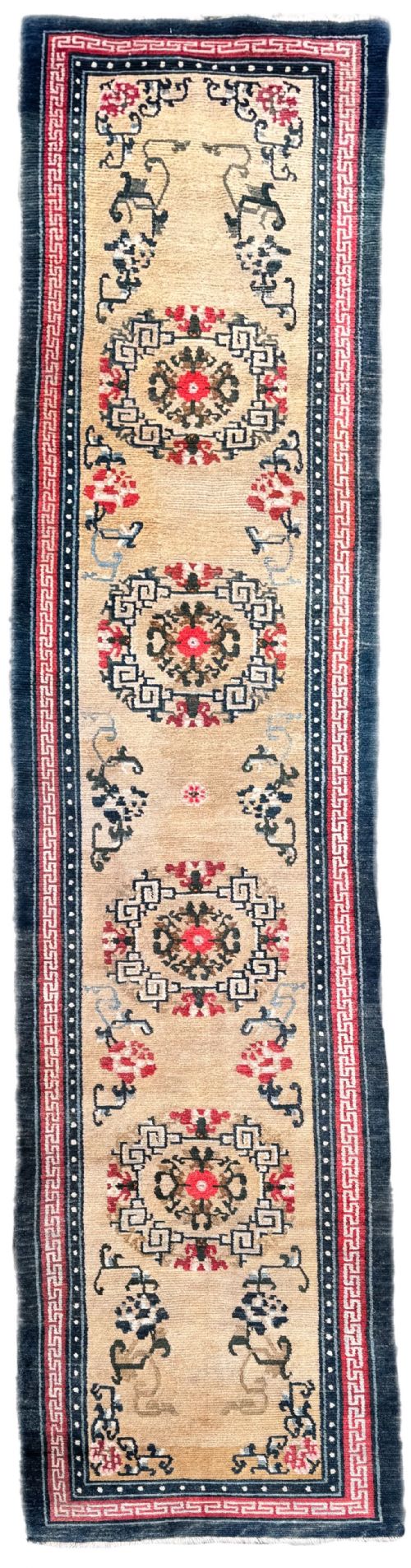
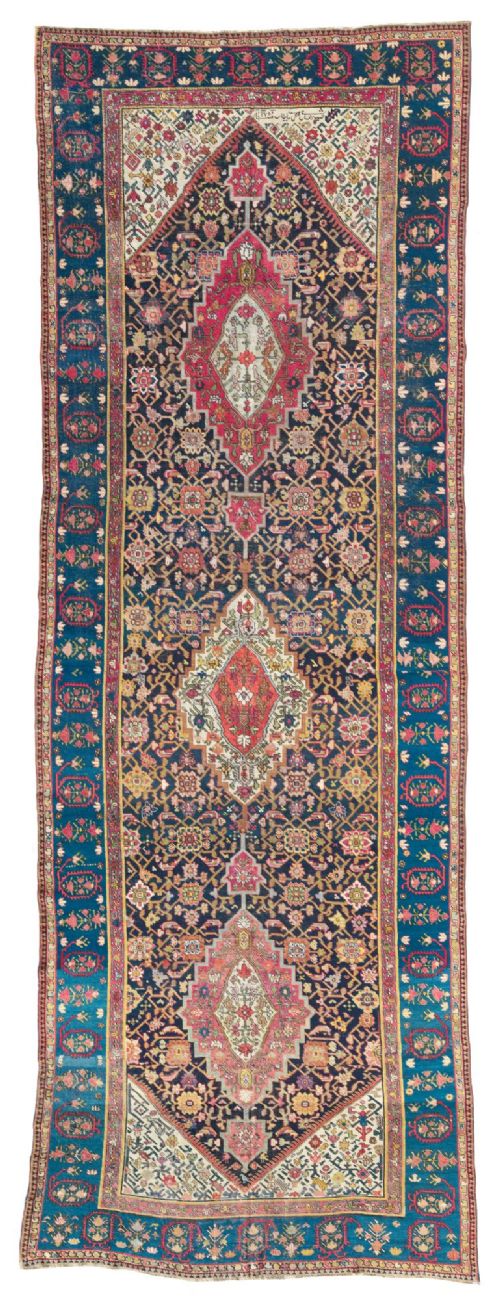
A blue oriental runner rug brings linear depth and rich indigo tones to a hallway, drawing the eye along long architectural spaces.
Blue Oriental Runner Rug
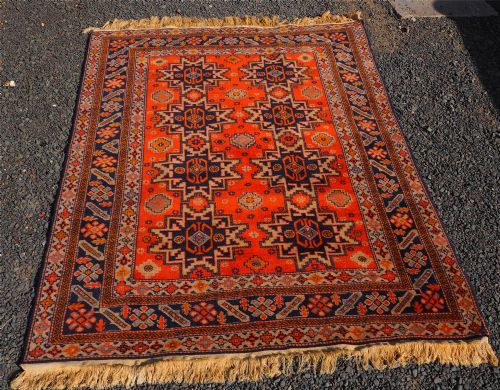
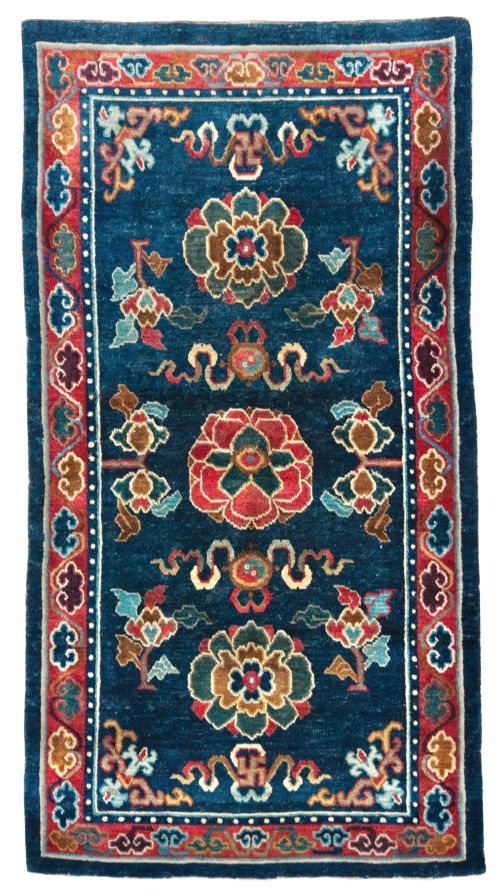
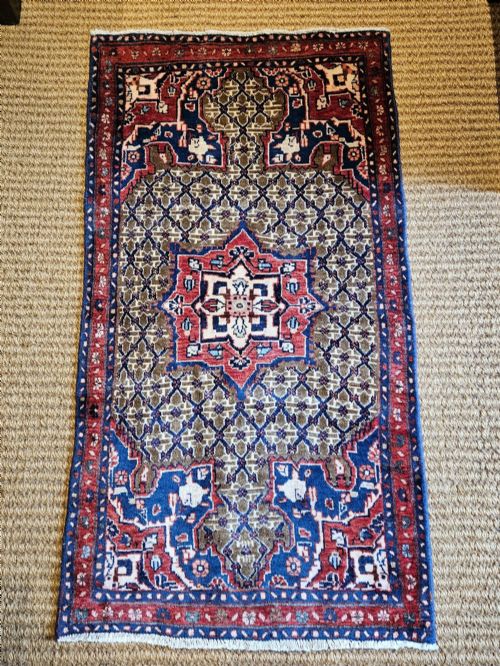
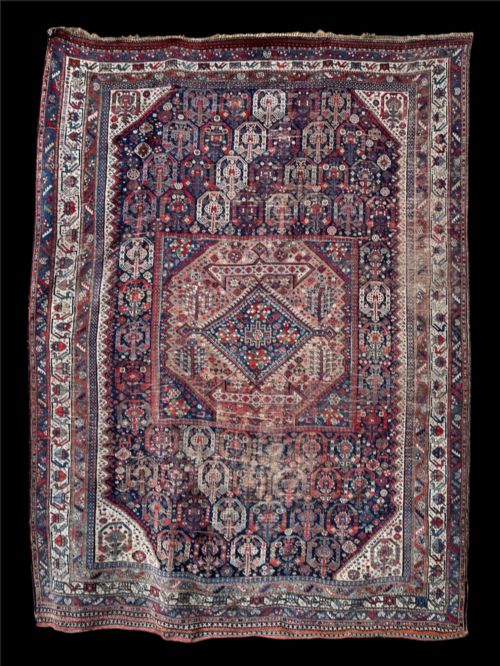
A blue oriental runner rug bridges decorative flooring and practical length for narrow spaces. These textiles span the nineteenth and early twentieth centuries, emerging from weaving traditions across Persia, the Caucasus, Anatolia, Tibet, and China.
The format most commonly met on this page is the elongated runner, designed to fit corridors, staircases, and galleries. Pieces vary from narrow Tibetan runners to substantial Persian tribal long rugs.
The palette centres on deep blues, navy, and indigo, often contrasted with madder reds and ivories. The designs encompass geometric lattice patterns, tribal motifs, and traditional medallion layouts.
How they were made
Makers utilised hand-spun wool and cotton foundations, tying dense knots by hand to build durable pile surfaces. Natural dyes supplied the characteristic rich hues, yielding subtle tonal variations across the wool.
Weavers employed traditional vertical looms, passing supplementary wool wefts through cotton warps. The resulting textiles combined flexibility with structural resilience for heavy domestic foot traffic.
Some antique runners retain the tiny accidental wool colour changes where a weaver ran out of dye mid-row.
What varies in quality
Quality rests upon the fineness of the knotting and the crispness of the drawn design. Tighter foundations and higher knot counts allow intricate geometric lines to remain sharp over decades of use.
The depth and permanence of natural dyes also determine worth. Tonal shifts within the wool indicate traditional dye baths, which age with greater character than synthetic agents.
The Blue Oriental Runner Rug Glossary
- Runner
- A long, narrow carpet format designed specifically for hallways, corridors, and stairs. It provides linear visual continuity in restricted spaces.
- Pile
- The vertical tufts of wool that form the soft upper surface of a rug. Pile density contributes directly to longevity and weight.
- Warp
- The stationary vertical threads stretched onto a loom before weaving begins. Cotton warps provide stable structural support for wool knots.
- Weft
- The horizontal threads passed across the warp threads to lock the knots in place. Together with the warp, they form the sturdy foundation of the textile.
- Natural Dyes
- Colourants derived from plants, insects, and minerals rather than synthetic chemicals. They produce complex, mellow shades that develop an attractive patina.
Blue Oriental Runner Rug: Frequently Asked Questions
Where should I place a runner rug?
These long formats suit high-traffic hallways, narrow corridors, and bedside spaces. Their linear geometry helps direct movement through a room.
Ensure you measure the corridor width and leave exposed floorboards around the edges for a balanced interior layout.
How do I care for antique wool rugs?
Vacuum gently using suction without a rotating brush roll to protect the fragile wool pile. Rotate the piece periodically to ensure even wear from foot traffic.
Professional cleaning by specialists in antique textiles is recommended to preserve the natural lanolin and dyes.
How do I identify a tribal design?
Tribal carpets display geometric medallions, hooked polygons, and abstracted animal or plant motifs. These patterns derive from nomadic village traditions rather than urban court workshops.
The drawing is often asymmetrical and expressive, reflecting the individual weaver's interpretation of traditional motifs.
What indicates a nineteenth-century origin?
Earlier pieces exhibit saturated natural dye palettes, looser hand-spun wool textures, and organic irregularities in the geometry. Hand-spun wool shows subtle variations in thickness along the yarn.
Structure and fringe construction also provide clues to age and regional workshop practices.