


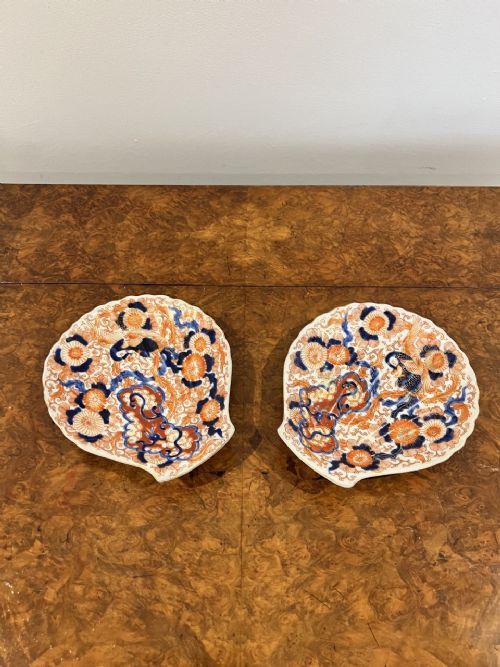
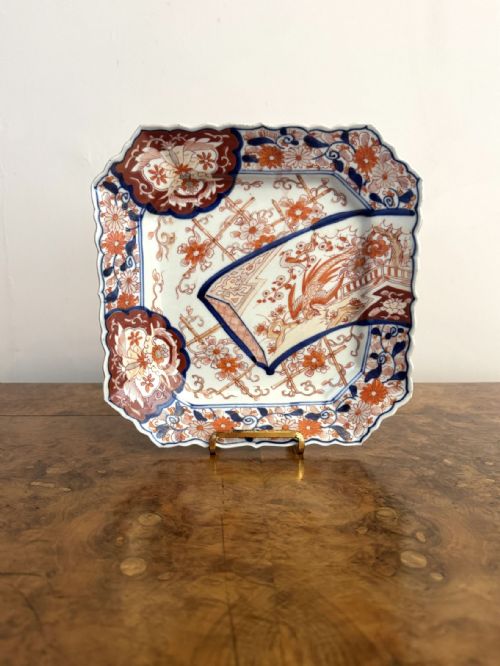
Blue Orange Imari Porcelain
Blue orange imari porcelain brings together vibrant ceramic colour palettes and intricate patterns that anchor traditional decorative displays.
Blue Orange Imari Porcelain
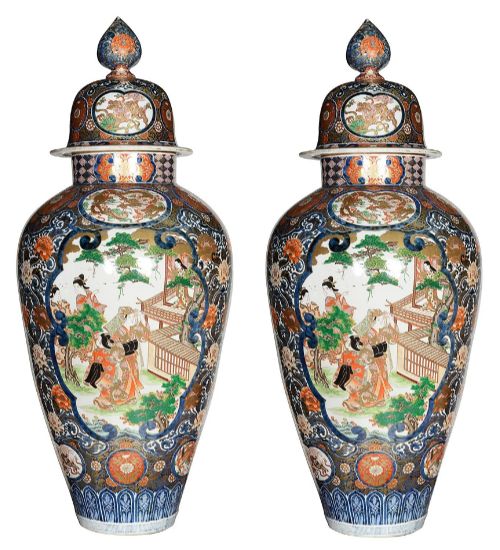
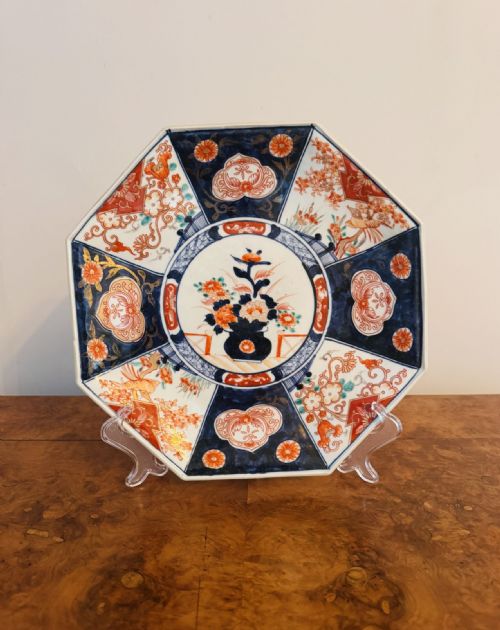
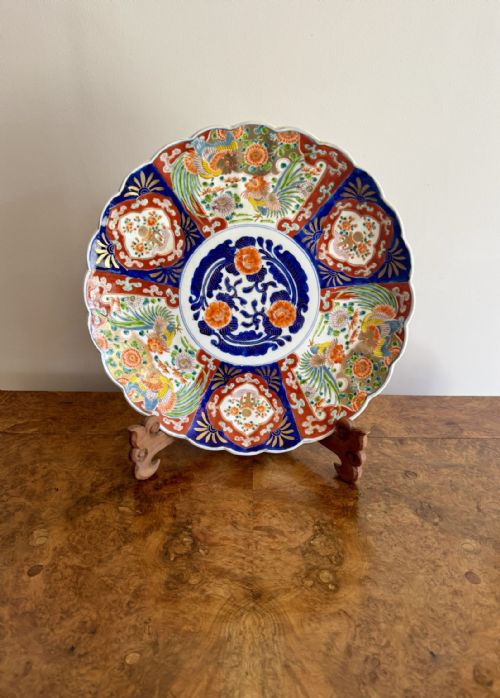
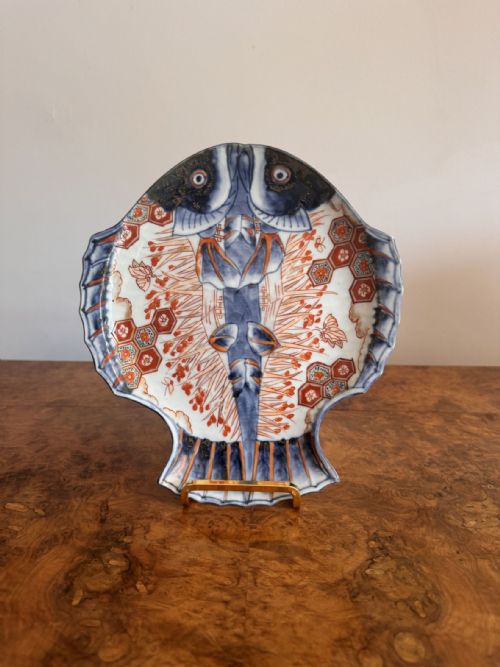
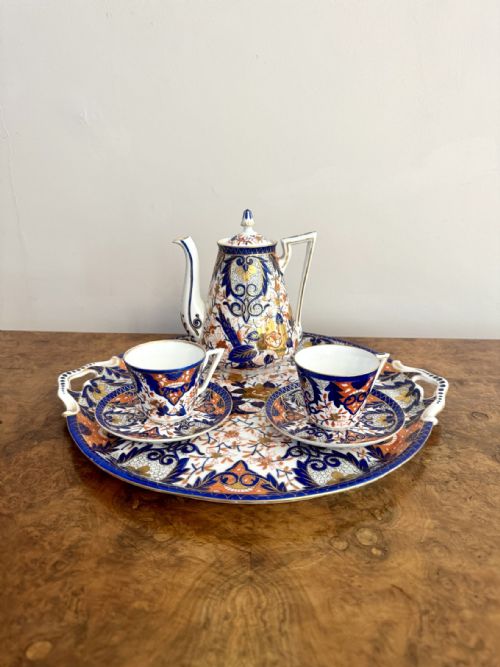
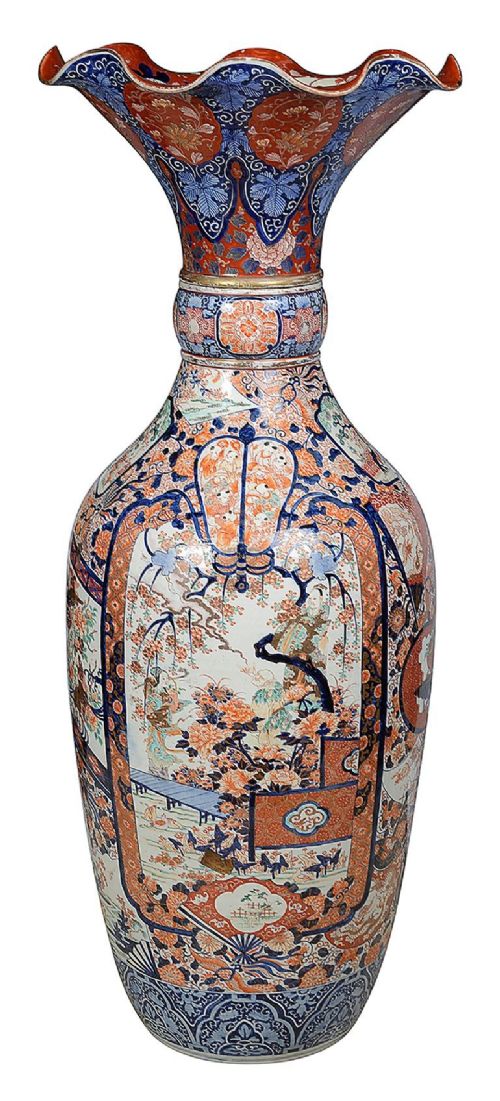
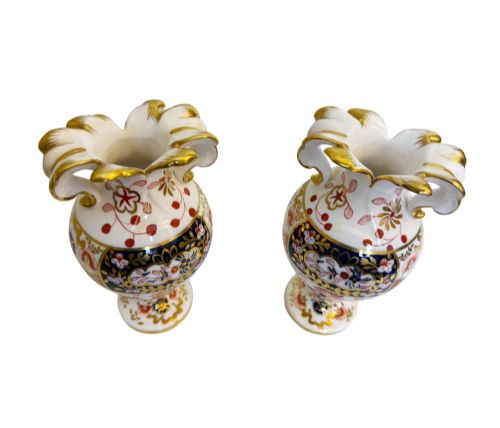
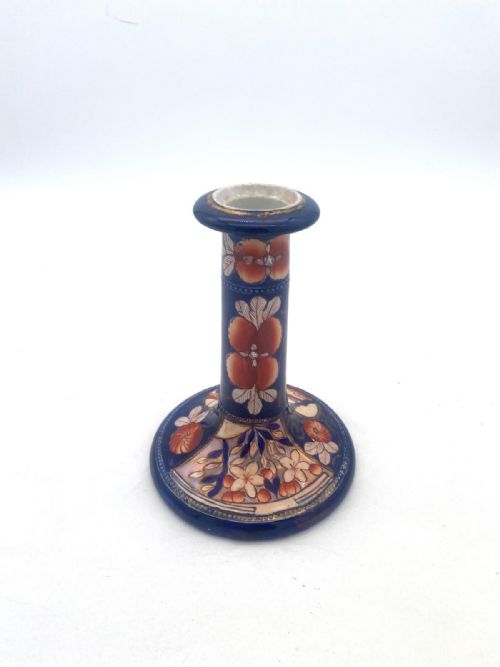
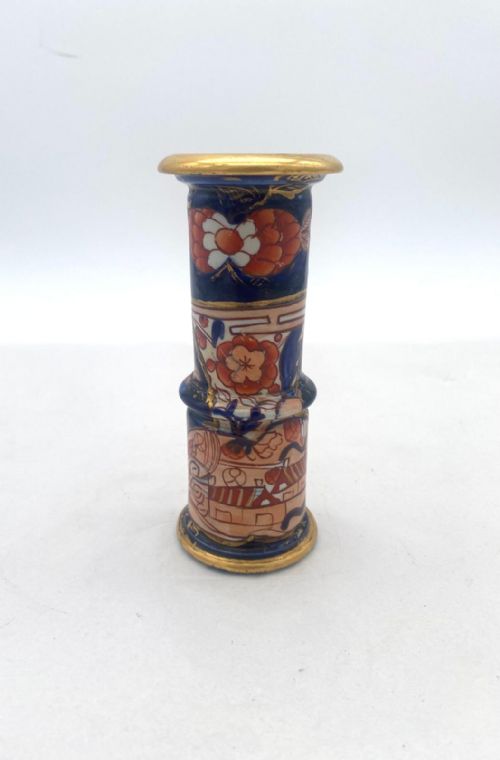
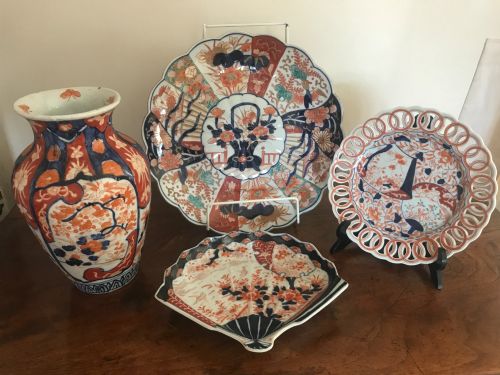
Blue orange imari porcelain comprises pieces designed for decorative and functional display, including plates, bowls, vases, and coffee sets. Buyers examining this page encounter Japanese origin items from the Meiji period alongside English iterations produced during the Georgian and Victorian eras. Forms range from standard circular plates to shell shapes, fish forms, and large jardinieres.
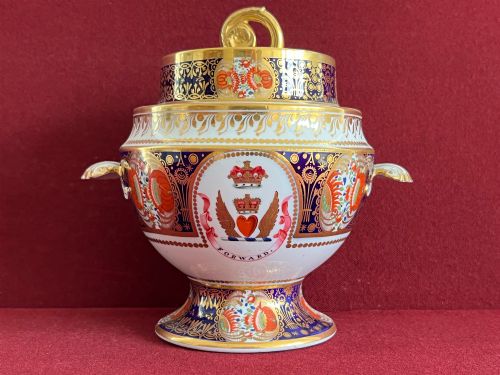
Japanese examples dominate the selection, spanning late nineteenth century production dates through to nineteen hundred. English interpretations from factories such as Spode and Mason's appear alongside these imported pieces, utilising ironstone and bone china to replicate the aesthetic. The inventory bridges distant stylistic traditions adopted by British potters.
Materials and Techniques
Potters constructed these items using hard paste porcelain, bone china, and ironstone, applying underglaze blue cobalt combined with overglaze red enamel and gold leaf. Artisans painted intricate geometric and floral motifs directly onto the ceramic body before firing the pieces in kilns to fuse the mineral colours. Guilds and factories relied on hand-painted brushwork to execute the detailed panels characteristic of the style.
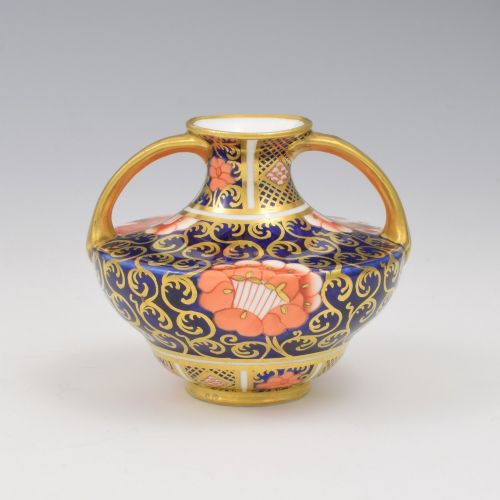
Glaze application provided a smooth protective surface over the decorated earthenware, while gold leaf highlights added rich contrast to the cobalt blue and orange enamel. Makers shaped clay into specialised forms such as double gourd vases, scalloped edge dishes, and twin handled vessels. Firing techniques required precise temperature control to prevent the delicate enamel pigments from running or losing their vivid hue.
Listings feature items spanning the eighteenth century, the Victorian era, and the Meiji period, constructed from porcelain, ironstone, and bone china.
Evaluating Quality and Execution
Quality separates standard production wares from exceptional items through the precision of the hand-painted brushwork and the crispness of the underglaze blue. Superior pieces display finely detailed motifs without smudging in the enamel or pooling in the glaze. The weight, balance, and symmetry of moulded forms like scalloped bowls and twin handled vases also indicate superior workshop standards.
The richness and application of gold leaf and enamel pigments differentiate finer examples from simpler utilitarian objects. Items exhibiting well-preserved gilding and complex compositional layouts command attention due to the higher skill level required during production. Condition and structural integrity further distinguish pieces that retain their original decorative impact.
Spode·Masons Ironstone·Royal Crown Derby·John Davenport of Longport
The Blue Orange Imari Porcelain Glossary
- Imari
- A style of ceramic decoration originating in Japan, characterised by a palette of underglaze blue, iron red, and gilt. British factories later adopted this distinct aesthetic for ironstone and bone china.
- Enamel
- Opaque glass-like material applied over the glaze and fired at lower temperatures to provide vibrant red and secondary accent colours. This technique allows for detailed surface patterns.
- Ironstone
- A heavy, durable type of earthenware patented in the nineteenth century by English manufacturers as a robust alternative to porcelain. It frequently served as a base for imari patterns.
- Garniture
- A set of matching vases or ornamental vessels designed to be displayed together on a mantelpiece or sideboard. These groupings typically consist of three or five graduated pieces.
- Jardines
- Large ornamental pots or planters intended to hold flowering plants or ferns. They often feature robust handles and heavy ceramic walls to support soil and moisture.
Blue Orange Imari Porcelain: Frequently Asked Questions
What is blue orange imari porcelain?
Blue orange imari porcelain refers to decorative ceramics featuring the distinct cobalt blue, iron red, and gilt colour scheme pioneered in Japan and later emulated by European potteries. The items span various functional and display forms including plates, vases, and tea services.
These pieces reflect an intercultural exchange where British manufacturers adopted eastern decorative motifs onto domestic bodies like ironstone and bone china during the Georgian and Victorian periods.
How do I distinguish Japanese from English imari?
Distinguishing between origins involves examining the ceramic paste, weight, and potting characteristics. Japanese items often utilise porcelain with distinct throwing marks, while English versions frequently employ heavier ironstone or bone china.
Factory marks stamped or painted on the base of English pieces provide definitive attribution, whereas Japanese items from the Meiji period typically rely on decorative style rather than western hallmarks.
How were these pieces used historically?
Historical use encompassed both ornamental display and practical dining or service functions. Vases and jardinieres adorned grand reception rooms, while plates and coffee sets served guests during formal afternoon gatherings.
The durability of ironstone and porcelain allowed functional wares to withstand regular use despite their intricate surface ornamentation.
How should I care for antique imari?
Care requires gentle cleaning by hand using mild soap and warm water, avoiding abrasive sponges that could scratch the delicate overglaze enamels and gold leaf. Maintaining stable humidity and temperature protects the ceramic body from stress.
Displaying pieces away from direct sunlight preserves the vibrancy of the red enamel and prevents fading over time.