
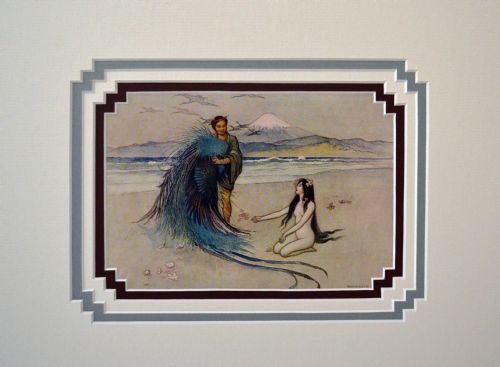
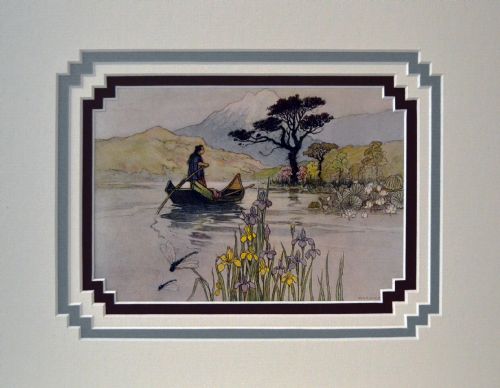


Blue Mount Framed Art
Blue mount framed art brings together centuries of painted and printed imagery, offering wall decoration defined by period mountings and paper or canvas mediums.
Blue Mount Framed Art
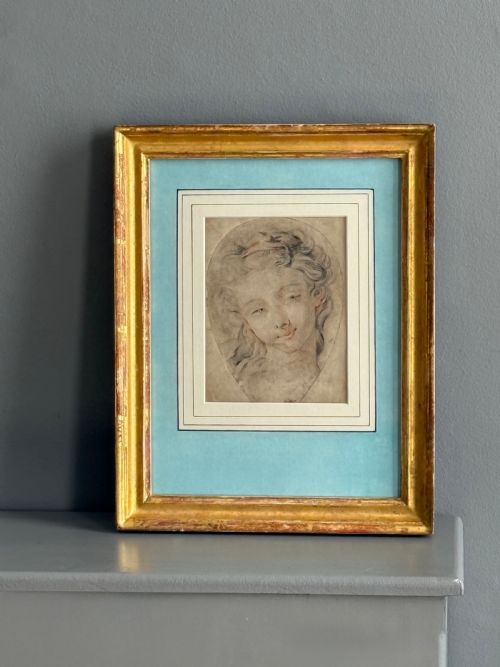
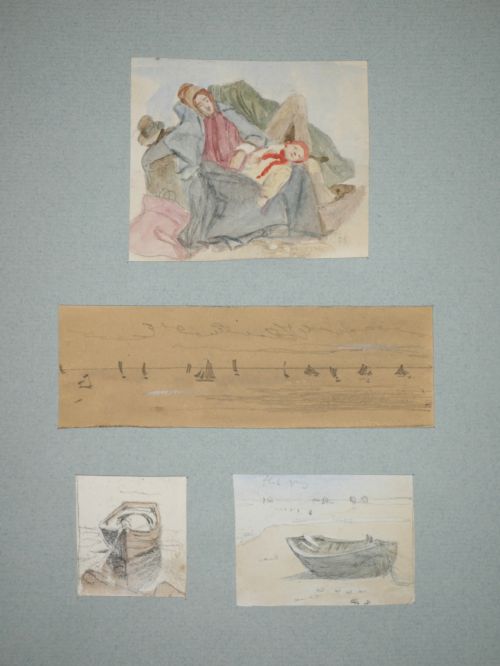
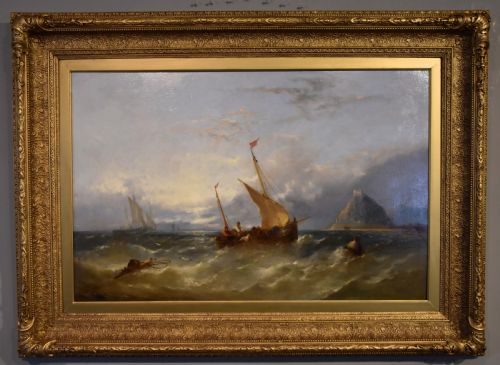
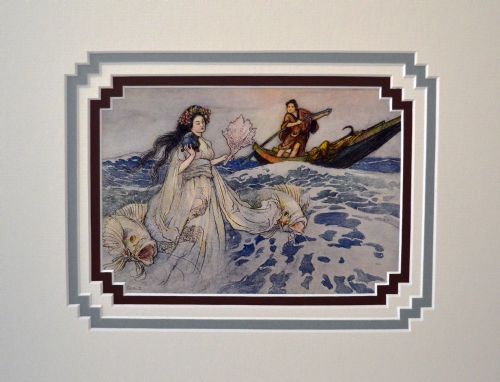
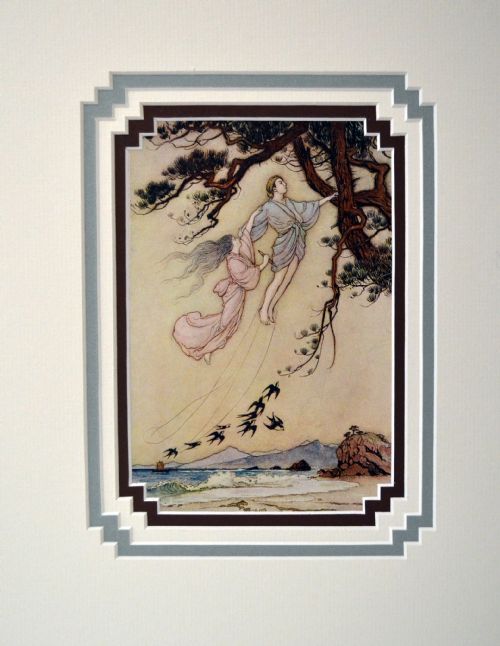
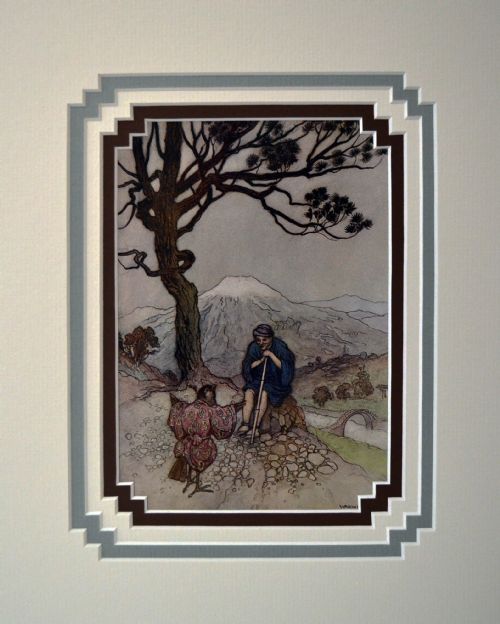
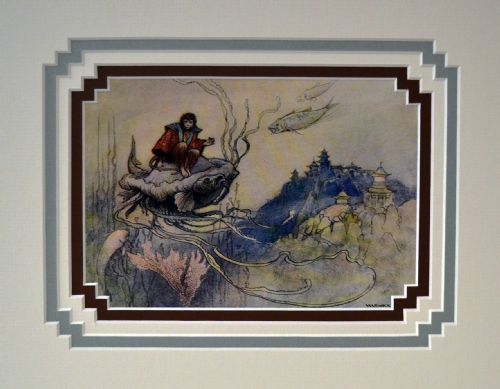
When you search for blue mount framed art, you encounter a selection spanning the eighteenth through the mid twentieth century, including oil paintings, watercolours, gouache, lithographs, and engravings. The forms range from marine scenes and architectural plans to botanical illustrations, portraits, and fairy tale prints.
The assortment relies heavily on Victorian and Edwardian works, alongside pieces from the Georgian and Art Deco eras. Many items incorporate traditional framing methods using wood, glass, and card to protect and display the paper or canvas within.
How they were made
Makers utilised paper, card, and canvas as surfaces for ink, watercolour, oil paint, and lithographic ink. Pigments were applied by hand or printed via early publishing techniques, capturing fine details in subjects like birds, landscapes, and portraits.
Surrounding the artwork, carpenters and framers built wooden and giltwood enclosures, occasionally incorporating glass and specialised backing materials to mount the pieces securely for wall display.
Listings feature works created across three centuries, spanning the 1700s, 1800s, and 1900s.
What varies in quality
The standard of execution in brushwork, line definition, and hand colouring separates more accomplished works from simpler decorative prints. Master watercolours and oils exhibit precise control of tone and composition, whereas mass produced lithographs rely on mechanical ink transfer.
The integrity of the original mounting materials, including the preservation of the paper, card, and framing timber, influences the overall character of the piece. Retaining period frames and original pigments maintains the historical context of the artwork.
James Smetham·William Henry Williamson·Warwick Goble·Arthur William Devis·Rowland Henry Hill·Stanley Orchart·William Powell Frith·Robert Kemp·William Swainson·Edward Lear·Andrea Soldi
The Blue Mount Framed Art Glossary
- Lithograph
- A print produced by drawing an image on limestone or a metal plate with a greasy substance so that ink adheres only to the drawn areas. This technique enabled detailed reproduction of illustrations and architectural plans.
- Gouache
- An opaque water based paint consisting of pigment mixed with a binding agent and added inert material. It yields a heavier, denser surface than traditional watercolour.
- Giltwood
- Wood that has been coated with a thin layer of gold leaf or gilt powder. It is frequently found on period frames.
- Japonisme
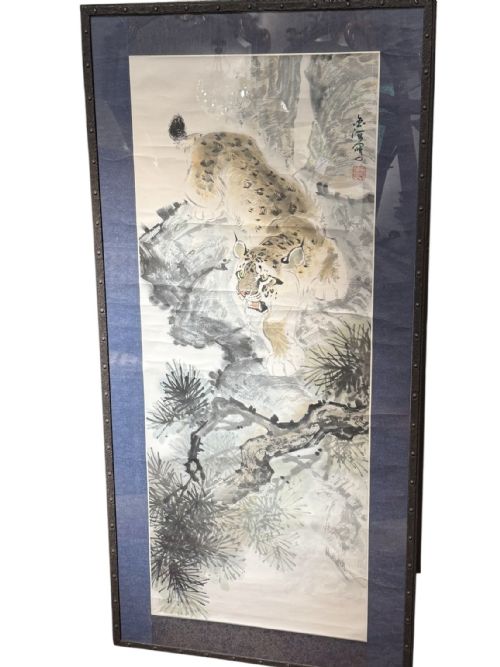
- The influence of Japanese art on Western works, visible in nineteenth and early twentieth century compositions. This style often emphasises asymmetry and natural subjects.
Blue Mount Framed Art: Frequently Asked Questions
How should I hang framed art?
Hang these works away from direct sunlight to protect fragile watercolours, inks, and paper from fading over time. Ensure the wall fixings match the weight of the wooden frames and glass.
Keep the centre of the artwork at eye level for comfortable viewing in domestic spaces.
Are these frames original?
Many pieces retain their period frames, such as maple wood or giltwood surrounds matching the era of the artwork. Individual listings note whether the framing is contemporary to the creation date.
Original mounts help preserve the historical integrity of the piece.
What subjects are most common?
The selection includes natural history illustrations such as birds and ducks, alongside marine scenes, coastal views, and portraits. Topographical and architectural subjects also appear frequently.
Many works reflect nineteenth century natural history and traditional Asian artistic influences.
How do I identify the period?
Dating relies on stylistic clues, the type of paper or canvas, and framing techniques typical of Victorian, Edwardian, or Georgian production. Signatures and publication dates on prints provide further chronological markers.
Comparing the medium, such as early lithography versus oil on canvas, helps narrow down the decades.