


Ornithology Print Set
These ornithology print set pieces are classic plates of birds from past centuries, offering a wonderful way to bring historical natural history into a room.
Ornithology Print Set
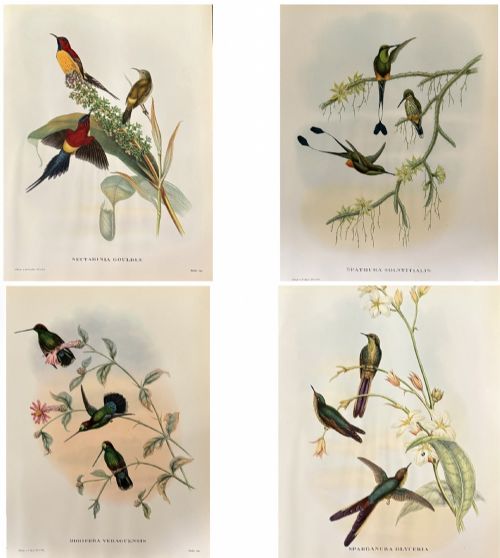
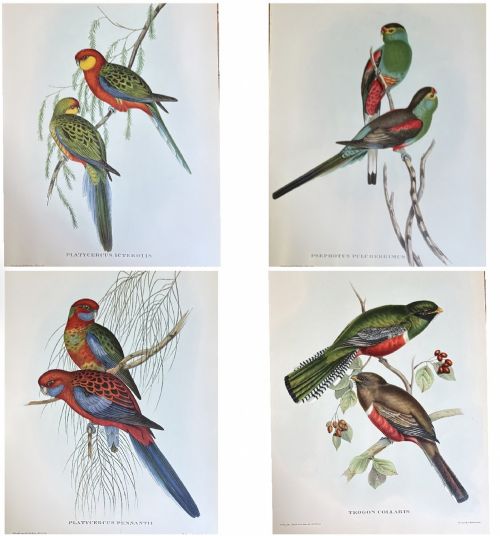
An ornithology print set brings together matched groupings of historical bird illustrations that capture the dedication of early naturalists and artists. These works range from framed nineteenth-century engravings to unframed mid-twentieth-century tropical bird plates.
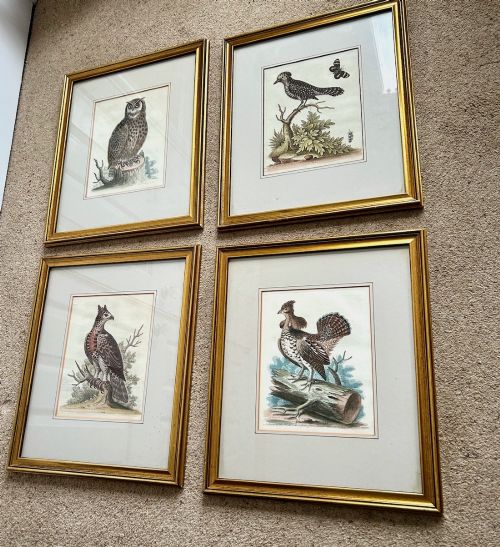
The pieces you encounter on this page span several distinct periods, including eighteenth-century engravings by figures like George Edwards and Eleazor Albin. Alongside these, nineteenth-century sets by natural history artists such as William Swainson and Edward Lear frequently appear.
Compositions often arrive ready to hang in wood, gilt wood, or gold leaf frames, while others are presented unframed on paper. Whether depicting waterfowl by Reverend B. Morris or exotic tropical birds, these collections form cohesive visual statements for interior spaces.
How They Were Made
The creation of these works relies fundamentally on paper, ink, and occasionally watercolour or hand-colouring techniques applied to early prints and engravings. Artisans and artists used ink to define the intricate feather patterns and anatomical details of each bird species.
Many of these plates receive additional vibrancy through watercolour or applied pigments, bringing life to the natural history subjects. Framing materials such as wood, gilt wood, and gold leaf further protect and elevate the appearance of the paper sheets.
Periods represented on this page span the eighteenth century, the nineteenth century, and the year nineteen-fifty.
What Varies In Quality
Quality in an ornithology print set rests heavily on the crispness of the original engraving and the fidelity of any hand-applied watercolour. Early impressions taken when plates were fresh exhibit sharp lines that blur in later printings.
The completeness and uniformity of the set also dictate its standing, as matching groups kept together over centuries hold greater visual harmony. Furthermore, the presence of period framing materials like original wood or gold leaf adds to the overall character.
The Ornithology Print Set Glossary
- Engraving
- A printmaking technique where an artist cuts an image into a metal plate to hold ink. This method allows for exceptional fine lines and precise scientific detail in bird illustrations.
- Gilt wood
- Wood that has been decorated with a thin layer of gold leaf or metallic gilt. It frequently frames historical artwork to provide a warm, reflective border.
- Lithograph
- A planographic printing method based on the repulsion of oil and water, used extensively for colour plates in the nineteenth century. It enabled richer colour reproduction for natural history subjects.
- Watercolour
- A paint consisting of pigment suspended in a water-based solution, often brushed over monochrome engravings by hand. This technique brings naturalistic hues to feathers and foliage.
Ornithology Print Set: Frequently Asked Questions
Are these prints original?
The listings on this page comprise historical works originating from the eighteenth, nineteenth, and mid-twentieth centuries. Each set reflects the production methods of its specific era.
Examining the paper stock, ink application, and plate marks helps confirm the age and authenticity of these natural history illustrations.
How should I display them?
These sets look best hung in a disciplined arrangement, such as a grid or a straight horizontal line, to echo scientific display methods. Keeping them away from direct sunlight protects the delicate paper and any hand-applied watercolour from fading.
Choosing frames that complement the historic nature of the art ensures the display feels grounded and cohesive within a modern interior.
Who are the notable artists?
The selection includes works by renowned natural history illustrators and ornithologists such as George Edwards, Eleazor Albin, William Swainson, and Edward Lear. Reverend B. Morris and Gould also contribute distinct ornithological visions to the group.
Each creator brought a specific scientific rigour and artistic style to the depiction of British and tropical bird species.
How do I care for antique paper?
Antique paper requires a stable environment with moderate humidity and minimal exposure to ultraviolet light. Framing behind conservation-grade glass helps shield the ink and watercolour from airborne pollutants.
Handling unframed sheets requires clean, dry hands and support across the entire back of the paper to prevent creases.