


Blue Military Oil Painting
A blue military oil painting captures naval officers, generals, and aviators in uniform, offering a direct window into historical service.
Blue Military Oil Painting
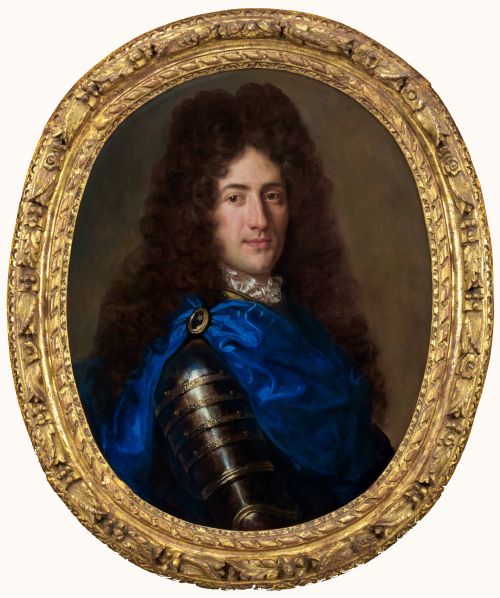
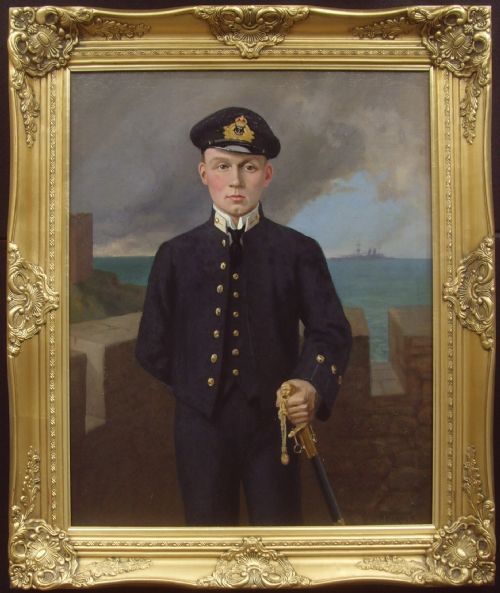
When you search for a blue military oil painting, you encounter canvases and miniature paintings depicting figures in naval jackets, royal uniforms, and regimental dress. These works span from the eighteenth century through the mid-twentieth century, capturing subjects like admirals, generals, and air aces.
The pieces on this page lean heavily toward portraiture and realism. You find depictions of specific historical figures, such as King George VI in naval uniform or Prince Philip as Admiral of the Fleet, rendered in oils.
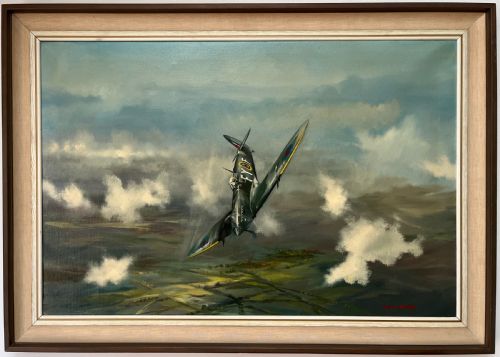
Beyond formal portraits, the category includes action scenes such as diving Spitfires and pilots in cockpits. These works document military service across various eras, uniting portraiture and historical event through oil paint.
How they were made
Artists painted these works using oil paint applied to canvas or wood panels. The medium allowed for rich depth in depicting the dark blues of naval jackets and military uniforms.
Many of these historical works are housed in their original gilded wood frames. These gilt wood surrounds complement the dark pigments and formal composition of the portraits.
Materials recorded across the selection include canvas, oil paint, wood, and gilded wood frames.
What varies in quality
The handling of likeness and uniform detail separates works by named artists from anonymous school pieces. Master portraitists capture character and facial structure with precision, while lesser hands produce stiffer, more formulaic likenesses.
The richness of the oil pigment and the preservation of the canvas surface dictate the visual impact of the work. Superior pieces retain deep tonal contrast in the dark blue uniforms without muddying the background details.
Dion Pears·Sir Thomas Lawrence·Sidney Riesenberg·Henry L Gates·Samuel Lane·John Laviers Wheatley·Maurice Codner·Henry Wyatt·Richard Hall
The Blue Military Oil Painting Glossary
- Oil on Canvas
- Pigment mixed with drying oil applied to a stretched woven fabric support. This combination forms the primary medium for historical portraiture.
- Miniature Painting
- A small-scale artwork executed with fine brushwork. These pieces capture detailed portraits within a compact physical format.
- Realism
- An artistic style focused on accurate, unidealised depiction of subjects. This approach defines the military portraiture and aviation scenes in this category.
- Gilded Wood
- Timber coated with a thin layer of gold leaf or gold paint. This technique frames and elevates the appearance of historical oil paintings.
- Regency
- An English stylistic period spanning the early nineteenth century. Works from this era reflect classical elegance in portrait composition.
Blue Military Oil Painting: Frequently Asked Questions
What periods do these paintings cover?
The works span from the eighteenth century through the Edwardian era and into the mid-twentieth century. You encounter pieces representing the Regency period as well as mid-century realism.
This broad timeline encompasses everything from eighteenth-century officers to twentieth-century air aces and royal figures in uniform.
Who are the typical subjects?
Subjects include naval officers, generals, admirals, and monarchs. Many pieces portray named historical figures such as King George VI, Prince Philip, and military commanders.
Other works depict soldiers, young fifers in military dress, and pilots in action during twentieth-century conflicts.
Are these works painted on canvas?
Most pieces employ oil paint on canvas as the primary medium. Some works utilise wood panels or exist as miniature paintings on small supports.
Many of these paintings retain their period frames made of gilded wood.
How do I identify the era of a portrait?
Uniform styles, wig usage, and painting techniques help indicate the period. Eighteenth-century portraits often display specific military dress and powdered hair styles.
Twentieth-century works show modern service uniforms, aircraft, and twentieth-century realism techniques.