



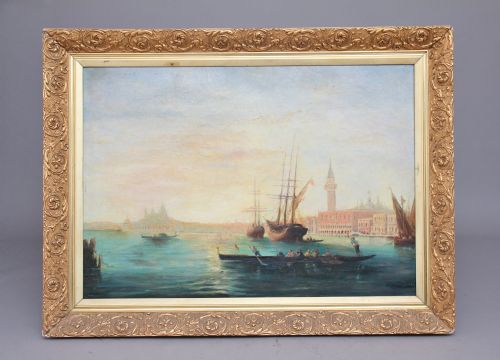
Blue Maritime Landscape Painting
When you select a blue maritime landscape painting, you bring home coastal water and open skies captured through traditional brushwork and pigment.
Blue Maritime Landscape Painting
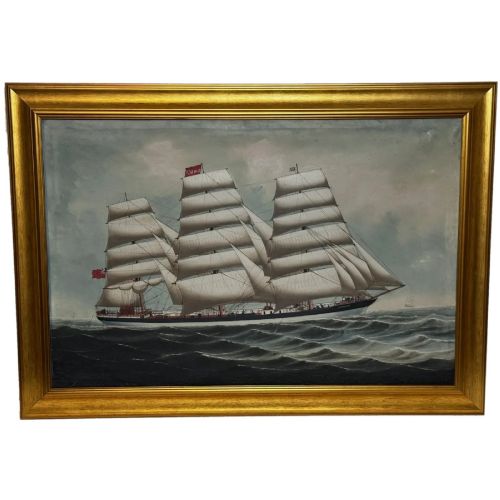
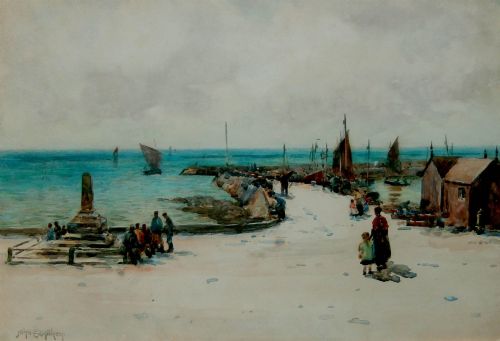
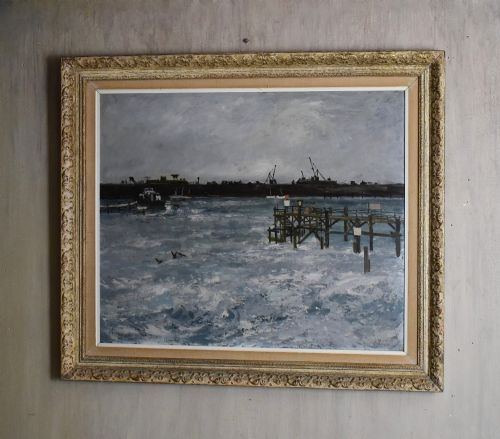
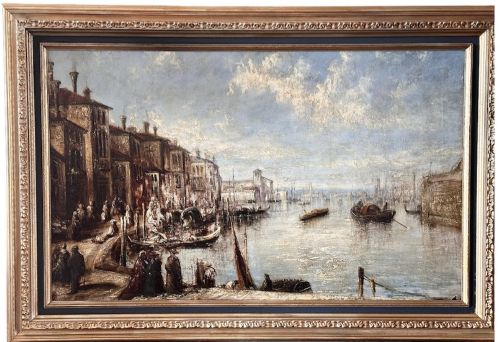
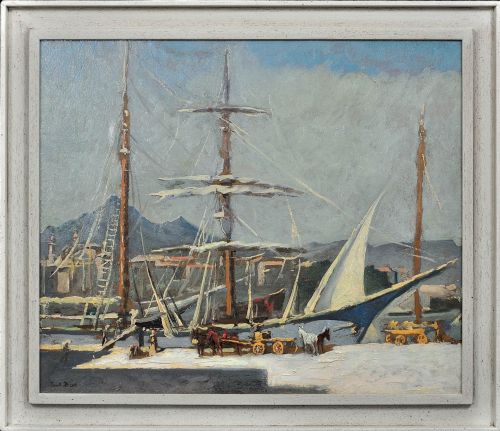
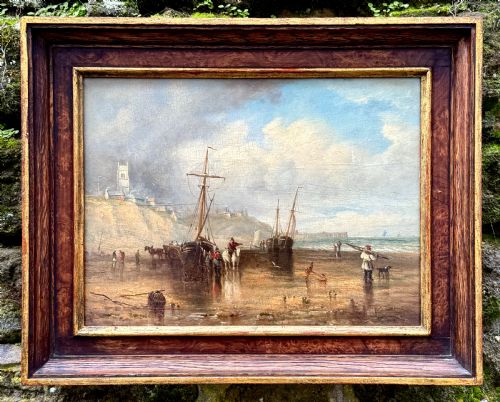
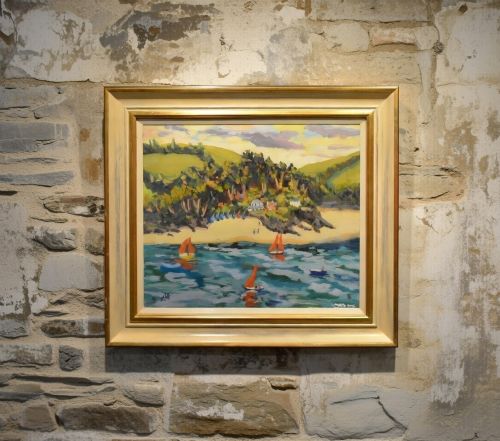
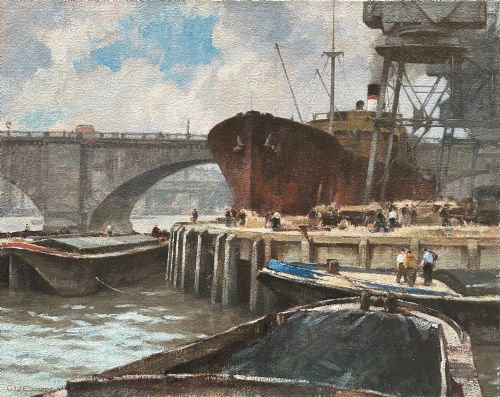
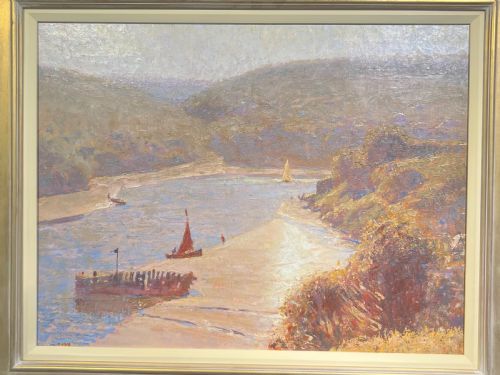
A blue maritime landscape painting encompasses coastal scenes, harbour views, and open water studies produced across the nineteenth and twentieth centuries. These artworks depict specific locations ranging from Cornish fishing ports to Italian lagoons and Venetian waterways.
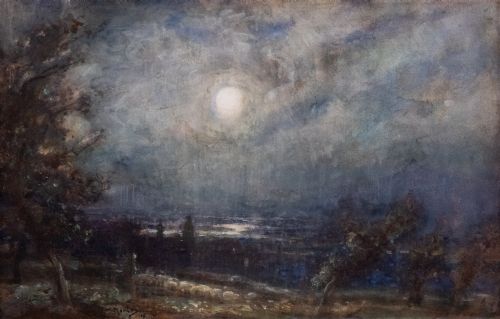
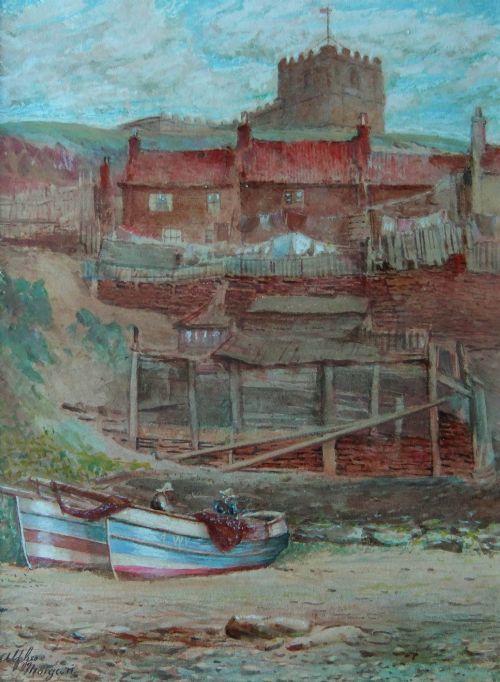
The pieces on this page appear primarily in watercolour and oil on canvas, housed behind glass or within traditional timber frames. Makers record bustling quaysides, moored sailing vessels, and tranquil shorelines under varied atmospheric conditions.
Examples span from Victorian maritime representations through to mid-century modern interpretations. Works emerge from British, French, and Italian schools, reflecting diverse regional approaches to rendering coastal light and water.
Materials and Construction
Artists executed these works using watercolour pigment upon paper or oil paint applied to canvas, wood panels, and occasional boards. Watercolours rely on fluid washes to capture transparent coastal light, while oil paintings utilise heavier pigment layers to build texture on canvas.
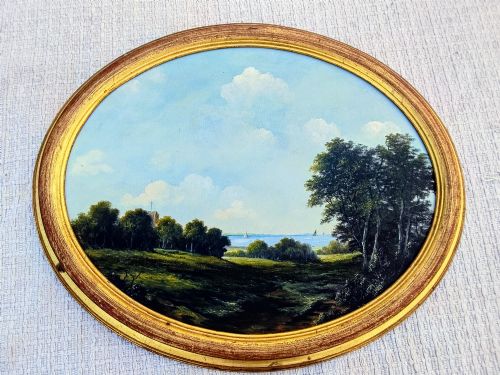
Supports incorporate prepared linen canvases stretched over wooden frames alongside heavy watercolour paper secured to backing boards. Selected pieces utilise miniature wood panels or oval formats to frame specific coastal compositions.
Protective framing involves glass glazing for works on paper and open stretched canvas for oil paintings, frequently paired with gilded or painted wood mouldings.
Listings feature works spanning the Victorian era through the mid-twentieth century, executed in oil and watercolour.
Factors of Distinction
The calibre of a blue maritime landscape painting rests upon the artist's command of light, atmosphere, and spatial depth. Superior examples capture the specific movement of water and shifting coastal weather with confident brushwork rather than rigid illustration.
The condition of the pigment and support dictates the longevity and visual impact of the piece. Works retaining their original colour saturation without excessive fading or surface degradation demonstrate careful preservation over decades.
The harmony between the artwork and its period frame contributes to the overall integrity of the piece. Original or period-appropriate framing enhances the historical context of the painting.
Francis Moltino·Thomas Creswick·Joseph Farquharson·Edward Seago·Jean Baptiste Olive
The Blue Maritime Landscape Painting Glossary
- Watercolour
- A painting method where fine pigment is suspended in a water-soluble binder and applied to paper. This technique creates luminous, translucent effects ideal for capturing sea and sky.
- Oil on canvas
- A medium utilising pigments bound in drying oils applied directly to stretched woven fabric. This approach allows for rich texture and deep colour saturation in maritime scenes.
- Seascape
- A work of art depicting the sea, coastal views, shipping, or marine subjects. These compositions focus primarily on water as the central element.
- Provenance
- The documented history of ownership surrounding an artwork. Clear records help verify the authenticity and exhibition history of nineteenth and twentieth-century paintings.
Blue Maritime Landscape Painting: Frequently Asked Questions
How should I hang a watercolour painting?
Watercolour paintings require protection from direct sunlight to prevent the pigments from fading over time. Position them on interior walls away from damp environments like kitchens or bathrooms.
Ensure each piece is framed under glass with a mount that prevents the paper from touching the glazing directly. This maintains proper air circulation behind the glass.
How do I identify the period of a painting?
Examine the materials used for the support, such as the weave of the canvas, the type of paper, and the construction of the wooden stretcher or frame. Stylistic clues within the brushwork and subject matter also point towards specific decades.
Signatures, dates, and inscriptions on the reverse of the canvas or paper often provide direct confirmation of the creation date. Comparing these details against known exhibition records helps narrow down the timeframe.
What is the difference between oil and watercolour?
Oil paint uses a slow-drying oil binder that allows artists to blend colours smoothly and build thick, textured layers on canvas. Watercolour relies on water-soluble binders applied to paper to create translucent, luminous effects.
Oils generally require sturdy supports like canvas or wood panels and do not need glass protection. Watercolours are delicate on paper and must be framed behind glass to guard against moisture and dust.
How do I care for an antique oil painting?
Keep oil paintings in stable environments with moderate humidity and temperature to prevent the canvas and wooden frame from warping. Avoid hanging them near direct heat sources or in areas subject to rapid climate changes.
Dust the surface gently with a soft, dry brush without applying pressure or liquid cleaners. Professional conservation is recommended if the paint layer shows signs of cracking or accumulation of grime.