




Blue Lustre Ceramic Jug
A blue lustre ceramic jug brings a brilliant metallic sheen and vibrant pattern to a room, offering both history and decorative punch.
Blue Lustre Ceramic Jug
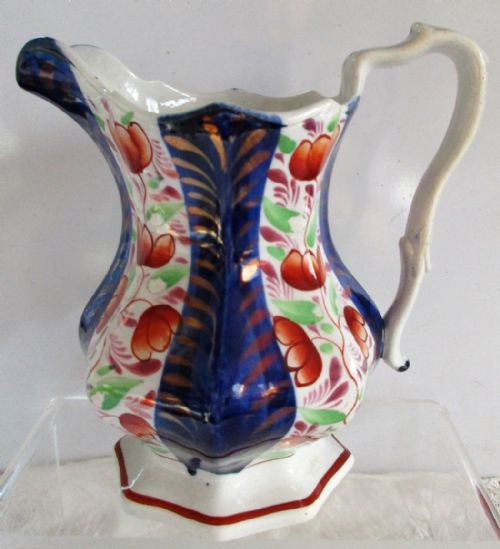
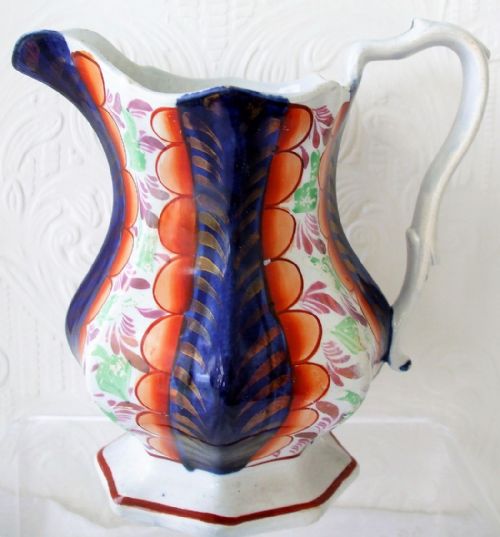
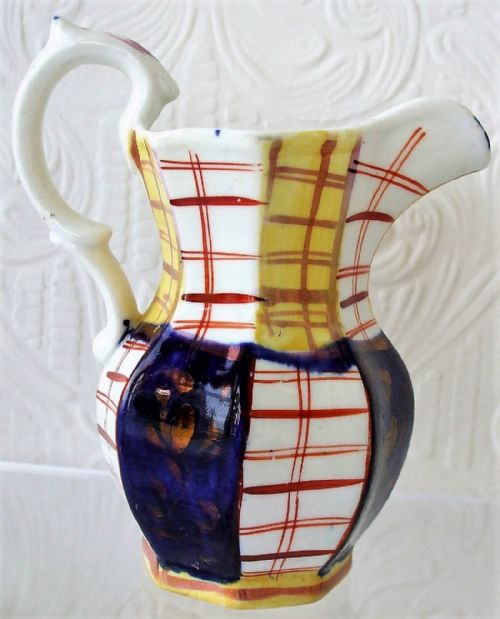
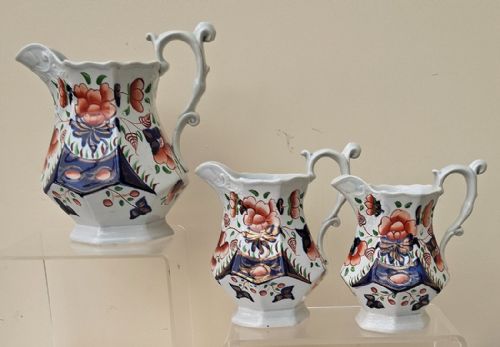
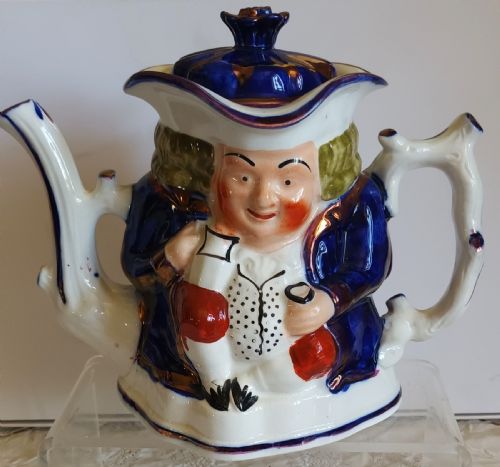
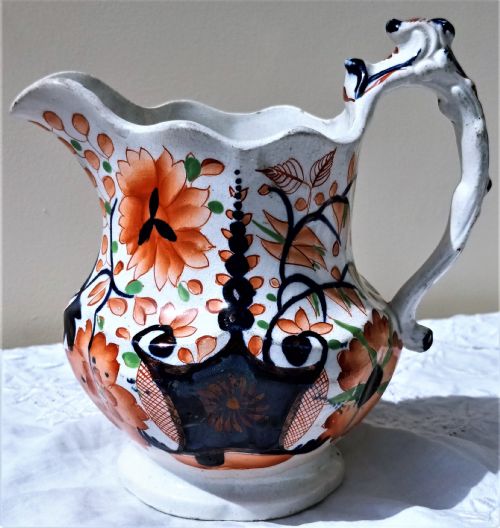
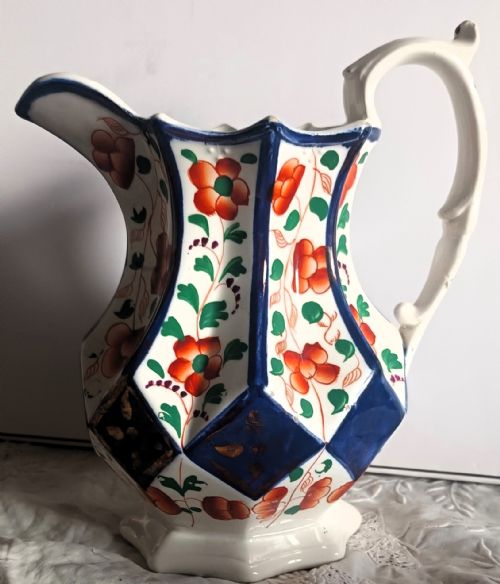
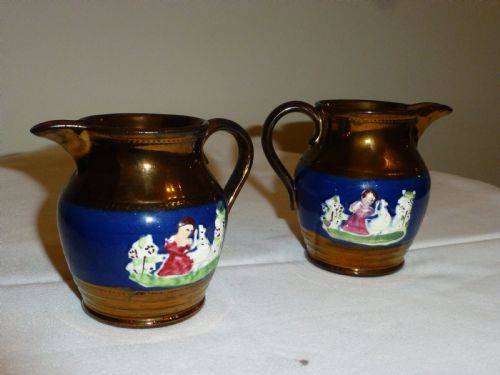
When you search for a blue lustre ceramic jug, you are looking at nineteenth-century earthenware and ironstone pieces decorated with striking metallic glazes and hand-painted motifs. These vessels include individual jugs, cream jugs, pitcher sets, and even a Toby jug teapot, originating primarily from the Victorian and Georgian eras.
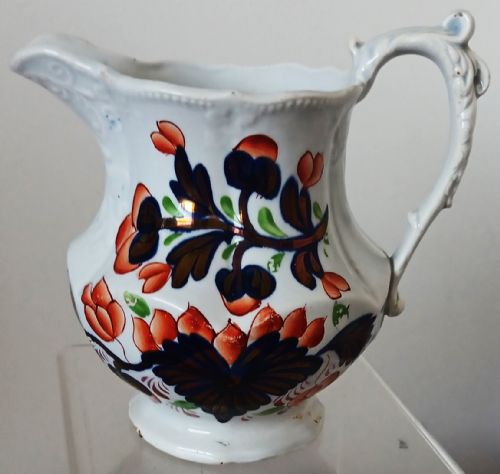
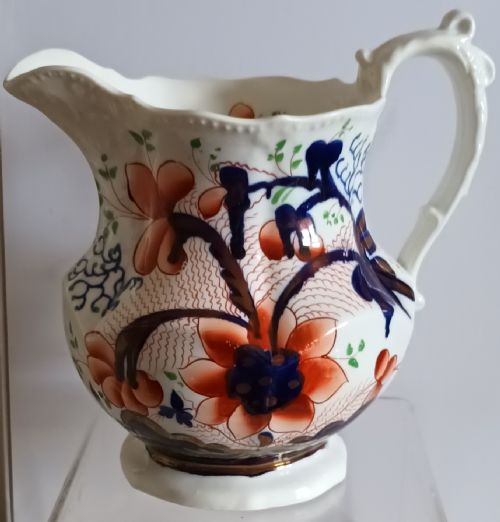
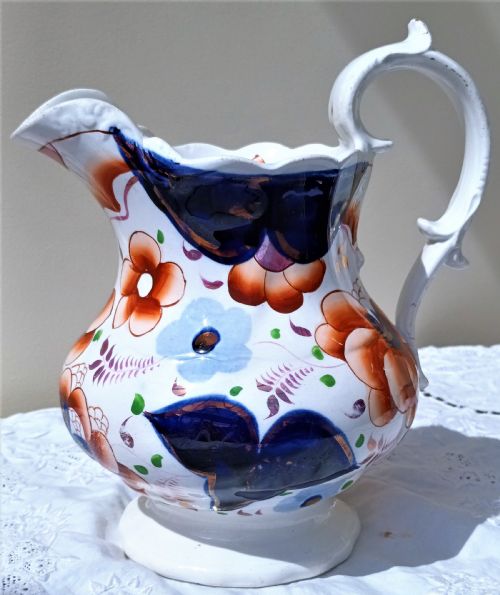
The pieces you are most likely to meet on this page belong to the Gaudy Welsh tradition, featuring familiar named patterns such as Conwy, Glamorgan, Tartan, Cambrian Rose, Bethesda, Grape, Drape, Pagoda, Harlech, and Aberaeron.Alongside these colourful earthenware examples, you will also encounter early Staffordshire copper lustre cream jugs from the nineteenth century.
These items served functional roles in domestic settings before becoming prized display pieces for collectors of nineteenth-century pottery. Their combination of cobalt blue, copper lustre, and enamel decoration creates a distinct visual language that marks them out immediately on the shelf.
How they were made
Potters shaped these vessels using earthenware and ironstone bodies, providing a sturdy foundation for the intricate decoration that followed. The creation process relied on skilled potting traditions that date back through the Georgian and Victorian periods.
Makers applied colourful enamel paints and metallic lustre glazes to the fired clay, often incorporating rich blue pigments alongside copper accents. A final kiln firing fixed these metallic and enamel layers, producing the characteristic reflective finish that defines lustreware.
Blue Lustre Ceramic Jug Retail Price Guide 2026
Typical asking prices for blue lustre ceramic jug among the pieces listed under this phrase on Sellingantiques today, from the lower quarter to the upper quarter. They describe what is for sale here now, not the wider market.
The listings here span the nineteenth century and 1920, featuring earthenware, ironstone, enamel, and metallic lustre glazes in Victorian styles.
What varies in quality
The crispness of the painted patterns and the richness of the metallic blue lustre glazes set finer examples apart from simpler production pieces. Well-defined motifs in named patterns like Pagoda or Cambrian Rose show a higher degree of decorator skill.
The condition of the earthenware body and the preservation of the enamel colours across the surface determine the overall integrity of the piece. Strong, even metallic reflection without excessive rubbing to the glaze indicates a better-surviving specimen.
The Blue Lustre Ceramic Jug Glossary
- Earthenware
- Porous pottery fired at lower temperatures, commonly used for nineteenth-century domestic jugs and teapots. It requires a glazed surface to hold liquids effectively.
- Lustreware
- Pottery decorated with a metallic glaze that produces an iridescent or shiny surface. This technique reflects light and creates a distinctive colourful sheen.
- Ironstone
- A durable type of heavy pottery developed in the nineteenth century as a tougher alternative to porcelain. It provides a strong body for transfer-printed and painted wares.
- Enamel
- Opaque glass-like paint applied over the glaze of fired pottery to add vibrant colours. It sits slightly raised on the surface.
Blue Lustre Ceramic Jug: Frequently Asked Questions
What is a blue lustre ceramic jug?
A blue lustre ceramic jug is a nineteenth-century earthenware vessel decorated with metallic glazes and vibrant enamel patterns. They were produced primarily during the Georgian and Victorian eras, often taking forms such as cream jugs, pitchers, and pattern-named tablewares.
These pieces combine deep blue pigments with reflective copper lustre finishes. They stand out on display due to their striking visual contrast and hand-painted folk art charm.
How do I identify a Victorian Gaudy Welsh jug?
Victorian Gaudy Welsh jugs are identified by their robust earthenware bodies, generous use of cobalt blue, and copper lustre highlights. They frequently feature traditional named patterns like Conwy, Harlech, or Pagoda.
The decoration is typically hand-painted over a white glaze, often incorporating floral or geometric motifs. The distinctive metallic sheen distinguishes them from standard transfer-printed pottery of the same period.
Were these jugs used daily?
These jugs originally served practical functions in nineteenth-century households for pouring cream, milk, or hot water at the table. Their durable earthenware and ironstone construction made them suitable for everyday domestic service.
Over time, wear patterns from use developed on many examples, though surviving pieces show varying degrees of preservation. Today, they are more commonly used for decorative display rather than daily kitchen tasks.