

Blue Hand Painted Porcelain
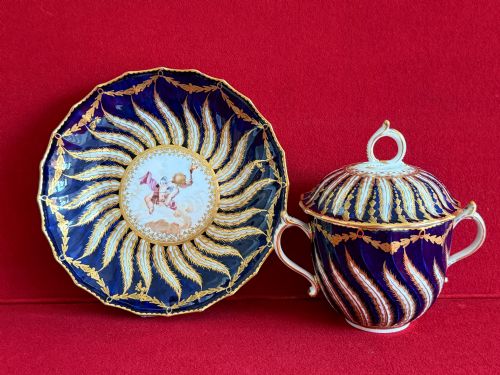
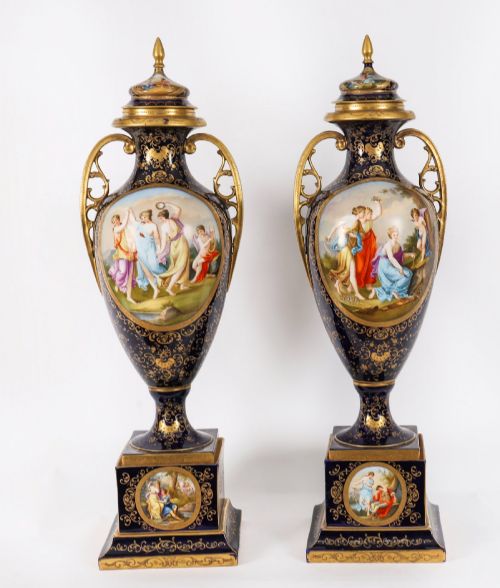
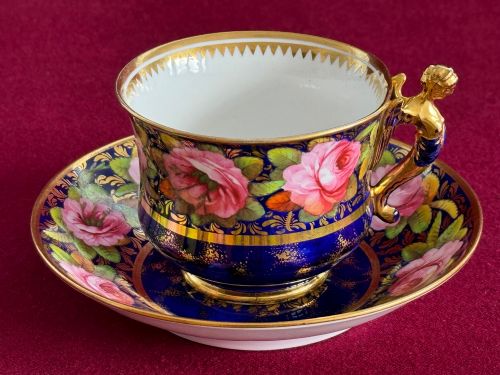
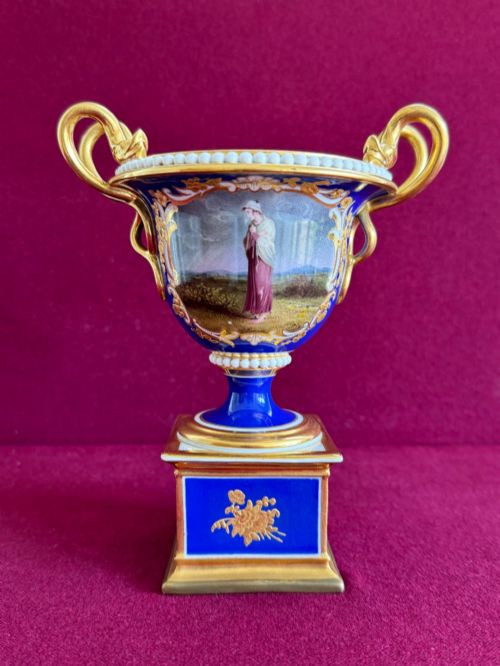
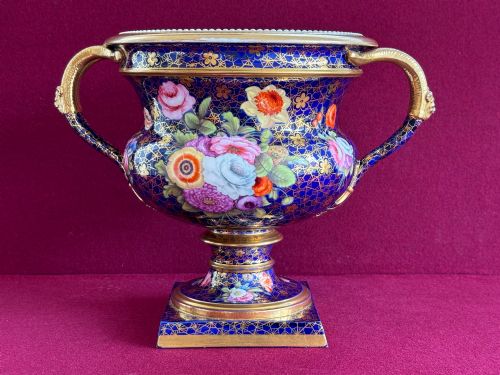
These pieces of blue hand painted porcelain bring vibrant cobalt pigment and delicate brushwork directly to your table, mantel, or cabinet.
Blue Hand Painted Porcelain
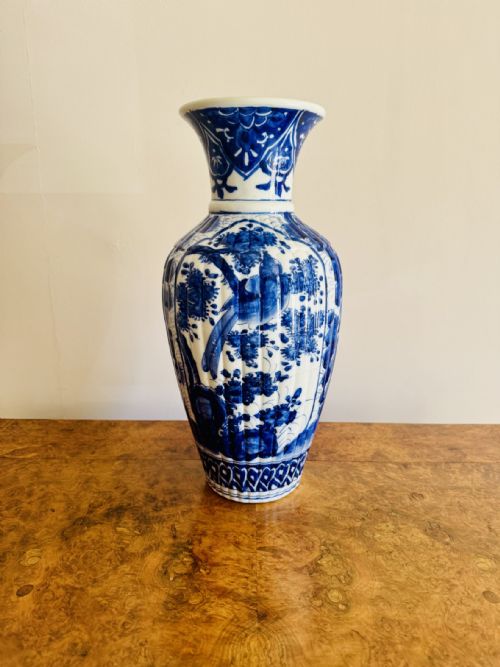
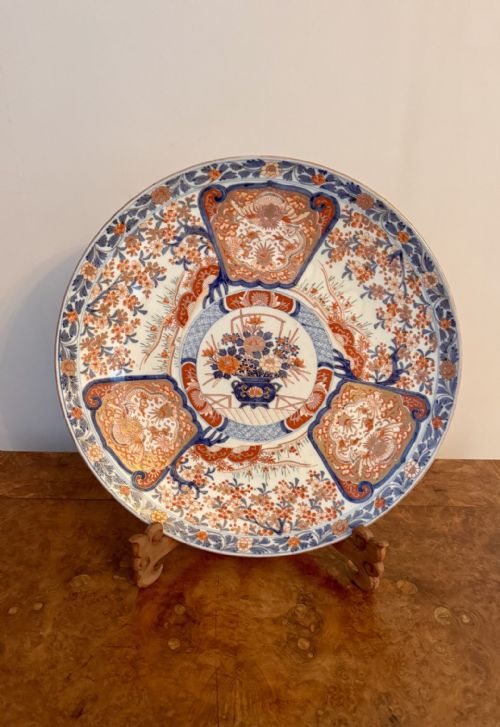
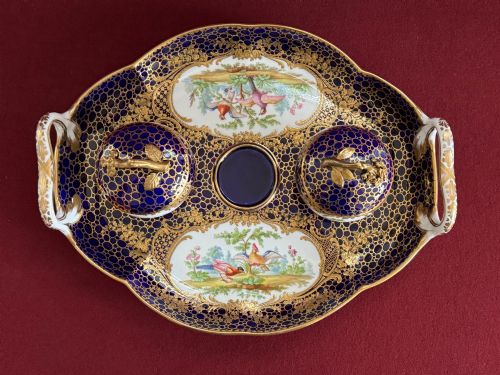
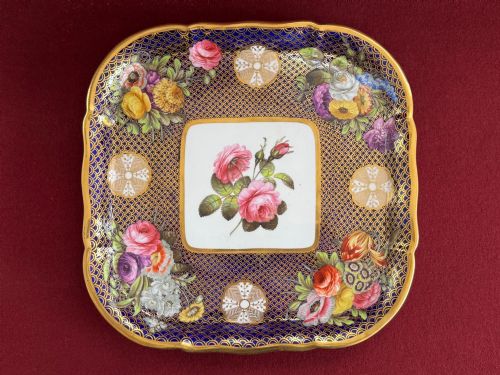
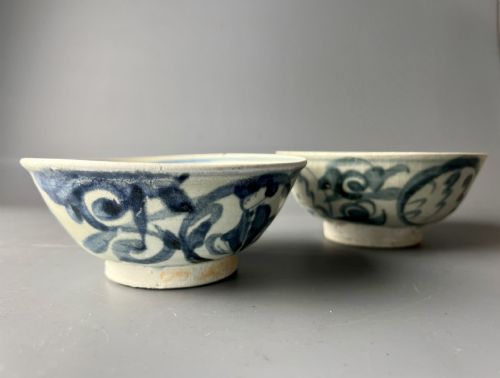
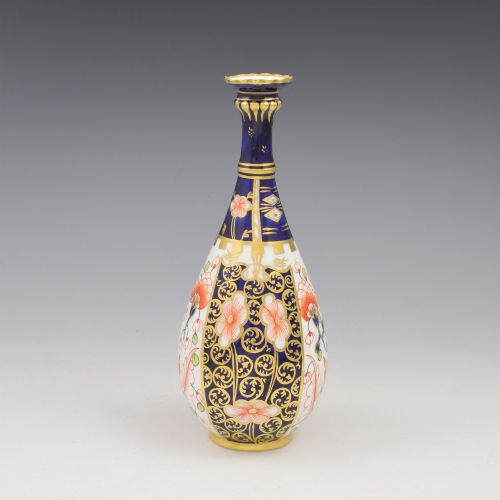
When you search for blue hand painted porcelain, you encounter a diverse array of items ranging from decorative plates, cabinet plates, and chargers to large floor-standing vases, jardinières, and tea sets. The selection spans centuries of global ceramic tradition, including 18th-century English factories, French Sèvres-style works, and Japanese Imari or blue and white pieces.
You are most likely to meet 19th-century examples on this page, alongside earlier 18th-century productions and turn-of-the-century Japanese export wares. Forms vary from simple utilitarian shapes like coffee cups and saucers to grand decorative urns, lamps, and mantle clocks, each displaying distinct regional brushwork.
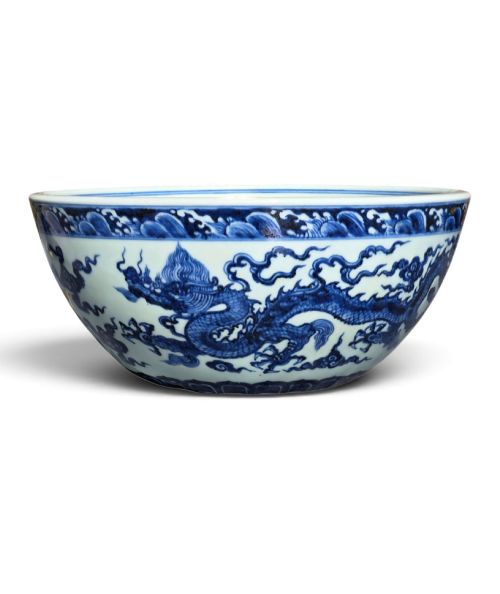
The objects unite under the banner of cobalt blue pigment applied by hand to a white ceramic body, often enhanced with glaze, enamel, or gilding. Whether examining a Chinese export platter or a Worcester tea canister, the dialogue between the white ground and the blue painting defines the category.
How they were made
Makers applied cobalt underglaze directly onto the ceramic body before firing, allowing the mineral to fuse with the glaze for deep, permanent colour. Soft-paste and hard-paste porcelain formed the foundation for European pieces, while Asian kilns utilised indigenous mineral deposits and high-firing techniques.
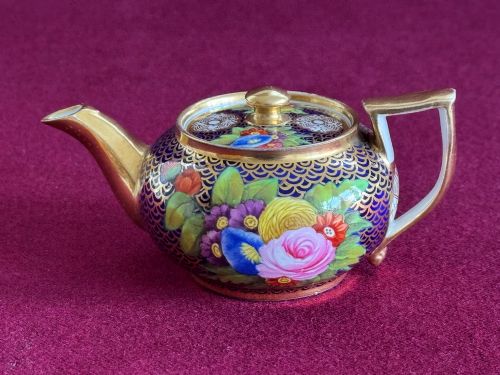
Overglaze enamels and gold leaf were frequently added in subsequent low-temperature firings to introduce contrasting colours and gilded highlights. Artisans used fine brushes to execute intricate floral, figural, and landscape motifs by hand, ensuring that no two pieces share identical brushstrokes.
Listings span the 18th, 19th, and early 20th centuries, uniting English factories, French Sèvres-style works, and Japanese Imari and Satsuma ceramics.
What varies in quality
The crispness and fluidity of the hand-painted brushwork separate ordinary production from superior examples, as skilled painters achieved subtle tonal gradations and confident lines without hesitation. The purity of the porcelain body and the smoothness of the glaze also dictate value, with finer pieces exhibiting fewer firing imperfections and cleaner white surfaces.
Makers' marks and attribution play a significant role in distinction, with documented works from notable factories commanding greater interest than unmarked wares. The complexity of the form and the preservation of secondary materials like gold leaf and enamel further distinguish exceptional specimens from standard decorative items.
Flight, Barr and Barr·H and R Daniel·Cantagalli·Royal Worcester·Coalport
The Blue Hand Painted Porcelain Glossary
- Cobalt Underglaze
- A blue pigment applied to the unfired ceramic body before glazing and high-temperature firing. This technique protects the painted design beneath a glassy layer.
- Imari
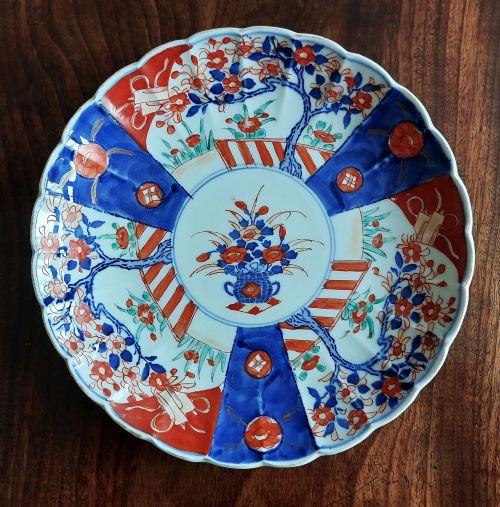
- A style of Japanese porcelain featuring blue underglaze and iron red, often supplemented with gold. Exported widely to Europe, it combined vibrant palettes with bold compartmentalised designs.
- Soft-Paste
- A porcelain substitute made from white clay and glass frit used by European factories before discovering hard-paste deposits. It has a warmer tone and a softer feel beneath the glaze.
- Charger
- A large decorative plate or platter intended for display rather than dining. These expansive surfaces often showcase the most ambitious hand-painted scenes.
- Gilding
- The application of gold leaf or powdered gold to ceramic surfaces to accentuate rims, handles, and motifs. It is typically fixed through a final low-temperature firing.
Blue Hand Painted Porcelain: Frequently Asked Questions
Were these pieces meant for daily use?
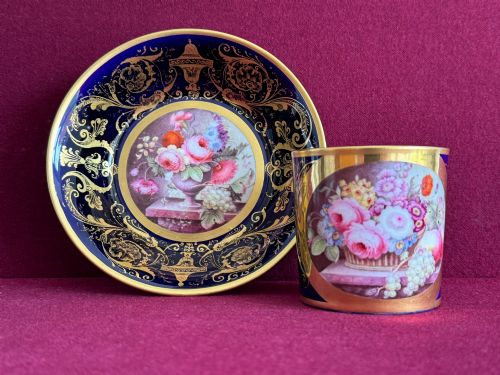
Many items, such as tea canisters, cups, and saucers, were produced for the dining table and daily domestic hospitality. Over time, the wear on tea wares often reflects their active service in period households.
Larger chargers, vases, and decorative urns served primarily as ornamental display pieces in formal rooms. Their survival in good condition often depends on this sheltered domestic role.
How can I tell English porcelain from Chinese export?
English factories often utilised soft-paste bodies in the 18th century, showing a creamy translucency and distinct glaze pooling near the base. Chinese export porcelain typically employed hard-paste material with a brilliant white ground and crisp foot rims.
Brushwork styles also offer strong clues, as English decorators emulated Asian motifs through a Western lens, resulting in hybrid floral and landscape interpretations.
What is the difference between Imari and blue and white?
Traditional blue and white porcelain relies exclusively on cobalt oxide underglaze painted on a white ground. The resulting aesthetic focuses entirely on monochromatic contrast and fluid brush drawing.
Imari pieces incorporate iron red and gold leaf alongside the blue underglaze, creating a much richer and denser polychrome palette. This Japanese style became immensely popular across Europe for its striking visual warmth.