



Blue Glaze Pottery Jug
A blue glaze pottery jug brings rich cobalt tones and historic character to a room, offering both practical service and striking shelf display.
Blue Glaze Pottery Jug
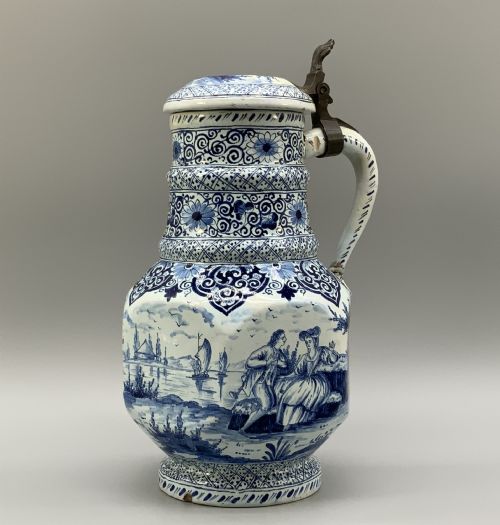
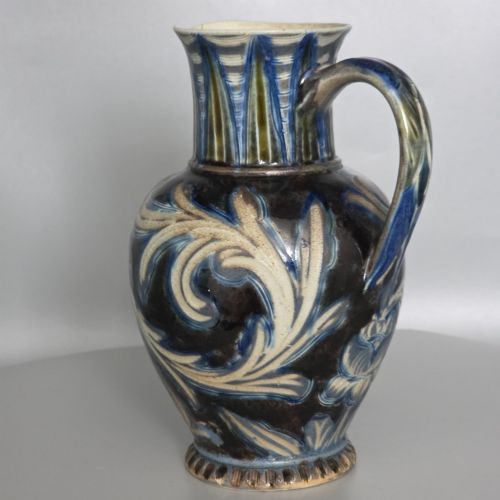
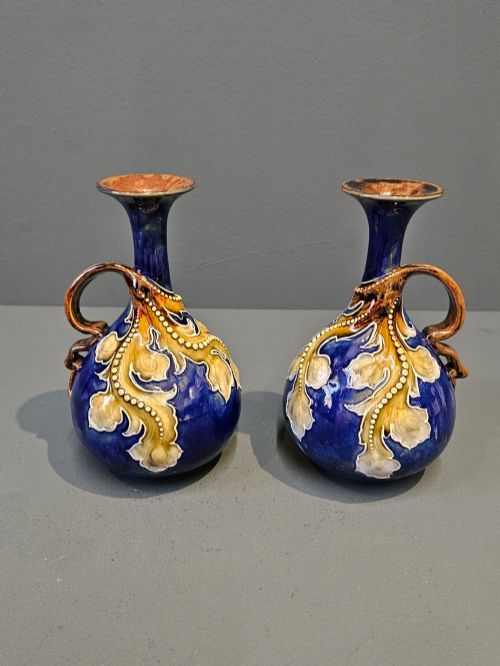
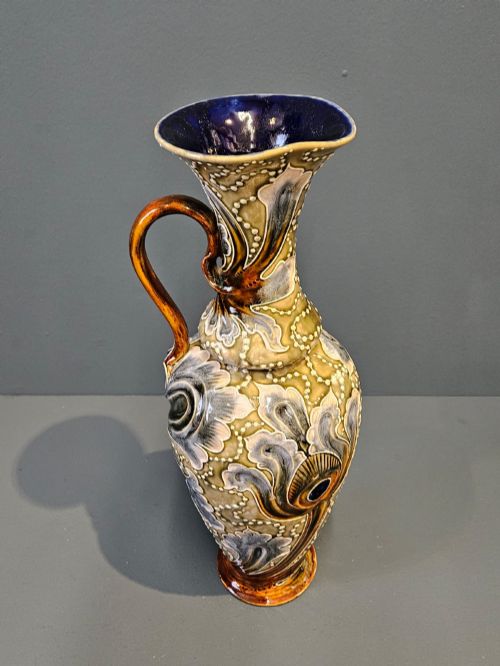
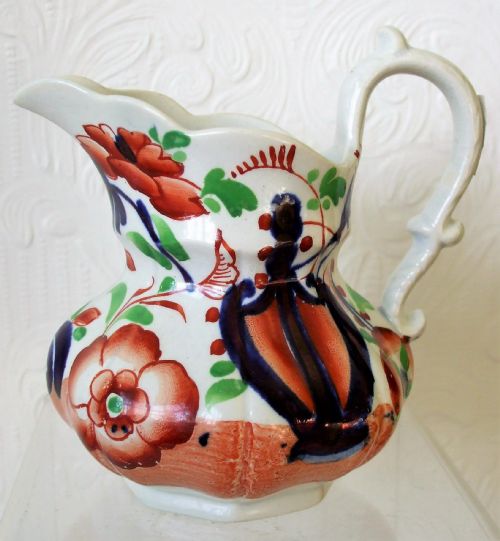
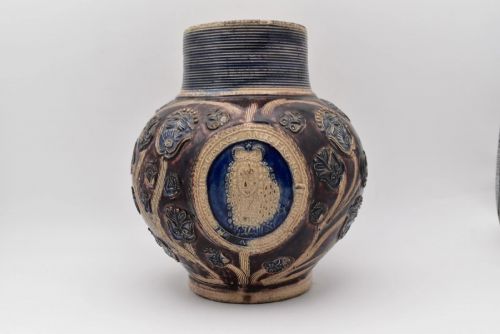
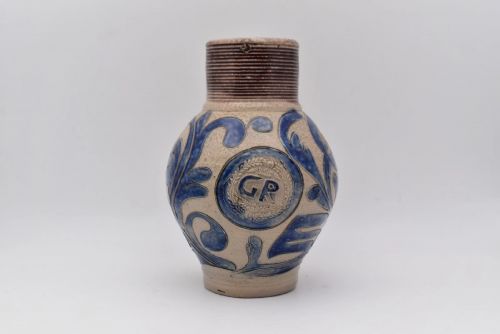
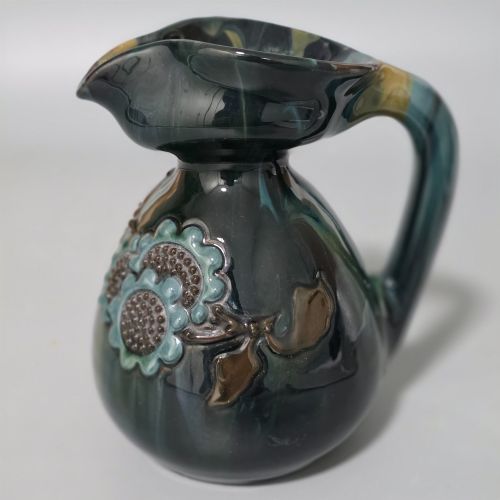
A blue glaze pottery jug spans centuries of ceramic history, from seventeenth-century continental stoneware to nineteenth-century domestic earthenware. You will frequently encounter robust salt glaze vessels, tin-glazed delftware, and elaborate Victorian art pottery pieces.
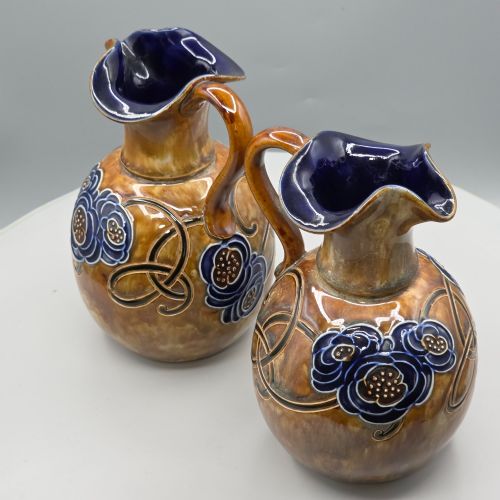
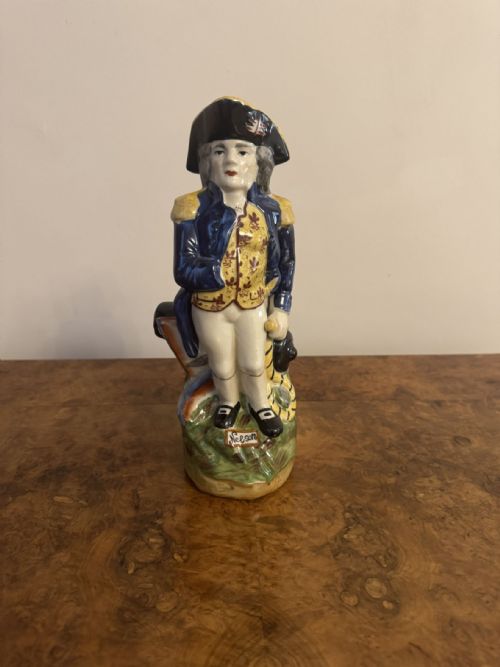
The forms range from utilitarian pitchers and water vessels to decorative ewers, puzzle jugs, and figural toby jugs. Makers across England, Holland, and Germany shaped these containers for daily use or display, applying distinctive cobalt decoration.
Examples from this selection connect directly to historical periods such as the Georgian era, the Victorian age, and the Arts and Crafts movement. Each piece carries the distinct regional style and firing traits of its origin.
Materials and production methods
Potters utilised earthenware, ceramic, and dense stoneware bodies, shaping them by hand or on a wheel to form the body and handle. Salt glazing involved throwing common salt into the kiln during high-temperature firing, creating a durable, slightly textured finish on stoneware surfaces.
Tin-glazed earthenware required an opaque white glaze containing tin oxide, which provided a smooth background for hand-painted blue pigments before a final gloss firing. Artisans often incised patterns directly into damp clay bodies or applied moulded relief decoration before the piece entered the kiln.
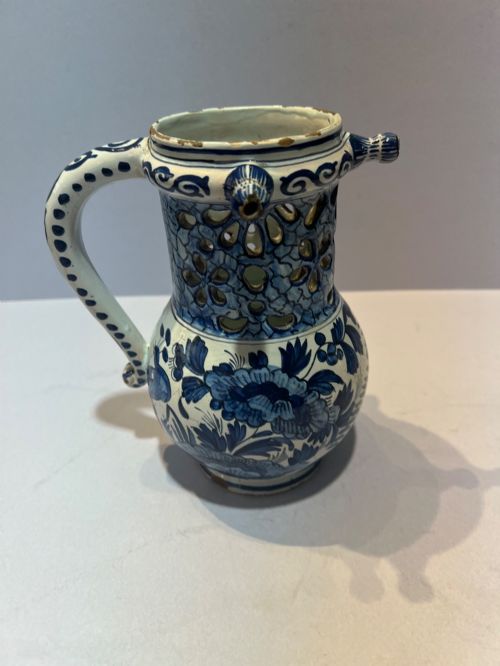
Eighteenth-century drinkers faced deliberate puzzle jugs designed to spill wine down their chests unless they found the secret hidden straw.
Factors of quality and execution
The reputation of the studio or maker, alongside documented stamps and monograms, elevates a piece significantly within its category. Greater artistic ambition in studio pottery and delftware translates to complex painted scenes and balanced proportions.
Royal Doulton·Doulton Lambeth·Sir Edmund Elton·Pieter Verburg
The Blue Glaze Pottery Jug Glossary
- Salt glaze
- A vitreous coating formed on stoneware by introducing salt into the kiln at peak temperature. This creates an orange-peel texture that resists liquids.
- Tin-glazed earthenware
- Pottery covered with a glaze containing tin oxide to produce a white, opaque surface. Painters apply cobalt blue designs directly onto this porous layer before firing.
- Stoneware
- A heavy, dense ceramic fired at high temperatures until semi-vitrified. It remains completely impermeable to liquids even without a glaze.
- Puzzle jug
- A vessel featuring a perforated neck and multiple spouts designed to trick the drinker. Fluid must be sucked through a hidden tube system to avoid spilling.
- Toby jug
- A pottery jug shaped as a full-seated person, typically wearing eighteenth-century attire and holding a mug of beer or a pipe.
Blue Glaze Pottery Jug: Frequently Asked Questions
How do I clean an antique jug?
Wash the ceramic gently by hand using lukewarm water and mild soap, avoiding harsh scrubbing brushes or abrasive pads.
Dry the piece thoroughly with a soft cloth to protect older glazes and any historic repairs from moisture damage.
Can I use these jugs for serving?
Many historic stoneware and earthenware jugs remain structurally sound for holding water or displaying fresh flowers on a table.
Porosity in older unglazed or cracked bodies means you should check for leaks before filling them with liquids.
How do I date a salt glaze jug?
Examine the weight, the consistency of the salt texture, and any applied royal ciphers or maker stamps on the base.
Stylistic cues like handle shape and cobalt decoration intensity help align the piece with eighteenth or nineteenth-century production standards.
What is the difference between delftware and stoneware?
Delftware uses a softer earthenware body covered in an opaque white tin glaze with painted blue decoration. Stoneware is a dense, vitrified material fired at higher temperatures with an inherent salt glaze.