





Blue Glaze Porcelain Dish
A blue glaze porcelain dish brings rich cobalt tones and historic craftsmanship directly to a table or cabinet display.
Blue Glaze Porcelain Dish
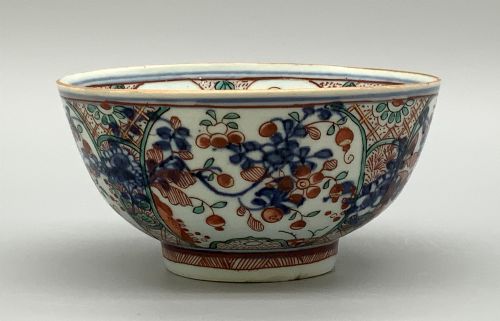
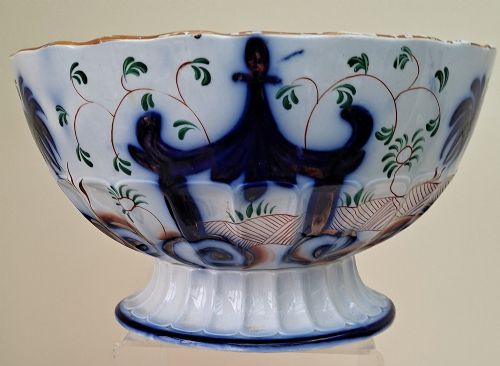
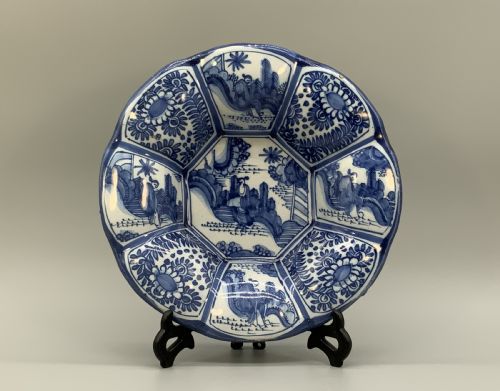
When you search for a blue glaze porcelain dish, you encounter a diverse array of domestic and decorative vessels spanning multiple centuries. The selection encompasses everything from early Chinese export wares to nineteenth-century European pottery and twentieth-century French powder boxes.
The objects take many functional forms, ranging from deep bowls and chargers to plates, trinket boxes, and serving dishes. These items often feature traditional motifs such as Chinoiserie landscapes, floral patterns, or abstract geometric designs executed in striking blue pigmentation.
Materials and production techniques
These pieces rely primarily on fine porcelain or ceramic bodies shaped by hand or mould before receiving a distinct coat of glaze. Artisans applied cobalt pigment directly to the surface, frequently beneath a clear glaze layer to achieve the characteristic deep blue coloration during high-temperature firing.
Additional ornamentation often involved the application of enamel colours and gilt detailing over the primary glaze, requiring supplementary lower-temperature firings to set the metallic and polychrome accents.
Blue Glaze Porcelain Dish Retail Price Guide 2026
Typical asking prices for blue glaze porcelain dish among the pieces listed under this phrase on Sellingantiques today, from the lower quarter to the upper quarter. They describe what is for sale here now, not the wider market.
Several charming French powder boxes from the 1930s disguise their practical vanity storage beneath whimsical ceramic half-doll figures and flapper girl motifs.
Distinctions in quality and execution
The standard of a piece is evident in the precision of the cobalt brushwork and the clarity of the underlying white porcelain or ceramic body. Finer examples display controlled pigment application without bleeding, alongside evenly applied glazes free from major surface imperfections.
Artistic ambition also sets items apart, where sophisticated multi-fired pieces featuring intricate gilt work or hand-painted figural scenes represent a higher level of workshop output than standard utility wares.
Wedgwood·Kinkozan Kyoto·Limoges
The Blue Glaze Porcelain Dish Glossary
- Porcelain
- A hard, fine-grained ceramic material traditionally fired at high temperatures to achieve a vitrified, non-porous body. It forms the structural base for many historic decorative dishes.
- Cobalt Pigment
- A metallic oxide used extensively in ceramic decoration to produce a durable, intense blue colour under the glaze. This pigment withstands high firing temperatures without losing its depth.
- Gilt
- A thin layer of gold applied to the surface of ceramics for decorative enrichment. It frequently highlights rims, handles, or painted motifs.
- Charger
- A large decorative plate or shallow bowl typically intended for display rather than active service. These substantial pieces often showcase complex artistic designs.
Blue Glaze Porcelain Dish: Frequently Asked Questions
How do I date a blue glaze porcelain dish?
Dating relies on examining the stylistic markers, potting techniques, and any specific factory marks or signatures present on the base. Comparing the cobalt shade and decorative motifs to known period examples helps narrow the era of production.
Changes in ceramic bodies and glaze consistency from the eighteenth to the twentieth century also provide clear chronological indicators for experienced collectors.
Were these dishes used for dining?
Many forms, such as chargers and serving dishes, served practical functions at historic dining tables. Other variations were designed specifically for decorative display or as vanity containers.
Powder boxes and trinket bowls filled a cosmetic or organizational role on dressing tables rather than a culinary one.
How should I display porcelain dishes safely?
Support vertical display with stable plate stands designed to distribute weight evenly across the base and rim. Keep pieces away from direct sunlight and areas subject to sudden temperature fluctuations.
Ensure shelves are secure and deep enough to prevent accidental knocks in high-traffic rooms.