




Blue Glaze Ceramic Figure
A blue glaze ceramic figure brings rich cobalt and turquoise tones to historic mantelpieces through centuries of diverse global craftsmanship.
Blue Glaze Ceramic Figure
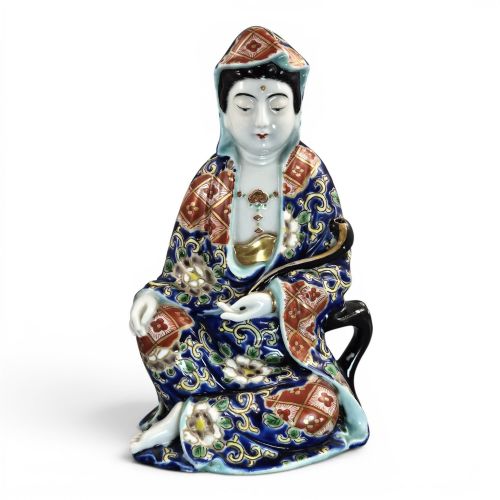
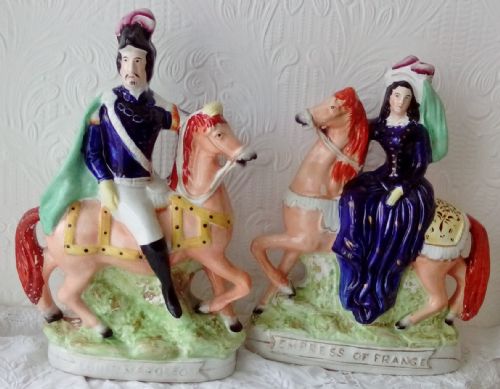
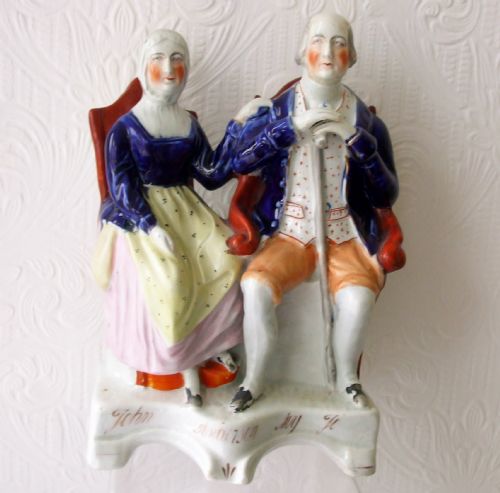
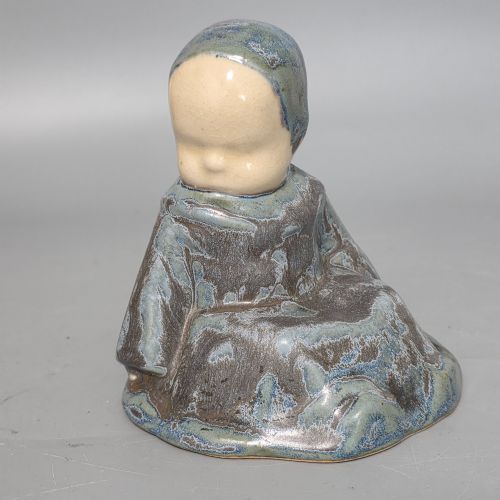
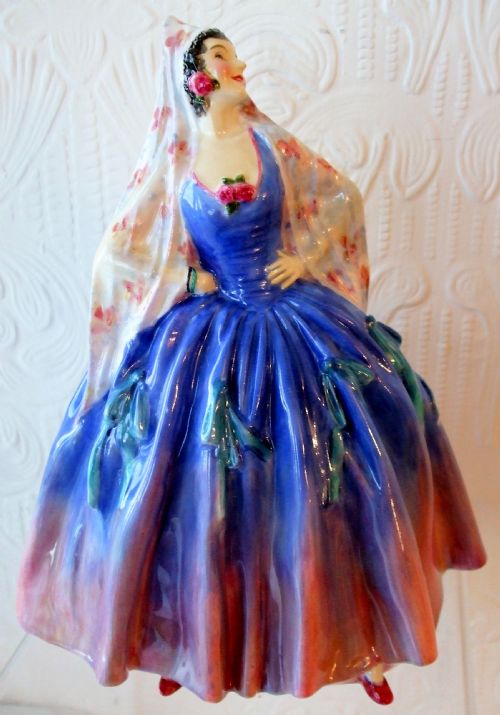
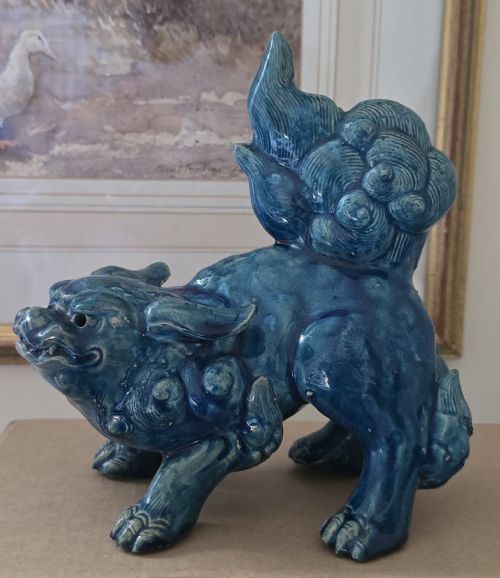
When searching for a blue glaze ceramic figure, collectors encounter a diverse array of sculptural objects ranging from Victorian Staffordshire portrait groups and toby jugs to Japanese Meiji period earthenware and Chinese turquoise-glazed figures. These works span multiple production centres across Europe and Asia, capturing historical figures, animals, and mythological subjects in three dimensions.
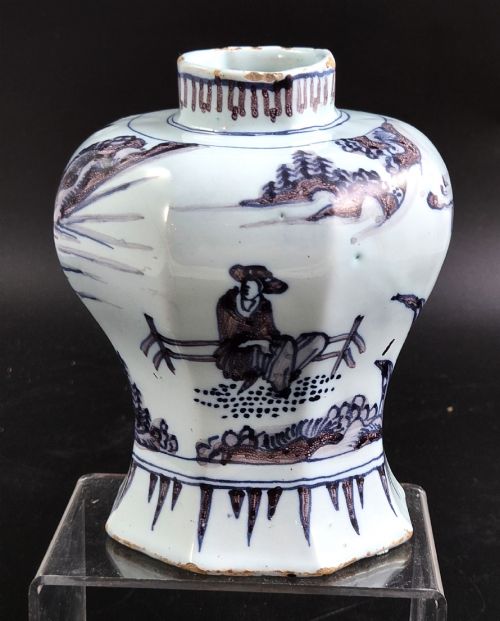
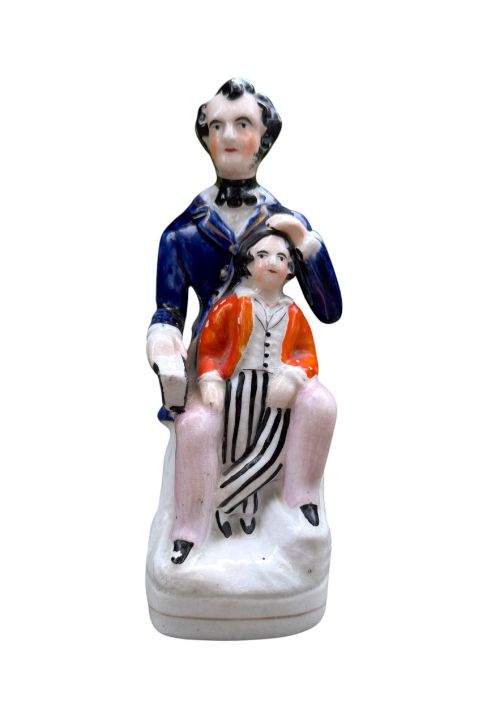
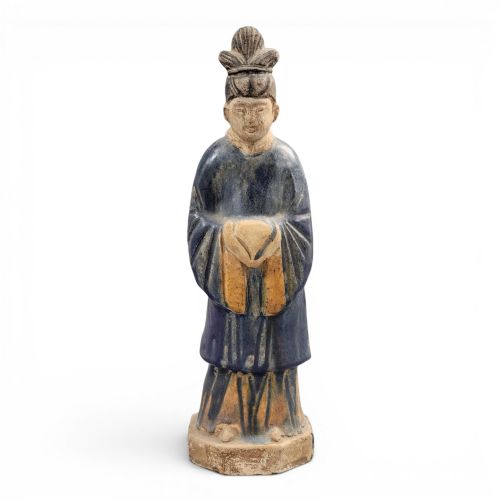
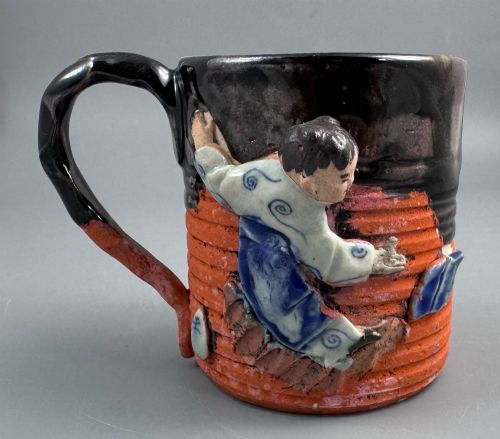
The pieces appearing on this page most frequently include 19th-century English Staffordshire flatbacks alongside Meiji Japanese ceramics featuring applied figures and complex flambé or turquoise glazes. Buyers will also find continental European faience, Delft pottery cows, and early Chinese funerary attendants sharing the same chromatic palette.
The category unites utilitarian items with purely decorative sculptures, encompassing spill vases, inkwells, and mantel ornaments alongside dedicated figurines. Each object relies on its striking blue surface treatment to define its visual presence within a room.
How they were made
Potters utilised earthenware, stoneware, and porcelain as foundational bodies, shaping them either by hand, through moulds, or via wheel-throwing techniques before applying specialised colourants. The resulting forms received mineral glazes, including lead and cobalt formulations, which transformed during high-temperature firing.
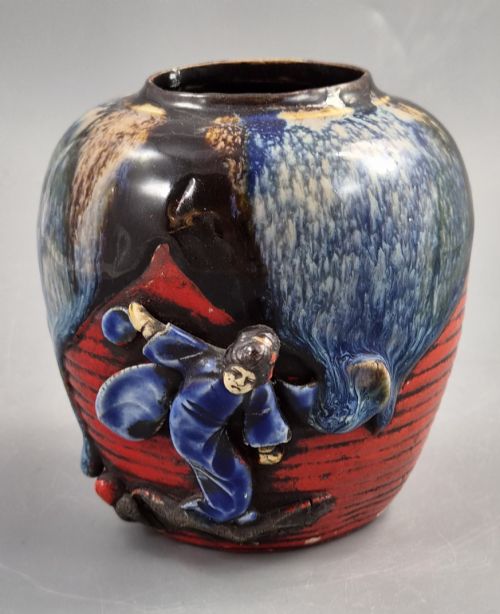
Makers often incorporated additional decorative elements such as enamel highlights, gold leaf accents, or moriage relief work over the primary blue ground. Japanese Sumida Gawa wares frequently combined textured flambé or oxblood glazes with distinct applied figures, while Staffordshire pieces relied on hand-painted overglaze enamels.
Several Staffordshire pottery dogs wear very serious expressions while quietly holding inkwells for Victorian letter writers.
What varies in quality
Glaze control also dictates distinction, separating uneven, muddy runs from luminous, evenly saturated cobalt and turquoise expanses that pool naturally in the recesses of the ceramic form. Artisanal signature work and well-preserved gilt or enamel highlights further elevate the standing of individual pieces.
Royal Doulton·Vion and Baury·George Kemper·Berthe Savigny·Kinkozan
The Blue Glaze Ceramic Figure Glossary
- Flatback
- A ceramic figure designed with an unglazed or minimally finished flat rear surface intended for display against a wall or mantelpiece. This style is particularly prevalent in nineteenth-century Staffordshire production.
- Flambé glaze
- A rich, variegated glaze that develops unpredictable streaks and mottling during high-temperature kiln firing. It frequently produces oxblood, deep blue, and purple tones.
- Spill vase
- A hollow cylindrical ceramic figure or vessel designed to hold wooden spills used for lighting candles or fires. These dual-purpose items combine practical hearth use with sculptural modelling.
- Moriage
- A Japanese ceramic decorating technique where slip is piped onto the surface in dots or lines to create raised relief patterns before glazing and firing. It adds tactile dimension to vases and figures.
- Toby jug
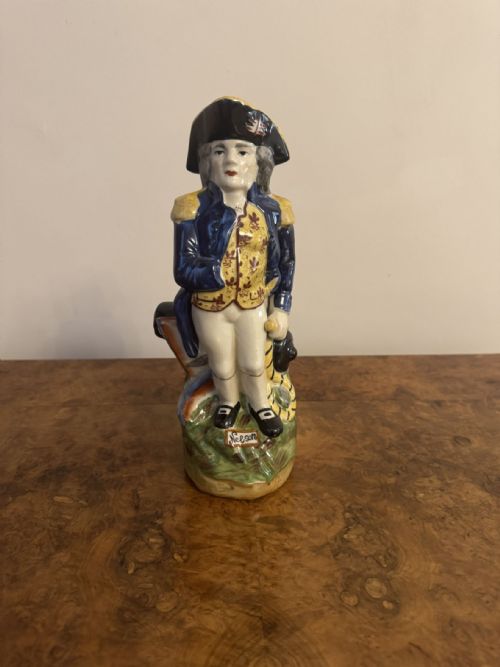
- A pottery jug moulded in the shape of a seated, stout 18th-century figure, typically wearing a tricorn hat and holding a mug or pipe. They are frequently finished with lead or enamel glazes.
Blue Glaze Ceramic Figure: Frequently Asked Questions
What is a blue glaze ceramic figure?
These works are sculptural ceramic objects coated in distinctive cobalt, turquoise, or flambé blue glazes, spanning European earthenware and Asian porcelain traditions.
They function primarily as decorative mantel ornaments, portraits, or figural vessels created across the eighteenth, nineteenth, and early twentieth centuries.
How were these figures displayed historically?
Victorian Staffordshire flatback figures and portrait groups were typically placed on mantelpieces or shelves where their flat backs would rest against a wall.
Larger garnitures, vases, and figural groups occupied prominent spaces in drawing rooms, often paired symmetrically to balance interior decor.
How do I identify a Staffordshire figure?
Staffordshire figures generally feature earthenware bodies with hand-painted enamel details, often depicting royal portraits, literary characters, or domestic animals.
Many nineteenth-century examples utilise the flatback construction method to save material and facilitate placement against cottage or parlour walls.
What distinguishes Japanese Meiji period figures?
Meiji period ceramics showcase intricate regional techniques, such as the heavy, textured glazes of Sumida Gawa wares or the detailed moriage relief work found on Satsuma pottery.
These pieces frequently incorporate applied figures of deities, children, or historical personages executed with high narrative detail.
How do I care for antique ceramic figures?
Antique glazed ceramics require gentle dusting with a soft, dry brush to prevent the accumulation of particulate matter on delicate enamel and gilt highlights.
Keep them away from direct sunlight and areas prone to extreme humidity or temperature fluctuations to protect the integrity of the historic glaze.