




Blue Glass Basket
A blue glass basket brings a striking splash of colour to a table, combining vibrant vessels with intricate silver or crystal work.
Blue Glass Basket
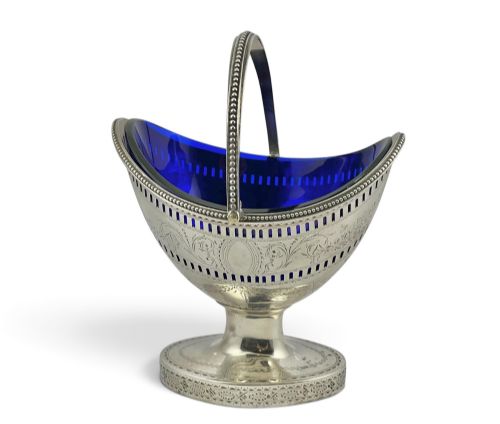
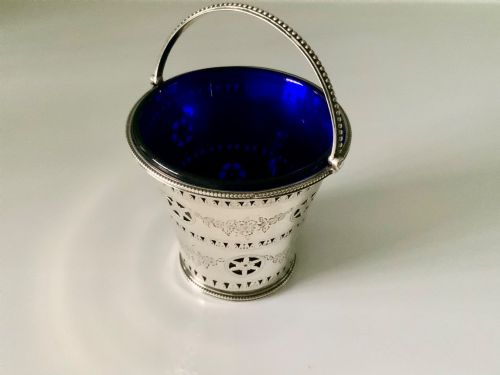
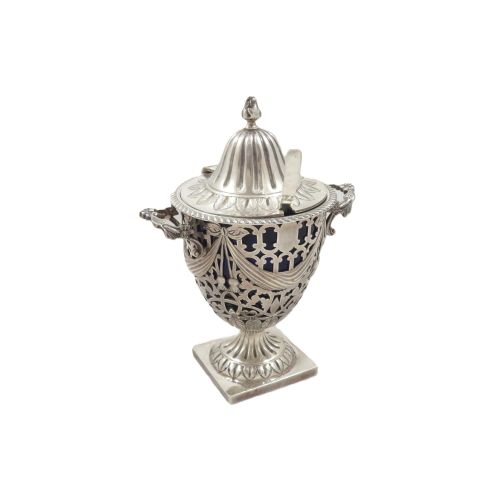
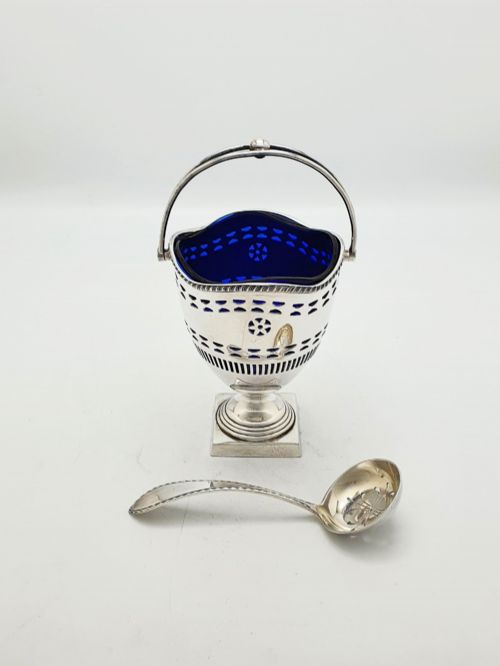
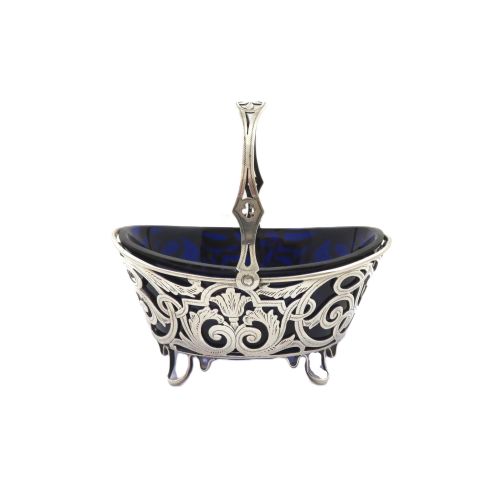
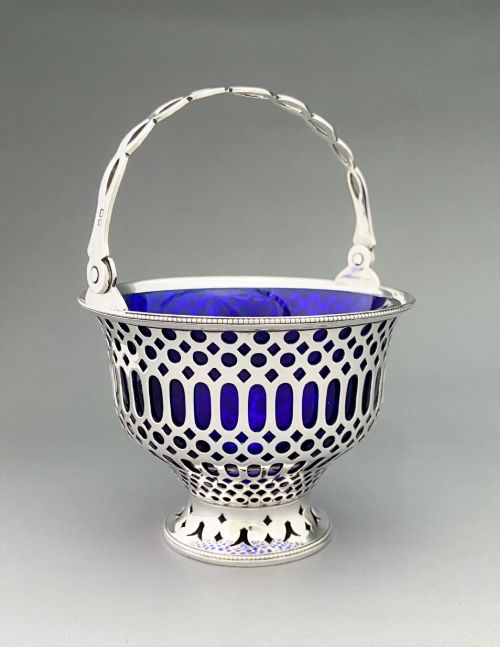
When you search for a blue glass basket, you encounter tablewares and decorative pieces primarily taking the form of sugar baskets and bowls accompanied by coloured liners.
The selections available here span various eras from the eighteenth century through the Edwardian period and into the nineteen-twenties and thirties, often pairing silver frameworks with vibrant glass.
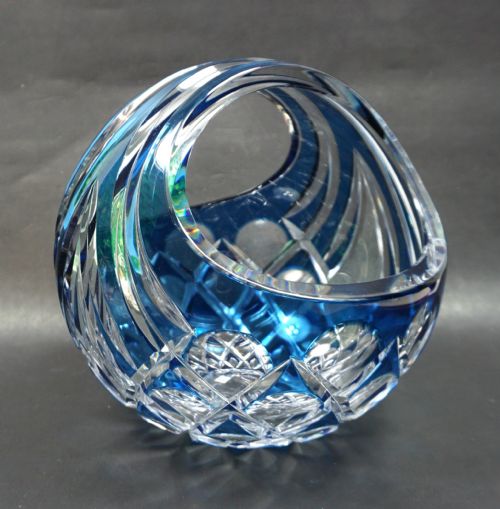
While some examples utilise cobalt glass inserts held within pierced silver frames, others showcase a solid blue over crystal formation created by specific makers.
Materials and construction
These items rely on the combination of blown or moulded glass, including lead crystal and cobalt glass, housed within sterling silver or silver plate frameworks.
Metalwork techniques involve piercing and casting to produce swing handles and decorative pierced galleries that secure the glass inserts safely within the piece.
Blue Glass Basket Retail Price Guide 2026
Typical asking prices for blue glass basket among the pieces listed under this phrase on Sellingantiques today, from the lower quarter to the upper quarter. They describe what is for sale here now, not the wider market.
Some baskets arrive safely tucked inside their original fitted cases, ready for a Victorian gift-giving occasion.
Judging quality and craftsmanship
The standard of a piece rests heavily on the crispness of the metal piercing and the quality of the cast floral or swing handles attached to the frame.
Weight and clarity in the glass liners, alongside the harmony between the metal basket and its coloured glass insert, define the finer examples in this category.
Aldridge & Green·Joseph Simon for VSL·Wedgwood
The Blue Glass Basket Glossary
- Cobalt glass
- A deep blue glass coloured with cobalt oxide. This material frequently appears in liners for sugar baskets.
- Sugar basket
- A table vessel designed for holding loose sugar lumps during tea service. These often feature swing handles and matching glass liners.
- Silver plate
- A base metal coated with a thin layer of silver. Many Edwardian baskets utilise this method to achieve a bright finish.
- Lead crystal
- A glass variety containing metal oxide for increased brilliance and weight. It provides a heavy, clear foundation for coloured glass overlays.
Blue Glass Basket: Frequently Asked Questions
What is a blue glass basket used for?
These vessels historically served as sugar baskets or bowls on formal dining tables during tea service. They held sugar lumps inside pierced metal frames to accompany the tea set.
Today, collectors use them as decorative glassware displays or centrepieces on sideboards to add a vibrant splash of colour to a room.
How do I identify a Georgian sugar basket?
Georgian pieces often feature intricate hand-pierced silver frames paired with shaped glass liners. They date from the eighteenth century and display classical neoclassical or Adam style motifs.
Look for hallmarks on the silver framework which can help narrow down the exact year of production and the silversmith involved.
What is the difference between cobalt glass and blue crystal?
Cobalt glass achieves its intense colour through the addition of cobalt during the melting process, resulting in a deep and uniform hue. It was widely utilised for nineteenth and twentieth-century tableware liners.
Blue crystal incorporates lead oxide for greater brilliance and weight, sometimes taking the form of an overlay where blue glass is cased in clear crystal.
How should I clean my antique silver and glass basket?
Remove the glass liner from the silver frame before cleaning to protect both materials appropriately. Wash the glass gently in warm soapy water and dry with a soft cloth.
Polish the silver frame with a suitable cloth, taking care to avoid getting polish residue onto the glass surface or into pierced crevices.