


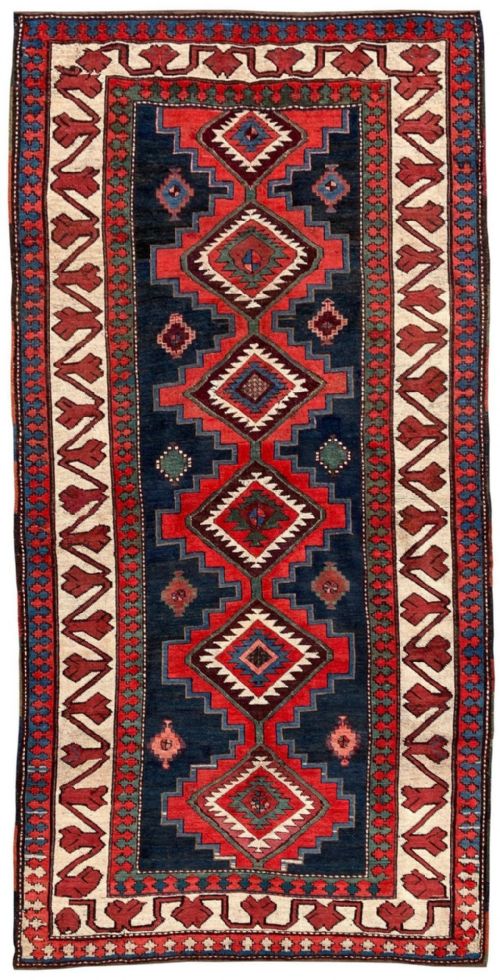
Blue Geometric Area Rug
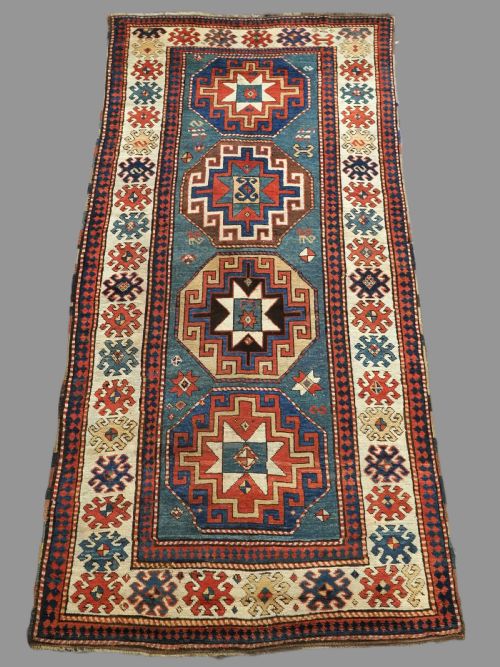
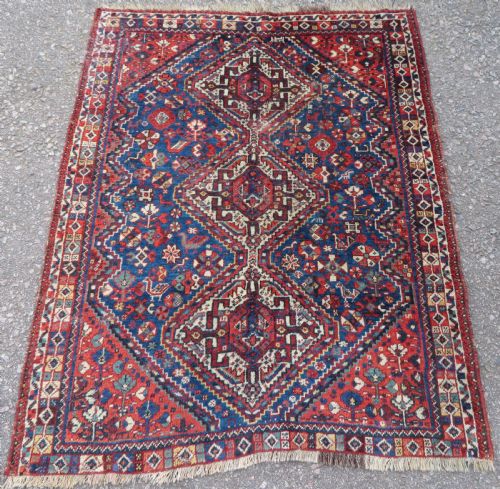
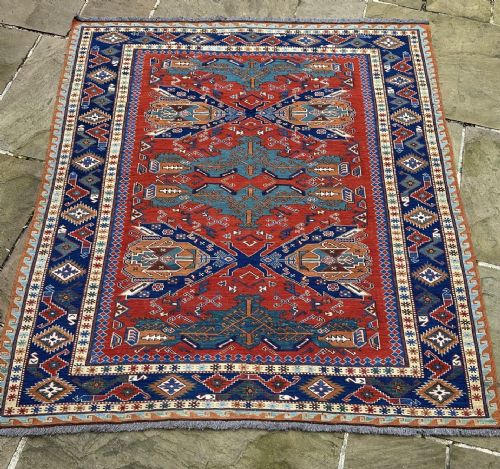
A blue geometric area rug anchors a room with structured tribal patterns and indigo dye work.
Blue Geometric Area Rug
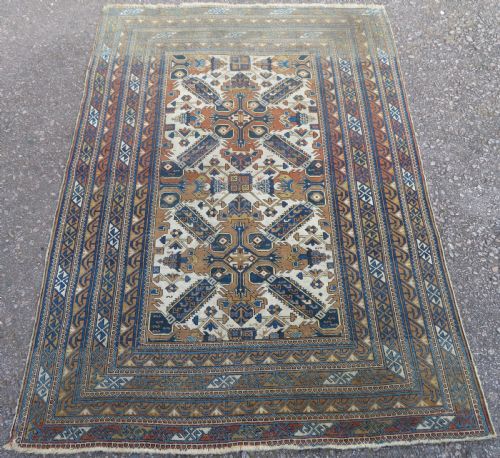
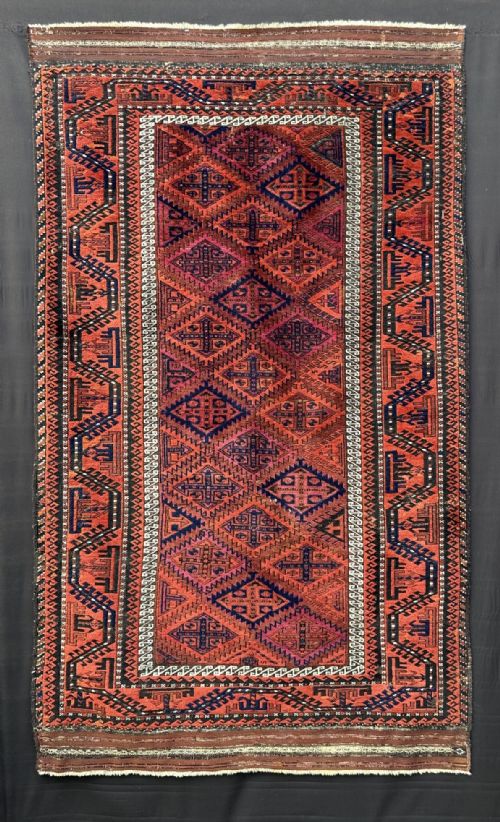
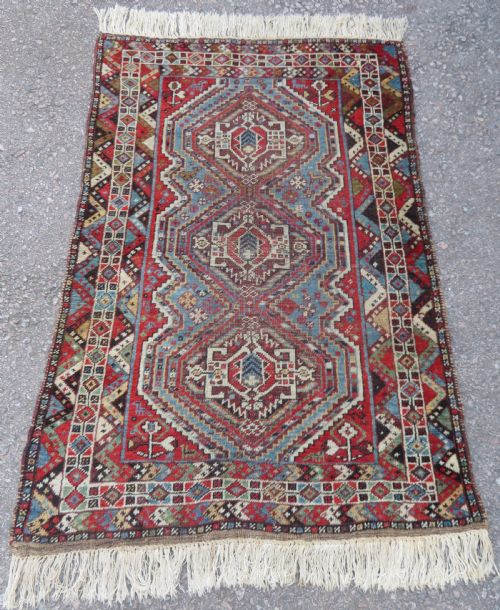
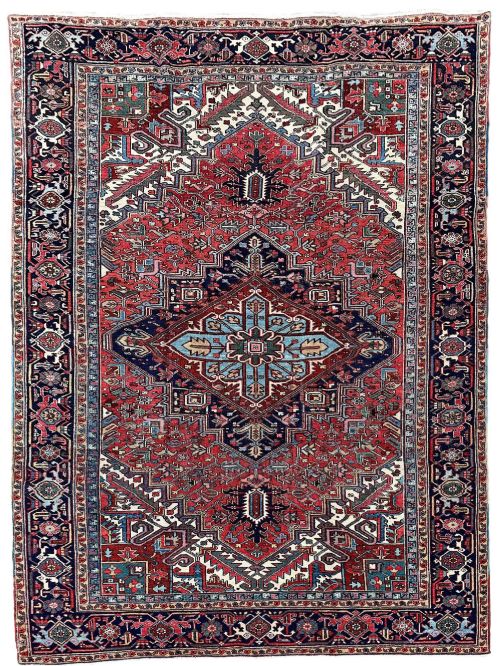
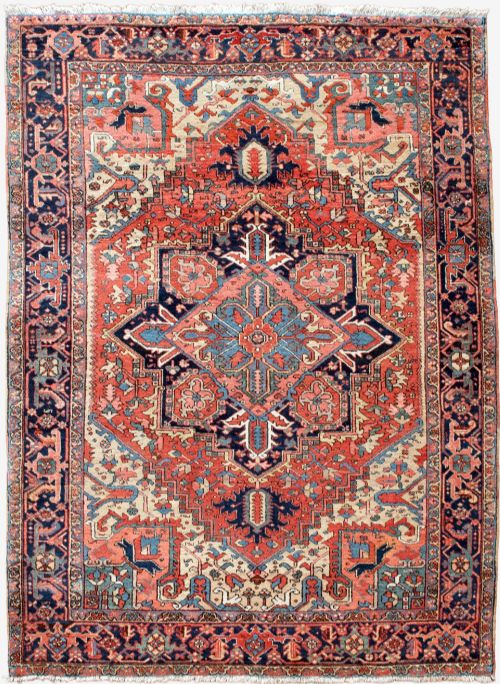
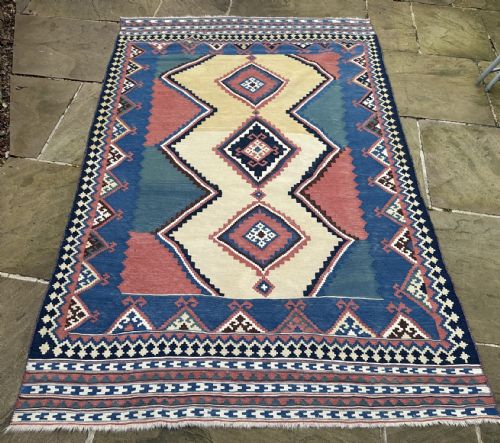
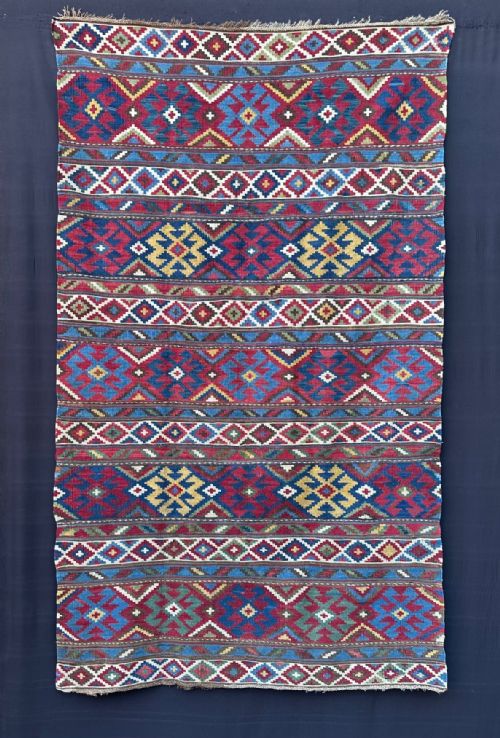
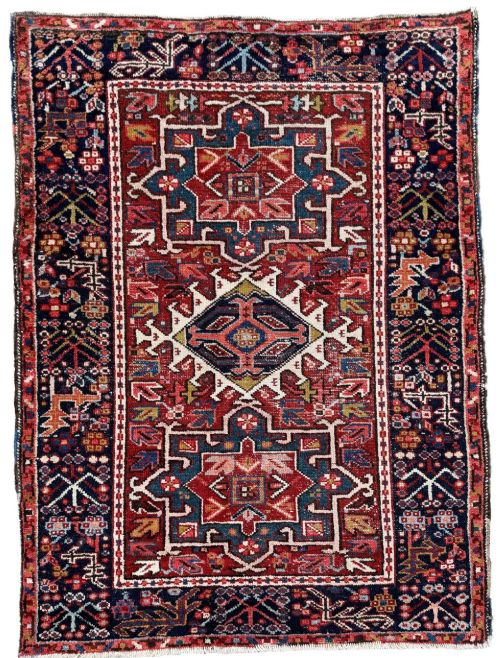
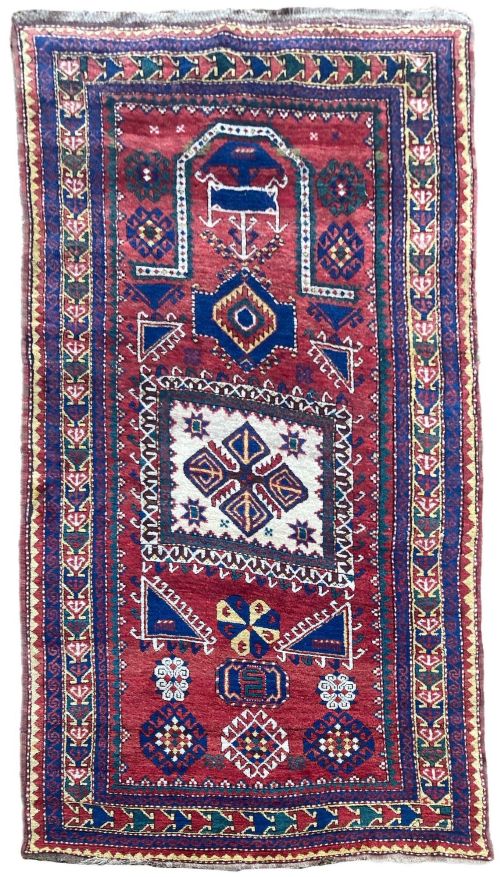
A blue geometric area rug covers hand-knotted floor coverings from Persian and Caucasian traditions, spanning the nineteenth and twentieth centuries. Buyers encounter village and tribal pieces such as Heriz, Kazak, Khamseh, and Afshar floor coverings.
The format ranges from small prayer rugs and hearth sizes to room-sized carpets and long runners. Designs rely on medallions, lattice work, and rectilinear motifs executed in various shades of blue.
Materials and construction
These floor coverings utilise wool and cotton foundations combined with hand-spun wool pile. Weavers tied pile yarns by hand to form dense structures designed for domestic use.
Dyers employed natural dyes to achieve deep indigo and sky blue tones alongside contrasting earth hues. Natural colour variation occurs across the pile due to traditional dye vats and batch processing.
Listings feature pieces spanning the 1880s to the 1960s, constructed from wool, cotton, and natural dyes.
Factors influencing quality
Knot density and structural tightness dictate durability and the crispness of linear pattern rendering. Finer village and tribal weaving displays sharper geometric definition in medallions and borders.
The depth and condition of the wool pile, alongside the integrity of the original selvedges and ends, determine the physical preservation of each carpet.
The Blue Geometric Area Rug Glossary
- Medallion
- A central ornamental motif set in the field of a rug. It forms the focal point of many Persian village carpets.
- Pile
- The upright yarn loops that form the usable surface of a woven carpet. Hand-spun wool pile provides tactile weight and resilience.
- Selvedge
- The reinforced edge binding that runs parallel to the length of a rug. It prevents the side cords from unravelling.
- Natural Dyes
- Colourants derived from plants, insects, and minerals rather than synthetic compounds. They yield varied hues that age gracefully over decades.
Blue Geometric Area Rug: Frequently Asked Questions
How do I clean an old wool rug?
Professional dusting and specialist low-moisture washing protect natural fibres and traditional dyes from bleeding. Regular gentle vacuuming without rotary brushes removes grit from the wool pile.
Harsh chemical detergents and excessive water damage historic foundations and wool yarns. Surface dirt settles deep into the pile over time, requiring expert care.
Where were these tribal rugs made?
Weavers produced these floor coverings across Persian provinces and the Caucasus region, including villages in Heriz, Shirvan, and Kazak. Local nomadic confederacies and settled villagers developed distinct geometric repertoires.
Each region maintained specific loom techniques and colour preferences, such as the prominent use of indigo blues in Caucasian weaving.
Are these carpets suitable for heavy traffic?
Hand-knotted wool pile on cotton or wool foundations provides natural resilience for daily domestic use. Hearth-sized pieces and larger carpets withstand moderate foot traffic when paired with a quality underlay.
Fragile or heavily distressed examples benefit from placement in low-traffic areas or display as wall hangings to preserve the remaining structure.
How do I identify the age of a rug?
Material analysis of the wool, structural examination of the foundation, and dye characteristics help estimate the period of manufacture. Natural indigo tones and hand-spun wool indicate nineteenth and early twentieth-century production.
Stylistic shifts in regional medallions and border motifs provide further clues to whether a piece dates from the Victorian era or later.