




Blue Floral Serving Dish
A blue floral serving dish brings centuries of ceramic artistry and botanical decoration directly to the table.
Blue Floral Serving Dish
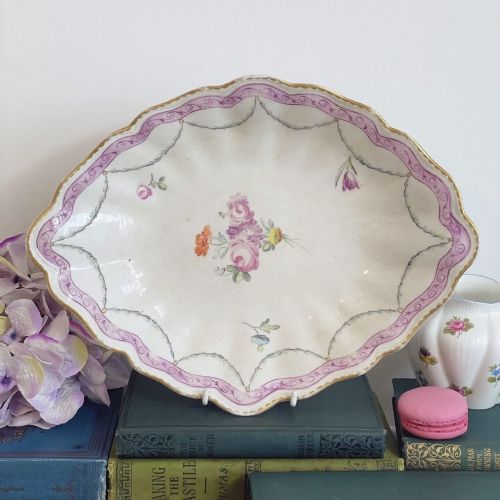
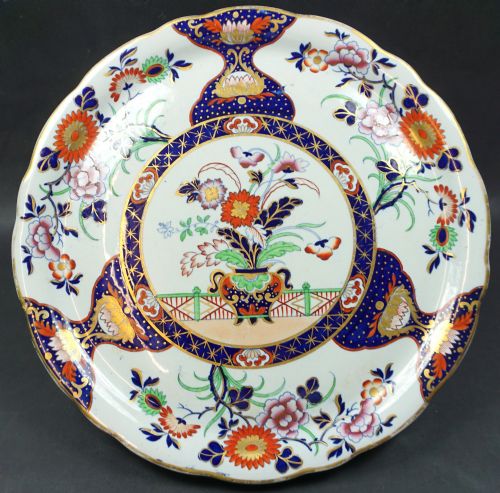
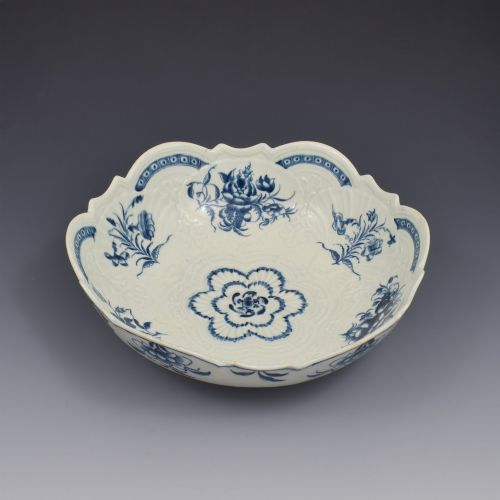
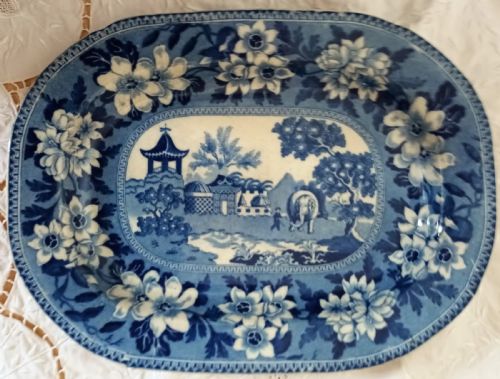
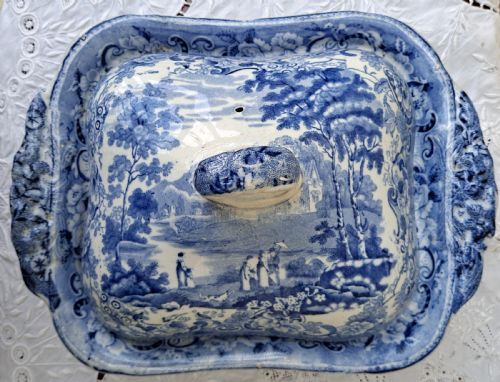
A blue floral serving dish encompasses wide platters, deep tureens, large chargers and everyday serving dishes created across the eighteenth, nineteenth and early twentieth centuries. These table pieces merge utility with decorative plant motifs rendered in blue pigments or colourful polychrome accents.
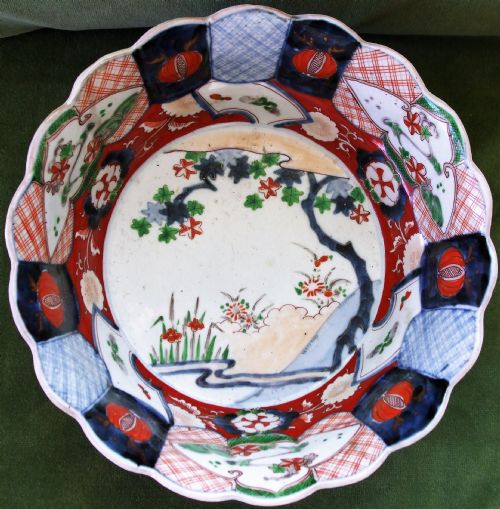
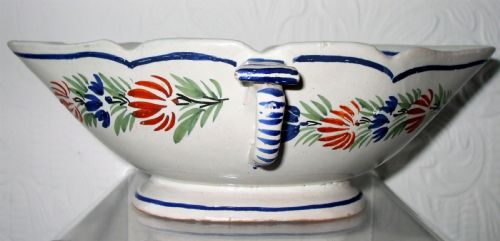
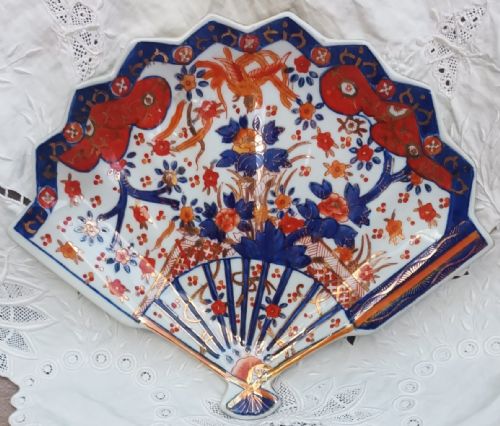
English earthenware, bone china, ironstone and porcelain sit alongside Japanese Imari porcelain and French faience within this group. Domestic Georgian and Victorian transferware traditions appear alongside imported Asian ceramics designed for European dining rooms.
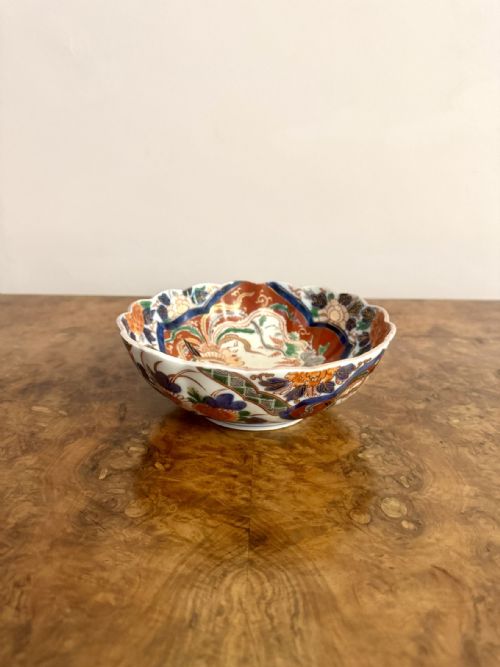
Buyers encounter everything from large meat platters bearing rural scenery to scalloped bowls decorated with floral and bird patterns. Each object reflects the prevailing dining customs and aesthetic preferences of its specific period.
Materials and Methods
Potters shaped these serving vessels from earthenware, durable ironstone or refined porcelain bodies before applying intricate glazes and mineral pigments. Cobalt blue oxide remained the primary pigment for underglaze decoration due to its stability under high kiln temperatures.
Transfer printing allowed workshops to apply complex repeating patterns onto ceramic surfaces efficiently during the nineteenth century. Skilled artisans also painted details by hand using polychrome enamels and applied gold leaf or gilding to elevate specific pieces for formal dining.
Firing techniques evolved from early wood-burning kilns to more controlled industrial ovens, improving the vitrification of ceramic bodies and the consistency of white glazes.
Materials documented across these pieces include porcelain, earthenware, ironstone, enamel, and gold leaf gilding.
Judging Quality and Execution
Quality rests in the crispness of the transfer print or the precision of the hand-painted brushwork across the surface. Finer pieces display deliberate control in floral detailing and balanced composition rather than rushed execution.
The choice of ceramic body dictates durability and refinement, moving from thick earthenware and heavy ironstone to translucent porcelain bodies. Artisans who invested time in smooth glazing and precise moulding produced lighter, more resonant vessels.
The depth of the cobalt blue and the integration of gilding or enamel highlights distinguish standard utilitarian wares from exhibition pieces created for wealthy households.
Hicks and Meigh·John Rogers and Son·James Wallace and Company·Minton·Mason·Coalport·Ridgway·Spode·Royal Crown Derby·Doulton Burslem
The Blue Floral Serving Dish Glossary
- Ironstone
- A dense, durable type of earthenware patented in the early nineteenth century to resist chipping during heavy use. It provides a sturdy white body for transfer-printed dining services.
- Transferware
- Pottery decorated by applying a design from an engraved copper plate onto tissue paper, which was then transferred onto the unglazed ceramic body. This technique revolutionised mass production of blue and white patterns.
- Imari
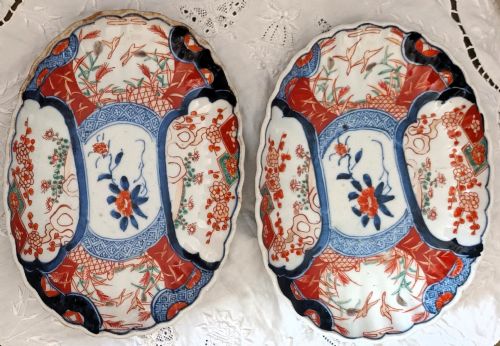
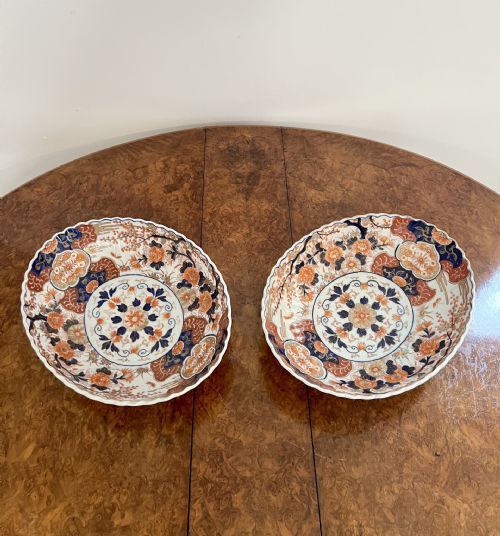
- A style of Japanese porcelain exported heavily to Europe, characterised by underglaze blue combined with iron red, gold and secondary colours. Floral and bird motifs frequently dominate the decoration.
- Charger
- A large decorative plate used historically as a base for other courses or displayed upright on sideboards. These wide vessels offer expansive surfaces for elaborate botanical painting.
- Tureen
- A deep covered bowl designed for serving soups, vegetables or sauces at the dining table. Matching stands and ladles often accompanied these substantial vessels.
Blue Floral Serving Dish: Frequently Asked Questions
How do I date an antique ceramic dish?
Examining the ceramic body, glaze characteristics and maker marks provides reliable chronological clues. Transfer-printed patterns and regional styles often align with specific decades of production.
Analysing wear patterns on the base and checking for registration marks helps narrow down the exact manufacturing window.
Can I use these antique dishes for serving food?
Many sturdy ironstone and earthenware pieces remain robust enough for occasional dining use today. Hand washing protects fragile glazes and historical surface decorations from harsh detergents.
Avoid thermal shock by keeping hot food temperatures moderate and steering clear of modern microwaves.
What is the difference between earthenware and porcelain?
Earthenware uses porous clay fired at lower temperatures, resulting in a heavier, opaque body often finished with an opaque tin or lead glaze. Porcelain uses refined kaolin clay fired at extremely high temperatures to create a vitrified, translucent material.
Porcelain withstands liquids better without glazing, while earthenware relies entirely on its surface coating for impermeability.
How should I display a large ceramic charger?
Large chargers look best secured on sturdy wire wall hangers or supported safely on specialised plate stands within cabinets. Positioning them away from direct sunlight protects enamel colours and gilding from fading over time.
Ensure the mounting hardware distributes the weight evenly across the entire rim of the dish.