





Blue Floral Porcelain Bowl
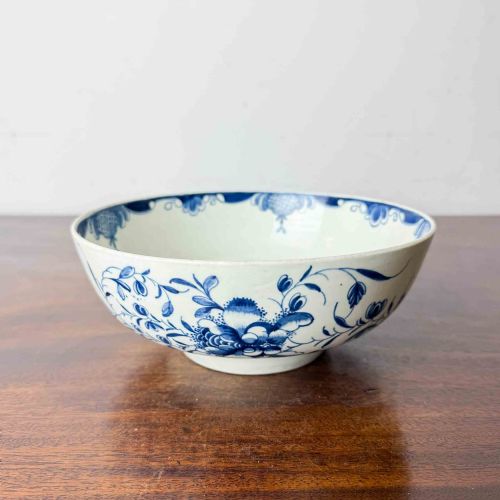
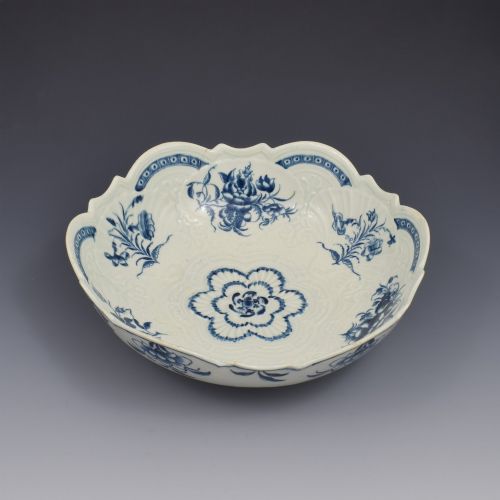
A blue floral porcelain bowl brings together centuries of ceramic craft, offering intricate hand-painted floral designs suited for display or daily service.
Blue Floral Porcelain Bowl
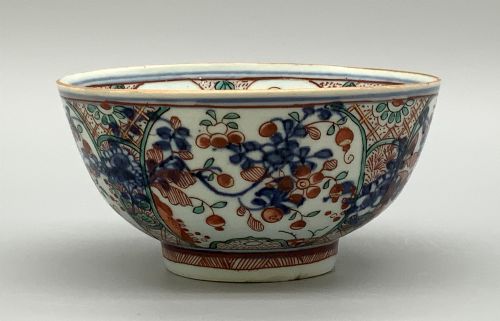
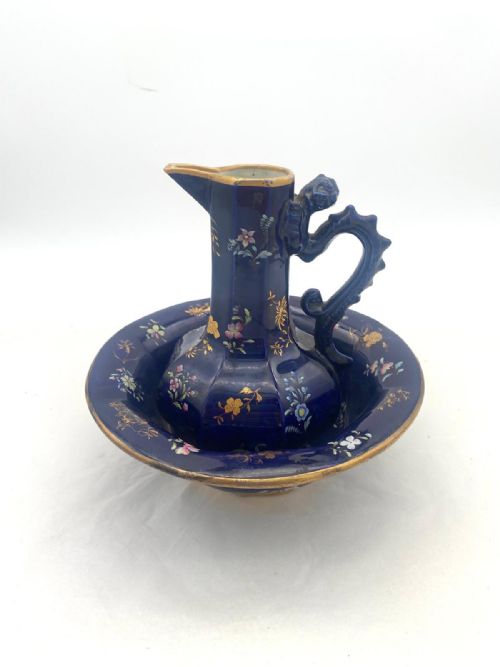
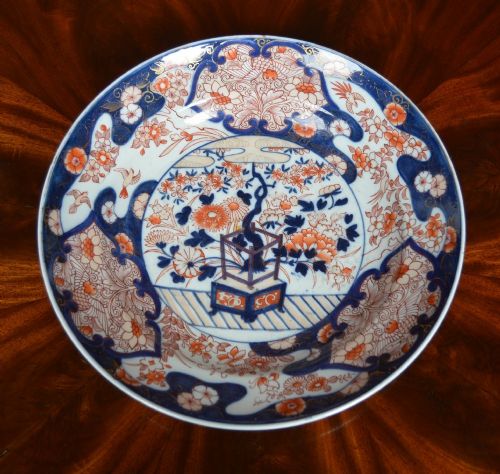
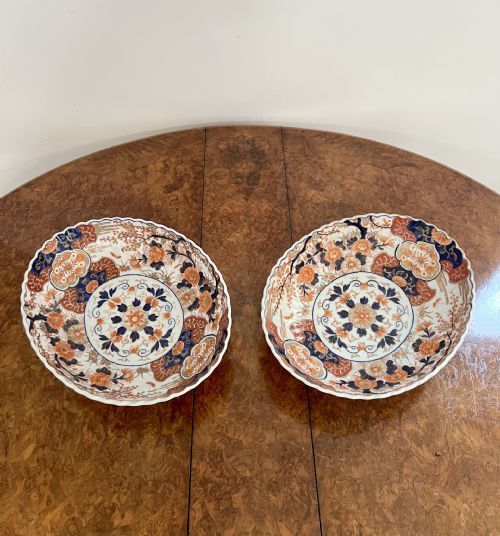
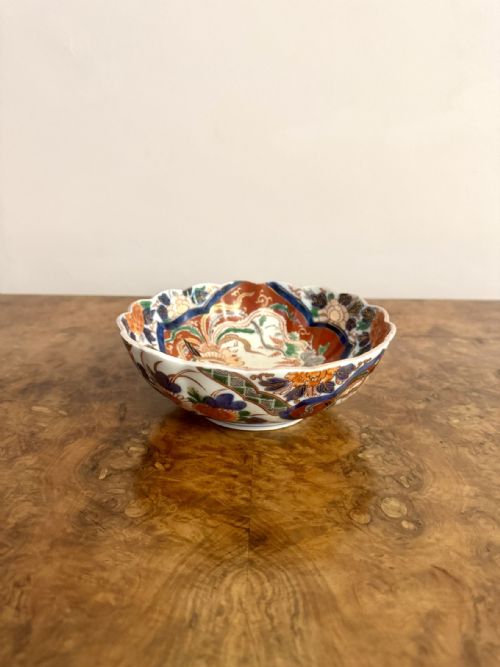
When you search for a blue floral porcelain bowl, you encounter domestic vessels and decorative centrepieces spanning the eighteenth and nineteenth centuries. These items range from Chinese export wares and Japanese Imari creations to English factories such as Worcester, Derby, Coalport, and Mason's Ironstone.
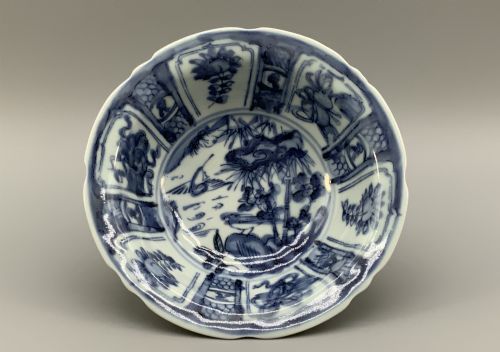
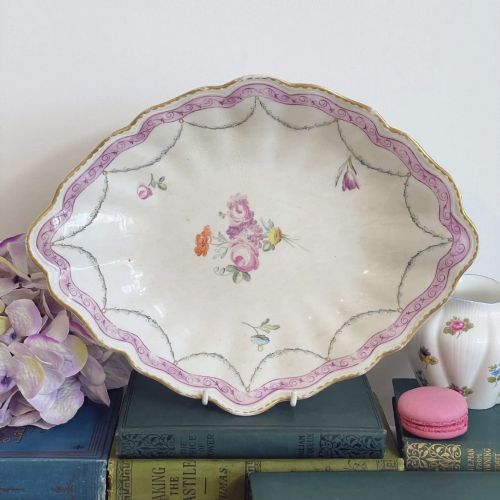
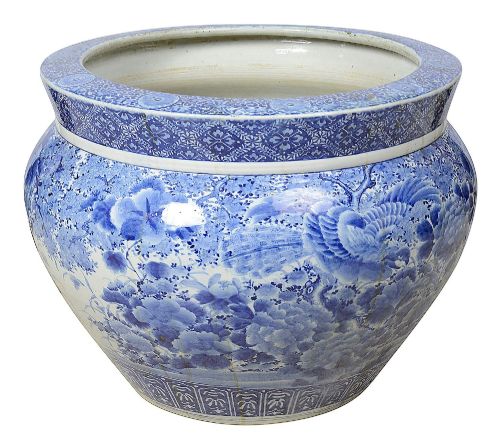
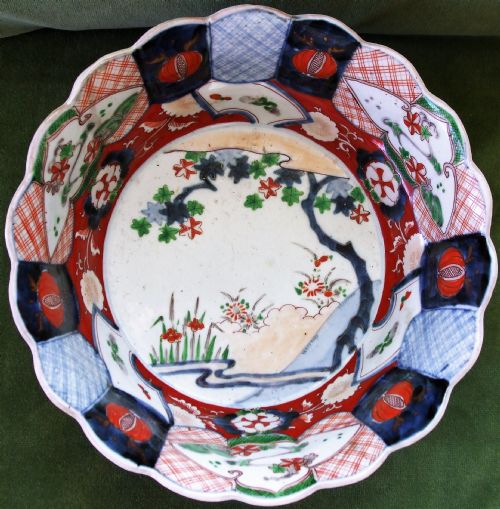
The assortment includes scalloped edge display bowls, lobed serving dishes, large jardinieres, and deep fruit bowls. Examples stretch from the Kangxi period and eighteenth-century Georgian eras through the Victorian age and into the Meiji period.
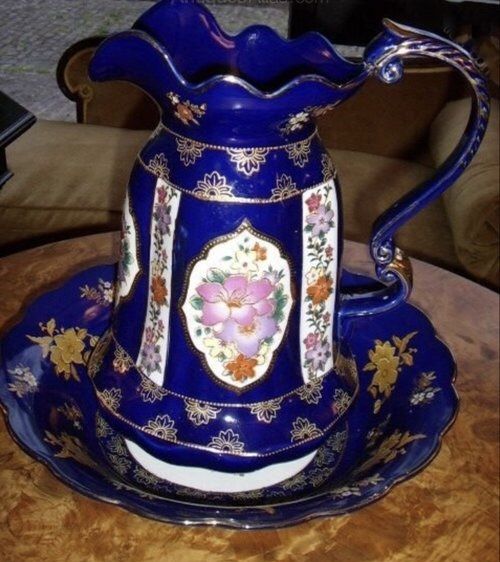
Most entries showcase traditional botanical motifs, cobalt glazes, and polychrome flower patterns applied to porcelain, ceramic, or ironstone bodies. Buyers frequently meet Japanese Imari pieces alongside British porcelain tablewares when browsing this selection.
How they were made
Potters shaped porcelain, earthenware, and ironstone bodies by hand or via early moulding techniques before applying mineral glazes and underglaze blue pigments. Artisans then handpainted botanical subjects, floral sprays, or intricate panel designs directly onto the ceramic surface.
Many items incorporate cobalt blue glaze alongside enamel colours and gold leaf accents, fired repeatedly in kilns to fuse the metallic details and vitrify the ceramic body. Scalloped edges, fluted sides, and lobed contours required skilled trimming while the clay remained pliable.
Blue Floral Porcelain Bowl Retail Price Guide 2026
Typical asking prices for blue floral porcelain bowl among the pieces listed under this phrase on Sellingantiques today, from the lower quarter to the upper quarter. They describe what is for sale here now, not the wider market.
Some nineteenth-century makers applied blue floral patterns so generously that even the underside of the bowl received an elaborate botanical garden.
What varies in quality
The sophistication of the handpainted floral brushwork distinguishes standard production ware from exceptional display pieces. Finer specimens exhibit precise linework in the cobalt glaze, crisp moulding on scalloped or fluted rims, and disciplined application of enamel colours and gold leaf.
The clarity of the porcelain body and the depth of the glaze also separate workshop outputs. Early eighteenth-century examples and items from established porcelain works demonstrate superior control during the high-temperature firing process.
Worcester Porcelain·Derby·Mason s Ironstone·Coalport·Doulton Burslem·Wedgwood
The Blue Floral Porcelain Bowl Glossary
- Imari
- A style of Japanese porcelain featuring cobalt blue and iron red, often enriched with gold leaf and floral motifs. Originating in Arita, these wares gained widespread popularity in European decorative schemes.
- Cobalt
- A mineral oxide utilised by potters to produce a deep blue hue under the glaze. This pigment withstands high kiln temperatures without losing intensity.
- Ironstone
- A heavy, durable ceramic patented in the nineteenth century as a robust alternative to porcelain. It frequently forms the body for large serving dishes and soup bowls.
- Lobed
- Describes a vessel edge or body divided into rounded projections or segments. This technique adds sculptural depth to circular or octagonal bowls.
- Jardiniere
- A large ornamental pot designed to hold live plants or floral arrangements. These vessels often match the decorative glaze and botanical motifs of companion table ceramics.
Blue Floral Porcelain Bowl: Frequently Asked Questions
How do I care for antique porcelain bowls?
Wash these fragile ceramic pieces gently by hand using lukewarm water and mild soap. Avoid soaking items with exposed gold leaf or delicate enamel decorations.
Store them securely on stable surfaces away from direct sunlight and sudden temperature shifts to protect the glaze.
Were these bowls used daily?
Many eighteenth and nineteenth-century vessels served practical functions at the dining table for serving soups, fruit, or tea. Other examples served purely decorative roles as centrepieces or display dishes in parlours.
Heavily gilt or intricately enamelled pieces typically saw limited use reserved for special household occasions.
How do I identify Japanese Imari pieces?
Look for a distinct palette combining underglaze cobalt blue with iron red and supplementary gold leaf. The designs commonly incorporate floral arrangements, panels, and intricate brocade patterns.
Japanese Imari wares often feature scalloped edges and robust porcelain bodies produced during the Meiji period or earlier.
What is the difference between porcelain and ironstone?
Porcelain is a vitrified ceramic fired at high temperatures, known for its fine texture and slight translucency. Ironstone is a dense earthenware developed to resist chipping during heavy domestic service.
While both materials accommodate blue floral decoration, ironstone generally feels heavier and lacks porcelain's translucent quality.